

Drones can legally fly up to 400 feet above ground level without needing FAA authorization. This altitude limit is established to enhance safety and minimize potential conflicts with manned aircraft. However, the operational landscape for drones is multifaceted, with various considerations influencing where and how high drones can be flown in different environments.
Understanding FAA Regulations
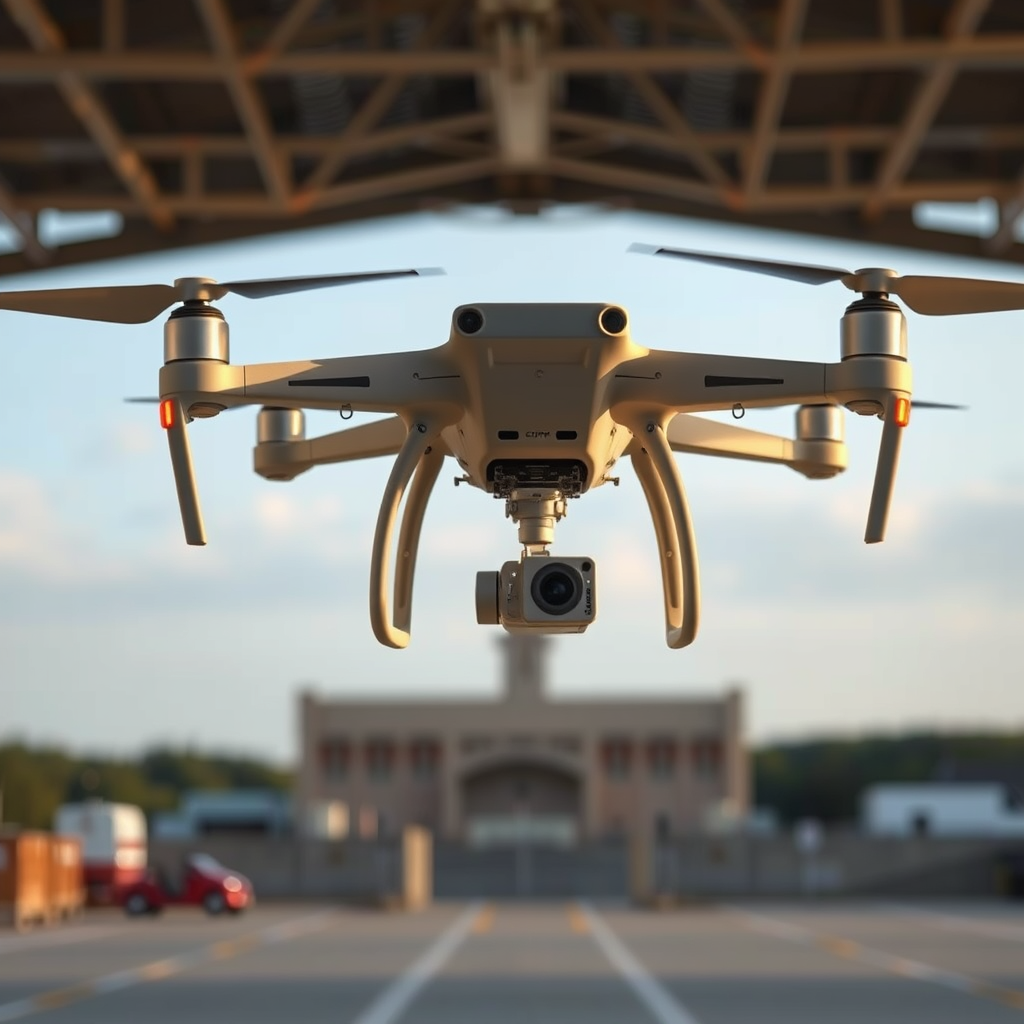
The Federal Aviation Administration (FAA) is the primary regulatory body governing airspace in the United States, and it plays a crucial role in ensuring the safe integration of drones into the national airspace system. The FAA has established detailed regulations that drone operators must follow to ensure that their flights are legal and safe. For instance, drones must be registered if they weigh more than 0.55 pounds, and operators must adhere to the Part 107 rules if they are using drones for commercial purposes.
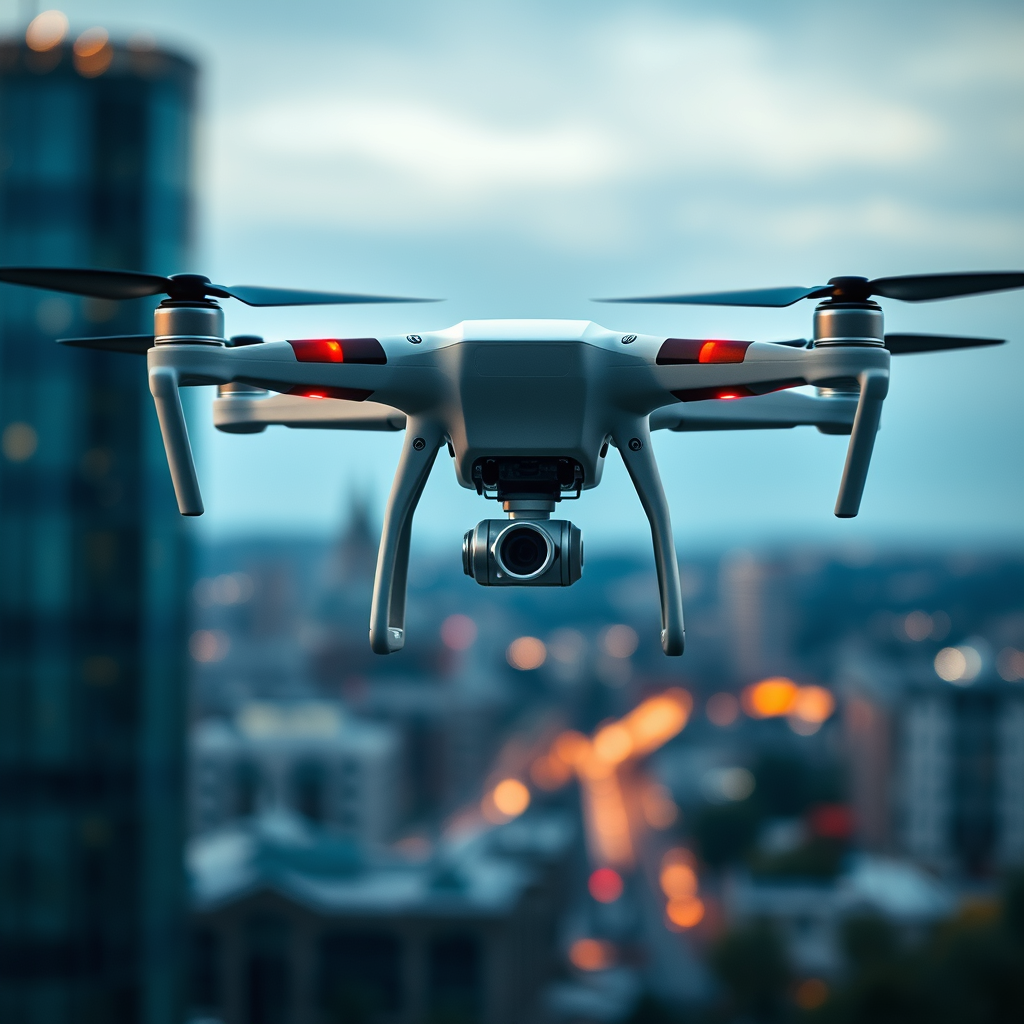
The FAA also emphasizes the importance of understanding airspace classifications, which include controlled and uncontrolled airspace. Controlled airspace is typically found around airports, where air traffic is more congested, necessitating stricter regulations. In contrast, uncontrolled airspace allows for more freedom, but operators must still observe the 400-foot altitude limit unless they have received specific authorizations or are flying within certain parameters.
Maximum Altitude for Drones
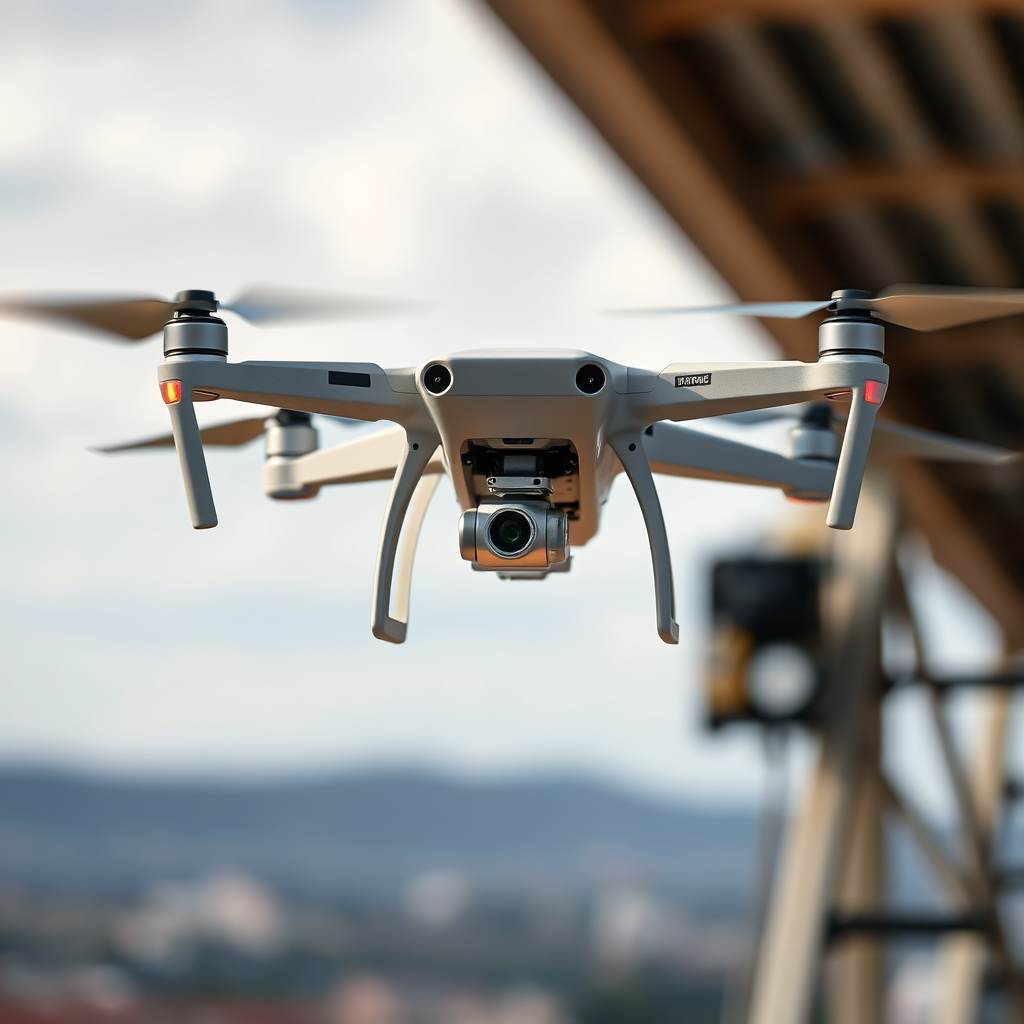
The general rule regarding drone altitude is straightforward: drones can fly up to 400 feet above ground level (AGL) without needing prior FAA authorization. This altitude serves as a safeguard against potential collisions with manned aircraft, which typically operate at higher altitudes.
However, there is an important caveat to this rule. If a drone is flying within 400 feet of a structure, it is permissible to exceed the 400-foot limit as long as the drone remains within a specific distance of that structure. This provision allows operators to capture aerial footage of tall buildings or other structures while still adhering to safety regulations.
It is essential for drone operators to be aware of their surroundings and maintain situational awareness to ensure compliance with these altitude limitations.
Special Considerations for Urban Areas
Urban environments present unique challenges and additional restrictions for drone operators. The presence of dense populations, numerous buildings, and the proximity of airports necessitate stricter regulations to ensure safety. In many cities, local ordinances may impose lower altitude limits on drone flights to further reduce the risk of accidents or disturbances.
For example, in New York City, the use of drones is heavily regulated, and flying above certain areas, such as Central Park or near commercial districts, may be strictly prohibited. Before flying in an urban area, it’s critical to check local regulations that may limit your operational ceiling or impose specific no-fly zones. Additionally, drone operators should remain vigilant about potential air traffic and be prepared to adjust their flight plans accordingly.
Temporary Flight Restrictions (TFRs)
Temporary Flight Restrictions (TFRs) are critical considerations for drone operators. TFRs can be issued for various reasons, including security concerns, special events, or emergencies, and they can significantly affect where and how high drones can operate. Areas near major airports, large public gatherings, or sensitive locations, such as government buildings, may be subject to TFRs that restrict drone access.
To avoid potential legal issues or unintentional violations, drone operators must always check for active TFRs before flying. The FAA provides updated information on TFRs through its online resources, and several mobile applications can help operators stay informed in real-time. Ignoring TFRs can result in serious repercussions, including fines and loss of flying privileges.
Beyond Visual Line of Sight (BVLOS) Operations
Flying a drone beyond the visual line of sight (BVLOS) introduces additional complexities and requires special FAA authorization. The BVLOS operations are subject to stringent regulations designed to enhance safety and mitigate risks. Generally, the FAA mandates that drone operators maintain a visual line of sight with their aircraft to ensure they can adequately monitor their flight and respond to any potential hazards.
To obtain BVLOS authorization, operators must demonstrate their ability to maintain safety and control over the drone. This may involve using advanced technologies, such as sense-and-avoid systems or ground-based surveillance, to monitor the drone’s surroundings effectively. The process for obtaining BVLOS authorization can be rigorous, and operators should thoroughly research FAA guidelines and prepare detailed operational plans to justify their request.
Consequences of Non-Compliance
The consequences of flying a drone above the legal altitude without proper authorization can be severe. Operators who violate FAA regulations may face penalties, including substantial fines and potential criminal charges. Additionally, non-compliance can lead to increased scrutiny from law enforcement and regulatory bodies, jeopardizing an operator’s ability to fly legally in the future.
Moreover, incidents involving drone crashes or accidents can result in liability claims and damage to property or individuals, further complicating matters for the drone operator. Therefore, it is vital for drone enthusiasts and professionals alike to understand the legal framework surrounding their operations and consistently adhere to established regulations to avoid unwanted consequences.
In summary, understanding the maximum altitude for drone flights without FAA authorization is crucial for safe and legal operation. It is essential to stay informed about FAA regulations, local laws, and temporary flight restrictions to ensure compliance and safety while flying your drone. By prioritizing safety and adhering to established guidelines, drone operators can enjoy the benefits of aerial technology while minimizing risks to themselves and others.
Frequently Asked Questions
What is the maximum altitude a drone can fly without FAA authorization?
In the United States, the Federal Aviation Administration (FAA) allows drones to fly up to a maximum altitude of 400 feet above ground level without requiring special authorization. However, if a drone is flown within a 400-foot radius of a building, it can reach up to 400 feet above the structure’s height. It is crucial for drone operators to adhere to these regulations to ensure safety and compliance.
How do I determine if I need FAA authorization to fly my drone higher than 400 feet?
To determine if you need FAA authorization for flying your drone higher than 400 feet, you should consider your drone’s classification and the airspace in your area. If you are flying in controlled airspace (Class B, C, D, or E) or if your drone weighs more than 55 pounds, you will need to apply for a Part 107 waiver or authorization. Additionally, using tools like the FAA’s B4UFLY app can help you check airspace restrictions and requirements before your flight.
Why is there a height limit for drone flights without FAA authorization?
The height limit of 400 feet for drone flights without FAA authorization is primarily in place to ensure the safety of manned aircraft. It helps prevent potential collisions in shared airspace and promotes safe operating practices among both commercial and recreational drone users. By adhering to these regulations, drone operators contribute to the overall safety of the national airspace system.
Which drones can fly higher than 400 feet without FAA authorization?
No drones can legally fly higher than 400 feet without FAA authorization under current FAA regulations. However, certain drones may have capabilities to reach higher altitudes, but doing so requires obtaining a waiver or special authorization from the FAA, especially in controlled airspace. Always check the specific regulations and guidelines that apply to your drone and intended flight area.
What are the consequences of flying a drone above 400 feet without FAA authorization?
Flying a drone above 400 feet without FAA authorization can lead to significant consequences, including hefty fines and potential criminal charges for violating FAA regulations. Additionally, unauthorized flights can endanger manned aircraft and pose risks to public safety. It’s essential for drone operators to familiarize themselves with regulations to avoid legal repercussions and ensure safe flying practices.
References
- https://www.faa.gov/uas/getting_started/registration
- https://www.faa.gov/uas/faq
- https://www.faa.gov/uas/resources/policies_regulations/
- https://www.faa.gov/uas/commercial_operators/
- https://en.wikipedia.org/wiki/Drone_regulation_in_the_United_States
- https://www.npr.org/2021/04/22/989364799/faa-drone-rules-what-you-need-to-know
- https://www.theguardian.com/business/2021/apr/22/faa-drone-rules-what-you-need-to-know
- https://www.techrepublic.com/article/what-you-need-to-know-about-drone-regulations-in-the-us/
