
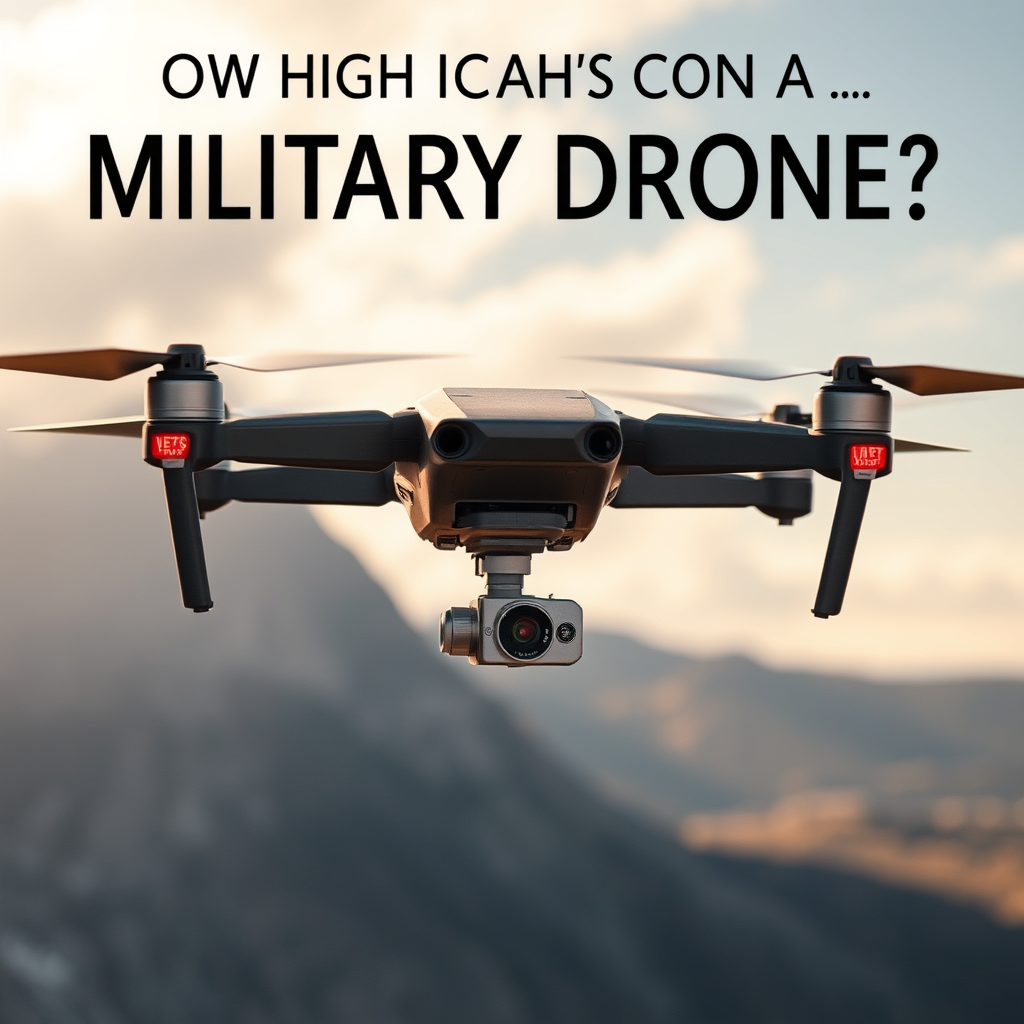
Military drones can fly at altitudes ranging from a few hundred feet to over 60,000 feet, depending on the type and purpose of the drone. The altitude capabilities of these unmanned aerial vehicles (UAVs) are influenced by various factors, including design specifications, mission requirements, and regulatory constraints. Understanding these aspects is critical for grasping the operational scope and effectiveness of military drones in modern warfare.
Types of Military Drones and Their Altitude Ranges
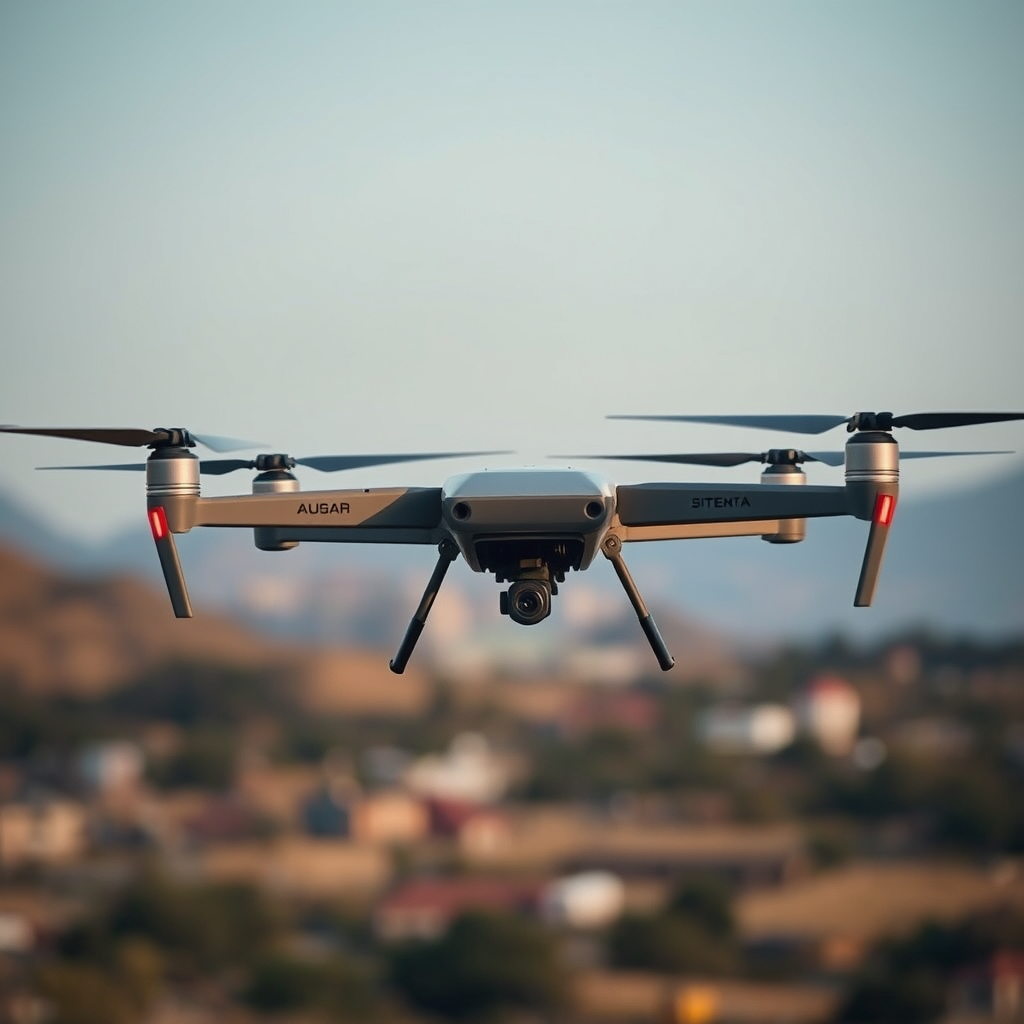
Military drones can be broadly categorized into several types, each designed for specific operational roles.
– Tactical Drones: These are often employed for battlefield surveillance, reconnaissance, and close air support. Tactical drones, such as the RQ-11 Raven and the Wasp III, typically operate at altitudes ranging from 15,000 to 25,000 feet. This altitude range allows them to remain undetected while gathering vital intelligence on enemy positions and movements.
– High-Altitude Long Endurance (HALE) Drones: In contrast, HALE drones are designed for extensive reconnaissance missions and can operate at significantly higher altitudes. The RQ-4 Global Hawk, for instance, is capable of flying at altitudes of up to 60,000 feet. This extreme altitude allows for long-range surveillance and the collection of high-resolution imagery without being easily targeted by ground-based defenses.
The variation in altitude capabilities among military drones reflects their intended usage and the technological advancements that enable such operations.
Factors Affecting Flight Altitude
Several key factors influence the maximum flight altitude of military drones, each contributing to their overall performance and mission success.
– Design Specifications: The engineering principles and materials used in the construction of drones play a crucial role in their altitude capabilities. Lightweight materials, such as carbon fiber composites, enable drones to achieve higher altitudes without compromising structural integrity. Additionally, advancements in aerodynamics allow for reduced drag, facilitating higher flight operations.
– Mission Type: The nature of the mission significantly impacts altitude decisions. For instance, reconnaissance missions may require drones to fly at higher altitudes to avoid detection by enemy radar systems. Conversely, close air support missions may necessitate lower altitudes to provide accurate targeting data. Thus, mission objectives dictate the optimal altitude for drone operations.
Notable Military Drones and Their Capabilities
Several military drones exemplify the altitude capabilities and technological advancements within this sector.
– RQ-4 Global Hawk: This high-altitude drone is renowned for its extensive surveillance capabilities, operating at altitudes up to 60,000 feet. The Global Hawk is equipped with advanced sensors that collect real-time intelligence across vast distances, making it an invaluable asset for military operations.
– MQ-9 Reaper: Another prominent UAV, the MQ-9 Reaper, operates at altitudes of approximately 50,000 feet. This drone is designed for both reconnaissance and strike missions, balancing endurance with operational effectiveness. Its high-altitude capabilities allow it to conduct surveillance while remaining outside the effective range of most ground-based threats.
These drones not only demonstrate the diverse altitude capabilities within military UAVs but also highlight the integration of advanced technology to enhance mission effectiveness.
The Role of Airspace Regulations
While military drones possess impressive altitude capabilities, they must operate within a framework of airspace regulations that can impact their operational altitude.
– Controlled Airspace: Military drones are subject to strict regulations governing their flight operations, particularly in controlled airspace, which may restrict their altitude limits. These regulations are essential for maintaining air safety and preventing conflicts with commercial air traffic.
– Coordination with Air Traffic Control: Effective communication and coordination with air traffic control are vital to ensure that military drone operations comply with national and international aviation standards. This coordination helps mitigate risks associated with altitude operations, ensuring safe integration into the broader airspace.
Understanding the regulatory framework is crucial for military planners to maximize the operational effectiveness of UAVs while adhering to safety protocols.
Emerging Technologies and Future Altitude Capabilities
The landscape of military drone technology is continuously evolving, with emerging technologies promising to enhance altitude capabilities further.
– Advancements in Propulsion: Innovations in propulsion systems, such as hybrid-electric engines, may enable drones to fly higher and more efficiently. These advancements can improve fuel efficiency and extend operational ranges, allowing for longer missions at elevated altitudes.
– Hybrid Designs: Future military drones may integrate capabilities from various aircraft types, creating hybrid designs that can operate effectively at varying altitudes. Such designs could combine the strengths of fixed-wing aircraft with the agility of rotary-wing systems, enhancing overall performance and operational versatility.
These technological advancements have the potential to redefine the altitude capabilities of military drones, enabling more complex and demanding missions.
Challenges of High-Altitude Operations
Despite the advantages of high-altitude operations, several challenges must be addressed to ensure mission success.
– Atmospheric Conditions: At higher altitudes, drones encounter thinner air and varying atmospheric conditions, which can impact their performance and control. Reduced lift and increased susceptibility to wind shear can complicate flight operations, necessitating advanced stabilization and control systems to maintain operational effectiveness.
– Detection and Countermeasures: As drones operate at higher altitudes, they may become susceptible to advanced radar systems and anti-drone technologies. Adversaries are increasingly developing countermeasures specifically designed to target high-altitude UAVs, necessitating ongoing advancements in stealth technology and electronic warfare capabilities to mitigate these threats.
Addressing these challenges is critical for maintaining the operational advantage of military drones in combat scenarios.
In conclusion, military drones exhibit a wide range of altitude capabilities, influenced by their design, mission requirements, and regulatory environment. From tactical drones operating at lower altitudes to HALE drones capable of reaching heights of 60,000 feet, each UAV serves a specific purpose within military operations. As technology continues to evolve, we can anticipate even greater advancements in drone flight capabilities, enhancing their role in modern warfare. Staying informed about these developments is essential for understanding their implications on military strategy and operational effectiveness.
Frequently Asked Questions
What is the typical operational altitude range for military drones?
The typical operational altitude for military drones varies significantly depending on the type of drone. For example, tactical drones like the RQ-11 Raven generally operate at altitudes of about 1,500 to 3,000 feet, while larger surveillance drones like the MQ-1 Predator can reach altitudes of 25,000 feet. High-altitude reconnaissance drones, such as the Global Hawk, can fly at altitudes exceeding 60,000 feet, making them suitable for long-duration surveillance missions without the risk of being intercepted by most enemy aircraft.
How does the flight altitude of military drones affect their mission capabilities?
The flight altitude of military drones directly impacts their mission capabilities, including surveillance range, sensor effectiveness, and vulnerability to threats. Higher altitudes allow drones to cover larger areas and evade ground-based threats, while lower altitudes enable better detail capture from sensors. However, lower-flying drones may require greater maneuverability and stealth to avoid detection, making altitude a critical factor in mission planning and execution.
Why do military drones have different maximum flight ceilings?
Military drones have different maximum flight ceilings due to their intended roles and design specifications. For instance, reconnaissance drones are engineered for high-altitude operations to gather intelligence from afar, while combat drones are designed for lower, tactical missions where close engagement with the target is necessary. Additionally, factors such as payload weight, engine power, and aerodynamic design influence a drone’s maximum altitude, making it essential to match the drone type with its intended mission objectives.
Which military drones can fly the highest, and what are their specifications?
The military drones that can fly the highest include the Northrop Grumman Global Hawk and the U-2 Dragon Lady. The Global Hawk can reach altitudes of around 60,000 feet, equipped with advanced sensors for long-range surveillance. The U-2, a high-altitude reconnaissance aircraft, can fly at altitudes over 70,000 feet, allowing it to conduct intelligence-gathering missions beyond the reach of most enemy defenses. These high-altitude capabilities make these drones invaluable for strategic reconnaissance.
What factors limit the altitude capabilities of military drones?
Several factors limit the altitude capabilities of military drones, including engine performance, aerodynamic design, and environmental conditions. The type of propulsion system determines how efficiently a drone can climb and maintain altitude, while the drone’s weight, including fuel and payload, affects its overall lift capacity. Additionally, adverse weather conditions, such as high winds or humidity, can impact performance and limit operational ceilings, necessitating careful planning by military operators.
References
- https://en.wikipedia.org/wiki/Military_drone
- https://www.reuters.com/technology/us-military-drones-fly-higher-than-ever-2021-09-23/
- https://www.bbc.com/news/world-us-canada-50613794
- https://www.af.mil/About-Us/Fact-Sheets/Display/Article/104516/unmanned-aircraft-systems/
- https://www.rand.org/pubs/research_reports/RR440-1.html
