
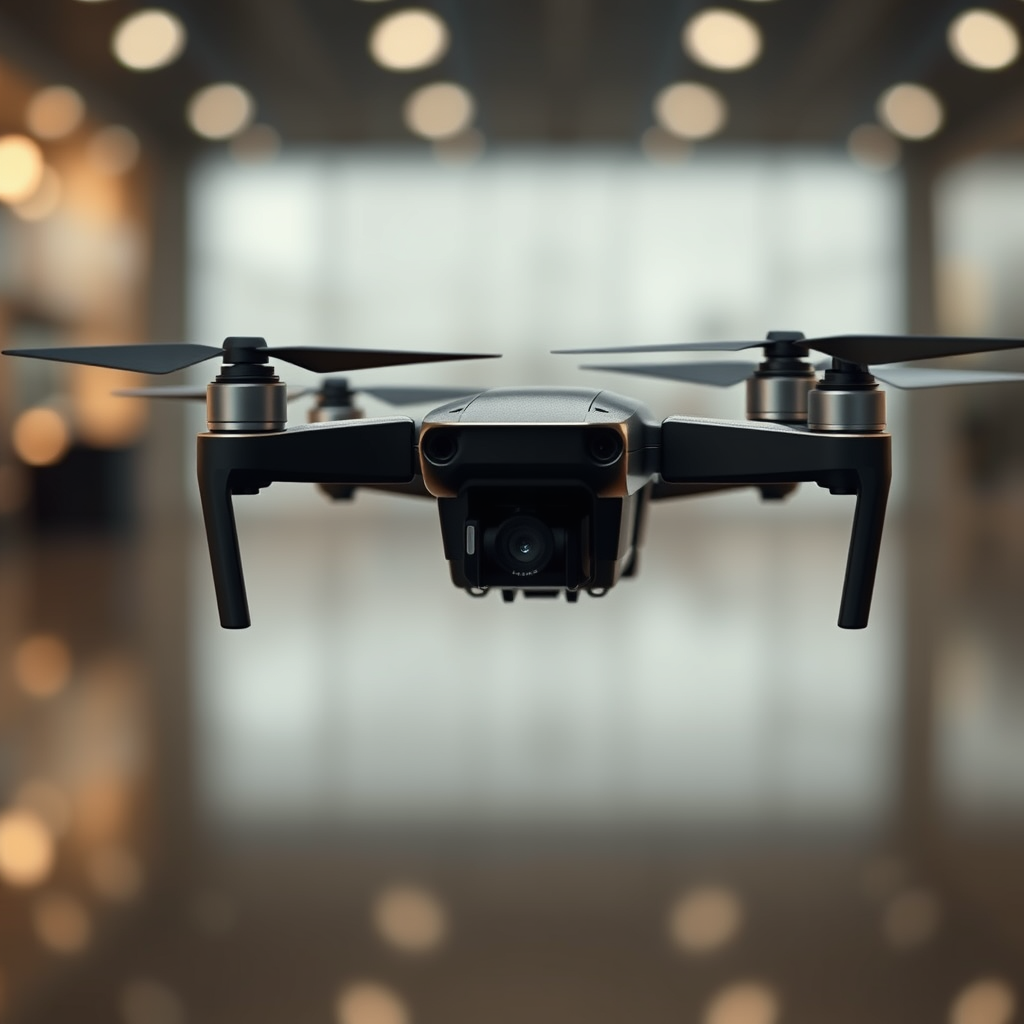
Most mini drones can fly between 100 to 400 feet, depending on their design and regulations. While advanced models may reach even higher altitudes, factors such as battery power, signal range, and local laws significantly influence their actual flying height. Understanding these limitations is essential for both hobbyists and professionals who wish to maximize their drone flying experience while adhering to safety and legal standards.
Understanding Mini Drone Specifications
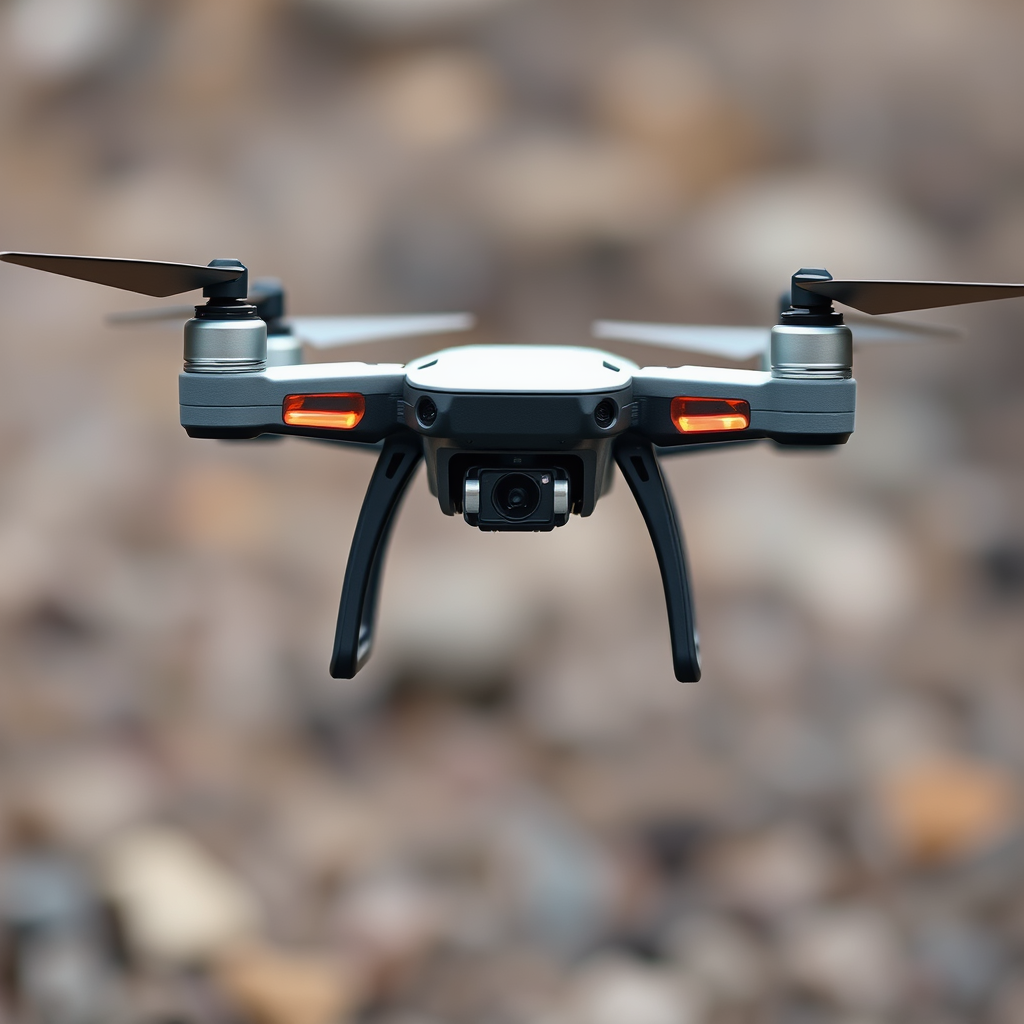
Mini drones are compact devices that vary widely in specifications, which often dictate their maximum flight altitude. Manufacturers typically provide a maximum flight altitude in the product specifications, usually ranging from 100 to 400 feet for consumer models. This altitude is influenced by the drone’s design, including its weight and size. Lighter drones often have an easier time achieving higher altitudes due to reduced gravitational pull, allowing for better lift during flight.
For example, toy drones may have a maximum altitude of around 100 feet, while professional-grade mini drones, equipped with powerful motors and advanced flight technology, can achieve heights closer to 400 feet. Additionally, factors such as the drone’s construction materials and aerodynamic design also play a significant role. A drone’s ability to slice through the air can determine how efficiently it gains altitude, which is particularly important in windy conditions.
Factors Affecting Flight Altitude
Several critical factors impact a mini drone’s flight altitude, with battery life and signal strength being the most influential. The battery capacity directly correlates with the drone’s ability to maintain altitude; as the battery depletes, the drone’s power to sustain flight diminishes. Generally, mini drones with larger battery capacities can fly higher and longer, as they have the energy needed to reach and maintain greater altitudes.
Signal strength is another vital component. The distance between the drone and its remote control affects how high the drone can fly. If the signal weakens, the drone may automatically descend to maintain a stable connection. Environments with a lot of interference, such as urban areas with numerous electronic devices or physical barriers, can hamper signal strength and thus limit altitude. To optimize flight height, pilots should strive to maintain a clear line of sight between the drone and the controller.
Regulatory Limits on Drone Altitude
Drone regulations vary significantly from country to country, but many jurisdictions impose legal altitude limits for safety reasons, often capping it at 400 feet. In the United States, for example, the Federal Aviation Administration (FAA) strictly enforces this regulation for all unmanned aerial vehicles (UAVs), including mini drones. These laws are designed to prevent interference with manned aircraft and to ensure public safety.
Understanding and adhering to these regulations is crucial for responsible drone operation. Violating altitude restrictions can result in fines or other legal repercussions. Moreover, flying beyond the legal limits can pose risks to aircraft and individuals on the ground. Thus, drone operators must stay informed about local laws, which may also include restrictions on flying in certain areas, such as near airports or crowded venues.
Types of Mini Drones and Their Altitude Capabilities
Mini drones come in various types, each designed for specific purposes, which directly affects their altitude capabilities. Toy drones, often marketed to beginners or children, typically have a limited maximum altitude, ranging between 100 to 200 feet. These drones are generally designed for indoor use or small outdoor spaces and do not possess advanced features for higher flight.
In contrast, high-end mini drones, like those produced by DJI or Parrot, are equipped with sophisticated technology that enables them to reach altitudes of 400 feet or more. These models often feature GPS stabilization, advanced sensors, and powerful motors that allow for greater altitude and flight control. For instance, the DJI Mavic Mini can easily reach altitudes up to 400 feet while providing stable flight dynamics and high-quality aerial photography capabilities.
Moreover, some mini drones are specifically designed for professional applications, such as surveying or inspection, and can be equipped with additional features that enhance their altitude capabilities. Understanding the differences between these types can help consumers select the right mini drone for their needs.
Tips for Maximizing Mini Drone Altitude
To get the most out of your mini drone’s altitude capabilities, consider the following tips:
1. Ensure Full Battery Charge: Before any flight, always confirm that your drone’s batteries are fully charged. A well-powered drone can maintain its altitude longer and more effectively.
2. Choose Open Areas: Flying in open spaces can significantly minimize interference from obstacles that can disrupt the drone’s signal. Avoid densely populated areas or locations with numerous buildings and trees.
3. Check Weather Conditions: Wind can drastically affect a drone’s ability to gain altitude. Always check the weather before flying and avoid windy conditions that could hinder flight performance.
4. Regular Maintenance: Regularly inspect your drone for any damage or wear that could impact its performance. Keeping the propellers in good condition and ensuring that all components work correctly can enhance altitude performance.
5. Update Firmware: Manufacturers often release firmware updates that improve flight performance and stability. Keeping your drone’s software up to date can ensure that you are utilizing the latest technology to maximize altitude.
Common Misconceptions About Mini Drone Flight
There are several misconceptions surrounding mini drone flight that can lead to unsafe practices. One common belief is that mini drones can fly indefinitely high, disregarding physical and legal limits. In reality, both altitude and flight time are constrained by battery life and signal strength, as previously discussed.
Additionally, many users underestimate how environmental factors, such as wind and obstacles, can affect a drone’s altitude. For instance, flying in high winds can lead to loss of control, making it challenging to maintain a desired altitude. It is important for operators to understand these limitations and to operate their drones within safe and legal parameters.
In summary, while mini drones can reach impressive altitudes, their actual flying height is influenced by various factors, including specifications, regulations, and environmental conditions. Always check your local laws and the drone’s capabilities to ensure a safe flying experience. By understanding these elements, drone operators can enjoy their flying activities responsibly and effectively.
Frequently Asked Questions
What is the maximum altitude a mini drone can fly?
The maximum altitude for mini drones varies by model, but most can typically fly between 100 to 400 feet. Factors such as drone specifications, battery life, and local regulations can also influence this altitude. It’s essential to check the manufacturer’s guidelines and comply with local aviation laws, as exceeding these limits can lead to penalties.
How does the weight of a mini drone affect its flying height?
The weight of a mini drone plays a significant role in its flying height. Lighter drones tend to have better lift capabilities, allowing them to ascend higher compared to heavier models. However, heavier drones may be more stable in windy conditions, impacting their maximum altitude. Always consider the drone’s weight alongside its power capabilities when assessing its flight altitude.
Why can some mini drones fly higher than others?
The flight altitude of mini drones varies based on several factors, including motor strength, battery power, and design technology. High-end models often feature advanced propulsion systems and efficient battery designs that enable them to reach greater heights. Additionally, some drones are engineered for specific purposes, such as aerial photography or racing, which can influence their maximum altitude capabilities.
What is the best mini drone for high-altitude flying?
When searching for the best mini drone for high-altitude flying, consider models like the DJI Mini 2 or the Holy Stone HS720. These drones are known for their robust flight capabilities, excellent stability, and advanced GPS features that allow them to reach higher altitudes safely. Always ensure that the drone you choose complies with local regulations regarding altitude limits.
Which regulations should I be aware of regarding mini drone flight altitude?
When flying mini drones, it’s crucial to adhere to the FAA regulations, which stipulate that drones must fly below 400 feet in uncontrolled airspace. Additionally, certain areas may have specific restrictions, such as near airports or populated areas. Always check local laws and regulations to ensure compliance, as failing to do so can result in fines or other penalties.
References
- https://en.wikipedia.org/wiki/Drone
- https://www.faa.gov/uas/getting_started/fly_for_fun
- https://www.nasa.gov/centers/dryden/pdf/80968.pdf
- https://www.sciencedirect.com/science/article/pii/S2351978920301920
- https://www.researchgate.net/publication/334005482_A_Review_on_the_Applications_of_Drones_in_Agriculture
- https://www.bbc.com/future/article/20200424-how-high-can-drones-fly
- https://www.theguardian.com/technology/2020/aug/10/drones-flying-height-regulations
- https://www.nist.gov/news-events/news/2021/11/drones-what-they-can-do-and-where-they-can-go
