
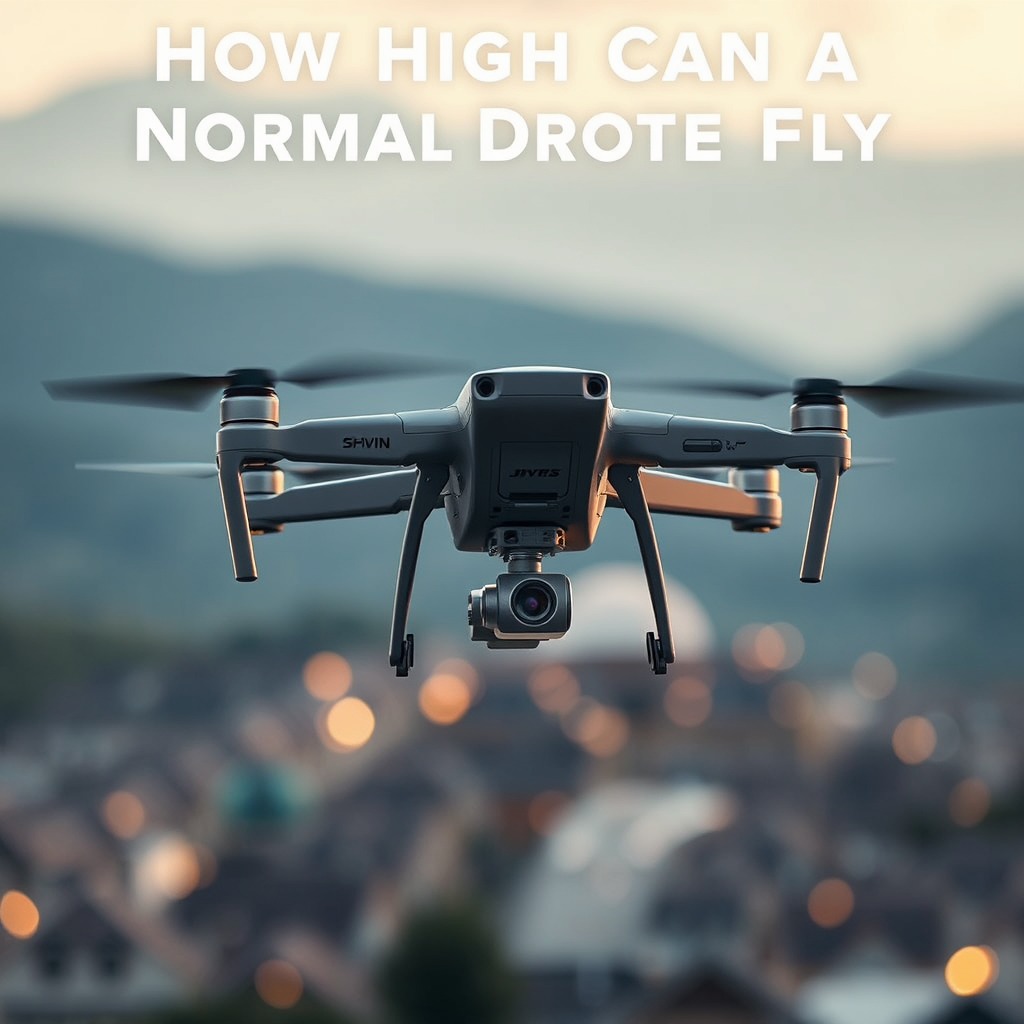
Most consumer drones can fly between 200 to 400 feet above ground level, depending on the model and local regulations. Understanding these altitude limits is essential for drone operators, as they not only ensure compliance with laws but also enhance safety and performance. This article will explore the factors that influence a drone’s maximum altitude, the regulations that govern drone flight heights, and the crucial considerations every drone operator should keep in mind.
Understanding Drone Altitude Limits
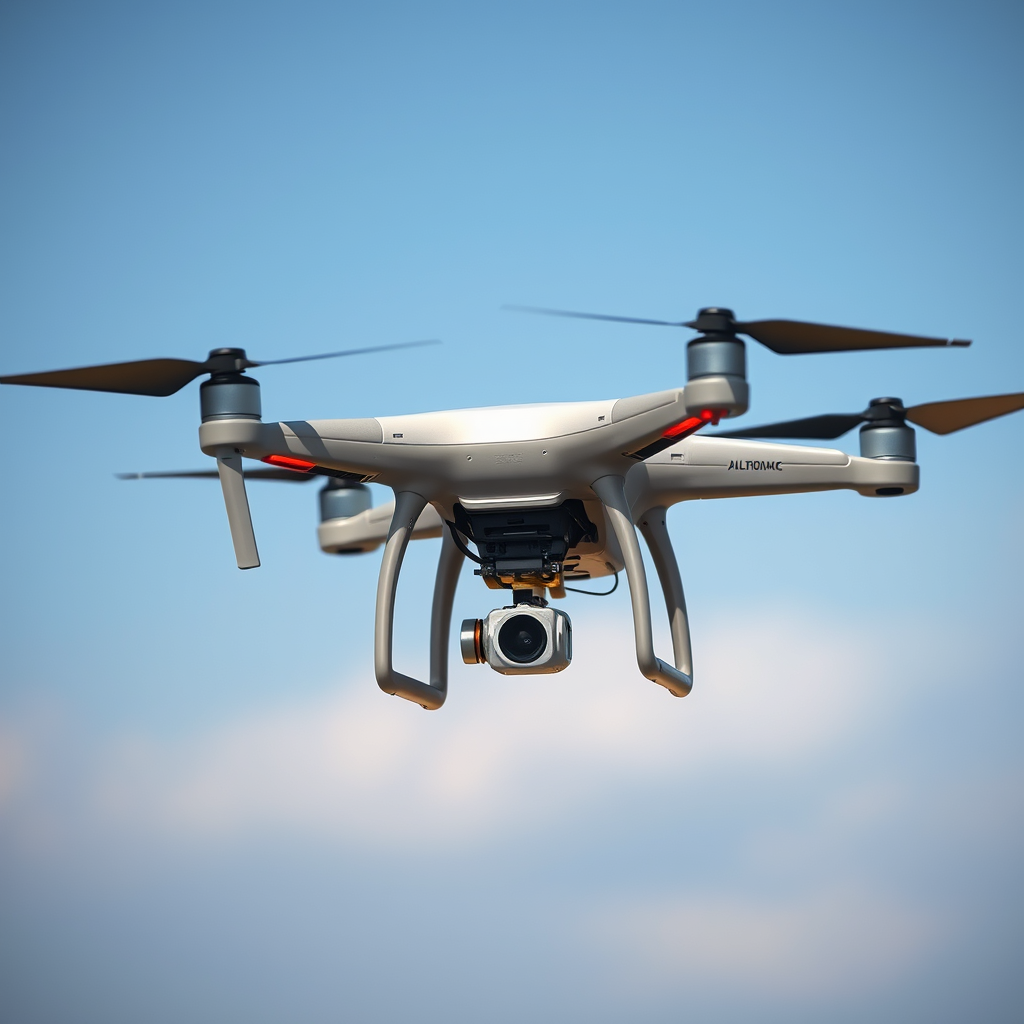
Consumer drones typically have a maximum altitude of 400 feet, a standard set by regulatory bodies such as the Federal Aviation Administration (FAA) in the United States. This height is considered safe for recreational flying, allowing users to capture stunning aerial imagery while minimizing the risk of collisions with manned aircraft. Some commercial drones, designed for specific applications like surveying or mapping, can reach higher altitudes based on their specifications and the type of operations they are intended for. For instance, certain industrial-grade drones are engineered to operate effectively at altitudes exceeding 500 feet, especially in remote or controlled environments where regulatory constraints are less stringent.
Factors Affecting Drone Flight Height
The altitude a drone can achieve is influenced by several critical factors. Firstly, the drone model and its specifications play a crucial role; each model is designed with different capabilities regarding flight height, weight capacity, and overall performance. For instance, high-end drones equipped with advanced technology and powerful motors can maintain stability and safety at greater altitudes compared to entry-level models.
Battery life is another significant factor. Generally, the higher a drone flies, the more power it consumes, which can lead to reduced flight time. A drone that can typically fly for 30 minutes may only achieve that duration at lower altitudes. Additionally, the weight of the drone, including any added accessories or payload, can also impact its flying capabilities. Heavier drones may struggle to reach their maximum altitude due to increased gravitational force, while lighter models may have a better power-to-weight ratio, allowing for improved ascent and maneuverability.
Local Regulations and Restrictions
Local regulations are crucial in determining how high a drone can legally fly. In the United States, the FAA restricts recreational drone operators to a maximum altitude of 400 feet above ground level. This regulation is designed to prevent interference with manned aircraft, particularly in shared airspace. However, it is important to note that different countries have varying laws regarding drone flight heights. For example, in Canada, drone operators must adhere to a maximum altitude of 400 feet, while in the European Union, certain variations exist depending on the drone’s classification. Therefore, it is essential for drone operators to familiarize themselves with the regulations in their respective regions before taking flight.
Safety Considerations When Flying Drones
Safety should be a top priority for any drone operator, particularly regarding altitude. It is crucial to avoid flying near airports or restricted airspaces, as this can pose significant risks to both the drone and manned aircraft. The FAA provides tools, such as the B4UFLY app, which helps operators assess whether they are in a safe flying zone.
Additionally, drone operators must be vigilant about obstacles such as trees, buildings, and power lines that can affect flight altitude and safety. Flying at a lower altitude may often be safer, as it allows for better visibility and control. Understanding the local geography and environmental conditions is essential for planning safe flights.
Enhancing Drone Performance
To maximize a drone’s performance, operators can consider several enhancements. Upgrading equipment, such as propellers, can significantly improve flight performance, offering better thrust and stability at higher altitudes. High-efficiency propellers designed for altitude flying can provide more lift, thereby extending the operational range of the drone.
Regular maintenance is equally vital. Ensuring that the drone is in optimal condition, including battery health checks and firmware updates, helps maintain performance standards. Operators should also regularly inspect the drone for any wear and tear, particularly on critical components like motors and propellers, to ensure they can operate efficiently at higher altitudes.
Future Trends in Drone Technology
The future of drone technology promises exciting advancements that may alter altitude capabilities. Ongoing research and development are focused on enhancing battery technology, which could enable drones to fly higher and for longer durations without sacrificing performance. Innovations such as solar-powered drones or energy-efficient propulsion systems may allow for safer and extended flights.
Moreover, the rise of autonomous flight technology is set to change the landscape of drone operations. Drones equipped with advanced artificial intelligence can analyze flight paths and altitudes in real-time, optimizing their journey for safety and efficiency. This could potentially allow for more complex missions that require higher flying altitudes, thereby expanding the operational envelope for various applications, from agriculture to emergency response.
In conclusion, while most normal drones can fly up to 400 feet, various factors influence this limit, including regulations and drone specifications. Understanding these aspects will help you maximize your drone’s performance while ensuring compliance with local laws. By considering the safety implications, enhancing drone capabilities, and staying informed about future trends in technology, operators can navigate the skies more effectively. As you plan your next drone flight, keep these insights in mind to ensure a successful and compliant aerial experience.
Frequently Asked Questions
What is the typical maximum altitude for consumer drones?
The maximum altitude for consumer drones typically ranges from 400 to 500 meters (approximately 1,300 to 1,600 feet) above ground level. This limit is set by aviation authorities, such as the FAA in the United States, to ensure safe operation and prevent interference with manned aircraft. Always check your drone’s specifications and local regulations to comply with altitude restrictions.
How does the weight of a drone affect its flying altitude?
The weight of a drone significantly impacts its flying altitude, as heavier drones may struggle to gain height due to increased gravitational pull. Generally, lighter drones can ascend higher because they require less lift. However, factors like battery performance, motor power, and design also play crucial roles in determining the maximum altitude a drone can achieve.
Why are there altitude restrictions for drones?
Altitude restrictions for drones are primarily in place to ensure the safety of manned aircraft and prevent mid-air collisions. Drones operating above certain altitudes can interfere with air traffic, leading to potential hazards. Regulatory bodies, such as the FAA, enforce these limits to promote safe flying practices among drone operators and maintain orderly airspace.
What is the best type of drone for flying at high altitudes?
The best type of drone for flying at high altitudes typically includes models designed for professional or specialized use, such as the DJI Matrice series or the Inspire series. These drones feature powerful motors, advanced flight stabilization systems, and high-capacity batteries, allowing them to perform well at elevated altitudes. When choosing a drone for high-altitude flights, consider factors like wind resistance, battery life, and overall build quality.
Which environmental factors can affect how high a drone can fly?
Several environmental factors can affect how high a drone can fly, including wind speed, temperature, and air density. High winds can hinder a drone’s ability to ascend, while extreme temperatures can impact battery performance and motor efficiency. Additionally, flying at higher altitudes can result in lower air density, which may reduce lift and overall drone performance. Always assess weather conditions before planning a flight to ensure optimal flying conditions.
References
- https://en.wikipedia.org/wiki/Drone
- https://www.faa.gov/uas/getting_started/part_107/
- https://www.nasa.gov/mission_pages/airborne/aircraft/drone_flight.html
- https://www.reuters.com/article/us-usa-drone-regulations-idUSKCN1VA2YI
- https://www.sciencedirect.com/science/article/pii/S2213138817306267
- https://www.theguardian.com/technology/2021/mar/01/drone-flying-height-limit-uk-licence
- https://www.bbc.com/future/article/20200527-how-high-can-drones-fly
- https://www.ncbi.nlm.nih.gov/pmc/articles/PMC7085719/
