
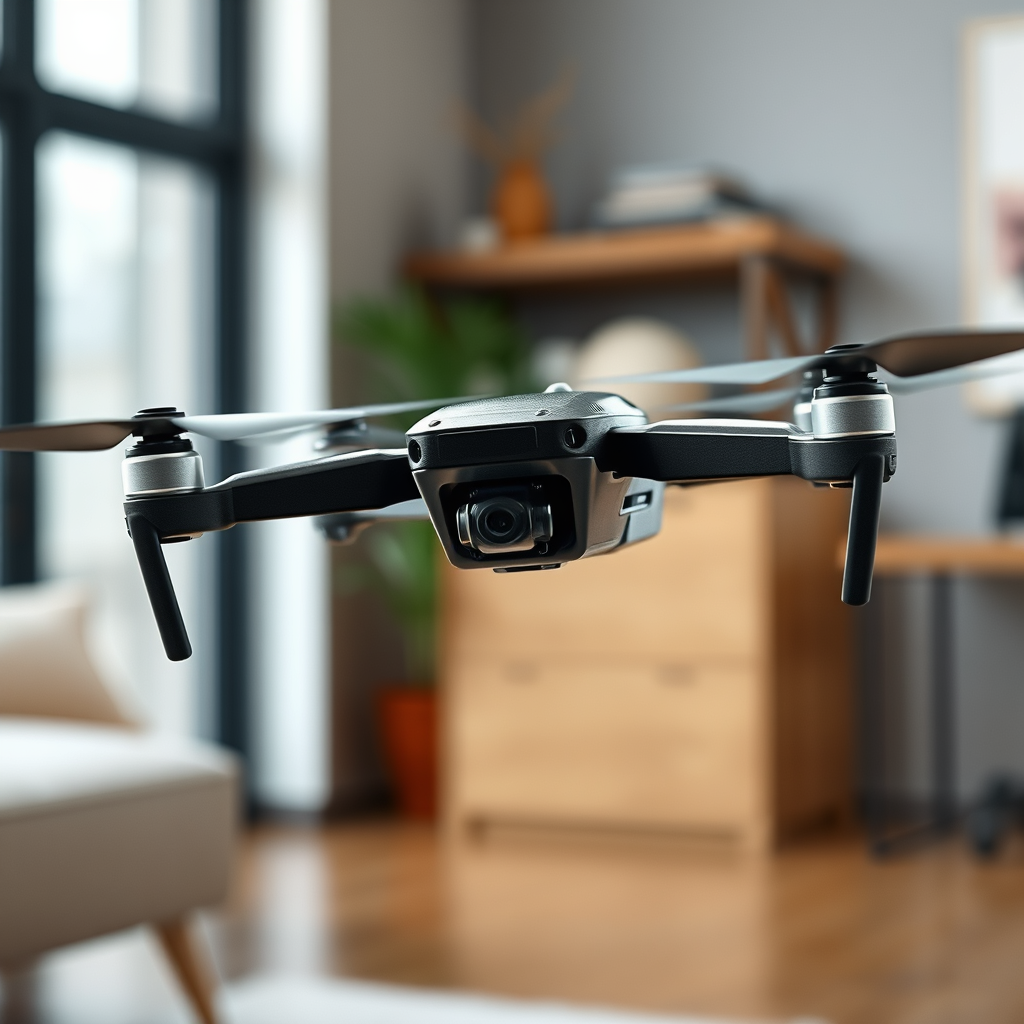
The Parrot AR Drone 2.0 can achieve impressive altitudes, flying up to approximately 165 feet (50 meters) under optimal conditions. This capability makes it a popular choice for aerial photography and recreational use. Understanding the factors that influence its flight altitude, along with its safety features and performance tips, can help users maximize their experience and ensure safe operations.
Understanding Drone Flight Limits
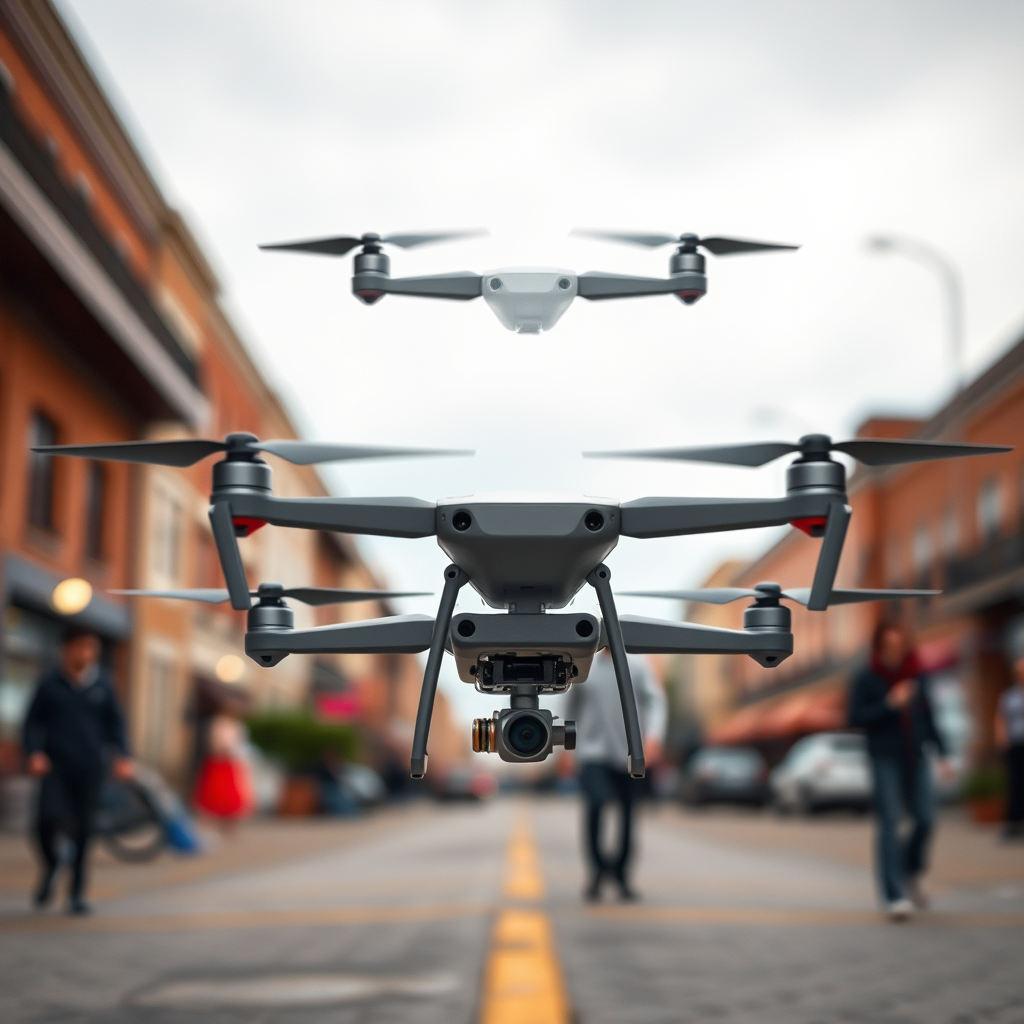
The maximum altitude of the Parrot AR Drone 2.0 is not solely determined by its engineering design but is also influenced by regulatory limits that vary by country and region. Many jurisdictions impose restrictions on drone flight heights to ensure safety for manned aircraft and protect privacy. In the United States, for instance, the Federal Aviation Administration (FAA) mandates that drones must not exceed 400 feet (120 meters) in altitude when operating near buildings. While the Parrot AR Drone 2.0 can technically fly higher, users must adhere to these regulations to avoid potential penalties.
In addition to regulations, environmental factors such as wind speed and humidity can significantly affect the drone’s flight performance. High winds can destabilize the drone, making it difficult to maintain altitude or control. Likewise, high humidity levels can impact battery efficiency and motor performance, potentially limiting the maximum height the drone can reach. Thus, understanding these limitations is crucial for drone operators looking to achieve the highest possible flight altitude safely.
Safety Features of the Parrot AR Drone 2.0
Safety is paramount when operating any drone, and the Parrot AR Drone 2.0 incorporates a range of built-in safety features to enhance user experience and protect the equipment. One key feature is its altitude limiters, which can be programmed to prevent the drone from exceeding a certain height. This is particularly useful for novice pilots who may not be fully comfortable with altitude control.
Additionally, the drone is equipped with GPS and altitude sensors, which work together to maintain stable flight. The GPS system allows the drone to lock onto its position, providing a reliable reference point for altitude and location. This technology minimizes the risk of losing control, especially when flying in unfamiliar areas. These safety mechanisms not only protect the drone from damage but also provide peace of mind for operators, allowing them to focus on capturing stunning aerial footage or enjoying the flight experience.
Factors Affecting Flight Altitude
Several factors play a crucial role in determining how high the Parrot AR Drone 2.0 can fly. One of the most significant factors is battery life. The drone’s lithium polymer battery provides a limited amount of power, which can be drained more quickly when flying at higher altitudes or in challenging conditions. As the battery depletes, the drone’s performance, including its ability to reach and maintain altitude, may diminish. Therefore, it is essential to monitor battery levels and plan flights accordingly to avoid mid-air shutdowns.
Another critical factor is the weight and payload of the drone. The more weight the drone carries—whether that be additional cameras, filters, or other accessories—the less altitude it can achieve effectively. Each drone has a specific payload capacity that should not be exceeded, as this can lead to poor performance and increased risk of crashes. Operators should carefully consider what equipment they attach to their drone and ensure it remains within the recommended weight limits to optimize flight altitude and performance.
Optimal Conditions for Maximum Altitude
To maximize the Parrot AR Drone 2.0’s altitude capabilities, it is essential to operate the drone under optimal conditions. Clear weather with minimal wind is ideal for achieving the highest flight levels. Wind can create turbulence, which may force the drone to expend extra energy to stabilize itself, thus limiting its ability to ascend. For best results, pilots should check local weather forecasts and choose days with calm conditions for their flights.
Additionally, flying at higher altitudes above sea level can impact the drone’s maximum height due to thinner air. At elevations above 5,000 feet (1,500 meters), the reduced air density can affect lift and performance, meaning the drone might not reach its full potential altitude. Operators should be aware of these environmental factors and adjust their expectations and flight plans accordingly, especially when flying in mountainous regions or elevated terrains.
Tips for Maximizing Flight Altitude
To get the most out of your Parrot AR Drone 2.0 in terms of altitude, certain practices can enhance flight performance. Firstly, ensuring the drone is fully charged before flight is crucial. A fully charged battery not only provides the necessary power for higher altitudes but also ensures longer flight times, allowing for more extended aerial exploration.
Regular maintenance checks are also vital for optimal performance. Inspecting the drone for any loose components, checking propellers for damage, and ensuring that software is up to date can prevent malfunctions that could limit altitude. Keeping the drone clean and free from debris will also help maintain its performance capabilities.
Furthermore, pilots should familiarize themselves with the drone’s settings and features. Using the drone’s app to adjust settings such as altitude limits, GPS calibration, and flight modes can greatly enhance the flying experience and ensure that the drone operates at its best.
Comparison with Other Drones
When comparing the Parrot AR Drone 2.0 to its competitors, it is essential to evaluate how it stands in terms of altitude capabilities and overall performance. Many modern drones from brands like DJI or Yuneec can achieve higher altitudes, often exceeding 1,000 feet (300 meters) under certain conditions. However, these drones may come with a higher price tag and require more advanced flying skills.
The Parrot AR Drone 2.0’s design emphasizes ease of use and safety, making it an excellent choice for beginners and hobbyists. Its altitude limiters and user-friendly controls offer a gentler learning curve, allowing users to focus on mastering their flying skills without becoming overwhelmed. In terms of features, the AR Drone 2.0 provides a solid balance of performance and accessibility, appealing to those who prioritize recreational use and casual aerial photography over professional-grade specifications.
In conclusion, the Parrot AR Drone 2.0 is capable of flying up to 165 feet, making it suitable for various aerial activities. By understanding the factors that influence its flight altitude, from environmental conditions to safety features, and applying best practices for operation, users can enhance their flying experience. Whether you are a seasoned pilot or a newcomer to the world of drones, the Parrot AR Drone 2.0 offers an exciting gateway to aerial exploration. Stay tuned for our upcoming articles, where we will delve deeper into drone technology and tips for optimizing your flying adventures.
Frequently Asked Questions
How high can a Parrot AR Drone 2.0 fly?
The Parrot AR Drone 2.0 has a maximum flight altitude of approximately 165 feet (50 meters). However, the actual height can be influenced by various factors such as battery life, environmental conditions, and local regulations regarding drone flight. It’s important to check these factors to ensure safe and legal operation.
What factors affect the flying height of the Parrot AR Drone 2.0?
Several factors can influence the flying height of the Parrot AR Drone 2.0, including battery charge, weather conditions (like wind and rain), and any obstructions in the area. Additionally, user settings and compliance with local aviation laws can limit the maximum altitude, so always familiarize yourself with regulations in your area before flying.
Why does the Parrot AR Drone 2.0 have a maximum flight altitude?
The maximum flight altitude for the Parrot AR Drone 2.0 is set to ensure the safety of both the drone and other aircraft in the vicinity. This altitude limit helps prevent collisions and ensures compliance with aviation regulations. Additionally, it protects the drone from potential hazards such as high winds and power lines, which can be more prevalent at higher elevations.
How can I increase the flying range and height of my Parrot AR Drone 2.0?
To maximize the flying range and height of your Parrot AR Drone 2.0, ensure that the drone’s firmware is up-to-date and that you are using a fully charged battery. Additionally, flying in open areas with minimal obstructions, avoiding windy conditions, and using the drone’s altitude hold feature can help you achieve better performance. Always follow local regulations to ensure safe flight practices.
Which environments are best for flying the Parrot AR Drone 2.0 at high altitudes?
The best environments for flying the Parrot AR Drone 2.0 at high altitudes are open, unobstructed areas, such as fields or parks, where there are minimal trees, buildings, and power lines. Ideal weather conditions, such as calm winds and clear skies, also contribute to better flight performance and safety. Always ensure compliance with local laws regarding altitude limits before taking off.
