
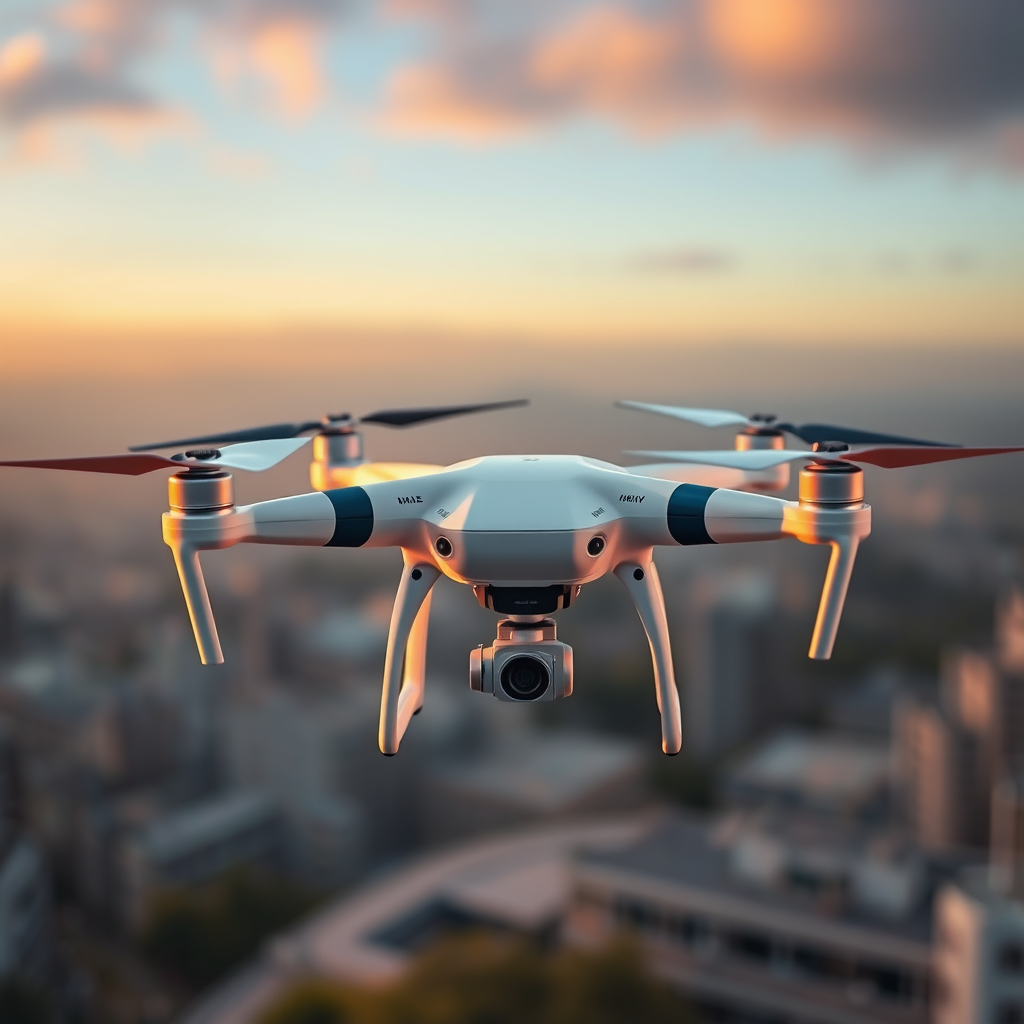
The Phantom 4 drone can fly up to 6,000 meters (approximately 19,685 feet) above sea level under optimal conditions. However, various factors can influence its actual flying altitude, including regulations, battery life, and environmental conditions. This article dives deeper into these aspects and provides additional insights into the altitude capabilities of the Phantom 4.
Understanding the Phantom 4’s Altitude Limit
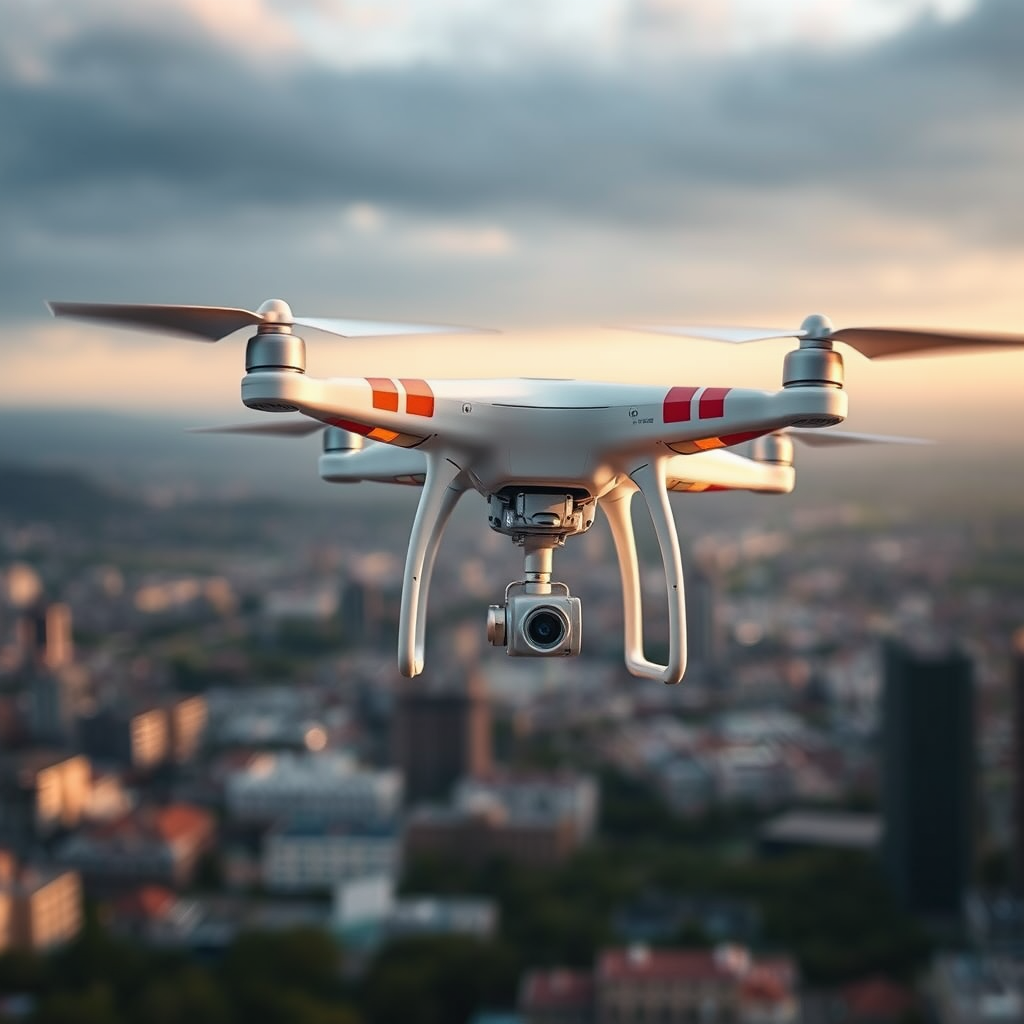
The Phantom 4 drone is engineered for impressive altitude performance, with a maximum flight ceiling of 6,000 meters in ideal conditions. This capability makes it one of the more versatile drones available in the consumer market. However, reaching such heights is not guaranteed in practice. Several factors, including the drone’s operational environment, can affect its ability to reach these altitudes. For instance, while the drone’s technology allows it to ascend to such heights, it is crucial to consider that real-world scenarios often present challenges that may limit its operational altitude. Thus, while the theoretical maximum stands at 6,000 meters, actual flight operations are typically conducted at lower altitudes, often influenced by safety and regulatory considerations.
Factors Affecting Flight Altitude
Several factors can significantly impact how high a Phantom 4 drone can fly effectively. One of the most critical factors is battery life. The Phantom 4’s battery is designed to provide approximately 28 minutes of flight time under optimal conditions, but this can vary based on how aggressively the drone is flown. Higher altitudes require more energy due to thinner air, which can lead to increased battery consumption. Consequently, operators should carefully plan their flights to ensure the battery can sustain the desired altitude and duration.
Additionally, weather conditions can influence flight performance. High winds, rain, or extreme temperatures can diminish the drone’s ability to stabilize and maintain altitude. For example, strong winds can cause the drone to drift or descend unexpectedly, making it challenging to achieve and maintain high altitudes. Operators should always check weather forecasts before planning flights, as adverse conditions can pose risks not only to altitude but also to overall safety.
Regulatory Considerations
Regulatory compliance is paramount when it comes to flying drones, including the Phantom 4. In the United States, the Federal Aviation Administration (FAA) typically limits drone flights to a maximum altitude of 400 feet above ground level for recreational and commercial operators. This regulation aims to ensure that drones do not interfere with manned aircraft operations, which typically operate at higher altitudes.
Moreover, individual states and municipalities may impose additional restrictions on drone operations. For instance, certain areas, such as near airports, military bases, or densely populated urban environments, may have even stricter altitude limits. Therefore, drone operators must not only be aware of federal regulations but also local laws that may affect where and how high they can fly their Phantom 4 drones.
Technical Specifications of the Phantom 4
The Phantom 4 is equipped with advanced technology that enhances its altitude capabilities. It features GPS and GLONASS systems, which allow for precise positioning and stable flight, even at elevated altitudes. The drone’s sensors and onboard software work together to maintain altitude and assist with navigation, making it a reliable choice for various applications.
Additionally, the Phantom 4 has a maximum ascent speed of approximately 5 meters per second. This ascent speed is crucial for a quick climb to desired altitudes, although operators should always consider battery implications when utilizing this feature. The drone’s intelligent flight modes, such as Altitude Hold and Return to Home, further contribute to its ability to maintain a steady altitude, ensuring safety and ease of operation during high-altitude flights.
Best Practices for Safe Flying
To maximize the Phantom 4’s altitude capabilities while ensuring safety and compliance, operators should adhere to several best practices. First and foremost, always check local regulations before flying. This includes understanding any altitude restrictions and airspace classifications that may apply in the area of operation.
Secondly, ensure that the drone is in optimal condition for high-altitude flights. This involves performing routine maintenance checks, including battery health assessments, propeller inspections, and software updates. Operators should also familiarize themselves with the drone’s flight features and limitations to make informed decisions during flight operations.
Finally, planning the flight route in advance can help mitigate risks associated with flying at higher altitudes. Identifying potential obstacles, such as trees, buildings, or power lines, allows operators to navigate safely and avoid accidents.
Real-World Applications of High Altitude Flights
High-altitude flights with the Phantom 4 can offer numerous practical applications across various industries. In aerial photography and surveying, higher perspectives can provide stunning visual content and more comprehensive data collection. For instance, photographers can capture breathtaking landscapes or intricate architectural details that are otherwise unobtainable from lower altitudes, enhancing the quality of their work.
Furthermore, search and rescue operations can benefit from the Phantom 4’s ability to reach higher altitudes. Drones can cover vast areas quickly, providing aerial views that can assist in locating missing persons or assessing disaster-stricken areas. This capability can significantly improve response times and the effectiveness of rescue efforts, highlighting the value of high-altitude drone flights in critical situations.
In conclusion, while the Phantom 4 drone has the capability to fly as high as 6,000 meters, practical considerations such as regulations and environmental factors typically limit its altitude in real-world scenarios. Understanding these limitations and planning accordingly can help operators maximize the drone’s potential while ensuring safety and compliance. Always prioritize safety and adhere to local regulations when planning your flights to ensure a successful and responsible flying experience.
Frequently Asked Questions
How high can a Phantom 4 drone fly safely?
The DJI Phantom 4 drone can fly safely up to a maximum altitude of 400 feet (120 meters) above ground level, as recommended by the Federal Aviation Administration (FAA) in the United States. This altitude limit is designed to prevent conflicts with manned aircraft and ensure safe drone operations. However, it’s crucial for drone pilots to always check local regulations, as some areas may have stricter altitude restrictions.
What factors can affect how high a Phantom 4 drone can fly?
Several factors can influence the maximum height a Phantom 4 drone can achieve, including battery life, weather conditions, and the drone’s weight. Wind speed and temperature can impact the drone’s performance; for example, high winds can make it difficult to maintain stability at higher altitudes. Additionally, if the drone is carrying extra weight, such as attachments or accessories, its flight performance might be compromised.
Why is there a height limit for flying a Phantom 4 drone?
The height limit for flying a Phantom 4 drone, set at 400 feet, is primarily for safety and regulatory compliance. This limit helps prevent collisions with manned aircraft, which typically fly at higher altitudes. Moreover, adhering to this limit ensures a more controlled airspace environment, reducing the risk of accidents and enhancing overall safety for both drone pilots and the public.
What is the best altitude for capturing aerial photography with a Phantom 4 drone?
The best altitude for capturing stunning aerial photography with a Phantom 4 drone typically ranges from 100 to 300 feet (30 to 90 meters). This elevation allows for optimal framing, detail, and perspective without compromising image quality. Flying at this height also helps avoid obstacles, such as trees and buildings, while still capturing expansive landscapes and interesting compositions.
Which settings should I adjust on my Phantom 4 drone for high-altitude flights?
To optimize your Phantom 4 drone for high-altitude flights, consider adjusting settings related to camera exposure and GPS stability. Set your camera to manual mode to control shutter speed and ISO for better image quality in varying light conditions. Additionally, ensuring that your GPS signal is strong before takeoff can help maintain stable flight and accurate positioning, especially at higher altitudes where signal loss may occur.
References
- https://en.wikipedia.org/wiki/Drone#Altitude
- https://www.faa.gov/uas/getting_started/part_107/
- https://www.nytimes.com/2021/06/25/technology/drone-regulations.html
- https://www.techrepublic.com/article/what-you-need-to-know-about-the-phantom-4-drone/
- https://www.sciencedirect.com/science/article/pii/S2351978920301774
- https://www.wired.com/story/dji-phantom-4-drone-review/
- https://www.theguardian.com/technology/2020/jun/08/drones-faa-regulations-what-you-need-to-know
- https://www.nasa.gov/mission_pages/technology/innovation/drones.html
