
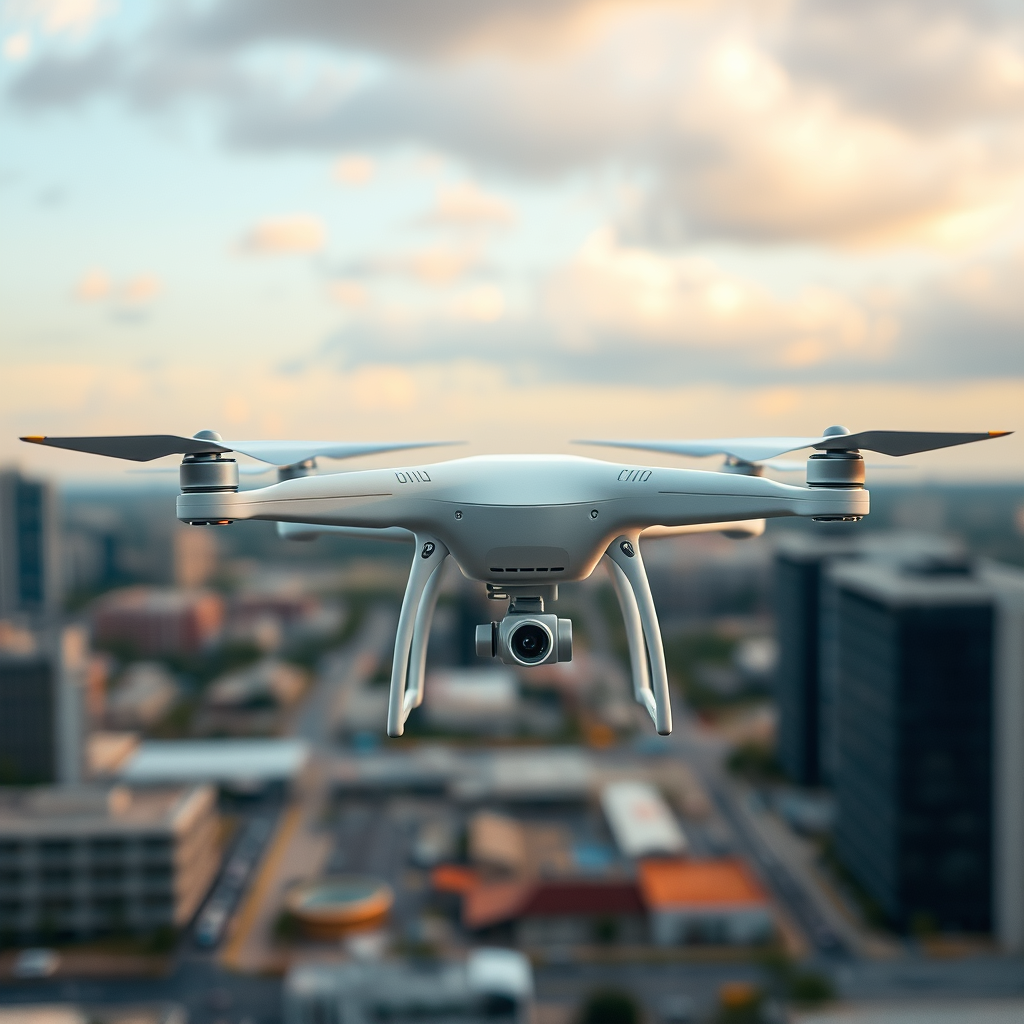
Most Phantom drones can fly to a maximum altitude of about 400 feet (120 meters) above ground level, which is a standard limit set by aviation regulations in many countries. This altitude cap is designed to ensure the safety of both drone operations and manned aircraft. However, the actual flying height can be influenced by various factors, including drone specifications, battery capacity, and environmental conditions. In this article, we will delve into the intricacies of altitude limits, the factors that influence flight height, the specifications of different Phantom models, regulatory considerations, tips for maximizing flight height, and essential safety precautions for high-altitude drone flying.
Understanding Altitude Limits
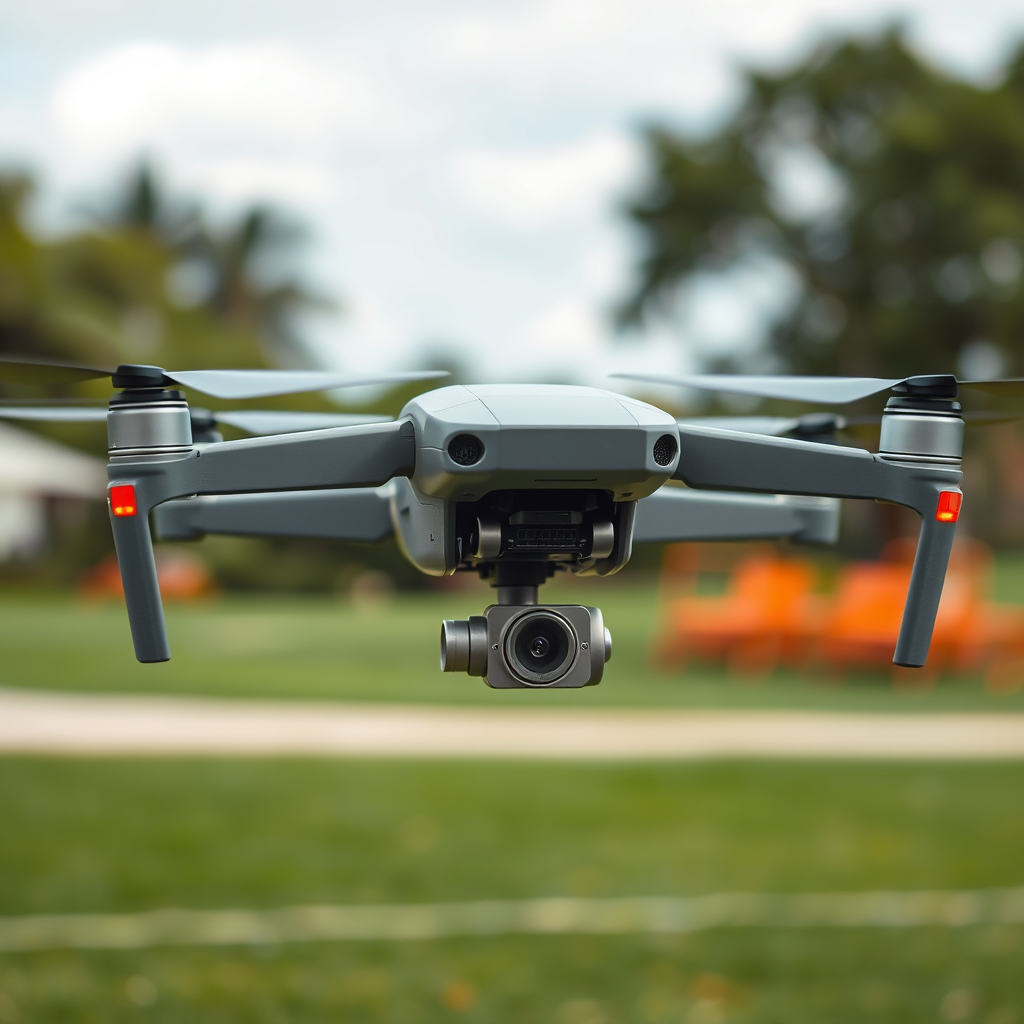
Drones are often restricted to 400 feet to avoid manned aircraft, which typically operate at altitudes above this limit. This regulation is in place to mitigate the risk of collisions and ensure a safe airspace for all users. While 400 feet is a common standard in many countries, local regulations can vary significantly. For instance, in the United States, the Federal Aviation Administration (FAA) strictly enforces this limit under Part 107 regulations. However, some countries may allow higher altitudes for specific types of operations or under certain conditions. It is crucial for drone operators to familiarize themselves with the regulations in their respective regions, as non-compliance can result in fines or legal repercussions.
Factors Influencing Flight Altitude
Several factors can influence how high a Phantom drone can ascend, beginning with battery life and weight. The higher a drone climbs, the more energy it consumes, which can lead to a shorter flight time. Additionally, the weight of the drone, including any attached accessories such as cameras or gimbals, can affect its ascent capability. Heavier drones may struggle to reach the maximum altitude, or they may do so at the cost of flight stability and battery life.
Environmental conditions also play a significant role in determining altitude stability. Wind speed and direction can impact a drone’s ability to maintain altitude, as strong gusts can lead to erratic flying behavior. Similarly, weather conditions such as rain or snow can affect both battery performance and drone stability. Understanding these factors and preparing for them can enhance the overall flying experience.
Phantom Drone Specifications
Different models within the Phantom series, such as the Phantom 4 and Phantom 3, possess varying capabilities that can affect their maximum flight altitude. The Phantom 4, for example, is equipped with advanced flight controller technology that enhances stability and altitude management. It features a more powerful battery and improved motors compared to its predecessor, which allows for longer flight times and the potential to reach higher altitudes more efficiently.
Moreover, the inclusion of smart features, such as GPS and altitude hold, plays a significant role in altitude performance. These technologies enable the drone to maintain a steady height during flight, reducing the likelihood of altitude fluctuation caused by external factors. Understanding the specifications of each model can help users choose the right drone for their intended applications, whether it be aerial photography, surveying, or recreational flying.
Regulatory Considerations
Regulatory consideration is vital for responsible drone operation. In the United States, the FAA has established clear guidelines for commercial and recreational drone use, which include a strict maximum flight altitude of 400 feet. This limit is intended to prevent drones from interfering with manned aircraft, which typically fly at higher altitudes. Operators must also be aware of airspace classifications and any temporary flight restrictions that may be in effect, such as during large events or natural disasters.
Internationally, regulations can differ widely. In some countries, drones may be allowed to fly higher under specific conditions, such as obtaining special permits or flying in designated areas. For example, in the United Kingdom, the Civil Aviation Authority (CAA) permits drone flights up to 400 feet but also allows for higher altitudes under certain circumstances. It is essential for drone operators to conduct thorough research on the regulations applicable to their location and operation type to ensure compliance and safety.
Tips for Maximizing Flight Height
To optimize flight height and ensure a successful flying experience, drone operators can implement several strategies. First and foremost, it is crucial to ensure proper calibration of the drone before flight. This includes checking the compass, GPS settings, and ensuring that the firmware is up to date. A well-calibrated drone is more likely to perform optimally and reach its maximum altitude.
Additionally, using lighter accessories can significantly enhance the drone’s performance and altitude potential. For instance, selecting lightweight camera equipment or opting for minimalistic mounts can reduce overall weight, allowing the drone to ascend more efficiently. Furthermore, pre-flight checks should include assessing battery health to ensure the drone has sufficient power for the intended altitude.
Finally, it is advisable to plan flights during favorable weather conditions. Calm winds and clear skies can greatly improve flight stability and altitude performance, allowing drone operators to reach their desired heights without compromising safety.
Safety Precautions When Flying High
When flying at high altitudes, safety should always be the top priority. One of the most critical safety precautions is to maintain visual line of sight with the drone at all times. This not only helps prevent collisions with other aircraft or obstacles but also ensures that the operator can monitor the drone’s performance and respond to any issues that may arise during flight.
Additionally, being aware of local airspace restrictions and no-fly zones is essential. Many urban areas have designated no-fly zones, such as near airports or government buildings, where drone operation is prohibited. Operators should utilize apps or online resources that provide real-time information about airspace restrictions and plan their flights accordingly.
Lastly, carrying out a pre-flight risk assessment can help identify potential hazards in the flight environment, such as nearby power lines, buildings, or wildlife. This proactive approach can help mitigate risks and contribute to a safer flying experience.
In conclusion, while the general altitude limit for Phantom drones is around 400 feet, various factors can influence actual flight height. Understanding the dynamics of altitude limits, the specifications of different Phantom models, and regulatory considerations can enhance your flying experience. By implementing tips for maximizing flight height and adhering to safety precautions, drone operators can enjoy a fulfilling and responsible aerial experience while exploring the skies.
Frequently Asked Questions
What is the maximum altitude a Phantom drone can fly?
The maximum altitude for a Phantom drone, particularly models like the DJI Phantom 4, is approximately 6,000 meters (20,000 feet) above sea level. However, it’s essential to consider local regulations, as many regions enforce a maximum flight ceiling of 400 feet (120 meters) for safety reasons. Always check and adhere to your country’s drone regulations to ensure compliance.
How does altitude affect the performance of a Phantom drone?
Altitude can significantly impact a Phantom drone’s performance, particularly in terms of battery life, signal strength, and GPS accuracy. As altitude increases, the air becomes thinner, which may affect the drone’s propeller efficiency and overall lift. Additionally, flying at higher altitudes can reduce the drone’s range due to weaker radio signals and GPS inaccuracies caused by atmospheric conditions.
Why is there a legal limit on how high Phantom drones can fly?
Legal limits on drone altitude, typically set at 400 feet (120 meters), are implemented to ensure the safety of manned aircraft and maintain airspace order. These regulations help prevent accidents between drones and airplanes, which could be disastrous. Compliance with these laws not only keeps you within legal boundaries but also promotes responsible drone usage in the community.
Which Phantom drone model can fly the highest?
While most Phantom drones have a similar maximum altitude capability, the DJI Phantom 4 Pro is noted for its advanced features and stability, making it a top choice for high-altitude flights. With its robust design and optimized flight systems, it can handle various environmental conditions, allowing for smoother operations at higher altitudes. However, always be mindful of the legal altitude limits in your area.
What should I do if my Phantom drone exceeds altitude limits?
If your Phantom drone exceeds the altitude limits, it’s crucial to immediately bring it back to a safe level to avoid potential legal issues and safety hazards. Utilize the drone’s Return-to-Home (RTH) function, if available, as it can automatically bring your drone back to a predefined altitude. Regularly monitor your drone’s altitude during flight and familiarize yourself with local regulations to ensure safe and responsible flying practices.
References
- https://en.wikipedia.org/wiki/Drone
- https://www.faa.gov/uas/getting_started/part_107/
- https://www.nytimes.com/2020/02/15/us/drone-regulations.html
- https://www.theguardian.com/technology/2021/jun/22/drones-technological-advancements
- https://www.ncbi.nlm.nih.gov/pmc/articles/PMC6541234/
- https://www.sciencedirect.com/science/article/pii/S2213138817301899
- https://www.wired.com/story/how-high-can-drones-fly/
