
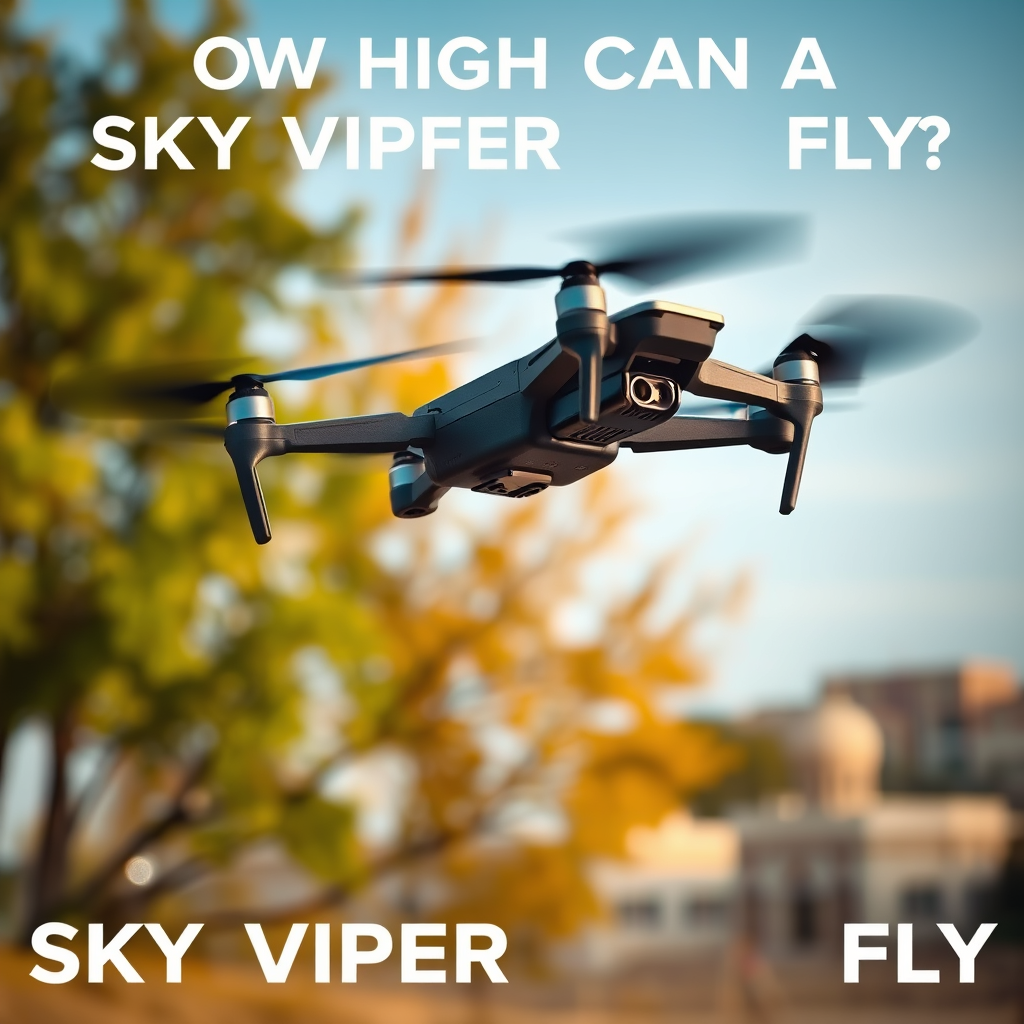
Sky Viper drones can typically fly up to 300 feet above ground level, depending on the model and local regulations. This altitude capability allows users to capture stunning aerial photography and videos, providing a unique perspective that ground-based cameras cannot achieve. However, it is essential for drone operators to remain informed about local regulations that govern drone flights, as these can restrict altitude and ensure safe operation.
Overview of Sky Viper Drone Models
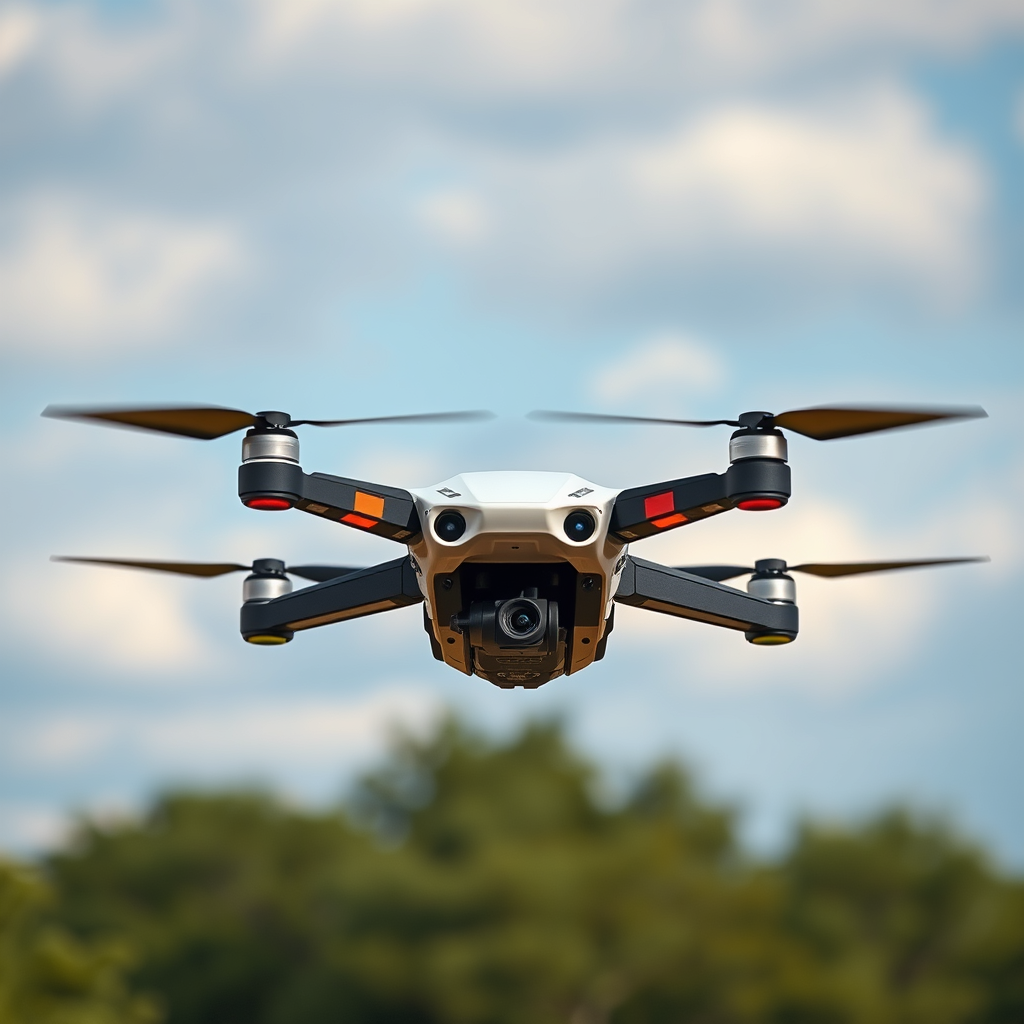
Sky Viper offers a variety of drone models, each designed with unique features and capabilities that cater to different user preferences and needs. For example, the Sky Viper V2450HD is engineered for higher altitudes and stability, making it a popular choice among aerial photography enthusiasts. This model is equipped with advanced stabilization technology, which helps maintain a steady position at elevated heights, minimizing the impact of wind and other environmental factors.
In contrast, models like the Sky Viper M400 may have lower altitude ceilings but can offer different functionalities such as enhanced agility or specific camera features. Understanding the specifications of each model is crucial for users looking to maximize their flight experience. By selecting the right Sky Viper drone, operators can ensure they are getting the most out of their investment, whether they are flying for fun, photography, or professional purposes.
Factors Affecting Flight Height
Several factors can impact how high a Sky Viper drone can fly. One of the most critical elements is battery life. The operational time of the drone directly correlates with its altitude capabilities, as higher flights typically consume more energy. Operators should monitor battery levels closely and consider carrying spare batteries for extended flights.
Environmental conditions also play a significant role in flight performance. Wind speed is a crucial factor; strong winds can destabilize a drone, making it challenging to maintain altitude and control. Similarly, temperature can affect battery efficiency and drone responsiveness. Cold weather may reduce battery life, while excessive heat can cause overheating issues. Being mindful of these conditions can help drone operators optimize their flying experience and ensure their drone operates within its capabilities.
Local Regulations and Restrictions
When flying a Sky Viper drone, it is imperative to adhere to local regulations and restrictions. Many jurisdictions impose regulations that limit drone flight to below 400 feet to prevent interference with manned aircraft and ensure public safety. These laws vary significantly from one area to another, so it is essential for drone operators to familiarize themselves with the specific regulations in their region.
Additionally, no-fly zones, such as those near airports, military bases, and other sensitive areas, must be respected. Most Sky Viper drones come with GPS functionality, which can assist in avoiding restricted areas. However, relying solely on technology is not enough; operators should conduct thorough research and, when necessary, consult local authorities to ensure compliance with all regulations before flying.
Safety Considerations for High Flights
Flying at higher altitudes comes with increased risks, making safety a top priority for drone operators. One of the primary concerns is the potential for losing signal or control as the drone ascends. Interference from tall buildings, trees, or other obstructions can lead to a loss of communication between the operator and the drone, which can result in erratic behavior or crashing. Therefore, it is recommended that users maintain a visual line of sight with their drone at all times, ensuring they can react quickly in case of any issues.
Additionally, as drones fly higher, they become more susceptible to environmental factors such as increased wind speeds and turbulence. Operators should be vigilant in monitoring weather conditions and avoid flying during inclement weather, which could compromise the drone’s stability and safety.
Tips for Maximizing Flight Altitude
To maximize the altitude capabilities of a Sky Viper drone, operators should follow several best practices. Firstly, ensure that the battery is fully charged and that all drone systems are functioning optimally. Conducting pre-flight checks is essential, including verifying that the propellers are in good condition and that the camera and stabilization systems are working correctly.
Choosing the right location for flying is equally important. Select a clear, open area that is free from obstacles such as trees, buildings, and power lines. This will not only enhance the drone’s performance but also reduce the risk of collisions. Lastly, consider flying during optimal weather conditions, such as calm days with minimal wind, to ensure a smooth ascent and stable flight.
Common Issues at High Altitudes
As Sky Viper drones reach higher altitudes, several common issues may arise. Signal interference is one of the most significant problems, as the distance between the drone and the remote controller increases. This can lead to a loss of control, necessitating careful monitoring of signal strength indicators. Operators should be prepared to lower the drone if they notice a significant drop in signal quality.
Another concern is the risk of collision with birds or other aircraft, which can be more prevalent at higher altitudes. While drones are generally small and can be less visible to larger aircraft, it is critical to remain aware of the surroundings and avoid flying in areas with heavy air traffic. Implementing a proactive approach to safety can help mitigate these risks and enhance the overall flying experience.
In conclusion, while Sky Viper drones can fly up to 300 feet, it is essential for operators to understand the various factors that influence flight performance, including model specifications, environmental conditions, and local regulations. Prioritizing safety and legal compliance is crucial for ensuring an enjoyable flying experience. By following best practices and remaining informed about potential issues, drone enthusiasts can fully leverage the capabilities of their Sky Viper drones while minimizing risks.
Frequently Asked Questions
How high can a Sky Viper drone fly?
The Sky Viper drone can typically reach altitudes of up to 200 feet, depending on the specific model and environmental conditions. Factors such as wind, battery life, and interference from nearby objects can affect its maximum flying height. Always refer to the user manual for your specific Sky Viper model to understand its capabilities fully.
What factors affect the altitude of a Sky Viper drone?
Several factors can influence how high a Sky Viper drone can fly, including battery power, weight, and environmental conditions. For example, strong winds can create instability and may prevent the drone from reaching its maximum altitude. Additionally, any added weight from accessories or payloads can decrease the altitude performance.
Why is it important to know the maximum altitude of a Sky Viper drone?
Understanding the maximum altitude of your Sky Viper drone is crucial for safe flying and compliance with local regulations. Many regions have laws that limit drone flying to specific heights, typically around 400 feet. Knowing your drone’s capabilities ensures you can operate it safely while also avoiding potential legal issues.
Which Sky Viper drone model has the highest flying capacity?
Among the Sky Viper lineup, the Sky Viper Video Drone (model V2400) is known for having a higher flying capacity compared to other models. It can reach altitudes of around 200 feet, making it suitable for both recreational and introductory aerial photography. Always check the specifications of each model to find one that meets your altitude needs.
How can I maximize the flying altitude of my Sky Viper drone?
To maximize the flying altitude of your Sky Viper drone, ensure that it is fully charged and that the battery is in good condition. Also, fly in optimal weather conditions, avoiding wind and rain, which can hinder performance. Lastly, keep the drone lightweight by minimizing added accessories, allowing for better lift and a higher flight ceiling.
References
- https://en.wikipedia.org/wiki/Drone
- https://www.faa.gov/uas/
- https://www.nasa.gov/
- https://www.reuters.com/technology/drone-technology-2021-07-29/
- https://www.techrepublic.com/article/how-high-can-drones-fly/
- https://www.sciencedirect.com/science/article/pii/S1877050919312335
- https://www.ncbi.nlm.nih.gov/pmc/articles/PMC7005403/
- https://www.aaai.org/ojs/index.php/AIIDE/article/view/12424
