
The Tello drone can fly to a maximum altitude of about 100 meters (328 feet) under optimal conditions. This impressive height enables users to capture stunning aerial photographs and engage in exploration from a unique vantage point. However, several factors—such as environmental conditions and battery life—can significantly influence the actual altitude achieved during flight. In this article, we will explore the capabilities of the Tello drone, the various factors that affect its altitude, legal regulations pertaining to drone flight, tips for maximizing performance, safety precautions, and common misconceptions surrounding drone altitude.
Understanding the Tello Drone’s Specifications
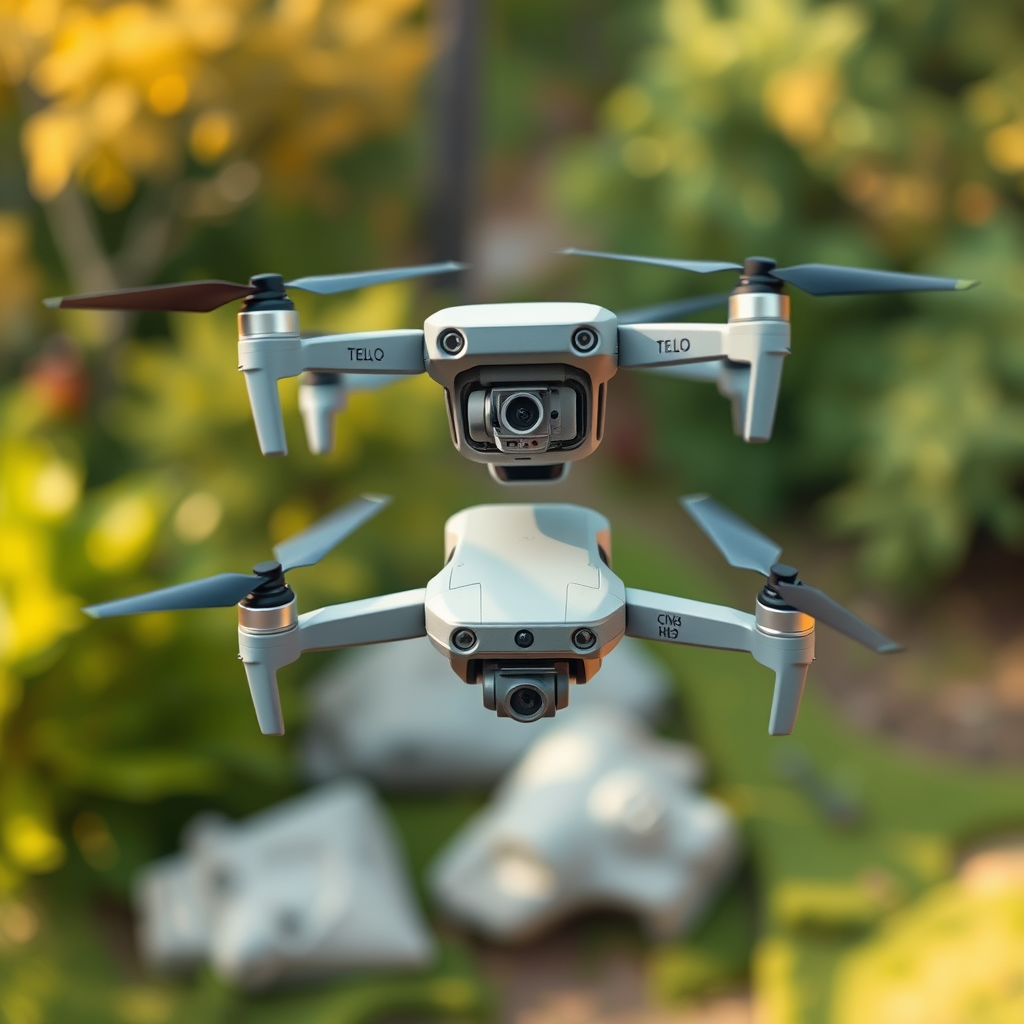
The Tello drone is designed with user-friendliness and portability in mind. Weighing just 80 grams, it is lightweight and easily transportable, making it an ideal choice for both beginners and experienced drone enthusiasts. The drone is powered by a robust flight battery, offering a maximum flight time of approximately 13 minutes. While this may seem limited, it is essential to consider that the Tello’s lightweight design and efficient power management allow for an impressive balance of flight time and performance.
Equipped with a 5MP camera capable of recording 720p HD video, the Tello drone is also suitable for capturing high-quality aerial images. The drone features a range of intelligent flight modes, including 8D flips and Throw & Go, which enhance the flying experience. It connects to your smartphone via Wi-Fi, enabling intuitive control and real-time video streaming. However, users should be aware that the altitude capability is not merely a function of the drone’s specifications but is influenced by several external factors.
Factors Affecting Altitude
Several environmental and operational factors can influence the actual altitude a Tello drone can reach. One of the most significant factors is environmental conditions. Wind speed and direction can impact the drone’s ability to ascend. On a windy day, the drone may struggle to climb to its maximum height or may be pushed off course, leading to difficulty in controlling its flight. Additionally, temperature can play a role; extremely hot or cold conditions can affect battery performance and motor efficiency, ultimately limiting altitude.
Another critical factor is battery life. The Tello drone’s performance is directly linked to its battery charge. As the battery depletes, the drone may limit its altitude to conserve energy and ensure a safe return. Lower battery levels can result in less power being available for climbing, which may prevent the drone from reaching its maximum potential height. Thus, maintaining a fully charged battery is essential for maximizing flight altitude.
Legal Regulations for Drone Flight
Before flying a Tello drone, it is crucial to be aware of the legal regulations governing drone use in your area. Different countries have varying rules regarding maximum flight altitudes for drones. In many jurisdictions, the standard maximum altitude for recreational drone flight is 120 meters (400 feet), but local regulations may impose stricter limits.
For instance, in the United States, the Federal Aviation Administration (FAA) mandates that recreational drone pilots must adhere to a maximum altitude of 400 feet above ground level. Conversely, in the United Kingdom, the Civil Aviation Authority (CAA) has specific rules that require drone operators to maintain visual line-of-sight with their drone while flying. Failure to comply with these regulations can lead to fines or legal repercussions, making it essential for operators to familiarize themselves with local laws.
Tips for Maximizing Flight Altitude
To achieve the highest possible altitude with your Tello drone, consider implementing the following tips:
1. Pre-flight Checks: Before launching, conduct thorough pre-flight checks to ensure that your drone is in optimal condition. Verify that the battery is fully charged, and inspect the propellers for any damage or debris. Ensuring that the drone’s software is updated can also enhance performance.
2. Choose Optimal Weather Conditions: Flying on a calm day with minimal wind will greatly increase your chances of reaching maximum altitude. Wind can cause turbulence, making it difficult for the drone to maintain stable flight. Check weather forecasts and aim for days with clear skies and light winds.
3. Utilize Intelligent Flight Modes: Take advantage of Tello’s intelligent flight modes to enhance flight performance. For example, using the “Throw & Go” mode allows you to launch the drone into the air directly, conserving battery life and maintaining altitude more efficiently.
4. Avoid Obstructions: When planning your flight, choose an open area free from obstacles such as trees, buildings, and power lines. This not only ensures a safer flight but also allows for a clearer ascent into the air.
Safety Precautions When Flying High
Safety should always be a top priority when operating a drone. Here are some essential safety precautions to follow when flying your Tello drone at higher altitudes:
1. Maintain Visual Line-of-Sight: Always keep your drone within your visual line-of-sight to monitor its position and movements. This is not only a legal requirement in many jurisdictions but also crucial for accident prevention.
2. Be Aware of Obstacles: Keep an eye out for potential obstacles, such as trees, buildings, and other aerial vehicles. Situational awareness is vital in ensuring the safety of your drone and those around you.
3. Avoid Flying Near Airports: Do not fly within the vicinity of airports or helipads to prevent interference with manned aircraft. Many regulations prohibit drone operations near these areas, so ensure compliance with local laws.
4. Follow Emergency Procedures: Familiarize yourself with emergency procedures, such as how to safely land the drone in case of battery depletion or loss of control. Knowing how to respond quickly can mitigate risks and prevent accidents.
Common Misconceptions About Drone Altitude
Despite the Tello drone’s impressive specifications, many users harbor misconceptions regarding its altitude capabilities. One common belief is that the Tello can easily exceed its maximum height without consequences. However, pushing the drone beyond its specified limits can lead to issues such as loss of control, crashes, or even permanent damage to the drone’s components.
Additionally, some users may underestimate the impact of environmental factors on flight altitude. It is essential to understand that variables such as wind, temperature, and battery life can significantly affect the drone’s performance. Recognizing and respecting these limitations is crucial for safe and effective drone operation.
In summary, while the Tello drone can reach heights of up to 100 meters, various factors can influence this limit. By understanding its specifications, adhering to legal regulations, and following safety tips, you can optimize your drone flying experience. Always remember to operate responsibly and stay informed about local drone laws to ensure a safe and enjoyable flying experience.
Frequently Asked Questions
What is the maximum altitude a Tello drone can reach?
The maximum altitude a Tello drone can reach is approximately 100 meters (about 328 feet) above ground level. However, local regulations and restrictions may limit how high you can fly, so it’s essential to check the legal flying altitude in your area before launching your drone for safe and compliant operation.
How does the altitude limit of the Tello drone compare to other drones?
Compared to many consumer drones, the Tello drone has a relatively low altitude limit of 100 meters. In contrast, many mid-range and high-end drones can soar up to 400 meters (about 1,312 feet) or more. This makes the Tello a suitable choice for indoor flying and beginner pilots, but those looking for higher altitude capabilities might consider other models.
Why does the Tello drone have an altitude restriction?
The altitude restriction for the Tello drone is primarily due to safety and regulatory compliance. Drones are subject to aviation laws that aim to prevent interference with manned aircraft and ensure safe flying practices. The Tello’s limit helps novice pilots avoid potentially dangerous situations while still allowing for enjoyable aerial photography and videography.
What factors can affect how high a Tello drone can fly?
Several factors can affect the Tello drone’s flying altitude, including battery life, environmental conditions, and GPS signal strength. For instance, strong winds or poor signal reception can limit its ability to maintain altitude. Additionally, the battery’s charge level can impact performance; as the battery depletes, the drone may not reach its maximum altitude.
Which settings should I adjust for optimal altitude flying with a Tello drone?
To achieve optimal altitude flying with your Tello drone, ensure that you are flying in a clear, open area with minimal obstacles and strong GPS signal for stability. Additionally, use the Tello app to adjust flight settings like altitude limits and flight modes. For enhanced control, consider switching to the “Altitude Hold” mode, which helps maintain a steady height during your flight.
References
- https://en.wikipedia.org/wiki/Parrot_Drone#Specifications
- https://www.droneblog.com/2019/01/11/dji-tello-drone-review/
- https://www.faa.gov/uas/getting_started/
- https://www.suasnews.com/2018/02/dji-tello-review/
- https://www.researchgate.net/publication/332828592_An_Overview_of_the_Applications_of_Drones_in_Science_and_Conservation
- https://www.dronepilotgroundschool.com/tello-drone-review/
- https://www.nasa.gov/feature/nasa-s-drones-are-ready-for-their-close-up
- https://www.wired.com/story/dji-tello-review/
