
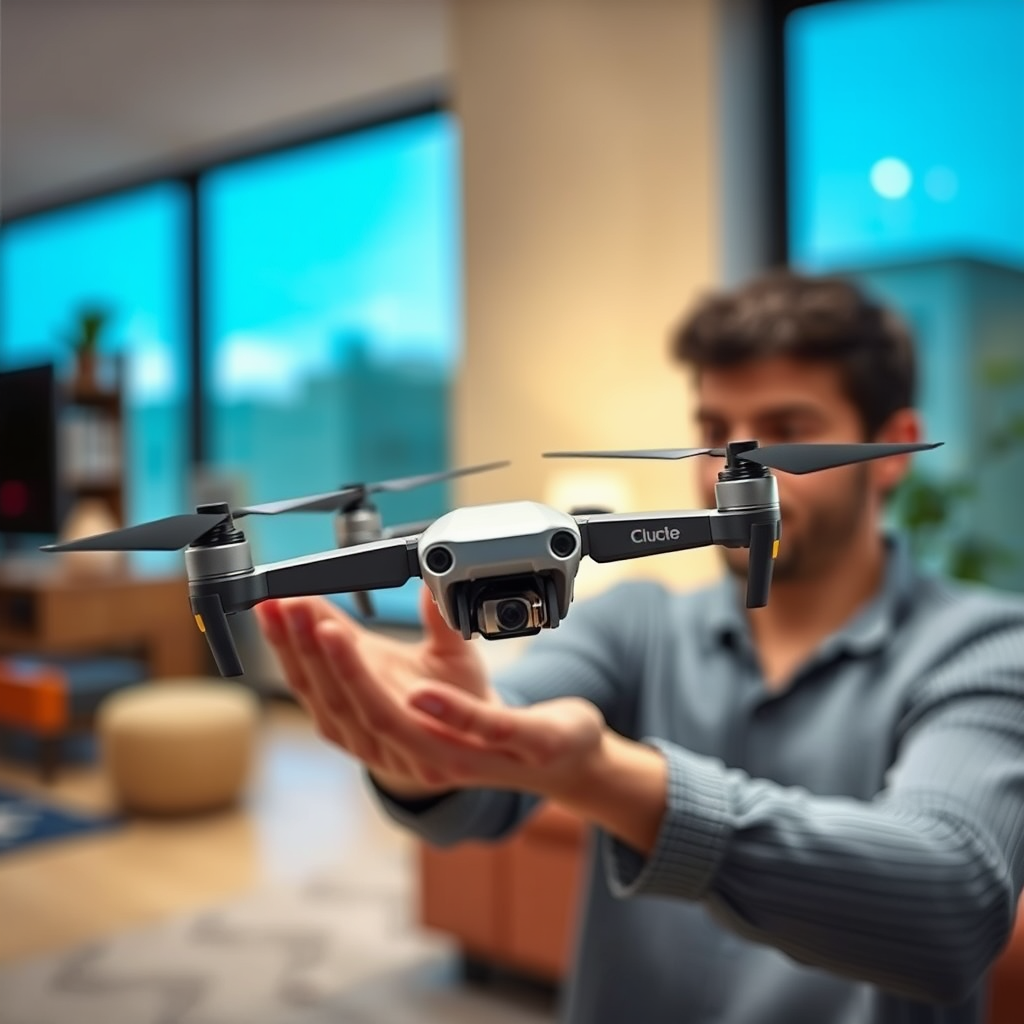
The Tello drone can fly up to a maximum altitude of approximately 100 meters (328 feet) under optimal conditions. This height not only allows for stunning aerial photography but also makes it an excellent tool for exploring various environments from a bird’s-eye view. In this article, we will delve deeper into the Tello’s flying capabilities, examine the factors that may affect its altitude, and provide tips for maximizing your flying experience.
Understanding the Tello Drone’s Specifications
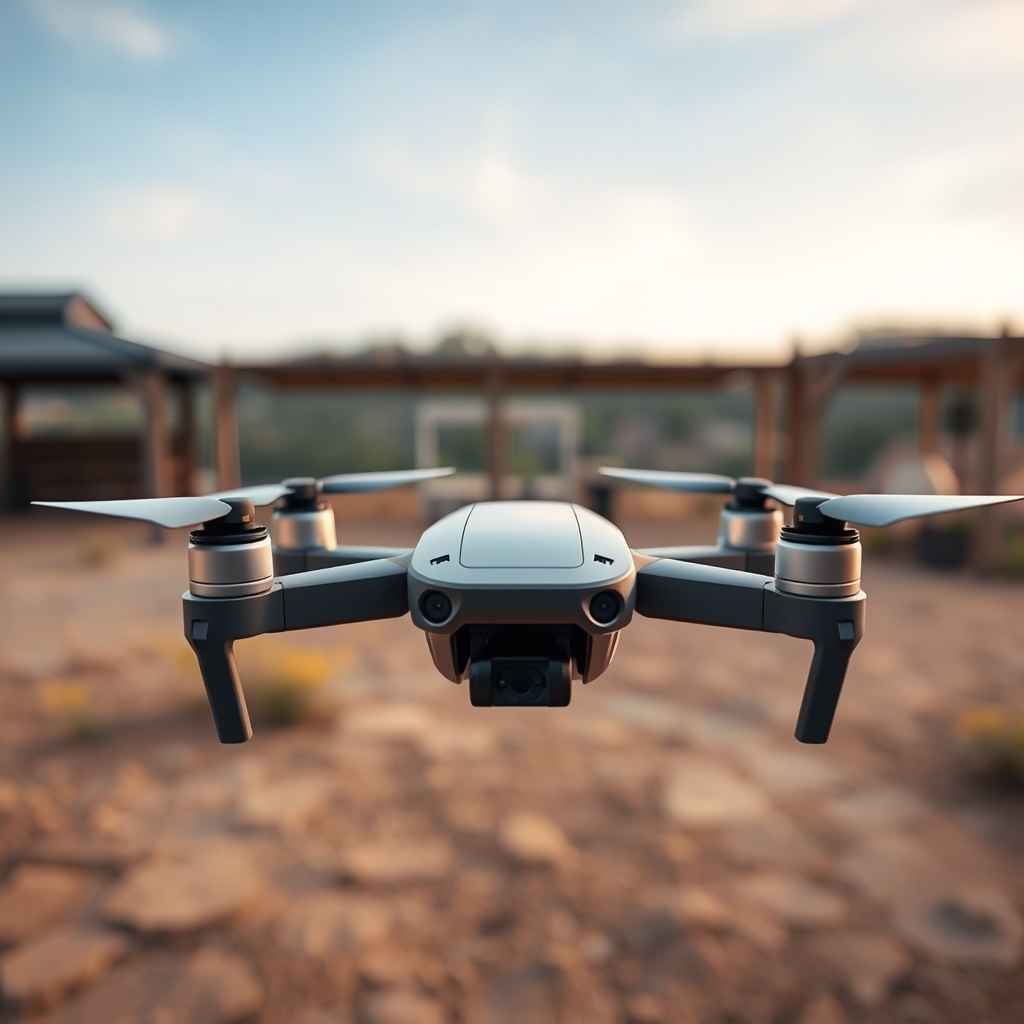
The Tello drone is designed with a lightweight and compact structure, weighing in at just 80 grams (2.8 ounces). This makes it exceptionally easy to handle, especially for beginners who may be intimidated by larger drones. Its design is equipped with a powerful flight system that offers stability and precision, allowing pilots to execute complex maneuvers with ease.
In terms of performance, the Tello drone boasts a flight time of approximately 13 minutes on a single charge, which is quite impressive for a drone of its size. However, this limited battery life can directly affect altitude capabilities during longer flights. As the battery drains, the drone may automatically limit its altitude to conserve power, making it crucial for pilots to monitor battery levels closely. Understanding these specifications can help users prepare for their flights and maximize the Tello’s potential.
Factors Influencing Flight Altitude
Several external factors can significantly influence the altitude at which a Tello drone can operate. Weather conditions are one of the most critical aspects to consider. For instance, strong winds can destabilize the drone, making it challenging to maintain a consistent altitude. Ideally, pilots should fly in calm weather with minimal wind speeds to achieve the maximum altitude.
Temperature also plays a vital role; flying in colder conditions can impact battery performance, which, in turn, can limit altitude. The Tello’s battery is optimized for a specific temperature range, and extreme heat or cold can reduce its efficiency.
Additionally, battery life significantly affects the maximum altitude achievable. As the battery level decreases, the Tello may restrict its altitude to ensure a safe return. Pilots should always ensure that the battery is fully charged before flying and should return to land well before the battery reaches a critically low level.
Safety Regulations for Drone Flying
Before taking flight, it is essential for drone operators to familiarize themselves with local regulations governing drone usage. Many regions have specific rules regarding the maximum allowable flight heights, often set at or below 120 meters (394 feet) to ensure safety. Adhering to these regulations not only promotes responsible drone usage but also helps avoid potential fines or legal issues.
Moreover, maintaining visual line of sight with the drone is crucial for safe operation. This means that the pilot should always be able to see the drone without the aid of binoculars or other devices. Keeping the drone within sight minimizes the risk of collisions with obstacles or other aircraft and allows for better control during flight.
Tips for Maximizing Flight Height
To maximize the altitude of your Tello drone, consider the following tips:
1. Choose the Right Location: Flying in a clear, open area free from trees, buildings, and other obstacles enhances flying conditions and allows for safer ascents. Urban environments can present challenges due to interference and obstacles that could hinder altitude.
2. Check Weather Conditions: Before flying, always check the weather forecast. Ideal conditions are mild temperatures with low wind speeds. Avoid flying during windy days, as this can impede your drone’s ability to reach its maximum height.
3. Firmware Updates: Regularly check for and install firmware updates for your Tello drone. Keeping the software up to date ensures optimal performance, which can enhance flight stability and altitude capabilities.
4. Battery Management: Always start your flight with a fully charged battery and consider carrying spare batteries for extended aerial adventures. Monitor battery levels throughout the flight to avoid altitude restrictions due to low power.
Troubleshooting Common Flight Issues
Understanding how to troubleshoot common flight issues can significantly enhance your flying experience. Environmental factors such as wind and temperature can affect the Tello’s altitude and stability. If you notice that your drone is struggling to maintain altitude, consider bringing it down to a lower elevation to combat strong winds or adverse conditions.
Additionally, regularly checking the health of your battery is critical. A weak or damaged battery can lead to performance issues, including limited altitude. Periodically inspect the battery for any signs of wear or damage, and replace it if necessary. Proper maintenance, including cleaning the drone’s propellers and ensuring that all components are functioning correctly, can also prevent altitude loss.
Enhancing Your Tello Drone Experience
To fully enjoy your Tello drone, consider experimenting with its various flying modes. The Tello offers several pre-programmed flight modes, including 8D flips and bounce mode, which can add excitement to your flying sessions. These features allow you to explore the drone’s capabilities and improve your piloting skills.
Joining online communities or forums can also enhance your experience. Engaging with other Tello users provides valuable insights, tips, and shared experiences that can help you become a more proficient pilot. Many forums also offer troubleshooting advice and recommendations for accessories that can improve your flying experience.
In conclusion, while the Tello drone can reach impressive heights, various factors can influence its performance. Understanding the drone’s specifications, weather conditions, battery management, and local regulations is crucial for maximizing altitude. By following best practices and engaging with the Tello community, you can enhance your flying experience and make the most of your Tello drone. Happy flying!
Frequently Asked Questions
How high can the Tello drone fly?
The Tello drone has a maximum altitude limit of 100 meters (approximately 328 feet). However, this height can be affected by environmental factors such as wind conditions and the drone’s battery life. It’s important to note that flying at maximum altitude may also require adherence to local regulations regarding drone flight.
What factors can affect the Tello drone’s maximum flight height?
Several factors can impact the Tello drone’s maximum flight height, including battery charge, weather conditions, and signal strength. Windy conditions can make it difficult for the drone to maintain stability at higher altitudes, while low battery levels may limit the drone’s ability to reach its full potential height. Additionally, areas with high electromagnetic interference can disrupt the drone’s communication with its controller, affecting its performance.
Why is the Tello drone limited to a maximum altitude of 100 meters?
The Tello drone is designed for beginner and casual users, and the 100-meter altitude limit helps ensure safe and responsible flying. This restriction reduces the likelihood of accidents and makes it easier for users to maintain visual contact with the drone, which is crucial for safety. Additionally, adhering to this altitude limit aligns with many drone regulations set by aviation authorities.
What is the best way to fly the Tello drone to reach its maximum height?
To successfully reach the Tello drone’s maximum height of 100 meters, ensure that the drone is fully charged, and fly in calm weather conditions with minimal wind. Take off in an open area away from obstacles, and gradually ascend to maintain stability. Using the Tello app can also help monitor battery life and altitude, ensuring a safe and enjoyable flying experience.
Which regulations should I be aware of when flying the Tello drone at high altitudes?
When flying the Tello drone, it’s essential to adhere to local regulations regarding drone operation, which often include altitude restrictions, no-fly zones, and requirements for visual line-of-sight operation. In many countries, flying a drone above 120 meters (400 feet) requires special permits or adherence to specific guidelines set by aviation authorities. Always check your local laws to ensure compliance and safe flying practices.
References
- https://en.wikipedia.org/wiki/Parrot_Drone#Specifications
- https://www.faa.gov/uas/getting_started/fly_my_drone
- https://www.droneanalyst.com/what-you-need-to-know-about-drone-altitude-limits/
- https://www.ncbi.nlm.nih.gov/pmc/articles/PMC7316601/
- https://www.techradar.com/news/the-best-drones-2020
- https://www.researchgate.net/publication/323578782_Optimal_flight_altitude_for_drones
- https://www.dronesglobe.com/what-is-the-altitude-limit-for-drones/
