
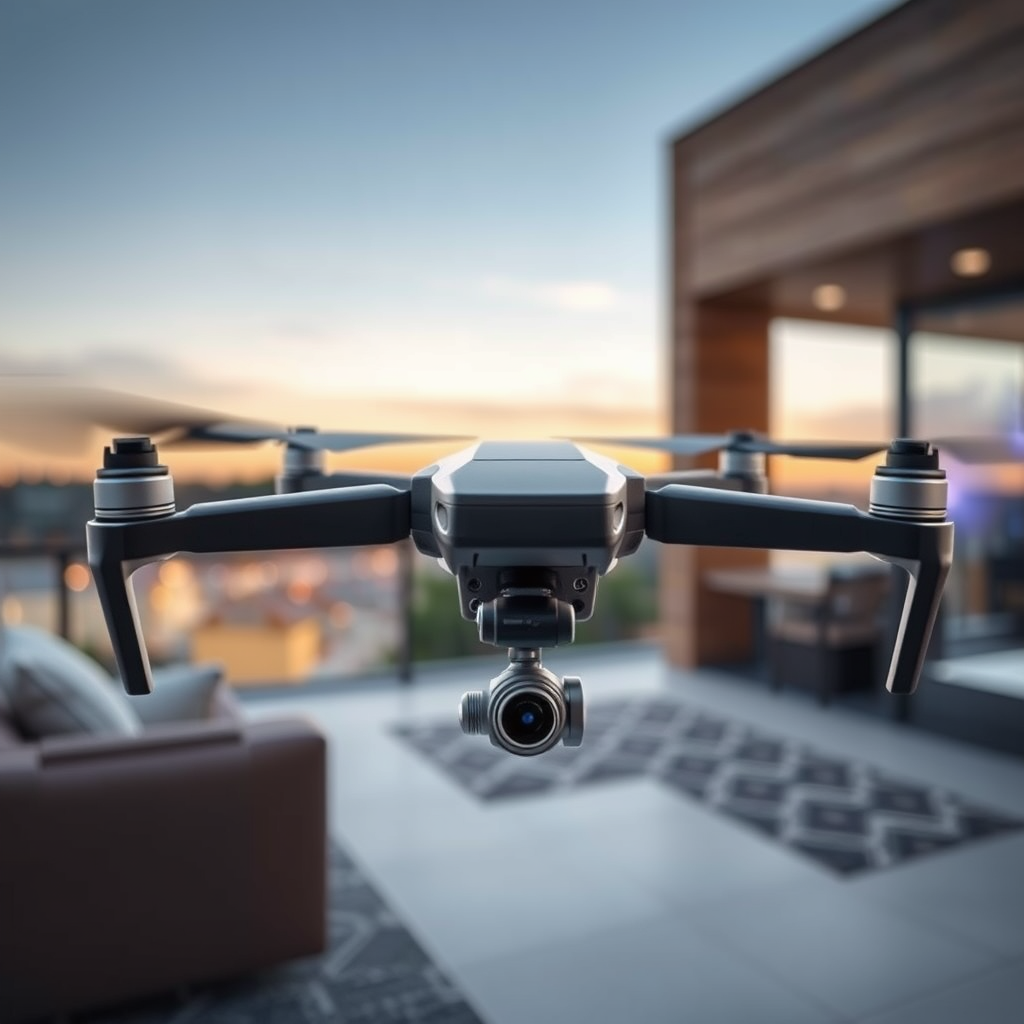
DJI drones can typically fly up to 400 feet (120 meters) above ground level, according to the regulations set by the FAA. However, the maximum altitude varies depending on the specific model, local regulations, and environmental factors. Understanding these nuances is essential for both recreational and commercial drone pilots, as it can affect flight planning, safety, and compliance with aviation regulations. In this article, we will explore the maximum flight altitudes for different DJI drone models, the factors that influence flight height, and the regulations that govern drone operations.
Maximum Flight Altitude by Model
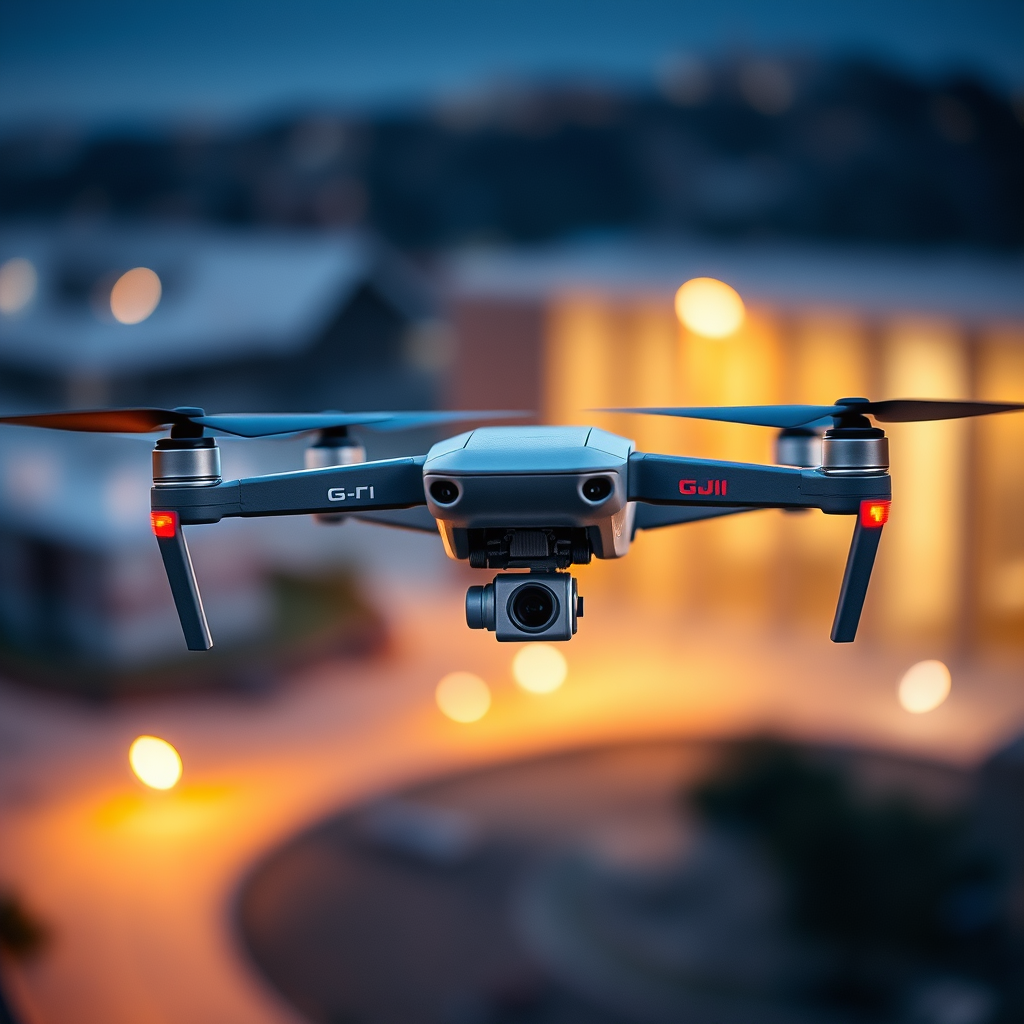
When it comes to maximum flight altitude, different models of DJI drones exhibit varying capabilities.
– DJI Mavic Series: Most models in the Mavic series, including the Mavic 2 Pro and Mavic Air 2, can reach altitudes of up to 4,000 meters (13,123 feet) in ideal conditions. This high ceiling allows for exceptional aerial photography, surveying, and other applications that benefit from altitude. However, it’s important to note that the practical flying altitude is usually limited to 400 feet when operating in the U.S. due to FAA regulations.
– DJI Phantom Series: The Phantom series, including the Phantom 4 Pro and Phantom 4 RTK, has a standard maximum altitude of around 500 meters (1,640 feet). While this capability allows for expansive aerial views and data collection, pilots must still adhere to local regulations that often restrict flight to lower altitudes, particularly in populated areas.
Understanding the specifications of each model is crucial for any drone operator, as it allows them to leverage the full potential of their equipment while remaining compliant with regulations.
Factors Affecting Flight Altitude
Several factors can impact the ability of a DJI drone to reach its maximum flight altitude:
– Environmental Conditions: Weather plays a significant role in drone performance. High winds can make it challenging to maintain stable flight at elevated altitudes, while air density, which varies with temperature and humidity, can also affect lift. For instance, flying in warmer conditions can reduce air density, making it harder for the drone to ascend to higher altitudes. Pilots should always assess weather conditions before flying to ensure safety and optimal performance.
– Battery Life: The drone’s battery life is another critical factor. A low battery can limit the drone’s ability to ascend or maintain altitude, as the drone’s systems prioritize safe landing over further ascent. For this reason, it is advisable to monitor battery levels closely and plan flights to include a safe return to the ground well before the battery is depleted.
Understanding these factors can help pilots optimize their drone operations and ensure safe and effective flights.
Regulatory Limitations
Adhering to regulatory limitations is paramount for drone operators:
– FAA Rules: In the United States, the Federal Aviation Administration (FAA) restricts drone flights to a maximum altitude of 400 feet above ground level without special permission. This regulation aims to ensure the safety of manned aircraft and prevent collisions. Pilots must also operate their drones within visual line-of-sight (VLOS) and avoid restricted airspace.
– Local Regulations: Beyond FAA rules, other countries and regions may have their own altitude restrictions that must be adhered to. For example, in the United Kingdom, the Civil Aviation Authority (CAA) has similar altitude restrictions, but there may be additional requirements for certain areas, like urban environments or near airports. It is essential for drone pilots to be familiar with local regulations before flying to avoid legal repercussions and ensure public safety.
Compliance with these regulations not only protects the pilot but also ensures the safety of others in the airspace.
Safety Considerations
Safety should always be a priority when flying drones at any altitude:
– Avoiding Obstacles: Higher altitudes can increase the risk of colliding with buildings, trees, or other aerial vehicles. Pilots should maintain situational awareness and utilize their drone’s obstacle detection systems to navigate safely. Additionally, when flying in urban areas, it is crucial to have a thorough understanding of the environment to plan flight paths that minimize risk.
– Emergency Protocols: Understanding how to safely descend in case of emergencies is crucial when flying at higher altitudes. Pilots should familiarize themselves with their drone’s emergency features, such as Return-to-Home (RTH), and ensure that they practice these protocols regularly. Having a clear plan for emergencies can prevent accidents and ensure safe operations.
By prioritizing safety, drone operators can enhance their flying experience while minimizing risks.
Advanced Flying Techniques
Improving flying skills can enhance the overall effectiveness of drone operations:
– Altitude Adjustment: Learning to adjust altitude based on mission needs can significantly enhance aerial photography and surveying tasks. For instance, capturing detailed images of landscapes often requires varying altitudes to achieve the best angles and lighting. Pilots should practice adjusting their drone’s altitude smoothly and efficiently to maximize the quality of their work.
– Use of GPS: Utilizing GPS features can help maintain stable flight at higher altitudes. Many DJI drones are equipped with advanced GPS technology that allows for precise positioning and altitude hold. Pilots should take advantage of these features to ensure stability and accuracy during flight, particularly in complex environments.
Mastering these advanced flying techniques can elevate a pilot’s capabilities, allowing for more creative and effective drone applications.
Maintenance and Performance
Regular maintenance is crucial for optimal drone performance at higher altitudes:
– Regular Checks: Ensuring that your drone is in good working condition will support optimal performance at higher altitudes. Regularly inspect the propellers, motors, and battery health, and always calibrate the drone’s sensors before each flight. A well-maintained drone is less likely to encounter performance issues during high-altitude flights.
– Firmware Updates: Keeping your drone’s software updated can improve flight stability and altitude capability. DJI frequently releases firmware updates that enhance performance, introduce new features, and fix bugs. Pilots should regularly check for updates and install them promptly to ensure that their drones operate at peak performance.
Investing time in maintenance not only prolongs the life of the drone but also ensures that it operates safely and effectively at higher altitudes.
In conclusion, while DJI drones can fly to impressive heights, it is essential to understand the limitations imposed by regulations and environmental factors. By familiarizing oneself with the maximum flight altitudes of different models, considering the various factors that affect flight height, and adhering to safety and regulatory guidelines, drone operators can have a successful and compliant flying experience. Always prioritize safety and compliance when operating your drone. For more tips and insights on drone flying, stay tuned to our blog!
Frequently Asked Questions
How high can DJI drones legally fly?
DJI drones can typically fly up to a maximum altitude of 400 feet (120 meters) above ground level in most countries, including the United States, to comply with FAA regulations. This altitude limit is designed to keep drones clear of manned aircraft and to promote safety in the airspace. However, users should always check local regulations, as some areas may have stricter limits or no-fly zones that could impact maximum flight altitude.
What factors affect the maximum flight altitude of a DJI drone?
Several factors can influence the maximum flight altitude of a DJI drone, including battery life, environmental conditions, and the specific model being used. For instance, wind conditions can cause a drone to use more battery power when flying at higher altitudes, possibly reducing flight time. Additionally, some DJI models may have built-in altitude limits that can be adjusted in the settings, depending on user needs and local regulations.
Why is there a restriction on how high DJI drones can fly?
The restriction on how high DJI drones can fly is primarily in place to ensure safety and prevent collisions with manned aircraft. By limiting altitude to 400 feet, regulators aim to create a structured airspace that minimizes risks for both drone operators and traditional pilots. Furthermore, these regulations help in maintaining order in busy airspace, making it easier for authorities to manage drone activities.
Which DJI drone has the highest maximum flight altitude?
As of October 2023, the DJI Mavic 3 series is known for its impressive capabilities, including a maximum flight altitude of up to 6,000 meters (approximately 19,685 feet) in open areas, although this is under ideal conditions and may vary based on local regulations. However, keep in mind that while some models can technically achieve higher altitudes, the legally permissible flight height is still capped at 400 feet in most jurisdictions. Always consult the user manual and local laws before flying at higher altitudes.
How can I increase the altitude limit on my DJI drone?
To increase the altitude limit on your DJI drone, you can adjust the settings within the DJI Fly or DJI GO apps, where you may find options to change altitude restrictions. However, ensure that you remain compliant with local laws and regulations, as exceeding the legal altitude limit can lead to penalties. Additionally, some regions may require special permissions or licenses to fly above the standard altitude limit, so it’s essential to do thorough research before attempting to fly higher.
References
- https://en.wikipedia.org/wiki/Drone#Altitude
- https://www.faa.gov/uas/getting_started/part_107
- https://www.nytimes.com/2018/06/07/technology/drones-faa-regulations.html
- https://www.sciencedirect.com/science/article/abs/pii/S2212670917302064
- https://www.dji.com/uk/information/faq
- https://www.bbc.com/news/technology-49634895
- https://www.theguardian.com/technology/2017/aug/14/drones-regulations-safety-uk
- https://www.nationalgeographic.com/science/article/drones-are-changing-the-way-we-see-the-world
- https://www.nasa.gov/feature/how-high-can-drones-fly
