
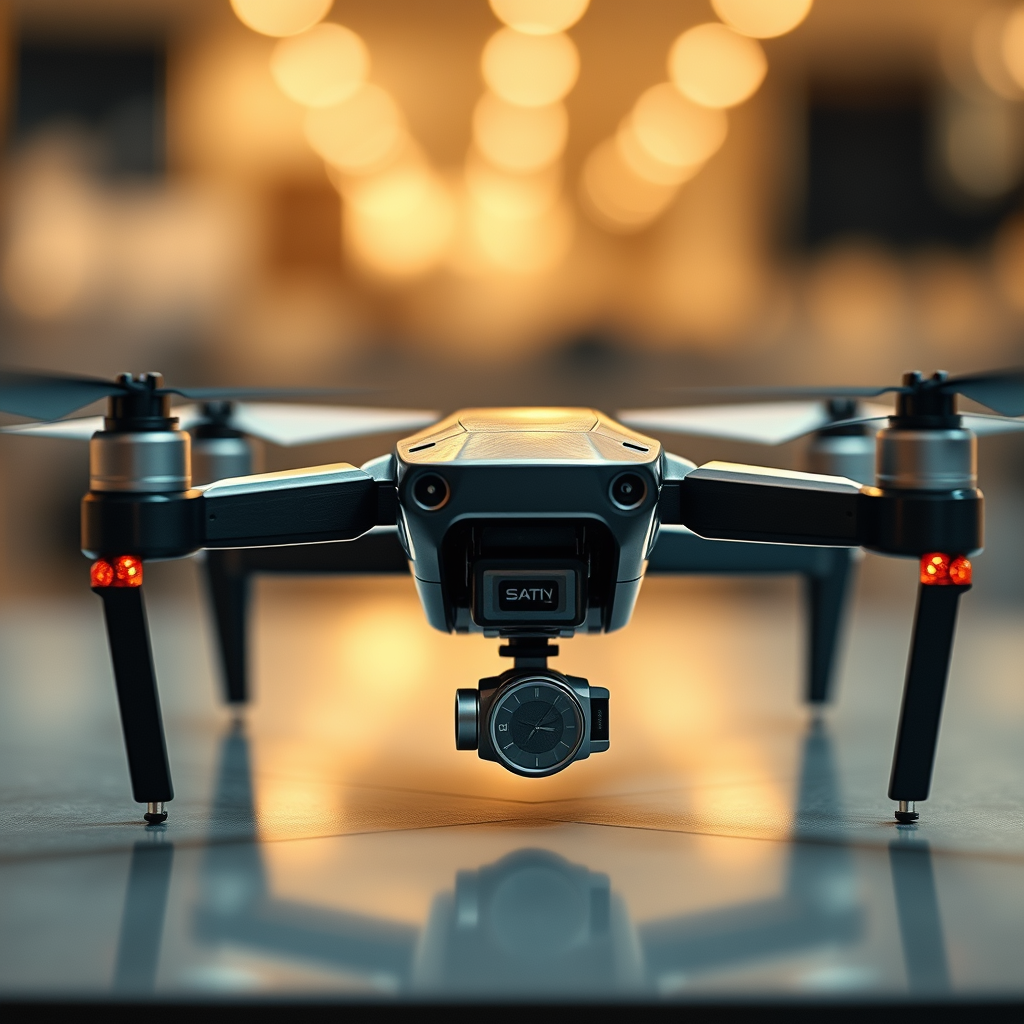
Drones can typically fly up to 400 feet (120 meters) above ground level, which is the maximum altitude allowed by aviation regulations in many countries. This limitation is established to ensure safety and minimize risks associated with manned aircraft. However, various factors such as the type of drone, local regulations, and environmental conditions can affect this altitude limit. This article delves into the different altitude capabilities of drones and the factors influencing these limits, providing a comprehensive understanding for both enthusiasts and professionals in the field.
Understanding Drone Altitude Regulations
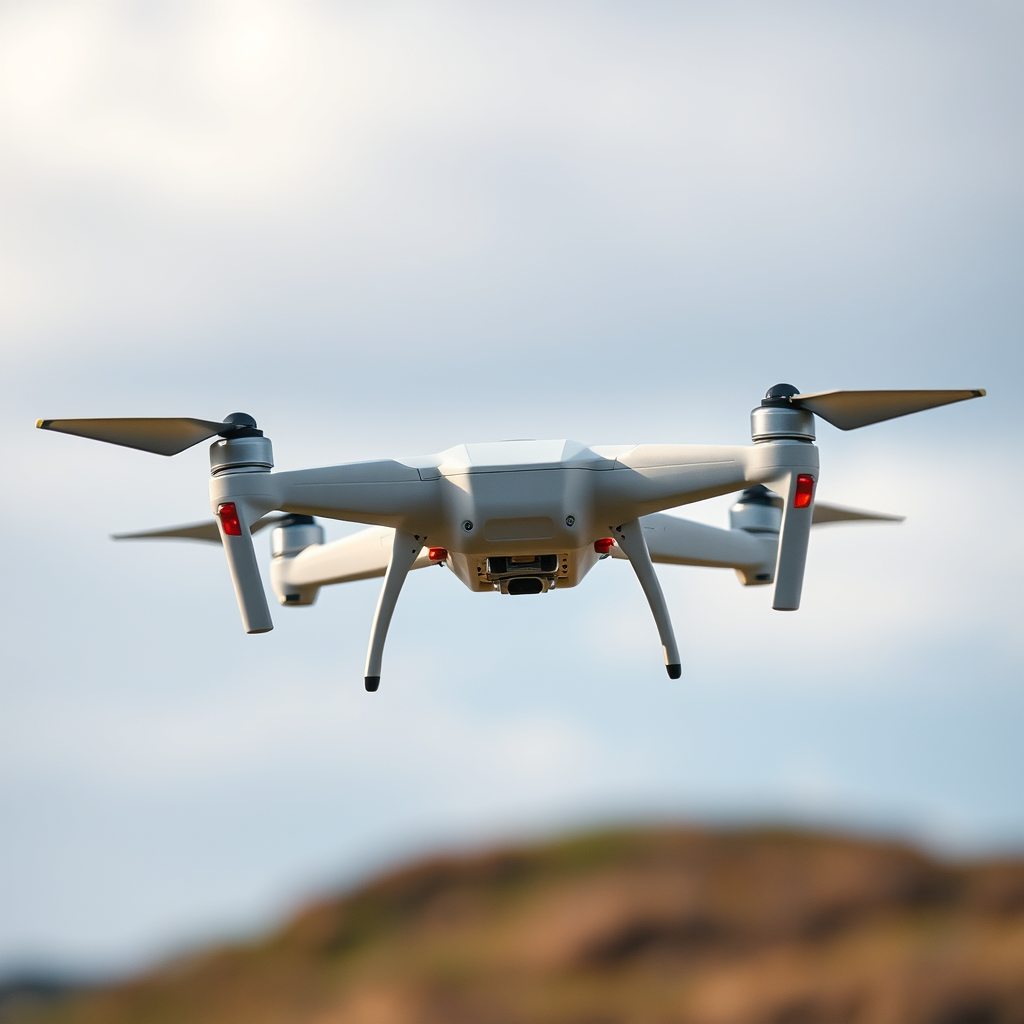
Most countries have established a maximum flying altitude of 400 feet, primarily to maintain a safe distance from manned aircraft, which typically operate at higher altitudes. The Federal Aviation Administration (FAA) in the United States, for example, has set this limit to reduce the risk of collisions and ensure the safety of air traffic. In Europe, the European Union Aviation Safety Agency (EASA) adheres to similar regulations.
However, regulations can vary significantly between regions. In some countries, altitude limits may be lower or accompanied by additional requirements, such as obtaining special permits for higher flights. For instance, in urban areas with dense air traffic, drone operators might face stricter altitude restrictions. Therefore, it is essential for drone pilots to familiarize themselves with local laws and regulations to ensure compliance and enhance safety.
Types of Drones and Their Altitude Capabilities
Drones come in various types, each designed for specific purposes and equipped with different altitude capabilities. Consumer drones, which are widely popular for recreational use, generally have a maximum altitude of around 400 feet. Models like the DJI Mavic Air 2 and the Parrot Anafi exemplify consumer drones that are built to operate within these limits while providing excellent imaging capabilities and flight stability.
On the other hand, professional and military drones can achieve significantly higher altitudes. For instance, the Global Hawk, a high-altitude, long-endurance UAV used by the military, can operate at altitudes exceeding 10,000 feet. These drones are equipped with advanced technology and are often used for reconnaissance, surveillance, and intelligence-gathering missions. The capability to fly at high altitudes allows them to cover vast areas and gather data without the risk of being detected easily.
Factors Affecting Drone Flight Altitude
Several factors can impact a drone’s ability to reach its maximum altitude. Environmental conditions play a crucial role; for instance, high winds or extreme temperatures can adversely affect a drone’s performance. Cold weather can reduce battery efficiency, while strong winds can make it challenging to maintain stability at higher altitudes.
Additionally, the drone’s weight is a pivotal factor. Heavier drones may struggle to reach the maximum altitude due to the increased strain on the motors and battery. This is particularly relevant for drones carrying additional payloads, such as cameras or sensors. Battery life is also critical; a drone with a depleted battery may not have the power to ascend to its maximum altitude. Lastly, the design of the drone, including its aerodynamics and motor efficiency, directly influences its altitude capabilities.
Safety Considerations When Flying Drones at High Altitudes
Flying at higher altitudes increases the risk of collisions with manned aircraft. Therefore, pilots must adhere to safety protocols and maintain a visual line-of-sight with their drone, as required by many aviation authorities. This practice not only enhances situational awareness but also allows for timely response to potential hazards.
Moreover, drone operators should be aware of their surroundings and avoid flying near airports or in areas with heavy air traffic. Utilizing airspace management tools, such as apps that provide real-time information on manned aircraft activity, can significantly improve safety. Pilots should also conduct pre-flight checks to ensure that their drones are in optimal condition for high-altitude flights, including battery levels, GPS functionality, and overall mechanical integrity.
Technological Advances in Drone Flight
Innovations in drone technology are rapidly expanding the potential for higher flying capabilities. Advanced navigation systems, such as GPS and inertial measurement units (IMUs), allow drones to maintain stability and accuracy at greater altitudes. Additionally, improvements in battery technology, including lithium polymer (LiPo) and lithium-ion batteries, are resulting in longer flight times and enhanced motor performance.
Future drones may be designed specifically to operate safely at greater altitudes. Research into autonomous flight systems and artificial intelligence is paving the way for drones that can navigate complex airspace, avoiding obstacles and optimizing flight paths. These advancements not only promise to increase altitude capabilities but also to enhance the safety and efficiency of drone operations.
Practical Applications of High-Altitude Drone Flights
High-altitude drone flights have a wide range of practical applications that can significantly benefit various industries. For example, aerial mapping and surveying are increasingly performed using drones flying at higher altitudes, allowing for comprehensive data collection over large areas. This capability is particularly useful in fields such as agriculture, where drones can monitor crop health from elevated positions.
In addition, drones are being utilized in search and rescue operations, offering the ability to cover vast terrains quickly and effectively. Equipped with thermal imaging cameras, drones can aid in locating missing persons or assessing disaster-stricken areas from high altitudes, providing critical information to first responders.
Furthermore, environmental monitoring and wildlife conservation efforts are also enhanced through high-altitude drone flights. Researchers can gather data on ecosystems, track animal movements, and monitor environmental changes without disturbing the natural habitat.
In conclusion, while most drones are limited to a maximum altitude of 400 feet, advancements in technology and variations in regulations allow certain drones to reach much higher. Understanding these limits and factors can help drone enthusiasts and professionals safely maximize their flying experiences. Always ensure compliance with local laws and safety guidelines when flying, and stay informed about technological advancements that may expand the capabilities and applications of drone flight in the future.
Frequently Asked Questions
What is the maximum altitude that consumer drones can fly?
Consumer drones typically have a maximum altitude limit set by manufacturers, often around 400 feet (120 meters) above ground level. This limit is in place to comply with regulations set by aviation authorities like the FAA in the United States, which aim to prevent interference with manned aircraft. However, some high-end models may be able to reach higher altitudes, but users should always adhere to local laws and guidelines to ensure safe operation.
How high can commercial drones be operated legally?
Commercial drones are generally subject to the same altitude restrictions as consumer drones, capped at 400 feet (120 meters) unless flying within a 400-foot radius of a structure, in which case they can go up to 400 feet above the structure’s height. Operators must also obtain the necessary certifications and permissions to operate drones commercially, including a Remote Pilot Certificate from the FAA in the U.S. to ensure compliance with aviation safety standards.
Why do drones have altitude limitations?
Drones have altitude limitations primarily for safety reasons. The restrictions help prevent collisions with manned aircraft, which typically operate at altitudes above 400 feet. Additionally, these limits are designed to ensure that drones do not intrude on controlled airspace, where air traffic is more congested and regulated, thereby protecting both drone operators and the general public.
Which factors can affect a drone’s maximum flying altitude?
Several factors can influence a drone’s maximum flying altitude, including battery life, weight load, weather conditions, and the drone’s design and specifications. Wind resistance can also play a significant role; for example, high winds may limit the effective altitude a drone can safely reach. Additionally, signal interference from obstacles like buildings or trees can impact a drone’s ability to maintain stable flight at higher altitudes.
What are the best practices for flying a drone at high altitudes?
When flying a drone at higher altitudes, it is crucial to follow best practices such as conducting a pre-flight check to ensure the drone is in good working order, maintaining visual line-of-sight, and avoiding restricted airspaces. It is also advisable to be aware of local weather conditions and to have a reliable communication method in case of emergencies. Following these practices not only enhances safety but also ensures compliance with regulations, allowing for a more enjoyable flying experience.
References
- https://en.wikipedia.org/wiki/Drone
- https://www.faa.gov/uas/getting_started/part_107/
- https://www.nytimes.com/2020/04/24/technology/drones-coronavirus.html
- https://www.ncbi.nlm.nih.gov/pmc/articles/PMC6582501/
- https://www.researchgate.net/publication/328346057_The_Impact_of_Drones_on_Society
- https://www.sciencedirect.com/science/article/pii/S2351978918300581
- https://www.theguardian.com/environment/2020/aug/18/drones-are-becoming-increasingly-popular-for-conservation-work
- https://www.abc.net.au/news/2021-08-25/drones-in-australia-how-high-can-they-fly/100394268
