
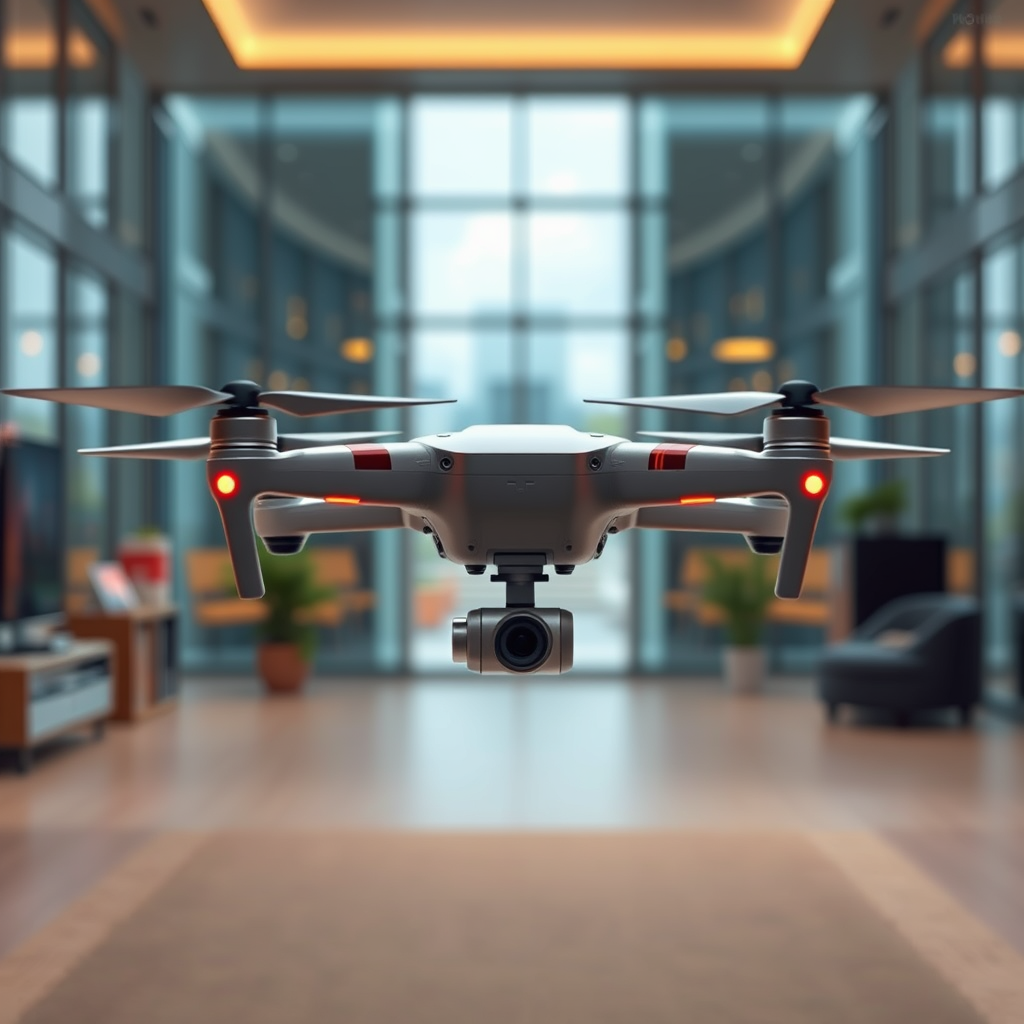
In the UK, drones can typically fly up to 120 meters (400 feet) above ground level. However, this limit is subject to specific regulations and restrictions that vary based on the type of drone and the area of operation. Understanding these limits is crucial for drone enthusiasts and commercial operators alike, as non-compliance can lead to penalties and safety hazards. This article will delve into the regulations governing drone flight altitude, the factors influencing these limits, and best practices to ensure safe and legal drone operation in the UK.
Understanding Drone Flight Altitude Regulations
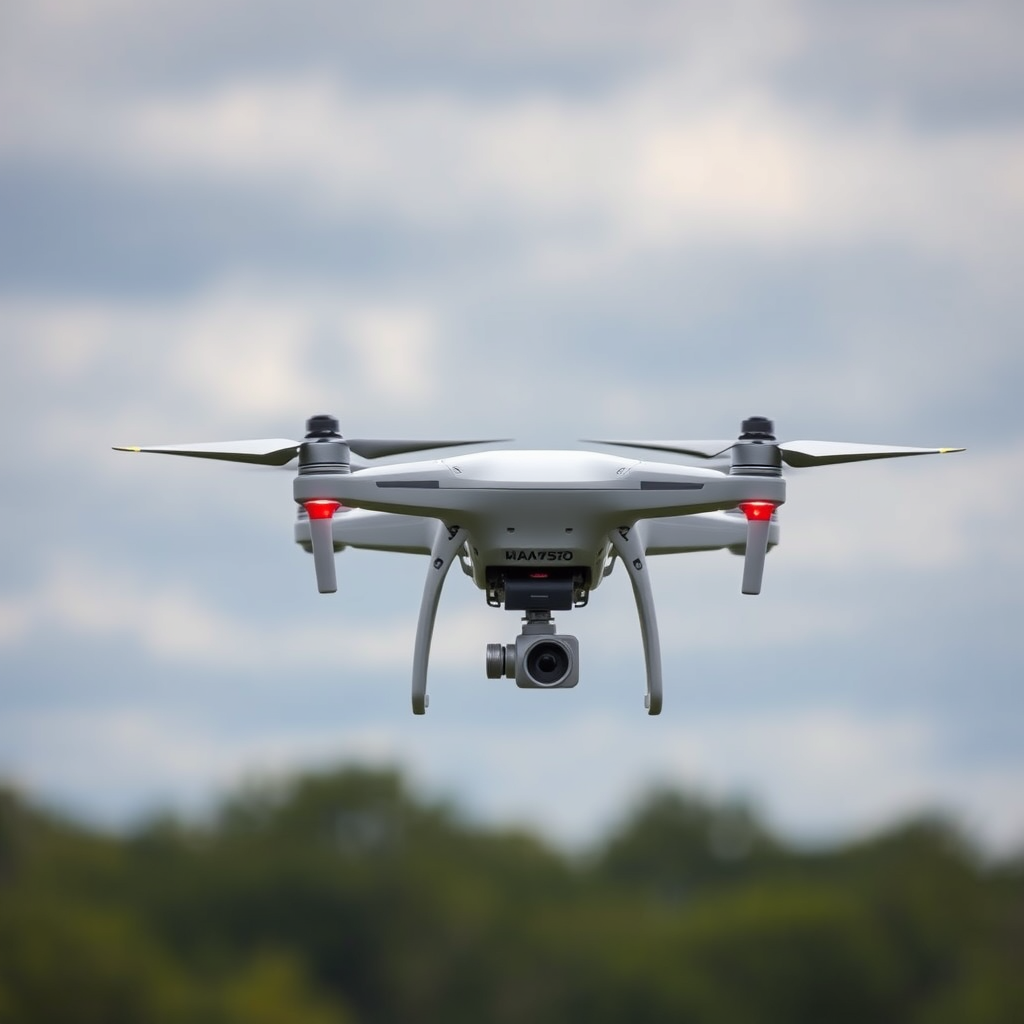
The Civil Aviation Authority (CAA) is the primary regulatory body overseeing drone operations in the UK, establishing clear legal altitude limits for different categories of drones. For recreational drone users, the maximum altitude is generally capped at 120 meters. Commercial operators, however, may face additional restrictions based on the specific type of operation and the drone used. For instance, drones used for professional filming or surveying might require special permissions or waivers to exceed standard altitude limits.
Moreover, the CAA classifies drones into distinct categories, which significantly impacts altitude regulations. Drones weighing over 250 grams and used for commercial purposes must adhere to more stringent guidelines, including the necessity for the operator to obtain a Remote Pilot Certificate. This certification ensures that the operator is knowledgeable about airspace regulations and safety measures, promoting responsible drone usage.
Factors Affecting Maximum Flight Altitude
Several factors can influence a drone’s ability to reach the maximum allowed altitude. Firstly, the physical limitations of the drone model play a significant role. The weight of the drone, battery life, and overall design can affect its performance at higher altitudes. For instance, heavier drones may struggle to gain the necessary lift, while those with limited battery capacity may not sustain prolonged flights at elevation.
Environmental conditions also play a pivotal role in determining maximum flight altitude. Weather conditions such as wind speed, rain, or fog can severely limit a drone’s operational capabilities. Additionally, airspace restrictions, including temporary flight restrictions (TFRs) in certain areas, can prevent pilots from flying at their desired altitude. Pilots must remain vigilant about their surroundings and current weather conditions to ensure safe flight operations.
Airspace Classifications in the UK
The UK airspace is divided into Controlled and Uncontrolled classifications, each with its own altitude limits and regulations. Controlled airspace is typically found around airports and is monitored by air traffic control (ATC). Within these areas, drone operators must adhere to strict altitude limits and often require permission to operate their drones, especially at higher altitudes. For example, flying within 5 kilometers of an airport requires prior notification to local ATC, irrespective of altitude.
In contrast, Uncontrolled airspace allows for more flexibility, but operators must still comply with the overarching height restrictions set forth by the CAA. It is essential for drone pilots to familiarize themselves with local airspace regulations, as ignorance can lead to dangerous situations, including potential collisions with manned aircraft.
Drone Registration and Licensing Requirements
To promote safety and accountability in drone operations, the CAA mandates that all drones weighing over 250 grams must be registered. This registration process involves providing details about the drone and its operator, ensuring that all operators are aware of and comply with UK regulations. Registration is a straightforward process that can be completed online, and it is a crucial step towards responsible drone usage.
In addition to registration, operators of drones for commercial use must obtain a Remote Pilot Certificate, which demonstrates their competency in managing drone operations safely. This certification involves completing a training course and passing a competency assessment. The requirement for a Remote Pilot Certificate underscores the importance of professional training in understanding airspace regulations, safety protocols, and emergency procedures.
Best Practices for Safe Drone Flight
To ensure safe and legal drone operations, adhering to best practices is essential. One of the most fundamental principles is maintaining visual line-of-sight (VLOS) with the drone at all times. This practice allows operators to maintain awareness of their surroundings and avoid potential collisions, particularly in congested areas.
Prior to every flight, conducting thorough pre-flight checks is vital. This includes inspecting the drone for any physical damage, ensuring that all components are functioning correctly, and verifying that the battery is adequately charged for the planned flight duration. Pilots should also review the weather conditions and any airspace restrictions applicable to their flight path. By implementing these best practices, drone operators can significantly reduce the risks associated with flying at maximum altitude.
Future Developments in Drone Flight Regulations
As drone technology continues to evolve, so too do the regulations governing their use. Industry experts anticipate that future developments may include more flexible altitude limits, particularly as drone delivery services become more prevalent. Companies like Amazon and Google are actively exploring drone delivery systems that could necessitate changes in existing regulations to accommodate higher operational altitudes.
Moreover, advancements in drone technology, such as improved battery life and enhanced navigation systems, may allow for safer operations in more congested airspaces. The CAA is likely to adapt regulations to keep pace with these changes, promoting innovation while ensuring safety and compliance. Stakeholders in the drone industry must stay informed about these potential regulatory shifts to prepare for a rapidly changing landscape.
In conclusion, while the standard maximum altitude for drone flights in the UK is 120 meters, various factors influence whether you can reach that height. Regulatory frameworks established by the CAA, environmental factors, airspace classifications, and the necessity for registration and licensing all play critical roles in determining flight altitude. By understanding these elements and adhering to best practices, drone operators can ensure safe and legal drone operation, paving the way for a responsible future in aerial technology.
Frequently Asked Questions
What is the maximum altitude that drones can fly in the UK?
In the UK, the maximum altitude for flying drones is generally capped at 120 meters (approximately 400 feet) above ground level. This limit is in place to ensure the safety of manned aircraft and to comply with the regulations set by the Civil Aviation Authority (CAA). Operators must always maintain visual line of sight with their drones, which is essential for safe flying within this altitude limit.
How do I check if I am flying my drone at a safe altitude?
To ensure that you are flying your drone at a safe altitude in the UK, you can utilize various tools and apps designed for drone operators, such as Air Map or Drone Assist. These platforms provide real-time information on airspace restrictions and altitude limits, allowing you to assess your flying environment accurately. Additionally, maintaining visual line of sight will help you judge your altitude effectively.
Why are there altitude restrictions for drones in the UK?
Altitude restrictions for drones in the UK are primarily in place to maintain safety and prevent collisions with manned aircraft. The UK’s airspace is highly regulated, and these limits help ensure that drone operations do not interfere with commercial aviation and other air traffic. By adhering to these regulations, drone operators contribute to safer skies for everyone.
Which drones are capable of flying higher than the legal limit in the UK?
While most consumer drones are designed to comply with the UK’s 120-meter altitude limit, some high-performance models used for commercial purposes may have capabilities that exceed this height. However, it’s essential to remember that flying above the legal limit is not allowed without specific permissions from the CAA. Operators should always prioritize compliance with regulations to avoid penalties and ensure safe operation.
What should I do if I want to fly my drone above 120 meters in the UK?
If you wish to fly your drone above the 120 meters altitude limit in the UK, you must obtain permission from the Civil Aviation Authority (CAA). This involves applying for a special permission or exemption, which typically requires a detailed risk assessment and ensuring that your operation adheres to safety standards. It’s crucial to familiarize yourself with the application process and requirements to ensure compliance and safety.
References
- https://www.caa.co.uk/Our-work/Regulatory-programmes/Unmanned-Aerial-Vehicles/
- https://www.bbc.com/news/technology-51575148
- https://en.wikipedia.org/wiki/Drone#Regulations
- https://www.theguardian.com/technology/2020/feb/22/drone-flying-rules-uk
- https://www.gov.uk/government/publications/drone-safety-risk-assessment-and-safety-guidance
- https://www.nats.aero/airspace/drone-safety/
