
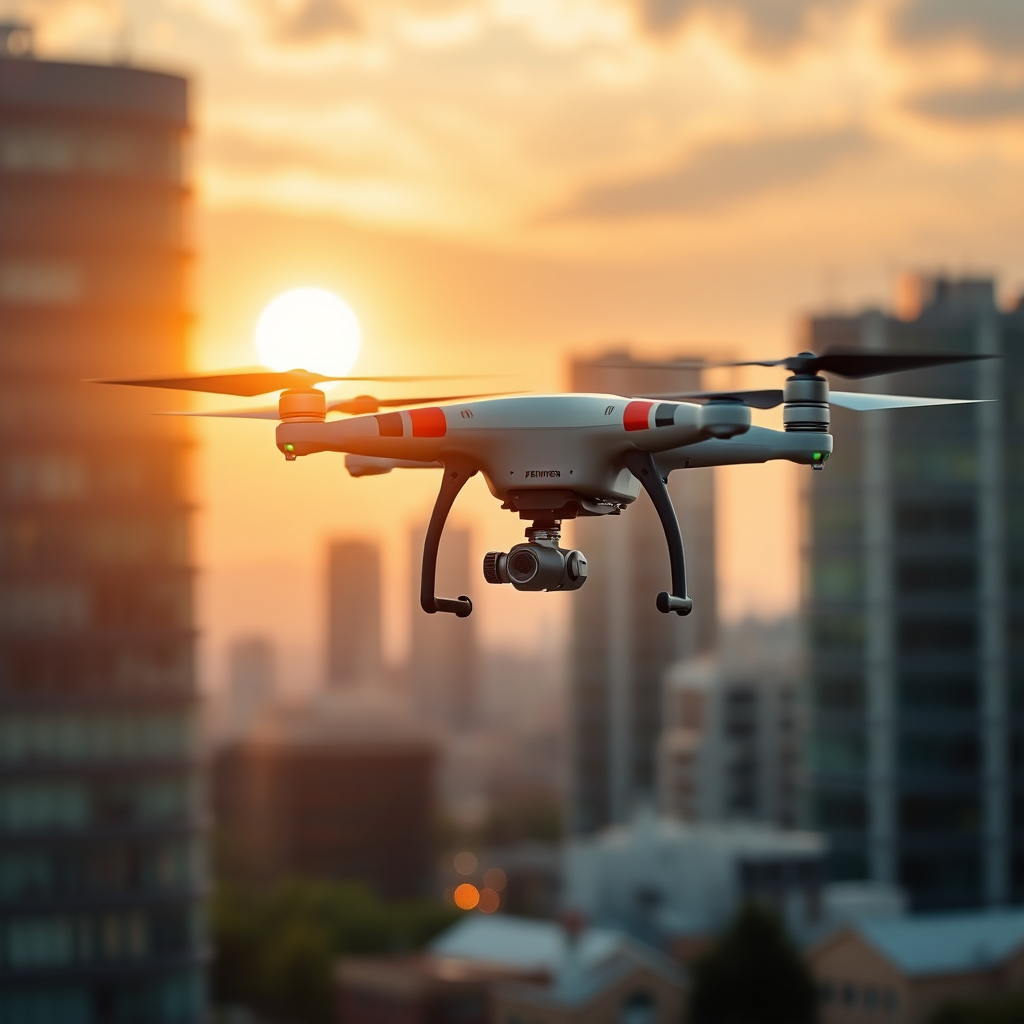
Drones can typically fly at altitudes up to 400 feet (120 meters) above ground level, depending on regulations and the type of drone. This altitude limit is primarily established by aviation authorities to ensure safe operations within shared airspace. However, various factors such as drone design, battery life, and environmental conditions can affect their maximum flight height. In this article, we will delve into the factors influencing drone altitude and the regulations governing their flight, providing a comprehensive overview for both hobbyists and professionals.
Understanding Drone Altitude Limits
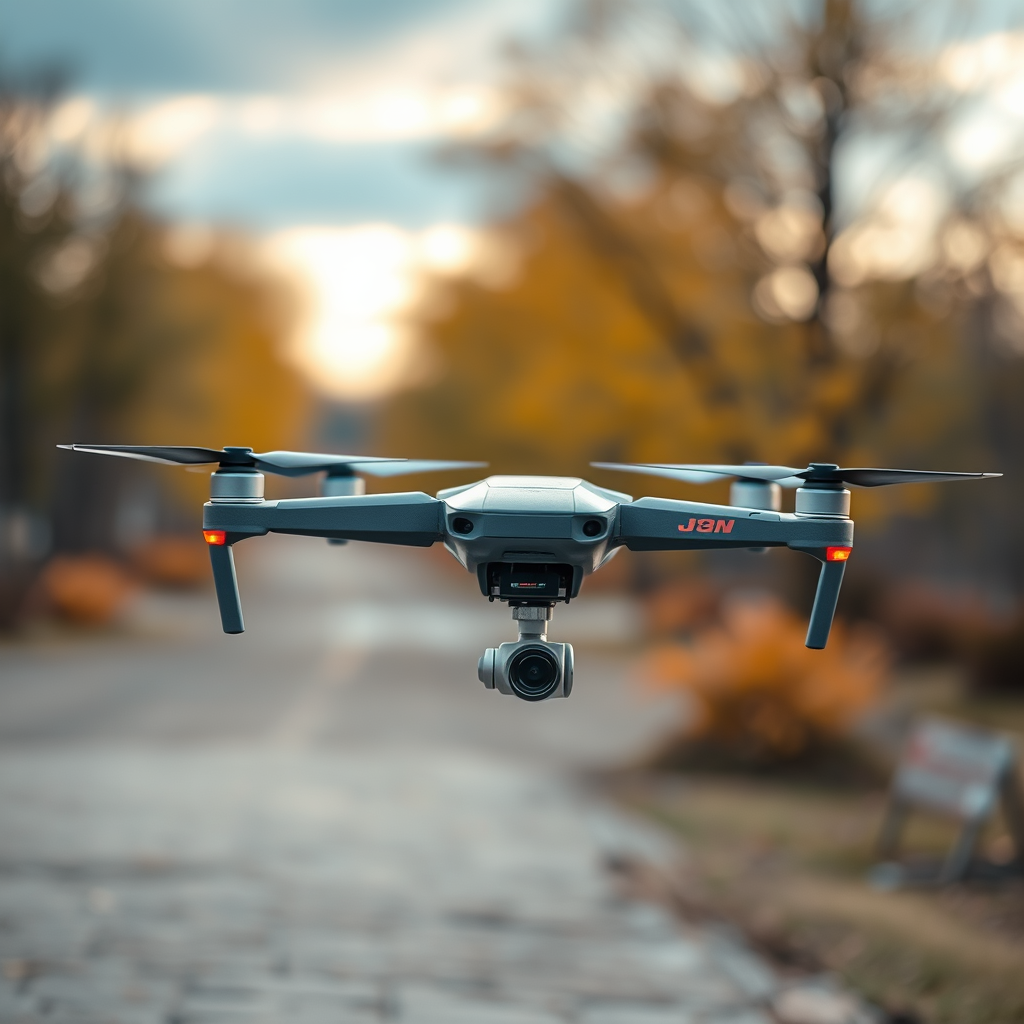
In the United States, the Federal Aviation Administration (FAA) mandates a maximum altitude of 400 feet for hobbyist drones. This regulation is designed to minimize the risk of collisions with manned aircraft, which typically operate at higher altitudes. For commercial drones, altitude limits may vary depending on operational requirements, such as surveying, mapping, or agricultural monitoring. Some commercial operations may necessitate flying above the 400-foot limit; however, this requires special permissions and adherence to specific safety protocols.
Globally, regulations differ. For instance, the European Union Aviation Safety Agency (EASA) also enforces a 120-meter limit, while certain countries may allow higher altitudes under controlled conditions. Understanding these regulatory frameworks is crucial for drone operators to avoid legal repercussions and ensure safe flight operations in their respective jurisdictions.
Factors Affecting Drone Flight Height
Drone Design
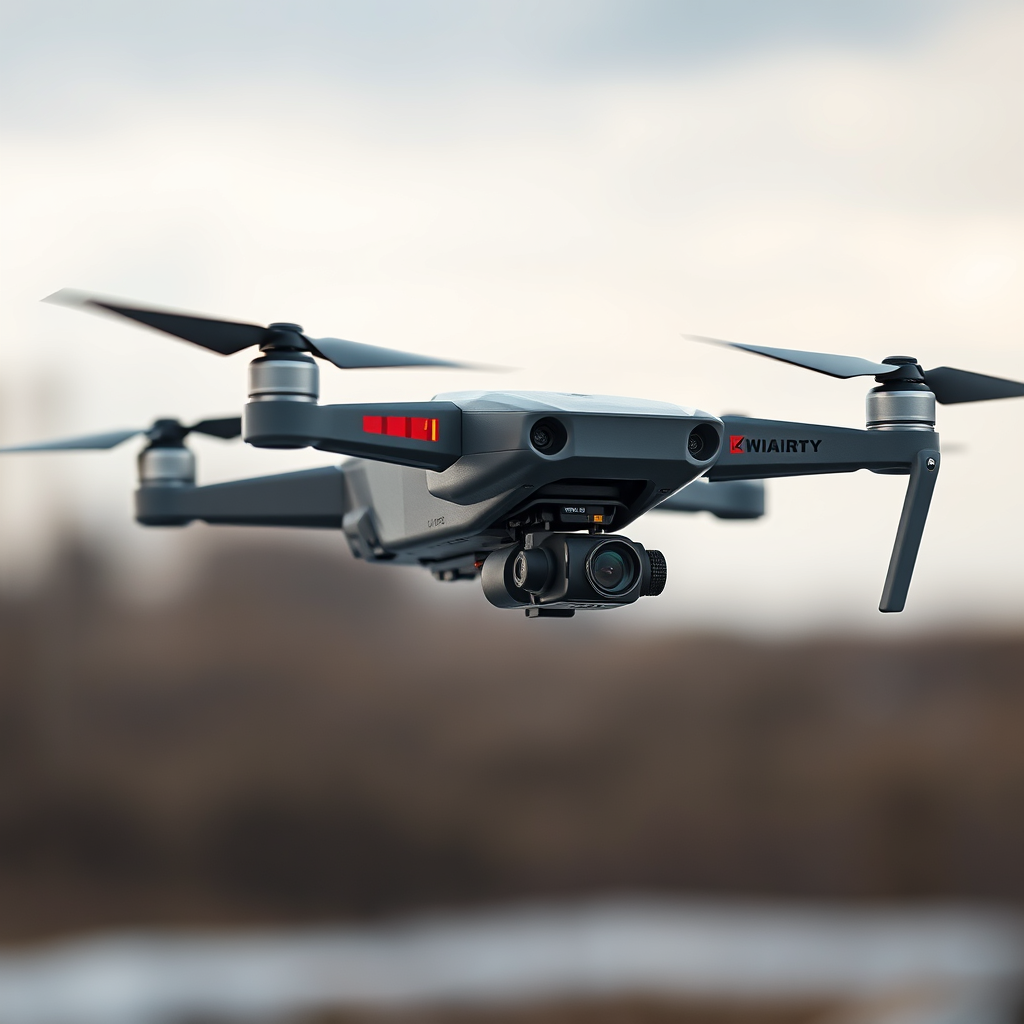
The design and engineering of a drone significantly influence its maximum altitude capabilities. High-performance drones, such as those used in commercial applications, may feature advanced propulsion systems and lightweight materials that allow for higher flight capabilities. For example, the DJI Matrice 600 is designed for professional cinematography and can operate efficiently at high altitudes, while consumer-grade drones like the DJI Mini series are typically limited by design to ensure ease of use and safety.
Battery Life
Higher altitudes often demand more power, impacting a drone’s battery life. As drones ascend, they encounter thinner air, which can make propulsion less efficient and increase power consumption. For instance, a drone flying at 400 feet may have a different flight time compared to one flying at 200 feet. Operators must account for this increased power demand when planning long flights or high-altitude missions, ensuring that battery management systems are in place to monitor usage and optimize performance.
Regulatory Guidelines for Drone Flight
Overview of FAA Regulations in the United States
The FAA establishes strict guidelines for drone operation to ensure safety in shared airspace. These regulations include the prohibition of flying above 400 feet unless specific conditions are met, such as flying within 400 feet of a structure. Additionally, drone operators must maintain a visual line of sight (VLOS) with their drone at all times. The FAA also categorizes airspace into different classes, each with its own operational rules that may affect altitude limits.
Importance of Local Laws and Airspace Classifications
In addition to federal regulations, local laws may impose additional restrictions on drone altitude. For example, urban areas may have more stringent regulations due to the proximity to airports and populated regions. Operators should familiarize themselves with local drone laws, including any airspace classifications that may require special permissions or adherence to specific altitude limits.
Types of Drones and Their Altitude Capabilities
Consumer Drones
Consumer drones, commonly used for recreational photography and video, are generally limited to 400 feet. These drones are designed with user-friendly features, making them accessible to hobbyists while ensuring safety within regulated altitudes. Popular models like the DJI Phantom series exemplify this design philosophy, balancing performance with compliance to FAA regulations.
Commercial and Military Drones
In contrast, commercial and military drones can often fly at much higher altitudes for specific operations. For example, the Boeing Insitu ScanEagle, used primarily in military applications, can reach altitudes above 15,000 feet. Such capabilities are essential for reconnaissance and surveillance missions, where altitude provides a strategic advantage. Commercial drones used for surveying or agricultural purposes may also operate at higher altitudes, provided they possess the necessary certifications and meet regulatory requirements.
Environmental Considerations for Drone Altitude
Weather Conditions
Environmental factors, particularly weather conditions, play a vital role in drone flight performance. Wind speed, temperature, and air pressure can significantly influence a drone’s ability to maintain stable flight at high altitudes. High winds can result in increased turbulence, making it challenging for drones to operate safely. Operators should always check weather forecasts before flying and be prepared to adjust their flight plans accordingly.
Terrain Features
The geographical landscape also affects safe flying heights. Drones flying in mountainous regions must account for altitude changes due to terrain elevation, as well as potential obstacles. Similarly, urban environments with tall buildings require operators to navigate carefully to avoid collisions and adhere to altitude regulations. Understanding the terrain and adjusting flight paths accordingly is crucial for ensuring both safety and compliance.
Safety Measures for High-Altitude Drone Flying
Importance of Maintaining Visual Line of Sight (VLOS)
Maintaining a visual line of sight (VLOS) with the drone is a fundamental safety measure mandated by the FAA. This practice is essential for avoiding collisions with other aircraft and obstacles. Operators should ensure they have a clear view of their drone at all times, which aids in better control and situational awareness during high-altitude flights.
Utilizing Altitude Alerts and Geofencing Technologies
To enhance safety during high-altitude operations, drone manufacturers are increasingly integrating altitude alerts and geofencing technologies. These systems provide operators with real-time information on altitude limits and can prevent drones from exceeding regulated heights. For instance, many drones come equipped with built-in geofencing capabilities that restrict flight in specific areas, such as near airports or restricted airspace, thereby promoting safer operations.
In conclusion, while most drones are limited to a maximum altitude of 400 feet, various factors can influence this limit. Understanding the technical specifications of different drones, adhering to regulatory guidelines, and considering environmental conditions are crucial for safe and effective drone operation. As drone technology continues to evolve, staying informed about these dynamics will help operators navigate the complexities of altitude limits and ensure compliance with safety regulations. Always check local regulations and guidelines before flying to ensure compliance and safety.
Frequently Asked Questions
What is the maximum altitude a drone can fly legally?
The legal maximum altitude for drones in the United States is 400 feet above ground level, as per the Federal Aviation Administration (FAA) regulations. This regulation helps ensure the safety of manned aircraft, as drones often operate in the same airspace. However, some areas may have specific restrictions or lower altitude limits, so it’s essential to check local regulations before flying.
How high can recreational drones fly compared to commercial drones?
Recreational drones are typically limited to a maximum height of 400 feet, similar to commercial drones. However, commercial drone operators might have the opportunity to apply for a waiver to fly above this altitude for specific purposes, such as aerial photography or surveying. Always ensure compliance with the FAA’s Part 107 regulations for commercial flights, which may involve additional certification and operational guidelines.
Why do drones have altitude restrictions?
Drones have altitude restrictions primarily to maintain safety in the airspace and to prevent collisions with manned aircraft. The FAA and other aviation authorities enforce these rules to create a structured environment for all air traffic, including commercial flights and emergency services. These regulations help reduce the risks associated with flying drones in crowded or controlled airspace.
What factors can affect a drone’s ability to fly at higher altitudes?
Several factors can influence a drone’s performance at higher altitudes, including battery life, air density, and the drone’s design. As altitude increases, air density decreases, which can reduce lift and battery efficiency, potentially impacting flight stability and control. Additionally, some drones are specifically designed for high-altitude performance and may have enhanced features to handle these conditions better.
Which drones are best suited for flying at higher altitudes?
Drones such as the DJI Matrice 300 RTK and the Autel Robotics EVO Lite+ are designed for higher altitude operations due to their robust build and powerful motors. These drones typically offer advanced stabilization and better battery life, which are crucial for high-altitude flights. When selecting a drone for high-altitude use, consider its specifications, weight, and capabilities to ensure optimal performance.
References
- https://en.wikipedia.org/wiki/Drone
- https://www.faa.gov/uas/
- https://www.nasa.gov/feature/what-are-drones-and-how-do-they-work
- https://www.sciencedirect.com/science/article/pii/S2352864817301354
- https://www.theguardian.com/technology/2020/jan/30/drone-flying-height-regulations
- https://www.bbc.com/news/technology-53716588
- https://www.nist.gov/news-events/news/2020/01/nist-research-looks-drones-flying-high-and-low
- https://www.ncbi.nlm.nih.gov/pmc/articles/PMC7545471/
