
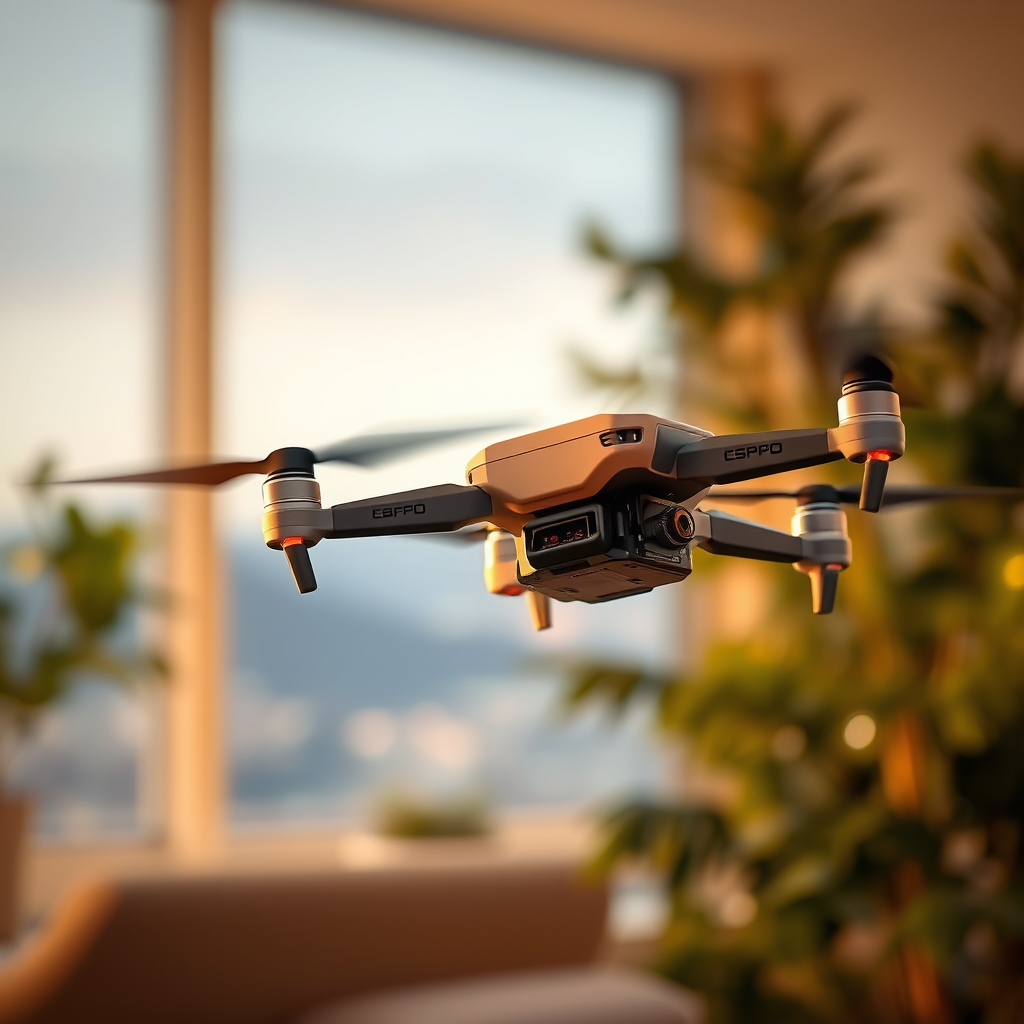
Drones can typically fly up to 400 feet (120 meters) above ground level in most countries, although regulations may vary by location. This altitude limit is primarily set for safety reasons to avoid collisions with manned aircraft. In this article, we will explore the factors that influence drone flight altitude, legal restrictions, and technological advancements that may affect how high drones can go. Understanding these elements is crucial for both recreational and commercial drone users, ensuring compliance with regulations while maximizing the capabilities of their devices.
Understanding Drone Altitude Regulations
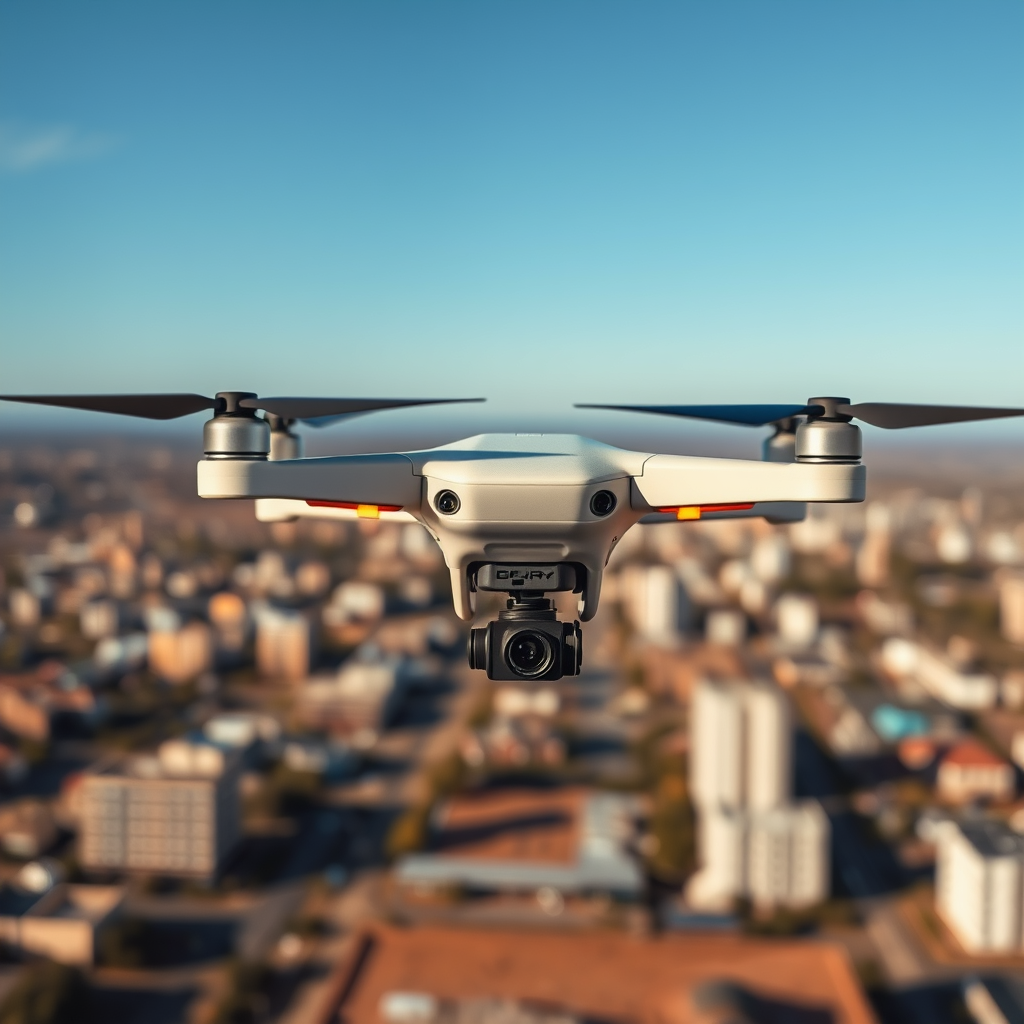
Many countries have established a maximum altitude for drone operations at 400 feet, primarily to maintain safety in shared airspace. For instance, in the United States, the Federal Aviation Administration (FAA) enforces this limit for recreational drone operators. However, this regulation can vary based on specific airspace classifications. For example, in controlled airspace, such as near airports, altitude limits may be lower or require special permission to exceed. Different nations have similar frameworks; for instance, the European Union Aviation Safety Agency (EASA) also enforces altitude restrictions but has been known to adapt regulations based on local needs and developments in drone technology. Understanding these regulations is crucial for any drone operator to ensure safe and legal operations.
Factors Influencing Flight Altitude
The ability of a drone to reach significant altitudes is influenced by various factors, including the drone’s type, design, battery life, and the weight of its payload. For example, racing drones designed for speed and agility may have different altitude capabilities than commercial drones intended for surveying or photography. Drones equipped with powerful motors and lightweight designs can often fly higher and operate more efficiently at elevated altitudes.
Battery life is another critical factor; drones typically have limited flight times that can range from 20 to 40 minutes depending on the model and conditions. Heavier payloads can significantly reduce flight time and altitude as the drone has to exert more energy to lift the additional weight. Operators must carefully consider these aspects when planning flights to ensure they can reach the desired altitude safely.
The Role of Air Traffic Control
In controlled airspace, drone pilots must adhere to regulations set by air traffic control (ATC). This is particularly important in urban areas with dense air traffic, where the risk of collision with manned aircraft is heightened. Pilots flying in controlled airspace often need to file flight plans and obtain special permissions to operate above standard altitude limits. For instance, in the U.S., pilots can apply for a Certificate of Waiver or Authorization (COA) from the FAA if they wish to operate at heights exceeding 400 feet. This process helps ATC manage air traffic effectively and ensures that all aircraft, both manned and unmanned, can coexist safely.
Moreover, remote pilots should stay informed about Temporary Flight Restrictions (TFRs) that may impact their operations, especially during events such as wildfires or large public gatherings. Awareness and compliance with these regulations are essential for any drone operator seeking to fly at higher altitudes in controlled airspace.
Technological Advancements in Drone Capabilities
Recent technological advancements have significantly enhanced drone capabilities, enabling them to fly at higher altitudes safely. Newer models often feature advanced flight systems equipped with obstacle detection and avoidance technology, allowing them to navigate challenging environments without risking collisions. For example, drones like the DJI Mavic Air 2 and the Skydio 2 utilize sophisticated sensors and artificial intelligence to ensure safe operation at greater heights.
Innovations in GPS accuracy and stabilization systems have also contributed to improved altitude performance. Enhanced GPS precision allows drones to maintain altitude more reliably, even in challenging weather conditions. Additionally, developments in battery technology, such as lithium-polymer batteries, have extended flight times and improved energy efficiency, enabling drones to reach higher altitudes while carrying heavier payloads.
Risks of Flying at High Altitudes
While flying at higher altitudes can present opportunities for enhanced data gathering and unique perspectives, it also carries increased risks. The primary concern is the potential for encountering manned aircraft, which can lead to hazardous situations. At altitudes above 400 feet, drones may enter airspace typically reserved for commercial flights, increasing the likelihood of collisions.
Additionally, flying at elevated heights can result in loss of control and signal interference. The higher a drone flies, the more susceptible it becomes to environmental factors such as wind, which can affect stability and navigation. Remote pilots should always be aware of their drone’s limitations and the weather conditions when planning high-altitude flights to mitigate these risks effectively.
Future Trends in Drone Flight Altitude
The future of drone flight altitude is likely to evolve as technology continues to advance and regulations adapt. Ongoing research in drone technology may lead to the development of models capable of exceeding current altitude limits safely. Innovations such as improved communication systems and AI-driven flight planning could enhance operational safety and efficiency at higher altitudes.
Moreover, as the industry matures, regulatory bodies may reassess existing altitude limits to accommodate these advancements. This could include the establishment of more nuanced regulations that allow for higher operational altitudes in specific contexts, such as agricultural monitoring or search and rescue operations. Stakeholders in the drone industry, including manufacturers, operators, and regulatory agencies, will need to collaborate to ensure that safety remains a priority while embracing the potential for greater altitude capabilities.
In conclusion, while the standard maximum flight altitude for drones is generally around 400 feet, various factors such as regulations, technology, and safety concerns can influence actual operational heights. Understanding the nuances of altitude limits and the potential for innovation is critical for drone operators. As drone technology evolves, it is essential for pilots to stay informed about any changes to altitude regulations and to prioritize safety in their operations, ensuring that they can harness the full potential of their drones while adhering to legal and ethical standards.
Frequently Asked Questions
What is the maximum altitude a drone can legally fly?
The maximum altitude that a drone can legally fly in the United States is 400 feet above ground level, according to the Federal Aviation Administration (FAA) regulations. This limit is designed to prevent drones from interfering with manned aircraft, which typically fly at higher altitudes. It’s important for drone operators to adhere to these regulations to ensure safety and compliance with the law.
How high can consumer drones fly compared to commercial drones?
Consumer drones are typically limited to a maximum flight altitude of around 400 feet, similar to commercial drones. However, commercial drones, especially those used for agricultural, surveying, or industrial purposes, can be authorized to fly higher than 400 feet through a special waiver or exemption from the FAA. This is often necessary for specific applications that require aerial data collection from greater heights.
Why is there a restriction on how high drones can fly?
The restriction on drone flight altitude is primarily for safety reasons. By limiting drones to a maximum of 400 feet, authorities aim to reduce the risk of collisions with manned aircraft, which usually fly at higher altitudes. Additionally, these regulations help maintain order in the airspace and protect the privacy and safety of people on the ground.
What factors can influence how high a drone can actually fly?
Several factors can influence the effective flying altitude of a drone, including battery life, drone design, weight, and environmental conditions like wind and temperature. For instance, a heavier drone may struggle to maintain altitude due to reduced lift, while windy conditions can also affect stability and safety at higher altitudes. It’s essential for drone operators to consider these factors to optimize their flying experience.
Which drones are capable of flying above 400 feet legally?
Drones that can legally fly above 400 feet typically include those that have received specific waivers or exemptions from the FAA, such as commercial drones used for surveying, mapping, or agricultural applications. Operators must apply for and obtain these waivers, demonstrating a need for higher altitude flights and ensuring that safety measures are in place. Popular drones in this category often come equipped with advanced navigation and obstacle avoidance technologies to safely operate at greater heights.
References
- https://en.wikipedia.org/wiki/Unmanned_aerial_vehicle#Regulations
- https://www.faa.gov/uas/getting_started/registration
- https://www.faa.gov/uas/commercial_operators/
- https://www.nasa.gov/mission_pages/tdm/airspace/drones.html
- https://www.theguardian.com/technology/2021/aug/27/drone-altitude-regulations
- https://www.reuters.com/technology/drone-industry-faces-challenges-given-limited-airspace-2021-10-14/
- https://www.nytimes.com/2021/04/30/technology/drones-regulations.html
- https://www.sciencedirect.com/science/article/pii/S2352146517300194
