
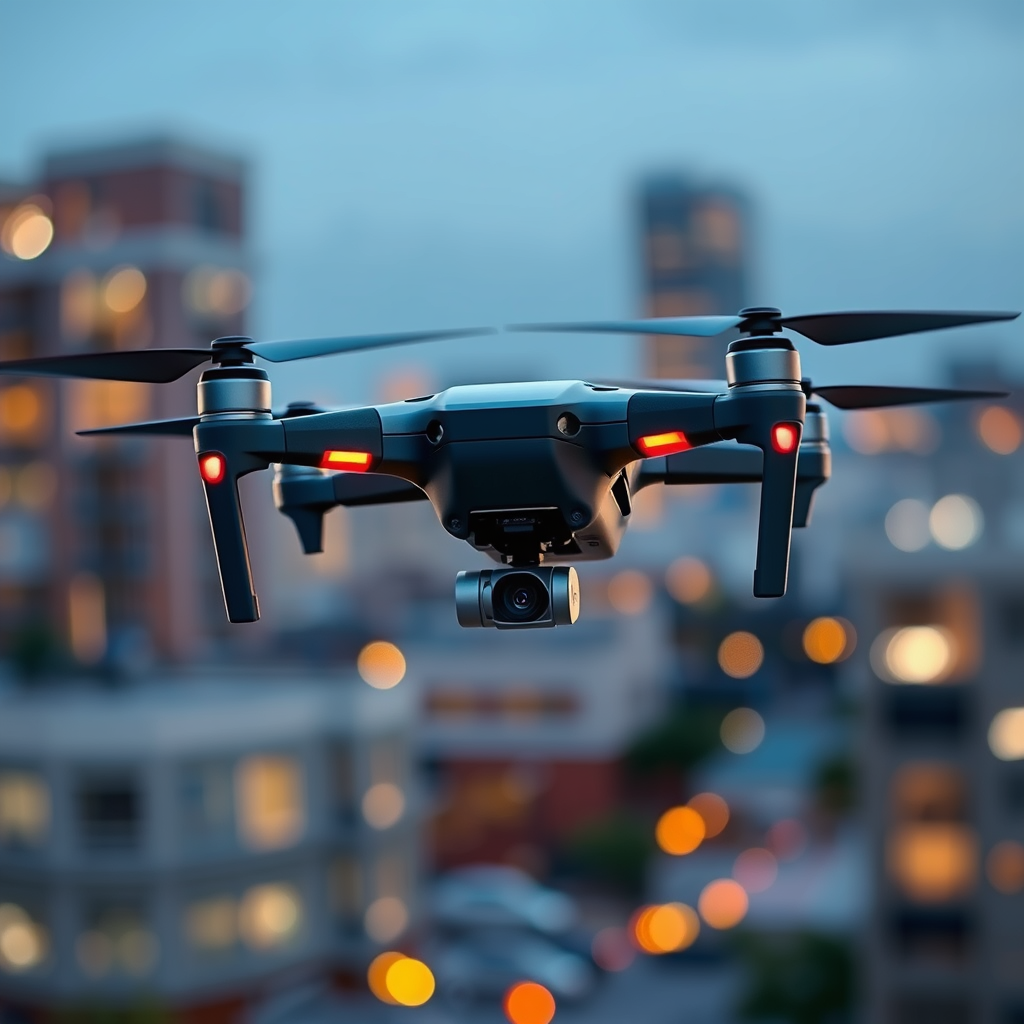
You can legally fly a drone up to 400 feet above ground level, according to the Federal Aviation Administration (FAA) regulations in the United States. This altitude ensures safe operation while minimizing the risk of collisions with manned aircraft. Understanding these regulations is essential for both hobbyists and commercial drone operators, as it not only keeps you compliant with the law but also promotes safety in the skies. Here’s what you need to know about drone flight height and the associated regulations.
Understanding the 400-Foot Rule
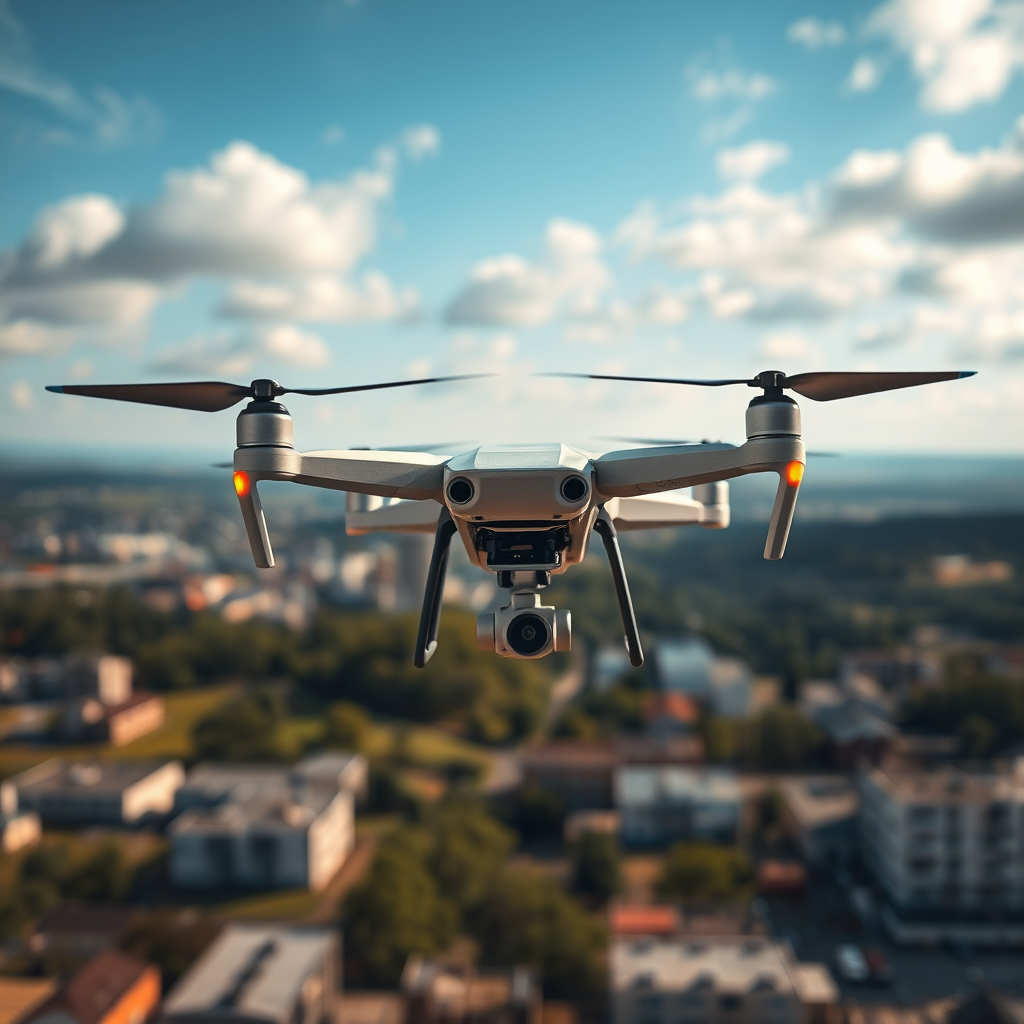
The FAA stipulates a maximum altitude of 400 feet for drone operations, primarily to maintain a safe distance between unmanned aerial vehicles (UAVs) and manned aircraft. This altitude is measured from the ground, meaning that if you are flying near a building or any other structure, you must still adhere to the 400-foot limit above the highest point of that structure. Flying above this limit can lead to potential fines and legal consequences, including penalties that may reach thousands of dollars or even revocation of your drone pilot certification.
Staying within the 400-foot limit not only prevents legal issues but also enhances safety. The designated altitude helps to avoid accidents with commercial flights, which generally cruise at altitudes above 1,000 feet. By adhering to the 400-foot rule, drone operators contribute to a safer airspace environment for everyone.
Exceptions to the Height Limit
While the 400-foot altitude limit is a standard rule, there are exceptions where drone operators may fly at higher altitudes. One such exception is if the drone is within 400 feet of a structure. In this case, operators may fly above 400 feet, allowing them to navigate around tall buildings or structures while still maintaining a safe operational environment. However, the drone must remain within 400 feet of that structure.
Additionally, certain special permits may allow for higher flight under specific conditions. For instance, if a drone operator is conducting research or commercial activities that require altitude beyond the standard limit, they may apply for a waiver from the FAA. These waivers are generally granted for well-defined purposes and require comprehensive safety assessments and operational plans.
State and Local Regulations
It is essential to recognize that while the FAA sets federal guidelines, state and local governments may impose additional restrictions on drone altitude and operations. Various municipalities may have specific laws that limit drone flying in particular areas such as parks, school zones, or residential neighborhoods. Some states have implemented their own drone laws that may further restrict flight altitude or require permits for drone use.
Before flying, it is crucial to check local laws and regulations to ensure compliance. Utilizing resources such as local government websites or drone-related apps can help you stay informed about the rules applicable in your area. Failure to adhere to these regulations may result in fines or other legal repercussions.
Airspace Classifications
Understanding different airspace classes is crucial for safe drone operation. The U.S. airspace is divided into several classifications, each with specific rules and regulations. For example, Class B airspace surrounds major airports and generally requires permission from air traffic control to operate a drone within these areas. Class C airspace encompasses smaller airports with operational control towers, while Class D airspace involves airports without control towers but still requires communication with air traffic personnel.
Certain areas, such as near airports or military installations, have strict altitude and operational restrictions to ensure the safety of both manned and unmanned aircraft. Drone operators must familiarize themselves with these classifications, as flying in restricted airspace can lead to severe penalties, including fines and potential criminal charges. Utilizing tools such as the FAA’s B4UFLY app can provide real-time information about airspace classifications and restrictions, ensuring that you remain compliant during your flight operations.
Best Practices for Safe Drone Flying
Safety should always be a priority when flying a drone. To ensure a safe flying experience, it is essential to conduct a pre-flight check. This includes verifying that the drone is in good working condition, the battery is fully charged, and the GPS and software systems are functioning correctly. Additionally, reviewing the weather conditions before flying can prevent accidents or malfunctions due to adverse weather.
Staying aware of your surroundings is equally important. Avoid flying near crowds, sensitive areas like wildlife habitats, or emergency situations such as fires or accidents. Maintaining a visual line of sight with your drone is not just a legal requirement but also a crucial safety practice. By adhering to these best practices, drone operators can minimize risks and ensure a safe flying environment for themselves and others.
Resources for Drone Pilots
For those seeking to stay informed about drone regulations and best practices, the FAA provides comprehensive guidelines on drone operations. Their official website features a wealth of information, including detailed regulations, educational materials, and updates on new laws affecting drone usage. Additionally, online communities and forums can offer support and updates on legal flying practices, allowing drone pilots to connect with others and share insights.
Engaging with local drone clubs or organizations can also provide valuable resources and networking opportunities. These groups often host events, workshops, and training sessions that can enhance your flying skills and knowledge of regulations. For commercial drone operators, staying connected with industry news through newsletters and professional associations can be critical for compliance and operational success.
In conclusion, while the general rule is to fly no higher than 400 feet, being aware of local regulations and airspace classifications is essential for safe and legal drone operation. Understanding the exceptions to the height limit, adhering to state and local laws, and practicing safe flying techniques can significantly enhance your experience as a drone pilot. For the latest updates and resources, stay informed through official channels and engage with the drone flying community. By doing so, you can enjoy the exciting world of drone flying while ensuring compliance and safety in the skies.
Frequently Asked Questions
What is the maximum altitude I can fly my drone legally?
In the United States, the Federal Aviation Administration (FAA) allows drone pilots to fly their drones at a maximum altitude of 400 feet above ground level. This altitude limit is designed to prevent interference with manned aircraft and ensure safe operations in the airspace. However, if your drone is flown within a 400-foot radius of a structure, you may fly higher than 400 feet, as long as you remain within 400 feet of the structure.
How do I know if I am flying my drone in a restricted area?
To ensure you are not flying in a restricted area, you should check the FAA’s Sectional Charts or the B4UFLY app, which provides real-time information on airspace restrictions and drone regulations. Additionally, familiarize yourself with local laws and any specific no-fly zones, such as near airports, military bases, or national parks, to avoid potential fines and ensure safety.
Why is there a height restriction for drone flights?
Height restrictions for drone flights are primarily in place for safety reasons. The FAA aims to minimize the risk of collisions between drones and manned aircraft, which generally operate at altitudes above 400 feet. Furthermore, these regulations help manage air traffic and maintain the integrity of the airspace for both recreational and commercial drone users.
What are the best practices for flying a drone at the legal altitude?
To successfully fly your drone at the legal altitude, always maintain visual line-of-sight with your drone, and avoid flying over people or moving vehicles. Additionally, regularly check local weather conditions and ensure your drone is equipped with a GPS for precise altitude readings. Utilizing drone apps can also help you monitor and adhere to altitude regulations while flying.
Which countries have similar drone altitude regulations to the U.S.?
Many countries have implemented drone altitude regulations similar to those in the U.S. For example, in Canada, drone operators must also fly below 400 feet, while in the United Kingdom, the Civil Aviation Authority (CAA) enforces a similar limit. However, regulations can vary significantly by country, so it’s essential to research and understand the specific rules for drone operations in your location or any country you plan to fly in.
References
- https://www.faa.gov/uas/getting_started/register_drone
- https://www.faa.gov/uas/flight_operations/
- https://www.nasao.org/uas/
- https://en.wikipedia.org/wiki/Drone_regulations_in_the_United_States
- https://www.nytimes.com/2020/05/02/business/drone-regulations.html
- https://www.dronepilotgroundschool.com/drone-laws-by-state/
- https://www.knowbeforeyoufly.org/
- https://www.abc.net.au/news/2021-04-28/drone-usage-rules-and-regulations/100086400
- https://www.forbes.com/sites/bernardmarr/2021/01/25/how-high-can-you-fly-a-drone-legal-limits-in-the-us-and-uk/
