
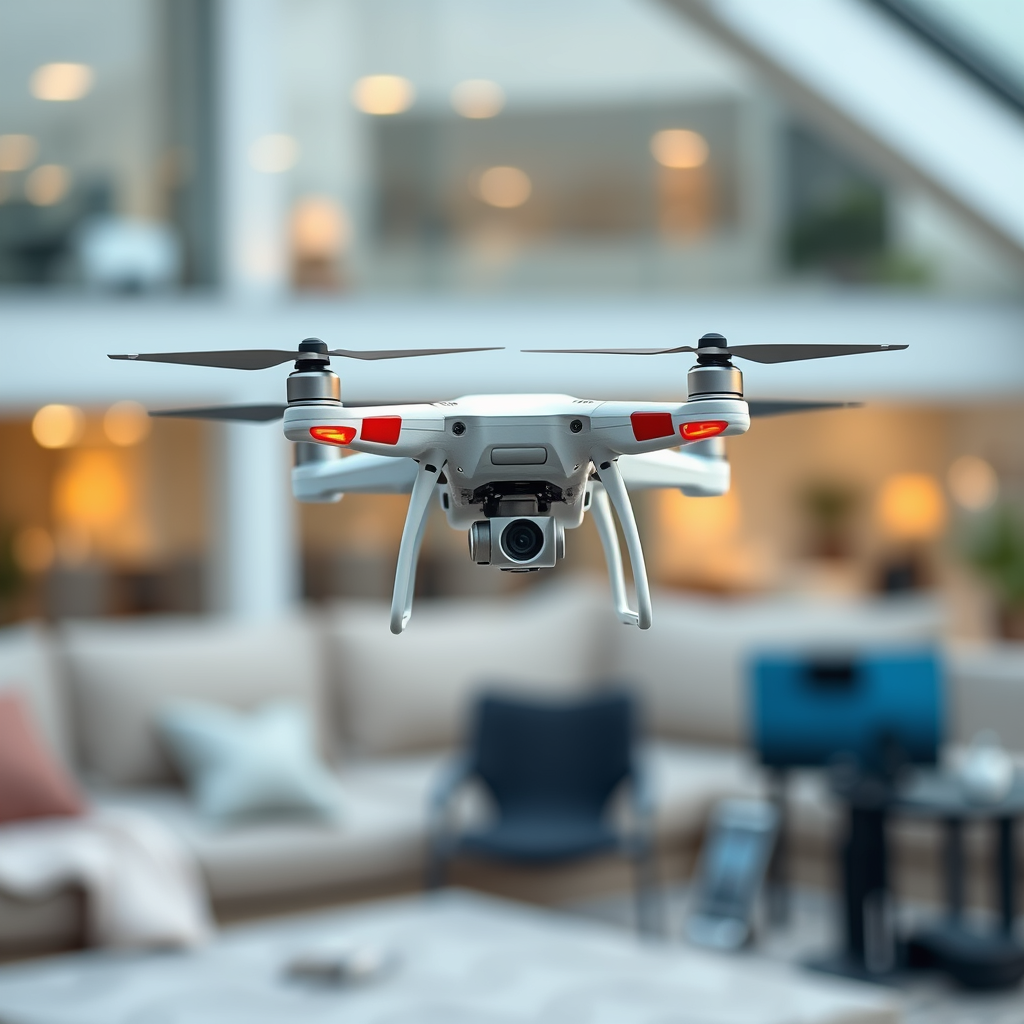
Most consumer drones can fly between 200 to 400 feet above ground level. However, various factors such as regulations, drone type, and environmental conditions can affect these limits. Understanding the altitude capabilities of your drone is crucial for safe and effective operation. This article will explore the altitude limits for drones, important regulations, and tips for maximizing flight height, ensuring you have the knowledge to fly safely and legally.
Understanding Drone Altitude Regulations
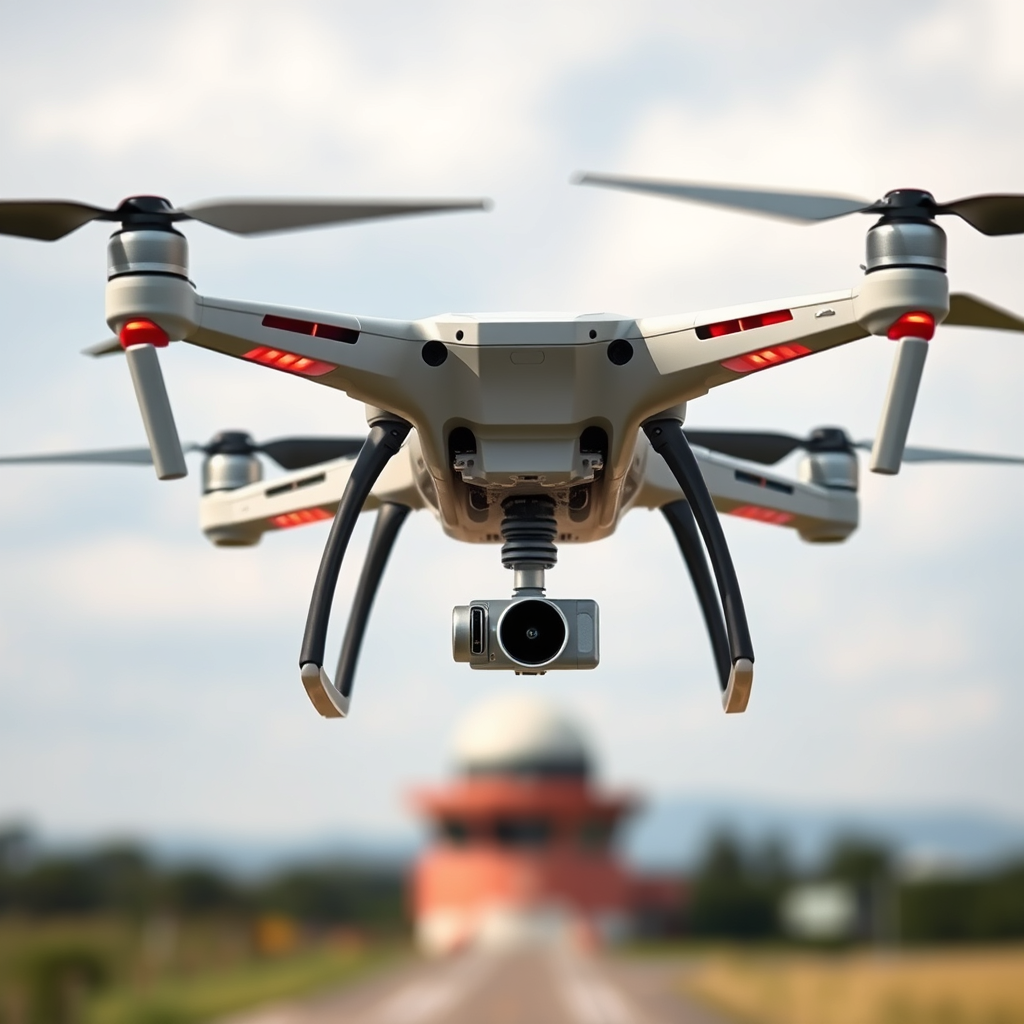
The Federal Aviation Administration (FAA) plays a critical role in regulating drone operations in the United States. For recreational and commercial drone users, the FAA has established specific altitude limits that must be adhered to. Typically, the maximum allowed altitude is 400 feet when flying in uncontrolled airspace. This regulation is designed to minimize the risk of collisions with manned aircraft and to maintain safety in shared airspace.
However, it’s essential to note that if a drone is flown within 400 feet of a structure, it may legally exceed this altitude limit as long as it does not go beyond the height of the structure itself. Additionally, there are restricted airspaces, such as near airports, military bases, and special-use airspace, where flying is prohibited or requires special permissions. Understanding these regulations is vital for ensuring compliance and promoting safe drone operations.
Factors Impacting Flight Height
Several factors can significantly influence a drone’s ability to achieve its maximum altitude. One of the most critical factors is the drone’s specifications, including its weight and battery life. Heavier drones may struggle to reach the higher end of the altitude spectrum due to increased gravitational pull and energy consumption. For instance, a drone equipped with a high-resolution camera will typically weigh more than a racing drone, which may limit its flight height.
Battery life is another crucial consideration; as the battery depletes, the drone’s ability to maintain altitude and perform maneuvers diminishes. Environmental conditions also play a significant role in flight performance. High winds, rain, or extreme temperatures can affect the stability and control of a drone, limiting its ability to climb to higher altitudes. It is advisable to conduct flights in optimal weather conditions to maximize altitude performance.
Types of Drones and Their Altitude Capabilities
Drones are categorized into several types, each with varying altitude capabilities. Consumer drones, which are designed for hobbyists and casual users, generally have lower altitude limits compared to professional-grade models. For example, popular models like the DJI Mavic Mini can reach altitudes of up to 400 feet, while more advanced drones, such as the DJI Phantom 4 Pro, may also cap out at 400 feet but offer superior stability and performance due to advanced technology.
On the other hand, racing drones are built for speed and agility rather than altitude. These drones can often reach higher altitudes quickly as they are designed for competitive environments where height can provide a strategic advantage. Nevertheless, their primary focus remains on horizontal speed rather than vertical capabilities. Understanding the type of drone you are operating will help set realistic expectations regarding altitude limits.
Safety Considerations When Flying High
When it comes to operating drones at higher altitudes, safety should always be the top priority. One critical safety measure is maintaining awareness of your surroundings. Drones should never be flown near airports or in restricted areas, as this poses significant risks not only to the drone operator but also to manned aircraft. The FAA prohibits flying drones within a five-mile radius of an airport without prior notification to the airport authorities.
Additionally, it is essential to use visual line-of-sight (VLOS) while operating your drone. This means that the operator must keep the drone within their direct line of sight at all times. Flying beyond visual line-of-sight can lead to loss of control and potential accidents. Utilizing a spotter can also enhance safety by providing an extra set of eyes to monitor the drone’s position and surroundings during flight.
Maximizing Your Drone’s Altitude
To ensure you are getting the most out of your drone’s altitude capabilities, proper calibration before each flight is essential. Calibrating your drone helps ensure that its sensors and navigation systems are working optimally, which in turn can enhance flight performance and stability at higher altitudes. Most consumer drones have built-in calibration procedures, which should be followed according to the manufacturer’s guidelines.
Another way to maximize altitude is by investing in high-capacity batteries. High-capacity batteries not only provide longer flight times but also support better altitude performance. Always check the specifications of the battery to ensure compatibility with your drone model. Additionally, carrying out regular maintenance, such as propeller checks and firmware updates, can significantly enhance your drone’s performance and reliability.
Local Laws and Airspace Requirements
While the FAA establishes national regulations, local laws may impose stricter altitude limits that drone operators must follow. It is crucial to research and understand these local regulations before flying. For instance, some municipalities may restrict drone usage in public parks or residential areas, while others may have specific altitude limits that differ from federal guidelines.
Furthermore, understanding airspace classifications is vital for safe and legal drone operation. There are various classifications of airspace, including controlled, uncontrolled, and special use airspace, each with different rules regarding drone operations. Familiarizing yourself with airspace maps and regulations can prevent legal issues and enhance flight safety.
In conclusion, while most drones can comfortably reach heights of 200 to 400 feet, various factors such as regulations, drone type, and environmental conditions can influence how high you can fly. Always check local and federal regulations, understand your drone’s capabilities, and prioritize safety during your flights. By adhering to these guidelines and considerations, you can enjoy a safe and fulfilling drone flying experience. Happy flying!
Frequently Asked Questions
How high can my drone legally fly in the United States?
In the United States, the Federal Aviation Administration (FAA) regulations stipulate that most drones may not fly higher than 400 feet above ground level. This altitude restriction is in place to prevent interference with manned aircraft. However, if you are flying in a controlled airspace and have received permission from air traffic control, you may be permitted to fly higher. Always check local laws and regulations, as they may vary.
What factors affect how high my drone can fly?
Several factors influence how high your drone can fly effectively. The drone’s specifications, including its maximum altitude limit set by the manufacturer, play a significant role. Additionally, environmental conditions such as wind speed, battery life, and air density can impact performance. Lastly, local regulations and restrictions must be considered to ensure safe and legal operation.
Why is it important to know the maximum altitude for flying my drone?
Understanding the maximum altitude for flying your drone is crucial for safety and compliance with aviation regulations. Exceeding altitude limits can lead to collisions with manned aircraft or violations of FAA rules, which may result in fines or the loss of your flying privileges. Furthermore, maintaining safe altitude helps ensure that your drone is within the operational range for effective control and communication.
What is the best way to measure the altitude of my drone during flight?
The best way to measure your drone’s altitude during flight is to use the built-in altimeter or GPS provided in your drone’s software. Most modern drones come equipped with these tools that display real-time altitude data on the controller or mobile app. To ensure accuracy, keep your drone calibrated before flights, and monitor altitude readings consistently to avoid exceeding legal limits.
Which drones have the highest maximum altitude capabilities?
Drones designed for professional photography, surveying, and industrial applications tend to have higher maximum altitude capabilities. For instance, the DJI Matrice 300 RTK and the senseFly eBee X can reach altitudes well above the standard 400 feet limit (when regulations allow). However, it is essential to remember that regardless of a drone’s specifications, users must always adhere to the FAA regulations regarding maximum flight altitude.
References
- https://en.wikipedia.org/wiki/Drone#Flight_altitude
- https://www.faa.gov/uas/getting_started/remote_id
- https://www.faa.gov/uas/advanced_operations/
- https://www.nasa.gov/aeroresearch/programs/airspace/uas
- https://www.theguardian.com/technology/2021/aug/11/drone-regulations-what-you-need-to-know
- https://www.ncbi.nlm.nih.gov/pmc/articles/PMC6773550/
- https://www.sciencedirect.com/science/article/pii/S2213138819314152
