
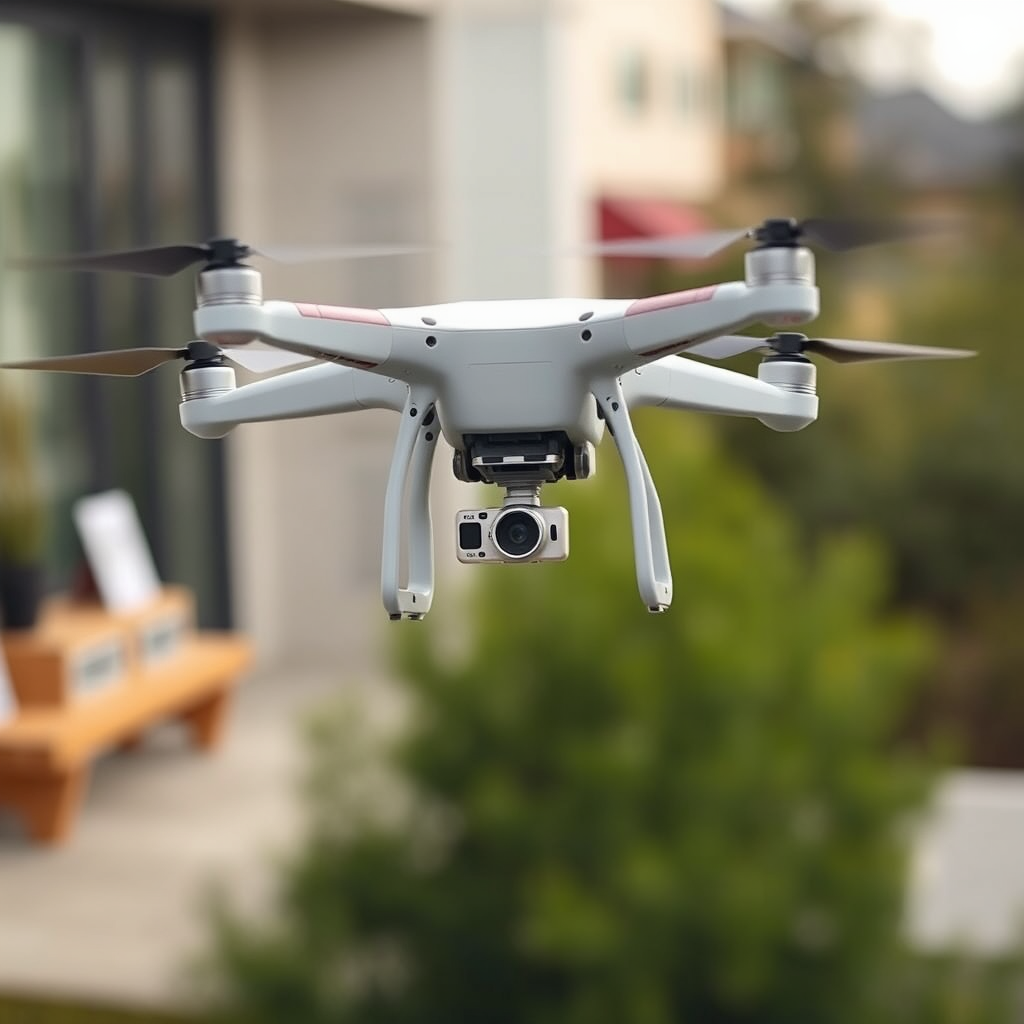
Recreational drones can typically fly up to 400 feet above ground level, adhering to regulations set by aviation authorities. This height limitation is crucial for ensuring safety and minimizing interference with manned aircraft, thereby protecting both drone operators and the general public. In this article, we will explore the factors that influence the flight height of recreational drones, legal considerations, and tips for safe flying, providing a comprehensive understanding for both novice and experienced drone enthusiasts.
Understanding Drone Flight Limits
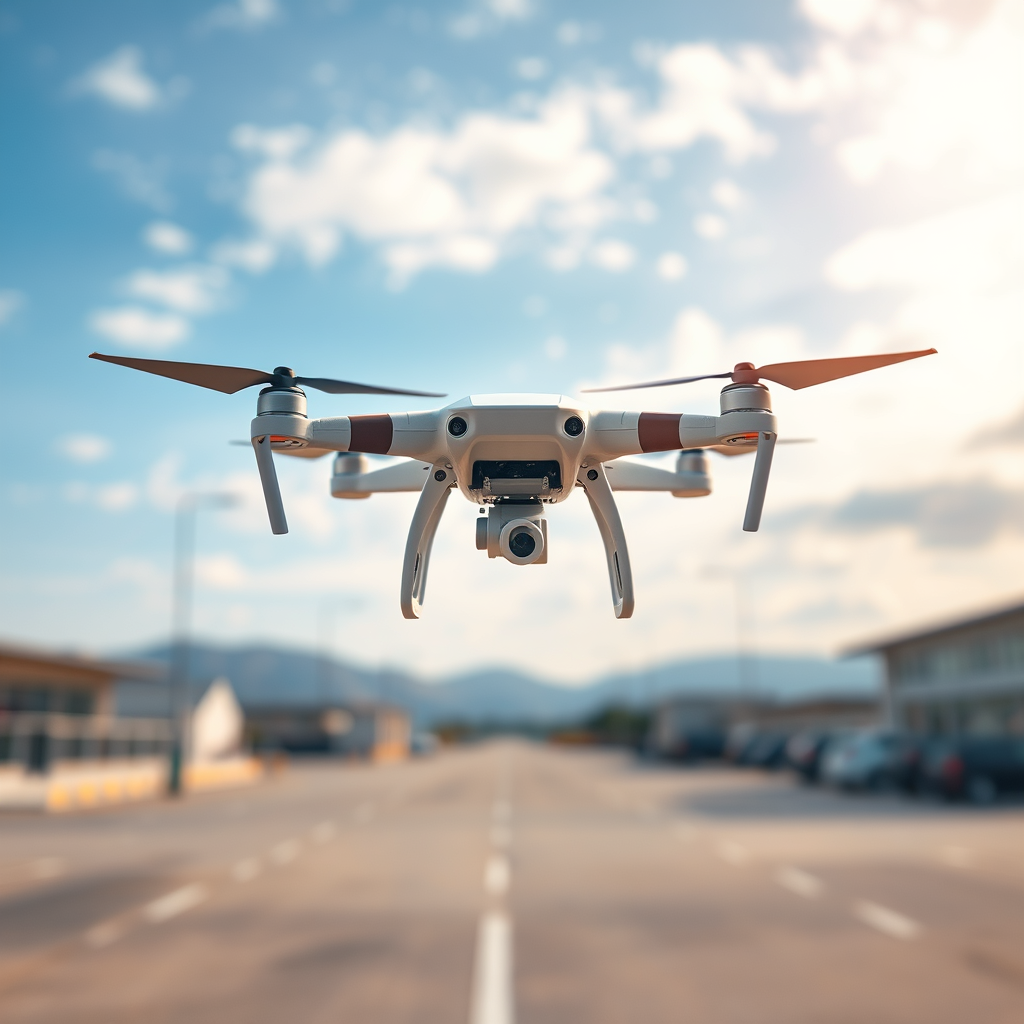
The Federal Aviation Administration (FAA) regulations explicitly state that recreational drones must not exceed an altitude of 400 feet above ground level. This altitude is designed to keep drones safely away from commercial air traffic, which typically operates at higher altitudes. Furthermore, many countries have similar regulations; for instance, in Canada, the maximum altitude for recreational drone use is also set at 400 feet. However, altitude restrictions can vary significantly by country, so it is imperative for drone operators to familiarize themselves with local laws and regulations before flying.
Additionally, certain areas may have specific altitude limitations due to proximity to airports, military bases, or other sensitive locations. These restrictions are enforced to maintain safety in the airspace and prevent any potential accidents. Therefore, understanding both the general limits and localized regulations is crucial for responsible drone operation.
Factors Affecting Maximum Flight Height
Several factors can influence the maximum flight height of recreational drones, primarily the specifications of the drone itself and the environmental conditions in which it operates.
1. Drone Specifications: Different drone models come with varying capabilities regarding altitude. High-end models may feature advanced sensors and GPS technology that allow them to maintain stable flight at higher altitudes, while entry-level drones might struggle to reach or stabilize at 400 feet due to less robust construction and technology. For example, a DJI Mavic Air 2 is engineered for higher performance in terms of altitude and stability compared to a budget-friendly drone that may have limited flight capabilities.
2. Environmental Conditions: Weather and terrain play significant roles in determining the safety and performance of drone flights. Windy conditions can affect a drone’s ability to maintain altitude, particularly at higher elevations. Additionally, flying in mountainous or densely forested areas can result in obstacles that may require a lower flight altitude for safety. Pilots must be vigilant about weather forecasts and consider terrain features that might impact their drone’s performance.
Legal Regulations for Drone Flight
Navigating the legal landscape surrounding drone operation is essential for all recreational drone pilots. In the United States, the FAA has established guidelines that govern recreational drone usage, including the requirement to fly below 400 feet, maintain visual line of sight with the drone, and avoid flying near airports or in restricted airspace.
Moreover, registration is mandatory for drones weighing over 0.55 pounds, which includes many popular recreational models. This registration process is straightforward and can be completed online, emphasizing the importance of compliance with regulatory requirements. By understanding airspace restrictions and ensuring that their drones are registered, operators can avoid hefty fines and other legal repercussions.
In addition to FAA regulations, many local jurisdictions have their own rules regarding drone flight, including prohibitions on flying in certain public parks or residential areas. Staying informed about these regulations not only enhances the safety of flying but also fosters a positive relationship between drone operators and the communities in which they fly.
Safety Considerations When Flying Drones
Safety should always be a top priority for recreational drone operators. One of the most critical safety guidelines is to maintain a visual line of sight with the drone at all times. This practice allows operators to better control their drone and quickly respond to any unexpected situations, such as other aircraft or sudden changes in weather conditions.
Additionally, drone pilots should aim to avoid populated areas and obstacles such as power lines, trees, and buildings. Not only does this minimize the risk of accidents, but it also reduces the likelihood of complaints from the public regarding privacy or safety concerns. For instance, flying in open fields or designated drone parks can enhance safety and enjoyment.
Operators should also familiarize themselves with emergency procedures, such as how to handle a drone malfunction or flyaway. Many modern drones come equipped with fail-safe features, such as return-to-home functions, which can be invaluable in maintaining safety during unforeseen circumstances.
Best Practices for Recreational Drone Use
To ensure a safe and enjoyable flying experience, recreational drone operators should adhere to best practices that promote safety and compliance with regulations.
1. Pre-flight Checks: Before taking off, conducting thorough pre-flight checks is vital. This includes ensuring that the drone’s batteries are fully charged, the propellers are securely attached, and the camera (if applicable) is functioning properly. Additionally, checking for any software updates can enhance the drone’s performance and safety features.
2. Stay Informed: The drone industry is continually evolving, with frequent updates in regulations and technological advancements. Operators should make it a habit to stay informed about changes in the law as well as new features or improvements in their drone’s hardware or software. Joining local drone clubs or online forums can be a great way to share experiences and stay updated on best practices.
3. Educate Yourself on Airspace: Understanding different types of airspace classifications—such as controlled, uncontrolled, and restricted airspace—is essential for safe flying. Utilizing apps and tools designed for drone pilots can help in planning flights and avoiding restricted areas.
Common Misconceptions About Drone Altitude
There are several misconceptions regarding drone altitude that can lead to misunderstandings among operators and the public. One widely held myth is that all drones can easily fly to altitudes well beyond the 400-foot limit. While some high-performance commercial drones are capable of flying higher, recreational drones designed for consumer use are typically limited by both regulations and their own technical specifications.
Another common misconception is that drone regulations differ little between recreational and commercial usage. In reality, commercial drone operators face stricter regulations and must obtain certifications, including a Part 107 license from the FAA, which requires knowledge of airspace rules and safety procedures. Understanding these distinctions is crucial for both safety and compliance.
Future Trends in Drone Flight Technology
The future of drone technology is promising, with ongoing innovations that may allow for higher and safer recreational flight. Developments in battery technology, for example, could lead to drones with extended flight times and improved altitude capabilities. Furthermore, advancements in autonomous flight systems may allow drones to navigate complex environments more effectively, enhancing safety and operational efficiency.
As these technologies evolve, so too will regulations surrounding drone usage. Regulatory bodies may introduce new guidelines to accommodate the changing landscape of drone technology, ensuring that safety remains a priority while fostering innovation. Keeping an eye on these trends will be essential for recreational drone operators who wish to remain compliant and take advantage of new capabilities.
In conclusion, while recreational drones can fly up to 400 feet, it is essential for operators to remain informed about regulations and best practices to ensure safe flying. Understanding the factors that influence flight height, adhering to legal requirements, and prioritizing safety can enhance the overall experience for both drone pilots and the communities in which they operate. Always check local laws and keep safety at the forefront of your drone activities to enjoy the full potential of this exciting technology.
Frequently Asked Questions
How high can recreational drones legally fly?
In the United States, the Federal Aviation Administration (FAA) regulates the maximum altitude for recreational drones at 400 feet above ground level. This limit is designed to prevent interference with manned aircraft and ensure safety in the airspace. It’s important for drone operators to be aware of local regulations, as some areas may have additional restrictions.
What factors can affect how high my recreational drone can fly?
Several factors can influence the maximum altitude of your recreational drone, including the drone’s design, battery capacity, weight, and environmental conditions such as wind and weather. Additionally, the presence of obstacles like buildings or trees can affect your drone’s ability to reach its maximum height. Always ensure you’re flying in compliance with local laws and safety guidelines.
Why do recreational drones have altitude limits?
Recreational drones have altitude limits primarily for safety and regulatory reasons. These restrictions help prevent collisions with manned aircraft, maintain order in the airspace, and minimize risks to people and property on the ground. By adhering to these altitude limits, drone pilots contribute to safer skies for everyone.
What are the best practices for flying my drone at high altitudes?
To fly your drone safely at high altitudes, always conduct a pre-flight check to ensure your drone is in optimal condition and fully charged. Familiarize yourself with the local airspace regulations and avoid flying near airports or restricted areas. Additionally, maintain visual line of sight with your drone and be aware of weather conditions that could impact your flight.
Which recreational drones are capable of flying the highest?
Some of the top recreational drones known for their high-altitude capabilities include models from DJI, such as the DJI Mavic Air 2 and the DJI Phantom 4 Pro, which can achieve altitudes close to the legal limit. However, it’s essential to remember that while these drones can technically reach higher altitudes, operators must still comply with local regulations and safety guidelines to ensure responsible flying.
References
- https://en.wikipedia.org/wiki/Drone#Regulations
- https://www.faa.gov/uas/getting_started/part_107/
- https://www.faa.gov/uas/commercial_operators/
- https://www.nytimes.com/2021/04/22/technology/drone-regulations.html
- https://www.reuters.com/technology/us-drone-regulations-2021-04-22/
- https://www.ncbi.nlm.nih.gov/pmc/articles/PMC6836880/
- https://www.aopa.org/news-and-media/all-news/2021/april/12/what-you-need-to-know-about-drone-regulations
- https://www.theguardian.com/technology/2021/jul/22/drone-regulations-uk-faa-eu
