
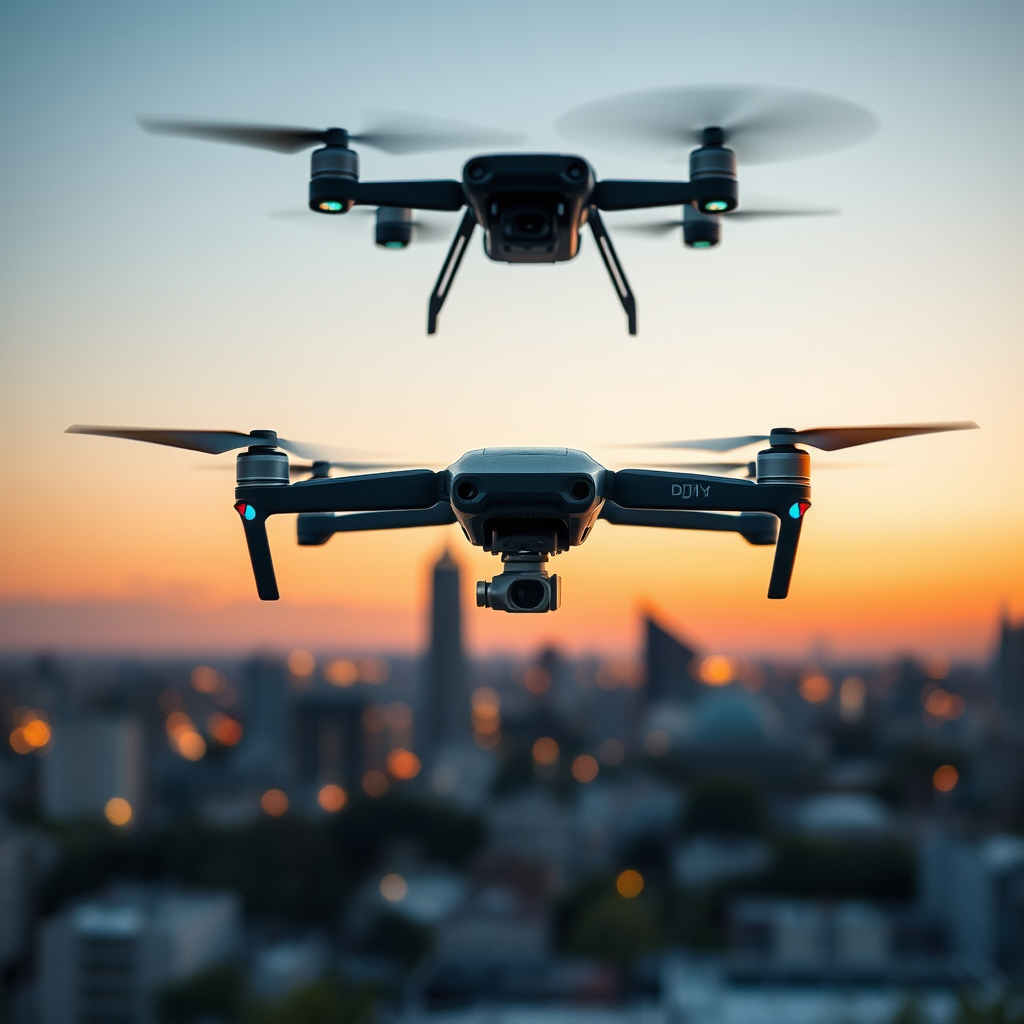
The DJI Neo drone can fly at a maximum altitude of approximately 4,000 meters (13,123 feet) above sea level. This impressive height allows users to capture stunning aerial footage and explore vast landscapes from a unique perspective. With such high capabilities, the DJI Neo opens up new possibilities for drone enthusiasts and professionals alike. In this article, we will delve into the specifics of the drone’s capabilities, its regulations, and tips for maximizing your flying experience.
Understanding the DJI Neo’s Specifications
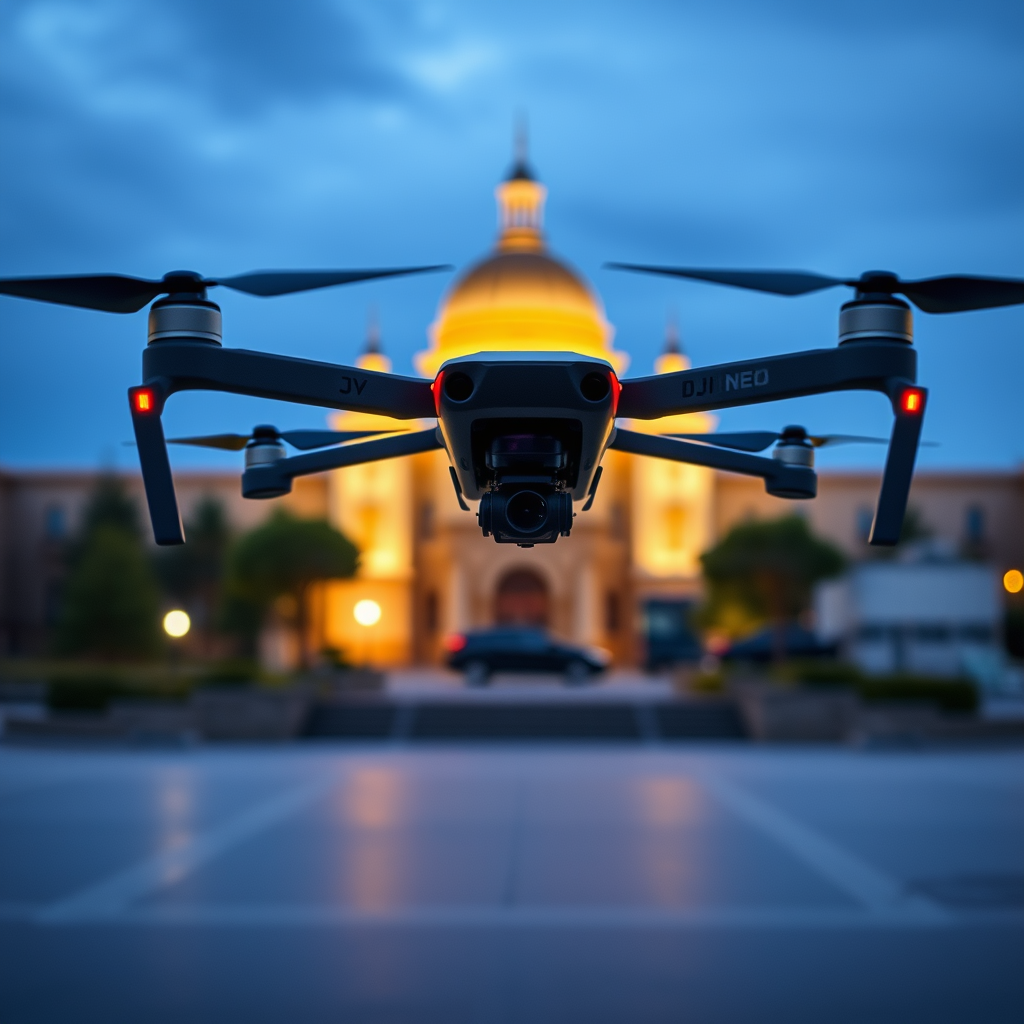
The DJI Neo drone boasts a maximum altitude rating of 4,000 meters, a feature that significantly enhances its utility for various applications, including aerial photography, surveying, and environmental monitoring. This altitude allows pilots to access remote areas that may be difficult to reach on foot, providing a bird’s-eye view of expansive terrains.
When it comes to battery performance, the DJI Neo is equipped with a robust battery that supports a flight time of approximately 30 to 35 minutes under optimal conditions. However, it is essential to note that flight time can vary at higher altitudes due to thinner air, which may impact lift and overall performance. Users should anticipate a potential decrease in flight time when flying at maximum altitude, as the motors will work harder to maintain stability and control in reduced air density.
Factors Influencing Flight Altitude
Several factors can influence the operational altitude of the DJI Neo drone. Weather conditions play a critical role; strong winds, rain, or storms can adversely affect a drone’s performance, especially at higher elevations where atmospheric conditions can change rapidly. High winds can lead to instability and may force pilots to lower their flying altitude for safety reasons.
Temperature and air density are also significant factors. As altitude increases, air becomes less dense, which can affect a drone’s lift capabilities. In colder temperatures, the battery performance may decline, reducing flight time and efficiency. For optimal performance, pilots are advised to monitor both temperature and weather forecasts before embarking on high-altitude flights.
Legal Regulations for Drone Flight Altitudes
In the United States, the Federal Aviation Administration (FAA) has established regulations regarding drone flight altitudes. The general rule permits drone operators to fly at altitudes up to 400 feet above ground level without special permissions. However, for drones like the DJI Neo, which can operate at greater heights, it is crucial to obtain necessary authorizations for flights above the standard limit.
Moreover, local laws and restrictions can vary significantly by region. Some states or municipalities may impose additional limitations on drone flight altitudes, especially in urban areas or near airports. Therefore, it is essential for drone operators to familiarize themselves with both federal and local regulations to ensure compliance and avoid penalties.
Tips for Safe High-Altitude Flying
To maximize safety during high-altitude flights, conducting thorough pre-flight checks is essential. Before takeoff, operators should ensure that the drone’s firmware is updated, all components are functioning correctly, and the battery is fully charged. It is also advisable to perform a test flight at a lower altitude to assess the drone’s responsiveness and performance before attempting higher altitudes.
Equipping the DJI Neo with additional accessories can enhance stability and performance at greater heights. For instance, using a high-quality gimbal stabilizer can help mitigate the effects of wind and improve image quality during aerial photography. Additionally, carrying extra batteries or a portable charging solution can extend flight time and allow for more extensive exploration without the need for frequent landings.
Comparing the DJI Neo with Other Drones
When assessing the DJI Neo’s altitude capabilities, it is beneficial to compare it with other drones on the market. Competing models, such as the Autel Robotics EVO Lite and the Skydio 2, also offer impressive flight height specifications but may have different maximum altitudes and features. The EVO Lite, for example, has a maximum altitude of around 5,000 meters, while the Skydio 2 is designed for superior obstacle avoidance, which can be a crucial factor at high elevations.
The advantages of the DJI Neo’s altitude capabilities include its user-friendly interface and high-quality imaging features. However, its maximum altitude may be considered a disadvantage compared to some competitors. Ultimately, the choice between drones will depend on specific user needs, whether for recreational use or professional applications.
User Experiences and Practical Applications
User experiences with the DJI Neo at high altitudes have generally been positive, with many operators praising its stability and image quality during flights. Testimonials indicate that photographers and videographers have successfully captured breathtaking landscape shots that were previously unattainable due to accessibility issues. Additionally, users in the surveying field report that the drone has significantly improved efficiency in data collection, allowing for detailed mapping of large areas from a high vantage point.
Various industries benefit from high-altitude drone flying, including agriculture, where drones can be used for crop monitoring and health assessments. In environmental research, the DJI Neo can access remote areas to study wildlife or monitor ecological changes. These practical applications highlight the versatility of the DJI Neo and its capability to serve multiple industries effectively.
Understanding how high the DJI Neo drone can fly not only enhances your flying experience but also ensures compliance with regulations and safety practices. Whether you’re a hobbyist or a professional, knowing the drone’s capabilities will help you make the most of your aerial adventures. By adhering to best practices and understanding the factors affecting altitude, you can fully leverage the DJI Neo’s impressive features for a variety of applications.
Frequently Asked Questions
What is the maximum altitude the DJI Neo drone can achieve?
The DJI Neo drone can reach a maximum altitude of approximately 6,000 meters (about 19,685 feet) above sea level. However, the actual flying height may vary based on local regulations, weather conditions, and battery life. It’s important for users to check their local laws regarding drone flight to ensure compliance with altitude restrictions.
How can I increase the altitude range of my DJI Neo drone?
To maximize the altitude range of your DJI Neo drone, ensure it’s operating in optimal conditions, such as clear weather and minimal wind. Additionally, regularly update the drone’s firmware, maintain the battery health, and conduct pre-flight checks to ensure all systems are functioning correctly. However, always adhere to legal altitude limits set by aviation authorities in your region.
Why is it important to know the flying altitude of the DJI Neo drone?
Understanding the flying altitude of the DJI Neo drone is crucial for safety, compliance with regulations, and achieving optimal performance. Knowing the altitude limits helps prevent interference with manned aircraft and ensures a stable flight path. Moreover, staying within the recommended altitude can prevent accidents and enhance the quality of aerial footage captured.
What altitude should I fly my DJI Neo drone for optimal performance?
For optimal performance, it’s recommended to fly the DJI Neo drone at altitudes between 100 to 400 feet above ground level. This range allows for clear visibility, reduces the risk of interference with other aircraft, and enhances the quality of images and videos captured. Keep in mind that specific altitude requirements may also depend on the type of aerial photography or surveying work being conducted.
Which factors can affect the flying height of my DJI Neo drone?
Several factors can influence the flying height of your DJI Neo drone, including air density, battery charge, weather conditions, and GPS signal strength. Higher altitudes can lead to reduced battery efficiency due to thinner air, while strong winds or rain can also affect stability and control. Always assess these variables before flight to ensure a safe and successful drone operation.
References
- https://en.wikipedia.org/wiki/Drone
- https://www.faa.gov/uas/getting_started/remote_pilot_certification
- https://www.reuters.com/technology/drone-flying-where-its-legal-2021-03-29/
- https://www.wired.com/story/faa-drone-regulations/
- https://www.sciencedirect.com/topics/engineering/unmanned-aerial-vehicles
- https://www.nasa.gov/feature/what-you-need-to-know-about-drones
- https://www.theguardian.com/technology/2020/aug/19/the-race-to-figure-out-how-high-drones-can-fly
