
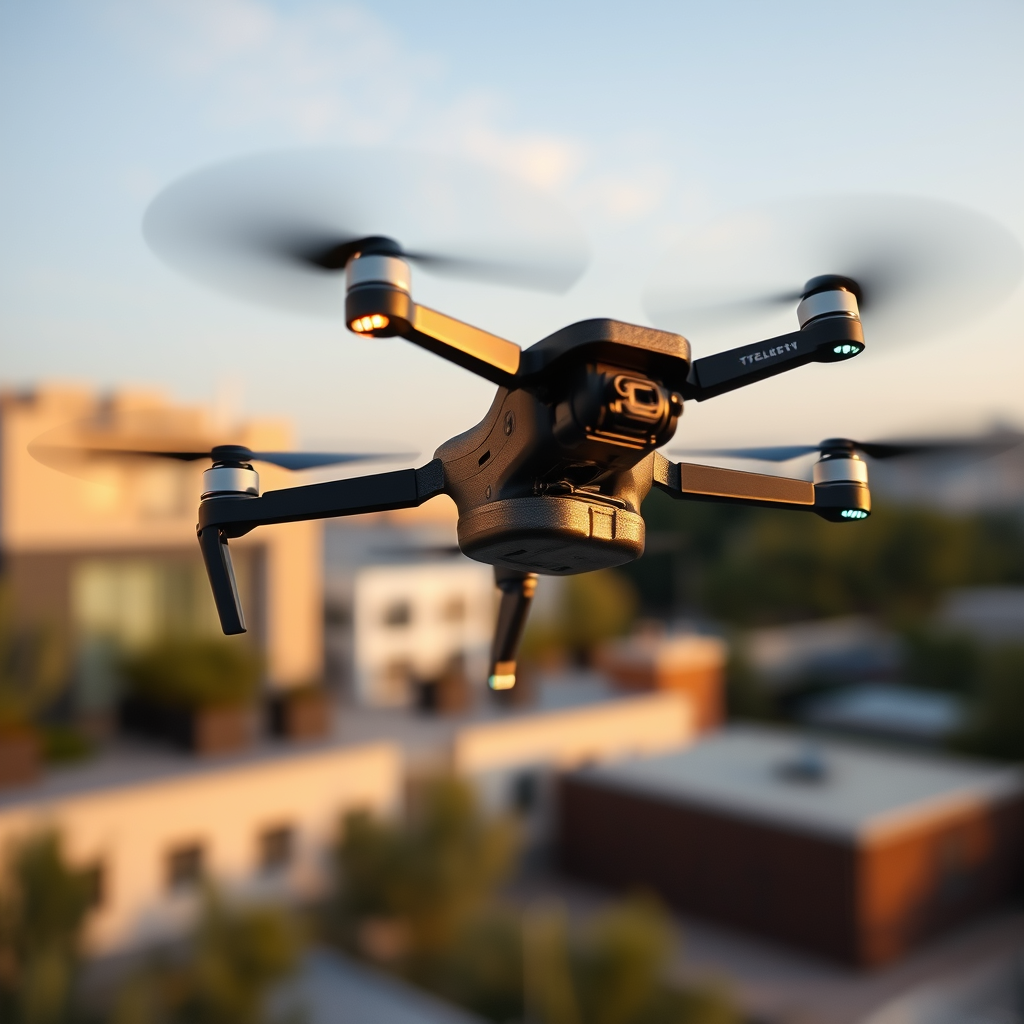
The Tello drone can fly up to a maximum altitude of 100 meters (328 feet) under optimal conditions. This compact and lightweight drone, designed primarily for beginners, provides a stable flying experience that can be thrilling and educational. However, various factors can influence how high it can actually fly in practice. In this article, we will delve into the factors that affect its flying height, pertinent safety regulations, and practical tips for maximizing the performance of your Tello drone.
Understanding Tello’s Maximum Altitude
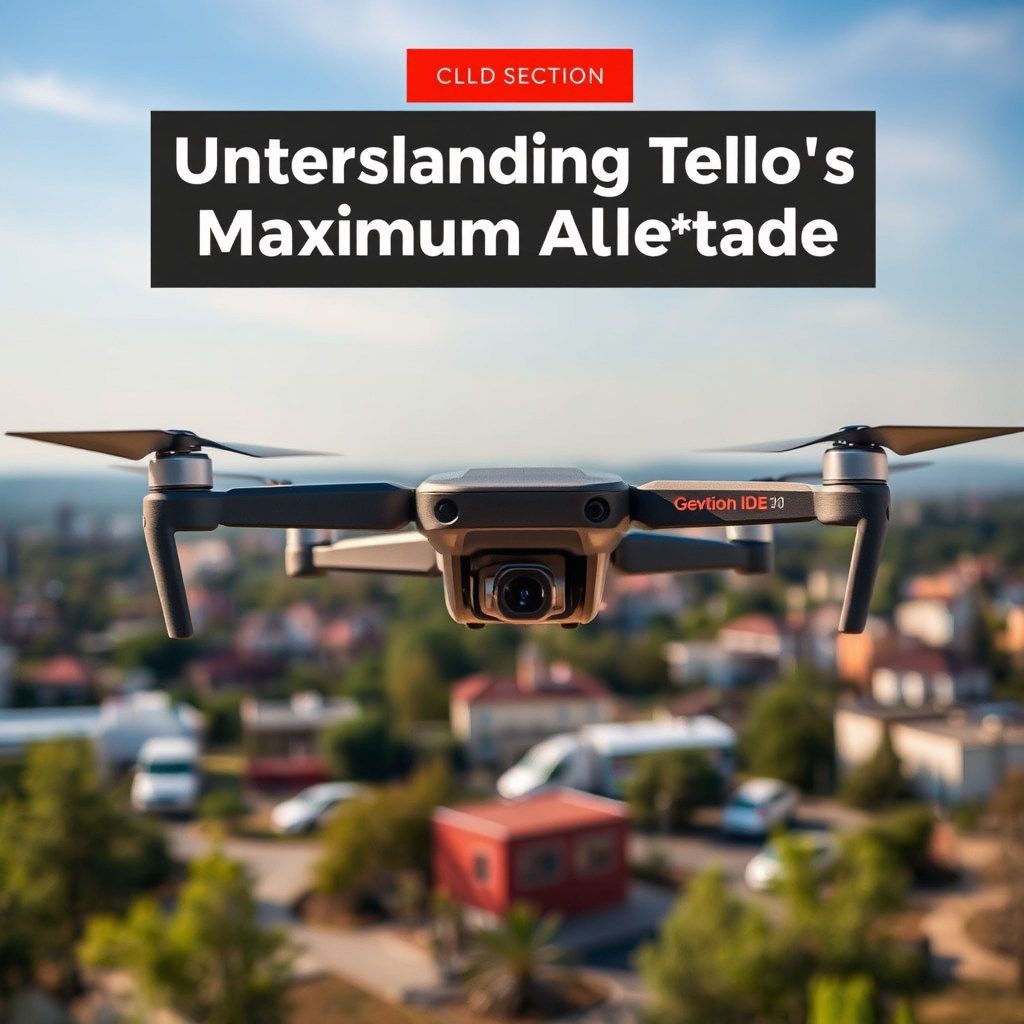
Tello’s advertised maximum height is set at 100 meters (328 feet), making it a competitive option among entry-level drones. This altitude is significant for casual users who wish to capture impressive aerial shots or experience the thrill of flying from a height. However, achieving this maximum is contingent upon flying conditions. Factors such as battery life, signal strength, and environmental influences can lead to variations in actual flying height. For instance, many users report that achieving the full 100 meters is often more challenging in urban areas with signal interference or when flying in windy conditions.
Factors Affecting Flight Height
Several environmental and technical factors can limit the altitude at which a Tello drone can operate.
– Weather Conditions: Wind speed and precipitation are critical elements that can dramatically affect flight stability and maximum altitude. A strong gust of wind can push the drone off course or even cause it to crash, leading to cautious flying practices on windy days. Similarly, flying in the rain can dampen electronic components and decrease flight performance, making it advisable to check weather forecasts before flying.
– GPS Signal Strength: The Tello drone relies on GPS signals to maintain its altitude and navigate effectively. In areas with poor GPS reception, such as dense urban settings or close to tall buildings, the drone may struggle to achieve its maximum height. Users should aim to fly in open areas with a clear line of sight to the sky to ensure optimal GPS performance, which is essential for maximizing altitude.
Safety Regulations and Restrictions
When operating a drone like the Tello, it is imperative to understand local laws and regulations regarding altitude restrictions. Many countries have enacted drone regulations that impose strict limits on how high a drone can fly, particularly in populated areas. For instance, in the United States, the Federal Aviation Administration (FAA) sets a maximum altitude of 400 feet for recreational drone users.
Additionally, knowledge of airspace classifications is crucial. Certain areas, such as near airports or military installations, may have additional restrictions that could limit flight height and require permission for operation. Familiarizing oneself with local drone laws not only ensures compliance but also contributes to safer flying practices.
Tips for Maximizing Tello’s Flight Performance
To enhance the flying experience and achieve the highest altitude possible with your Tello drone, consider implementing the following tips:
– Fly in Open Areas: Selecting locations with minimal interference, such as parks or wide-open fields, can significantly improve altitude performance. This allows the Tello to maintain a strong connection with GPS satellites and avoid obstacles that could disrupt its flight path.
– Battery Management: Always ensure that the battery is fully charged before flight. A well-charged battery not only contributes to longer flight times but also supports the drone’s ability to reach higher altitudes. Additionally, consider investing in spare batteries for extended flying sessions.
– Pre-Flight Checks: Conducting a pre-flight check can help identify any issues that might affect performance. This includes checking propellers for damage, ensuring the drone is calibrated correctly, and verifying that software is up to date.
Troubleshooting Common Height Issues
If you find that your Tello drone is not reaching its expected altitude, several troubleshooting steps can help restore optimal flight capabilities:
– Signal Loss: If you experience a loss of signal, the Tello may retract to a safer altitude. Ensure that you are within the recommended range of the controller and that there are no obstructions between the drone and the remote control.
– Interference Issues: Electronic interference from nearby devices can also impact flight performance. To mitigate this, try to fly away from areas with high electromagnetic interference, such as near power lines or cell towers.
– Recalibration: If your drone consistently fails to reach its maximum altitude, consider recalibrating it. This process can help realign the drone’s sensors and improve overall flight performance. Refer to the manufacturer’s guidelines for steps on how to properly calibrate your Tello drone.
User Experiences and Real-World Testing
Many Tello users have shared their experiences online, providing valuable insights into the drone’s performance under varying conditions. Some users report successfully reaching altitudes close to the maximum advertised height on calm days in open areas, while others note that urban environments often restrict their flying capabilities.
Anecdotal evidence suggests that flying early in the morning or later in the evening—when wind speeds tend to be lower—can enhance altitude performance. Additionally, many users emphasize the importance of thorough pre-flight checks and proper battery management for achieving optimal results.
Conclusion
In conclusion, while the Tello drone can technically fly up to 100 meters, various factors can affect this limit, including environmental conditions, GPS signal strength, and local regulations. By being aware of these influences and adhering to safety guidelines, users can enhance their flying experience and maximize the performance of their Tello drone. Ready to take your Tello to new heights? Grab yours and start exploring today!
Frequently Asked Questions
How high can the Tello drone fly?
The Tello drone can reach a maximum altitude of approximately 100 meters, or about 328 feet. However, it’s important to note that this limit may vary based on factors such as battery life, GPS signal strength, and environmental conditions. To ensure safe operation, always adhere to local regulations regarding maximum flight heights.
What factors affect the flight height of the Tello drone?
Several factors can impact the flight height of the Tello drone, including wind conditions, battery charge level, and the surrounding environment. For example, strong winds can cause instability, limiting how high the drone can safely fly. Additionally, lower battery levels may trigger automatic descent to conserve energy, thereby affecting maximum altitude.
Why is it important to know the maximum height of the Tello drone?
Understanding the maximum height of the Tello drone is crucial for ensuring compliance with aviation regulations and for safe flying practices. Knowing this limit helps prevent accidental breaches of airspace laws and reduces the risk of collisions with manned aircraft. It also allows pilots to better plan their flights, optimizing the drone’s performance within safe operational limits.
What is the best way to maximize the Tello drone’s flight height?
To maximize the Tello drone’s flight height, ensure that you fly in open areas with minimal obstructions and favorable weather conditions. Fully charging the battery before flight also helps, as a higher energy level allows for better performance. Additionally, using the Tello app to monitor the drone’s altitude and maintaining a stable GPS signal can contribute to achieving optimal flight heights.
Which restrictions should I be aware of when flying the Tello drone at high altitudes?
When flying the Tello drone at high altitudes, you must adhere to local regulations that often restrict drone operations to below 400 feet in many regions. Additionally, be mindful of controlled airspace, including areas near airports or other restricted zones, where flight is prohibited. Always check your local laws and guidelines to ensure you’re flying safely and legally.
References
- https://en.wikipedia.org/wiki/Parrot_Tello
- https://www.faa.gov/uas/getting_started/remote_id
- https://www.nytimes.com/2020/07/24/technology/drones-usage.html
- https://www.theguardian.com/us-news/2021/nov/18/drones-faa-regulations-safety
- https://www.sciencedirect.com/topics/engineering/unmanned-aerial-vehicle
- https://www.reuters.com/technology/drones-what-you-need-know-2021-03-05/
