
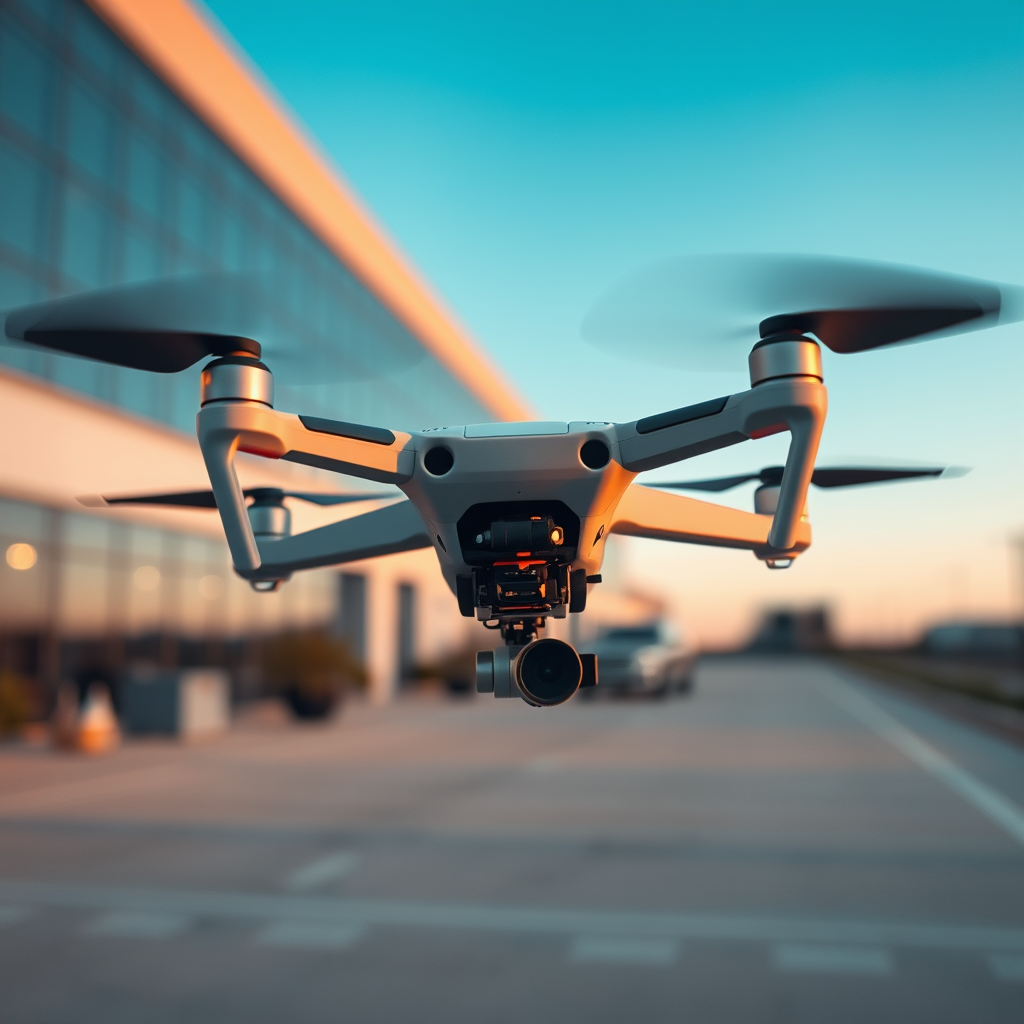
In Texas, the maximum altitude for flying a drone is typically 400 feet above ground level, in accordance with FAA regulations. This altitude limit is crucial for ensuring the safety of both drone operators and manned aircraft. However, there are specific local laws and guidelines that may influence this limit, making it essential for drone pilots to stay informed. This article explores the legal altitude restrictions for drone flying in Texas, safety considerations, and tips for responsible flying.
Understanding FAA Regulations
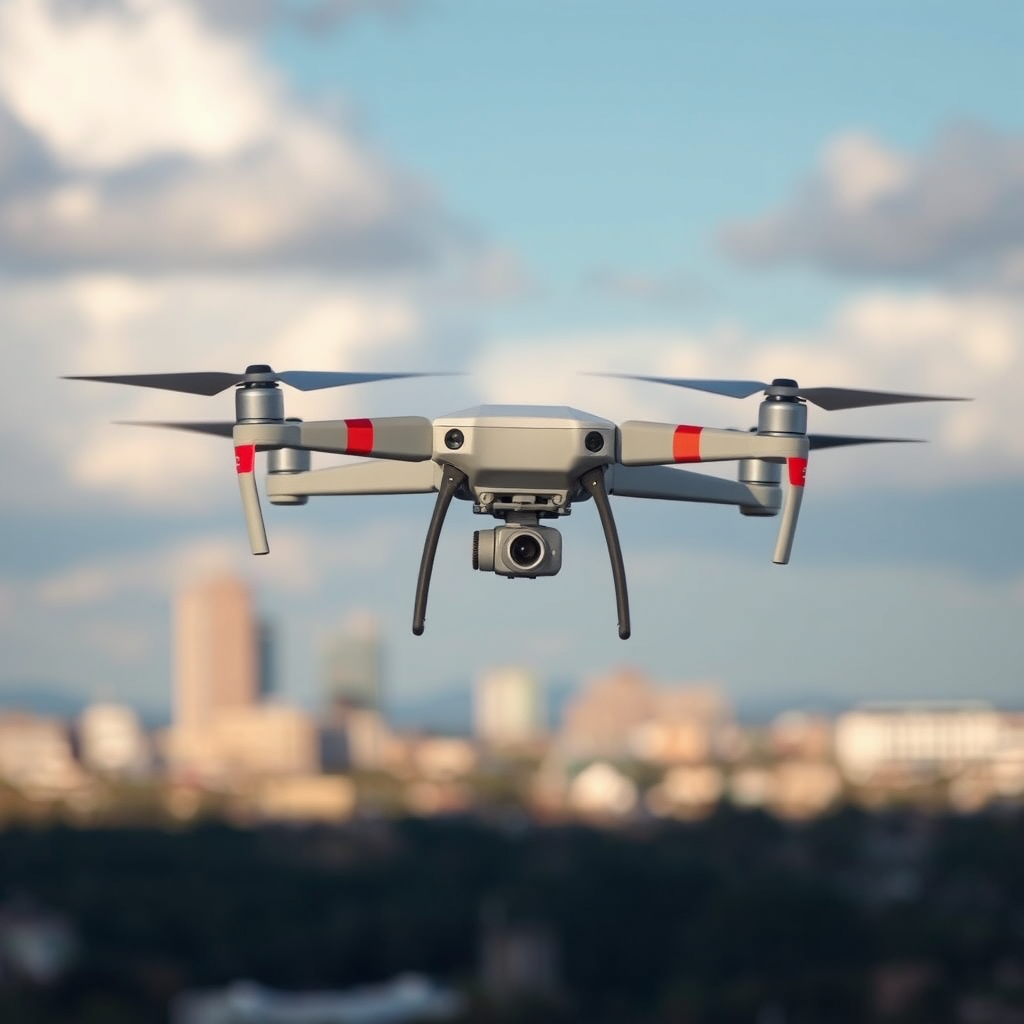
The Federal Aviation Administration (FAA) establishes the primary framework for drone operations across the United States, including Texas. According to FAA regulations, all drones must operate below 400 feet above ground level, particularly when flying in uncontrolled airspace. This altitude restriction is designed to minimize the risk of collisions with manned aircraft, which typically operate at altitudes above this limit.
Moreover, FAA guidelines require that drone operators maintain visual line-of-sight (VLOS) with their drones during flight. VLOS ensures that operators can see their drones at all times, allowing for better control and decision-making. This requirement not only helps ensure the safety of the operation but also fosters responsible flying practices, as operators are more likely to avoid restricted areas or potential hazards when they can see their drone.
Local Laws and Restrictions
While the FAA sets the standard altitude limit, local laws and regulations in Texas can impose additional restrictions. For instance, flying in national parks, wildlife refuges, or urban areas may involve specific rules that could limit altitude or even prohibit drone flights altogether. Cities like Austin and Houston may have municipal codes that regulate drone usage to protect public safety and privacy.
Before embarking on a drone flight, it’s crucial to check local regulations. Many municipalities maintain their own ordinances regarding drone operations. Websites like the Texas Department of Transportation offer resources where drone pilots can access relevant information about local laws, ensuring compliance. Additionally, staying updated on any changes in legislation is vital, as drone laws are evolving rapidly in response to technological advancements and public concerns.
Safety Considerations
Safety should be the foremost concern for any drone pilot, particularly when flying at higher altitudes. Operating a drone at altitudes near the maximum limit increases the likelihood of encountering manned aircraft, which poses a significant risk of mid-air collisions. For example, in busy airspaces near airports, even a small drone can become a serious hazard if not operated responsibly.
Weather conditions also play a critical role in safe drone operation. High altitudes can expose drones to stronger winds, temperature variations, and unpredictable weather patterns that may affect flight stability. Pilots should constantly monitor weather forecasts and avoid flying in adverse conditions such as thunderstorms, high winds, or low visibility. Tools like mobile weather apps can help pilots make informed decisions regarding their flight plans based on current conditions.
Drone Types and Performance
The type of drone being operated can significantly impact altitude capabilities. While most consumer drones are designed to comply with the 400-foot FAA limit, some professional-grade models can exceed this limit. For instance, commercial drones used for mapping or surveying may have operational ceilings well above 400 feet. However, it is crucial for operators of such drones to adhere to legal limits and not exceed them, regardless of the drone’s capabilities.
Understanding your drone’s specifications is essential for safe operation. This includes knowing its maximum altitude, battery life, and operational range. Many drones come equipped with built-in altitude limiters that prevent them from exceeding the legal altitude, but pilots should always double-check these settings before flight. Additionally, pilots should familiarize themselves with the drone’s user manual and any relevant operating guidelines provided by the manufacturer.
Best Practices for Responsible Flying
Responsible flying is not just about adhering to regulations; it encompasses a broader commitment to safety and respect for the community. One of the best practices is to conduct a thorough pre-flight check. This includes inspecting the drone for any mechanical issues, ensuring the battery is fully charged, and confirming that the GPS and other essential systems are functioning correctly.
Respecting the privacy of others is another critical aspect of responsible flying. Avoid flying near populated areas, schools, hospitals, or private properties without permission. This helps prevent potential legal issues and fosters goodwill within the community. Additionally, pilots should be aware of no-fly zones and restricted airspaces, which can often be found on aviation maps and drone apps.
Joining local drone clubs or online communities can also enhance responsible flying practices. These platforms provide opportunities for education, support, and shared experiences, helping pilots to learn from one another and promote safer flying habits.
Resources for Drone Pilots in Texas
The Texas Department of Transportation and the FAA offer a wealth of resources for drone pilots, including guidelines, safety tips, and updates on local regulations. The department provides an online portal where operators can find detailed information about where and how to fly legally in Texas.
Additionally, aspiring and seasoned drone pilots can benefit from joining local drone clubs or online forums. Platforms like Meetup or Facebook groups host communities of drone enthusiasts who share knowledge, experiences, and resources. These communities can be invaluable for gaining insights into local regulations, best practices, and tips for enhancing flying skills.
In conclusion, while the FAA allows drone flights up to 400 feet in Texas, it is imperative to remain informed about local laws and safety practices. Being aware of the various regulations, understanding the performance of your drone, and adhering to responsible flying practices will help ensure a safe and enjoyable flying experience. For more information, consider reaching out to local aviation authorities or drone organizations that can provide guidance and support. By prioritizing safety and compliance, drone pilots can contribute positively to the growing world of unmanned aerial vehicles.
Frequently Asked Questions
What is the maximum legal altitude for flying a drone in Texas?
In Texas, as per FAA regulations, the maximum altitude for flying a drone is generally 400 feet above ground level. This rule is in place to prevent interference with manned aircraft, which typically fly at higher altitudes. Additionally, if your drone is flown within 400 feet of a structure, you may fly up to 400 feet above that structure, but it’s crucial to maintain a visual line of sight with your drone at all times.
How do I know if I can fly my drone higher than 400 feet in Texas?
Flying above the 400-foot limit in Texas is only permissible under specific conditions, such as when you have special authorization from the FAA, which is typically granted for commercial operations under Part 107. You must also ensure compliance with local laws and regulations, as some municipalities may have additional restrictions on drone flights. Always check the FAA’s guidelines and local ordinances before attempting to fly higher.
Why is there a height limit for drones in Texas?
The height limit for drones in Texas, as set by the FAA, primarily aims to ensure safety in the airspace. Drones flying above 400 feet may interfere with manned aircraft operations and increase the risk of mid-air collisions. The regulations help maintain orderly air traffic while allowing recreational and commercial drone operators to enjoy their flights safely.
What are the best practices for flying a drone at high altitudes in Texas?
To fly your drone safely at high altitudes in Texas, always adhere to the 400-foot altitude limit unless you have special permission. Make sure to conduct a pre-flight check of your drone, including battery life and GPS signal, and maintain visual line of sight to avoid losing control. Additionally, stay informed about any temporary flight restrictions and weather conditions that may affect your flying experience.
Which areas in Texas have specific altitude restrictions for drones?
Certain areas in Texas, such as near airports, military bases, and national parks, have specific altitude restrictions for drone flights, which may be more stringent than the general 400-foot rule. Always consult the FAA’s B4UFLY app or the FAA’s website for real-time airspace information and any local restrictions before flying your drone. Understanding these regulations is essential for compliant and safe drone operation in Texas.
References
- https://www.faa.gov/uas/getting_started/part_107/
- https://www.faa.gov/uas/
- https://www.txdot.gov/inside-txdot/division/aviation.html
- https://www.cnn.com/2021/04/29/tech/drone-regulations-explained/index.html
- https://www.npr.org/2020/07/25/895834288/what-you-need-to-know-about-flying-drones-in-the-u-s
