

To fly a drone over private property, you can typically operate at altitudes up to 400 feet above ground level, as long as you comply with local regulations and respect property boundaries. However, various laws and restrictions may apply, so it’s crucial to understand the rules governing drone flight in your area. Navigating the legal landscape of drone operation, particularly over private property, requires awareness of federal, state, and local regulations, as well as an understanding of privacy concerns and best practices for respectful flying.
Understanding FAA Regulations
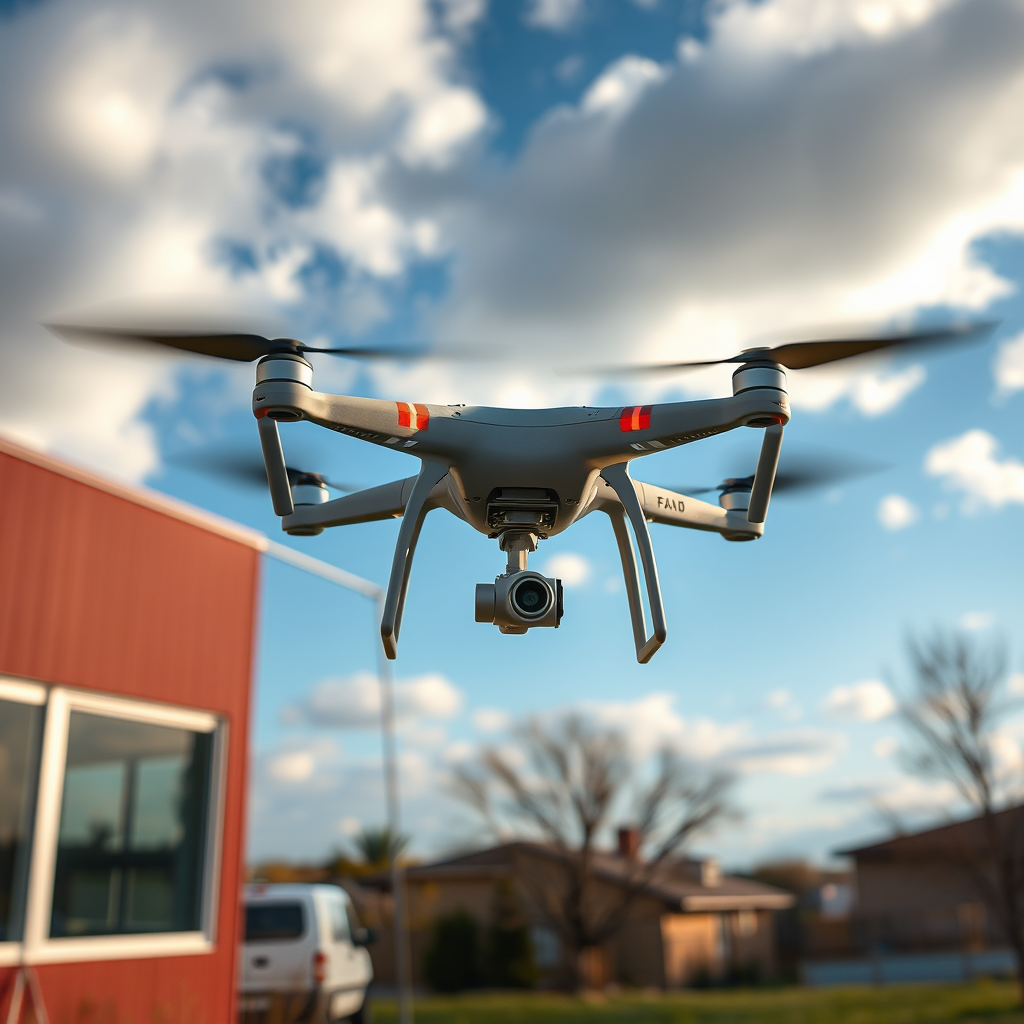
The Federal Aviation Administration (FAA) is the primary regulatory body governing drone flight in the United States. Under FAA regulations, drones must not exceed an altitude of 400 feet in uncontrolled airspace, which includes most areas outside of controlled airports. This height restriction is designed to ensure that drones do not interfere with manned aircraft operations.
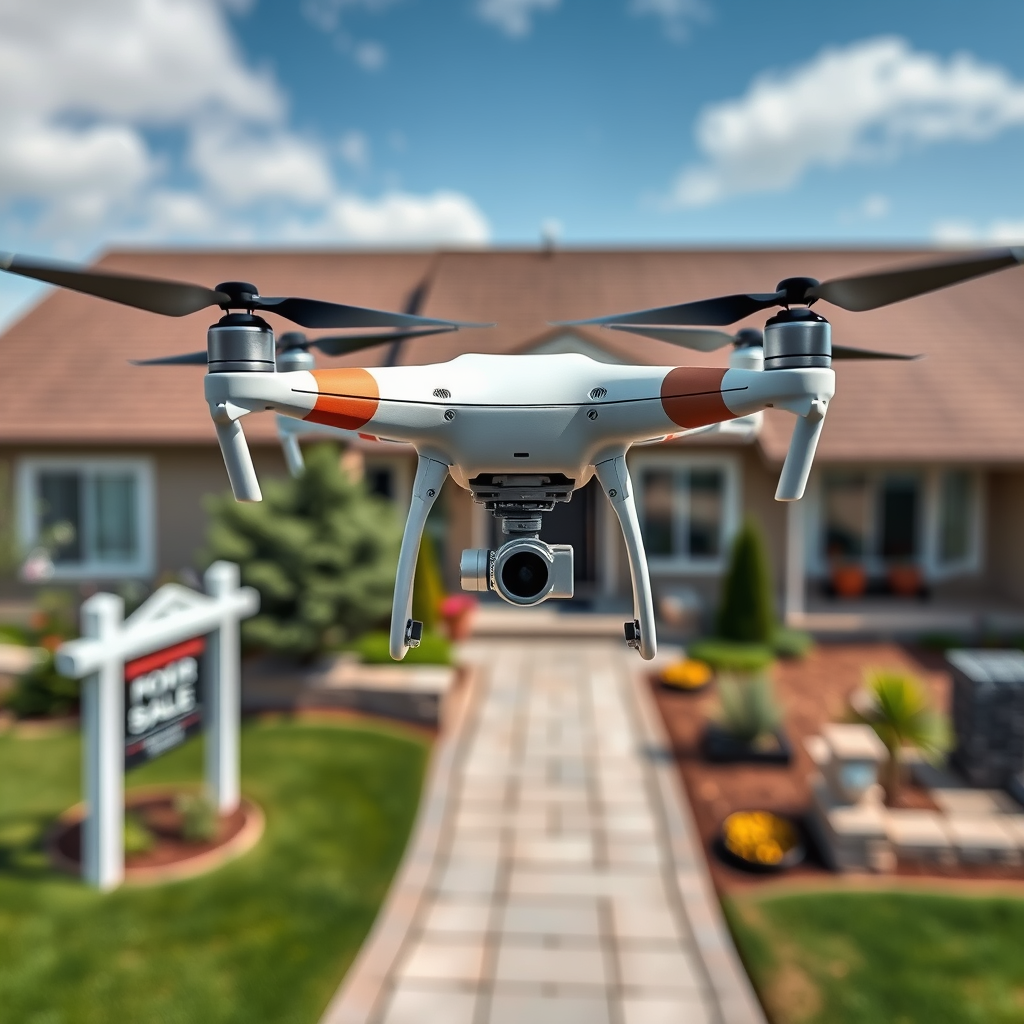
Moreover, drone operators must adhere to specific operational guidelines, such as maintaining visual line of sight with the drone and avoiding restricted airspace. For instance, if you are flying near an airport or in a populated area, additional restrictions may apply. Familiarizing yourself with the FAA’s rules is essential for any drone pilot who wishes to operate legally and safely.
Additionally, the FAA has established the Part 107 rules that govern the commercial use of drones. If you plan to operate your drone for business purposes, you must obtain a Remote Pilot Certificate, which involves passing a knowledge test to demonstrate your understanding of airspace regulations, weather, and emergency procedures.
State and Local Laws
In addition to federal regulations, each state may impose its own laws regarding drone flight over private property. Some states have enacted specific statutes that address aerial trespassing, which can make it illegal to fly a drone over someone else’s land without permission. For example, states like California and Florida have laws that explicitly protect property owners from unauthorized aerial surveillance.
Local ordinances can also add another layer of complexity; cities or counties may have their own rules governing drone use, including restrictions on flying in certain areas or during specific times. Therefore, it is crucial for drone pilots to conduct thorough research on both state and local laws before flying. Websites such as the National Conference of State Legislatures provide up-to-date information on state-specific drone regulations, making it easier for operators to stay informed.
Respecting Privacy Rights
While the joy of flying a drone can be exhilarating, it’s vital to be aware of the privacy rights of others. Flying a drone over someone else’s property can raise significant privacy concerns, particularly if you are capturing images or videos. Many property owners may feel that their privacy is invaded if they observe a drone hovering above their home or yard.
As a best practice, it is advisable to communicate with property owners if you plan to fly over their land. Obtaining permission not only fosters goodwill but also helps you avoid potential confrontations or accusations of privacy invasion. In some states, such as New York, the law explicitly prohibits drone operators from using their drones to photograph or video record private property without consent, underscoring the importance of respecting individuals’ rights to privacy.
Potential Consequences of Violating Rules
Ignoring FAA regulations or local laws can have serious repercussions for drone operators. Potential consequences can range from fines and legal penalties to confiscation of the drone. The FAA has the authority to impose civil penalties for violations, which can vary widely depending on the severity of the infraction. For example, fines for operating a drone without a Remote Pilot Certificate can reach thousands of dollars.
Additionally, civil suits may arise if a property owner believes their rights have been violated. This could lead to costly legal battles and reputational damage for the drone operator. Understanding these risks is essential for anyone considering flying a drone over private property, as legal troubles can quickly overshadow the enjoyment of drone flight.
Best Practices for Drone Operators
To ensure responsible drone operation, following best practices is essential. First and foremost, always communicate with property owners if you intend to fly over their land. A simple conversation can go a long way in fostering a positive relationship and easing any concerns the property owner may have.
Additionally, staying informed about the latest drone laws and community guidelines is crucial. As regulations can change frequently, subscribing to newsletters from the FAA and local aviation authorities can keep you updated on any new rules or amendments.
Moreover, consider joining local drone flying clubs or organizations. These groups often provide valuable resources, including training, workshops, and networking opportunities with other drone enthusiasts. Participating in community events can enhance your skills while allowing you to learn from others’ experiences.
Lastly, consider obtaining liability insurance for your drone operations. Insurance can protect you against potential legal claims or damages arising from accidents, adding an extra layer of security as you enjoy flying.
Resources for Drone Pilots
Numerous online resources are available to help drone pilots navigate the complexities of regulations and best practices. Websites such as the FAA’s official site provide comprehensive information regarding federal regulations, safety guidelines, and updates on drone policies.
Social media platforms and online forums, such as Reddit’s drone community or dedicated Facebook groups, can also serve as valuable spaces for sharing experiences and advice. Many seasoned pilots are eager to provide insights into local laws and flying tips, making these platforms excellent for peer support.
Moreover, local drone flying clubs often have resources, training sessions, and networking opportunities. Joining such clubs can foster a sense of belonging within the drone community and provide practical knowledge that may not be readily available elsewhere.
In conclusion, while you can generally fly a drone up to 400 feet over private property, it is essential to stay informed about the laws and respect the privacy of property owners. Understanding FAA regulations, state and local laws, and the potential consequences of violating these rules is crucial for responsible drone operation. Always communicate with property owners and engage with communities to ensure that your drone flying experience is legal, safe, and enjoyable.
Frequently Asked Questions
What is the maximum altitude I can fly my drone over private property?
The Federal Aviation Administration (FAA) regulations state that the maximum altitude for flying a drone in the United States is generally 400 feet above ground level, regardless of whether you are over private property or public land. However, local laws and property rights may impose additional restrictions, so it’s essential to check state and local regulations before flying your drone to ensure compliance.
How do property rights affect drone flight over private land?
Property rights can significantly impact your ability to fly a drone over private property. While the FAA regulates airspace, landowners have rights to the airspace directly above their property, typically up to 200 feet. This means that even if you are flying below 400 feet, you may need permission from the property owner to fly over their land, especially if you are capturing images or video.
Why do I need to consider local laws when flying a drone over private property?
Local laws and ordinances can impose additional restrictions on drone operations that go beyond federal regulations. Certain municipalities may have specific rules regarding drone use, including designated no-fly zones, noise ordinances, or permissions required for commercial use. Failing to adhere to these local regulations can result in fines or confiscation of your drone, making it crucial to research the laws in your area.
What are the best practices for flying a drone over private property?
To ensure a safe and legal drone flight over private property, always seek permission from the property owner before launching your drone. Familiarize yourself with the drone regulations set by the FAA and local authorities. Additionally, maintain a visual line of sight with your drone, avoid flying over crowds, and be mindful of privacy concerns to foster good relations with property owners and the community.
Which drones are best suited for flying over private property?
The best drones for flying over private property are those equipped with stable GPS, high-resolution cameras, and obstacle avoidance features, such as the DJI Mavic Air 2 or the Phantom 4 Pro. These drones offer excellent flight stability and image quality, making them ideal for capturing aerial footage while ensuring compliance with FAA regulations. When selecting a drone, consider its range, battery life, and the specific needs of your aerial photography or mapping projects.
References
- https://www.faa.gov/uas/getting_started/part_107
- https://www.faa.gov/uas/
- https://www.npr.org/2021/04/08/985676074/drone-laws-and-regulations-what-to-know
- https://www.wired.com/story/drone-laws/
- https://www.bbc.com/news/technology-53398924
- https://www.atu.edu/airtraffic/docs/Drone%20Regulations%20and%20Airspace%20Use.pdf
- https://www.nolo.com/legal-encyclopedia/drone-law-overview-29734.html
- https://www.theguardian.com/us-news/2020/jul/02/drones-privacy-laws-usa
