
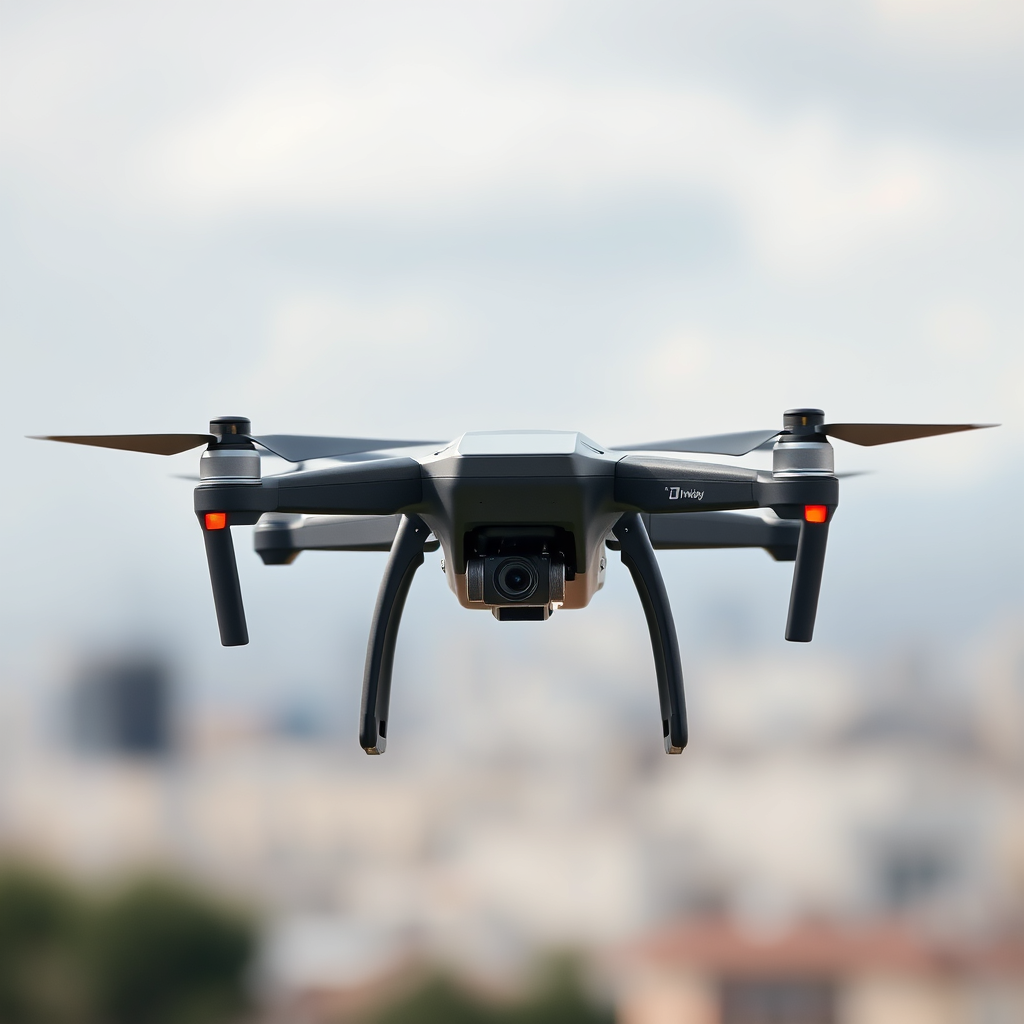
You can typically fly a drone up to 400 feet above ground level in most areas, as regulated by the FAA. However, various factors can influence this altitude, including local laws and the type of drone you are operating. Understanding these parameters is essential for compliance and safety. This article explores the limits on drone flight altitude, regulations, and tips for safe flying to help you navigate the skies responsibly.
Understanding FAA Regulations
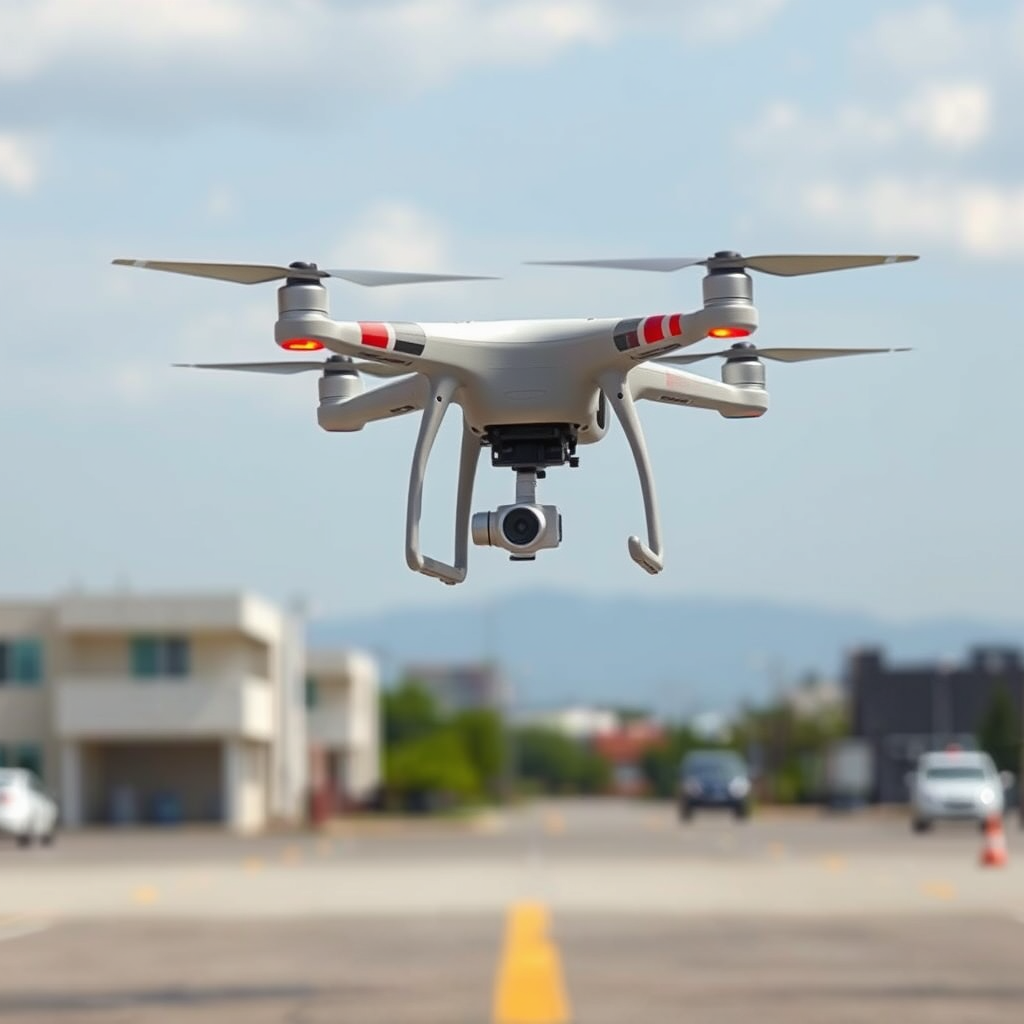
The Federal Aviation Administration (FAA) sets the standard maximum altitude of 400 feet for drone operations within the United States. This regulation is designed to minimize the risk of collisions between drones and manned aircraft, thereby enhancing safety in the National Airspace System. Drones are classified as unmanned aircraft systems (UAS) and are subject to various operational guidelines under Part 107 of the FAA regulations.
Interestingly, there is an exception to the 400-foot rule: if you are flying your drone within 400 feet of a structure, you are allowed to exceed that altitude limit, provided you remain within a 400-foot radius of the structure. This regulation can be particularly advantageous for commercial operators conducting inspections on tall buildings or telecommunications towers, as it allows them to operate at greater heights, thus facilitating their work without compromising safety.
Factors Affecting Altitude Limits
While the FAA provides a general framework for drone altitude limits, various local laws and regulations can impose additional restrictions. For example, cities or states may have ordinances that further limit drone flights, especially in residential areas or public parks. It is crucial for drone operators to familiarize themselves with these local regulations to avoid potential fines or legal consequences.
Additionally, the type of drone being operated can influence altitude allowances. Commercial drones often have different performance capabilities and might be equipped with advanced technologies that allow for higher operational ceilings. Conversely, recreational drones may be limited to lower altitudes, particularly if they are less sophisticated in terms of flight control and stability. Understanding the specifications of your drone and how they align with regulatory requirements is essential for safe flying.
Safety Considerations When Flying High
Safety should always be the top priority when flying a drone, particularly at higher altitudes. One of the fundamental safety guidelines is to maintain a visual line of sight with your drone. This ensures that you can monitor its flight path and respond promptly to any unexpected situations, such as encountering other aircraft or facing sudden weather changes.
Moreover, being aware of surrounding air traffic is crucial, especially when flying near airports or populated areas. The FAA has established specific regulations for flying drones near airports, typically requiring a minimum distance of five miles from the airport perimeter unless prior authorization has been obtained. Utilizing apps and tools that provide real-time airspace information can greatly enhance your situational awareness while flying.
Best Practices for High-Altitude Flying
To ensure compliance with altitude regulations, it is advisable to use the altitude settings available on your drone. Many modern drones come equipped with altitude limit features, allowing operators to set a maximum height for their flights. This can prevent accidental violations of altitude limits, especially for less experienced pilots who may lose track of their drone’s altitude during flight.
Additionally, planning your flight path in advance is essential. By mapping out your intended route, you can identify any potential obstacles or no-fly zones that may affect your operation. Pre-flight planning not only enhances safety but also ensures compliance with both FAA regulations and local laws, allowing for a smooth and responsible flying experience.
Technology and Drone Altitude
Advancements in drone technology have significantly improved altitude control and stability. GPS and altitude sensors play a pivotal role in maintaining a safe flying height. These technologies allow drones to automatically adjust their altitude in response to environmental changes and maintain a stable flight, reducing the risk of altitude-related accidents.
Furthermore, many newer drone models feature altitude hold functions, which enable them to maintain a consistent altitude without constant manual adjustments from the operator. This feature is particularly beneficial during aerial photography or videography, allowing for smoother shots and more professional results. Understanding how to leverage these technological advancements can enhance your flying experience and improve compliance with altitude regulations.
Local Restrictions and No-Fly Zones
Before attempting to fly at higher altitudes, it is imperative to research local no-fly zones. These areas are designated as off-limits for drone operations due to safety and security concerns. For instance, national parks, military bases, and certain urban environments may have stringent altitude restrictions to protect wildlife, maintain national security, or ensure public safety.
Utilizing resources such as the FAA’s B4UFLY app can help drone operators identify these no-fly zones and stay informed about any local restrictions that may apply. By being proactive and conducting thorough research, you can avoid potential legal issues and contribute to the responsible use of airspace.
In conclusion, while the general rule allows for drone flights up to 400 feet, it is crucial to consider local regulations and safety practices. Always check for restrictions in your area, adhere to FAA guidelines, and utilize technology to enhance your flying experience. By following best practices and staying informed, you can fly responsibly and enjoy the incredible possibilities that drone technology offers. Happy flying!
Frequently Asked Questions
What is the maximum altitude for flying a drone in the United States?
In the United States, the Federal Aviation Administration (FAA) restricts drone pilots to a maximum altitude of 400 feet above ground level when flying in uncontrolled airspace. If you are flying near a structure, you can fly up to 400 feet above that structure, but not exceeding a total altitude of 400 feet. It’s important to always check local regulations as they may vary by state or municipality.
How do I know if I’m flying my drone at a safe altitude?
To ensure you’re flying your drone at a safe altitude, always refer to the FAA guidelines and use your drone’s GPS and altimeter features for accurate altitude readings. Additionally, familiarize yourself with the airspace classification of your flying location, as controlled airspace may have different altitude restrictions. Using apps designed for drone pilots can also provide real-time information about altitude limits in your area.
Why is there a maximum height limit for drone flights?
The maximum height limit for drone flights is primarily in place to ensure safety and avoid collisions with manned aircraft. By restricting drone altitudes, the FAA aims to minimize risks in crowded airspace and protect both drone operators and pilots of traditional aircraft. Adhering to these regulations helps maintain a safe flying environment for everyone involved.
What are the best practices for flying a drone at maximum altitude?
To fly your drone at its maximum altitude safely, always conduct a pre-flight check to ensure your drone is in optimal condition, and familiarize yourself with your drone’s controls and flight features. Maintain visual line of sight with your drone at all times and be aware of your surroundings to avoid obstacles and other aircraft. Additionally, keep updated on local weather conditions, as strong winds and storms can impact flight stability at higher altitudes.
Which drone models can fly the highest?
While most consumer drones are limited to the FAA’s 400-foot maximum altitude, some high-performance models, such as the DJI Matrice series and certain racing drones, may allow for higher altitudes in specific conditions or settings. It’s essential to verify the specifications of each drone model, as well as any applicable regulations, before attempting to fly above the standard limits. Always use high-flying capabilities responsibly and in compliance with local laws.
References
- https://en.wikipedia.org/wiki/Drone_flight
- https://www.faa.gov/uas/getting_started/registration
- https://www.faa.gov/uas/guides/
- https://www.nasa.gov/centers/dryden/pdf/87461.pdf
- https://www.reuters.com/technology/drone-flying-what-you-need-know-2020-01-08/
- https://www.ncbi.nlm.nih.gov/pmc/articles/PMC6569925/
- https://www.techrepublic.com/article/how-high-can-drones-fly/
- https://www.aclu.org/news/privacy-technology/how-high-can-you-fly-a-drone-in-the-us
- https://www.nerdwallet.com/article/investing/how-high-can-drones-fly
