
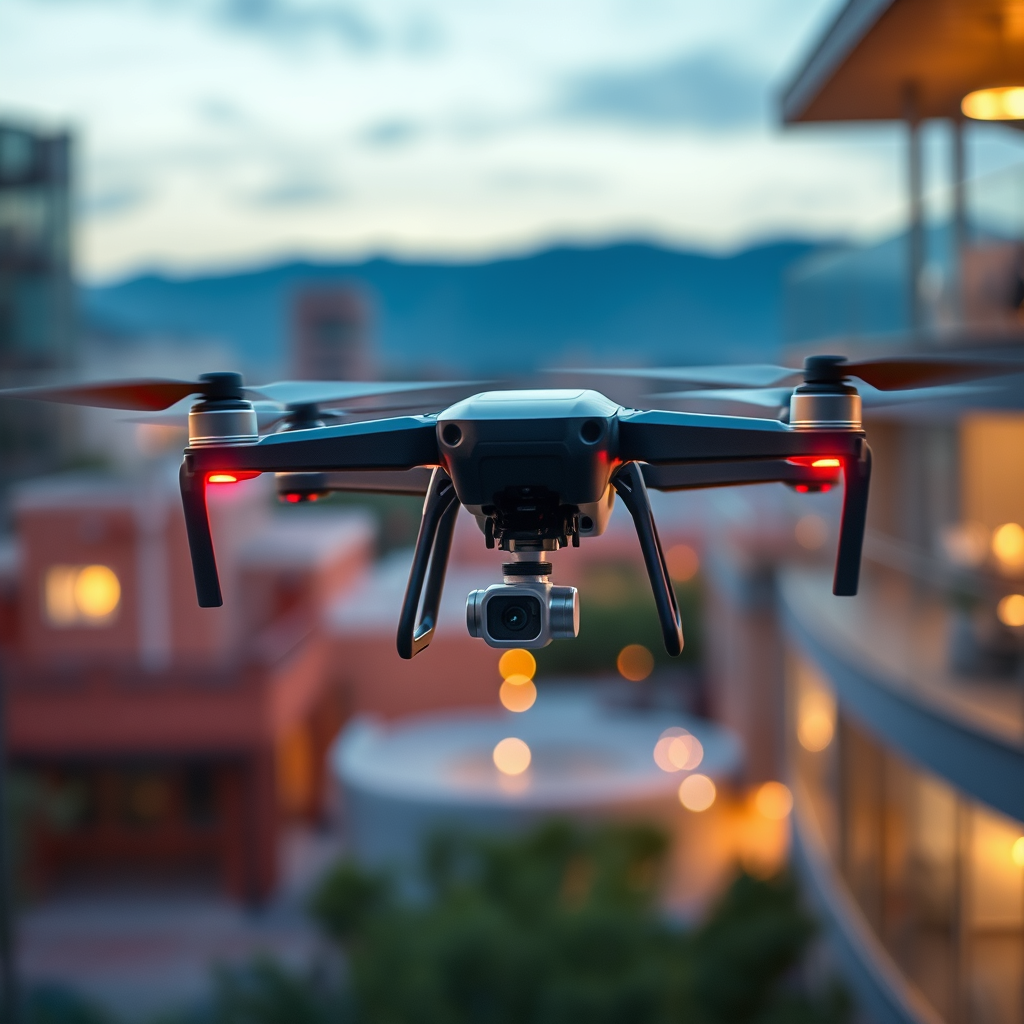
You can fly a drone up to 400 feet above ground level without a license in most areas, provided you adhere to specific regulations. This height limitation is essential for ensuring the safety of airspace and maintaining compliance with federal guidelines. Understanding these limits, along with local regulations and safety practices, allows drone pilots to operate legally and responsibly. In this article, we will delve into the height restrictions, regulations, and guidelines that every drone pilot must know.
Understanding FAA Regulations
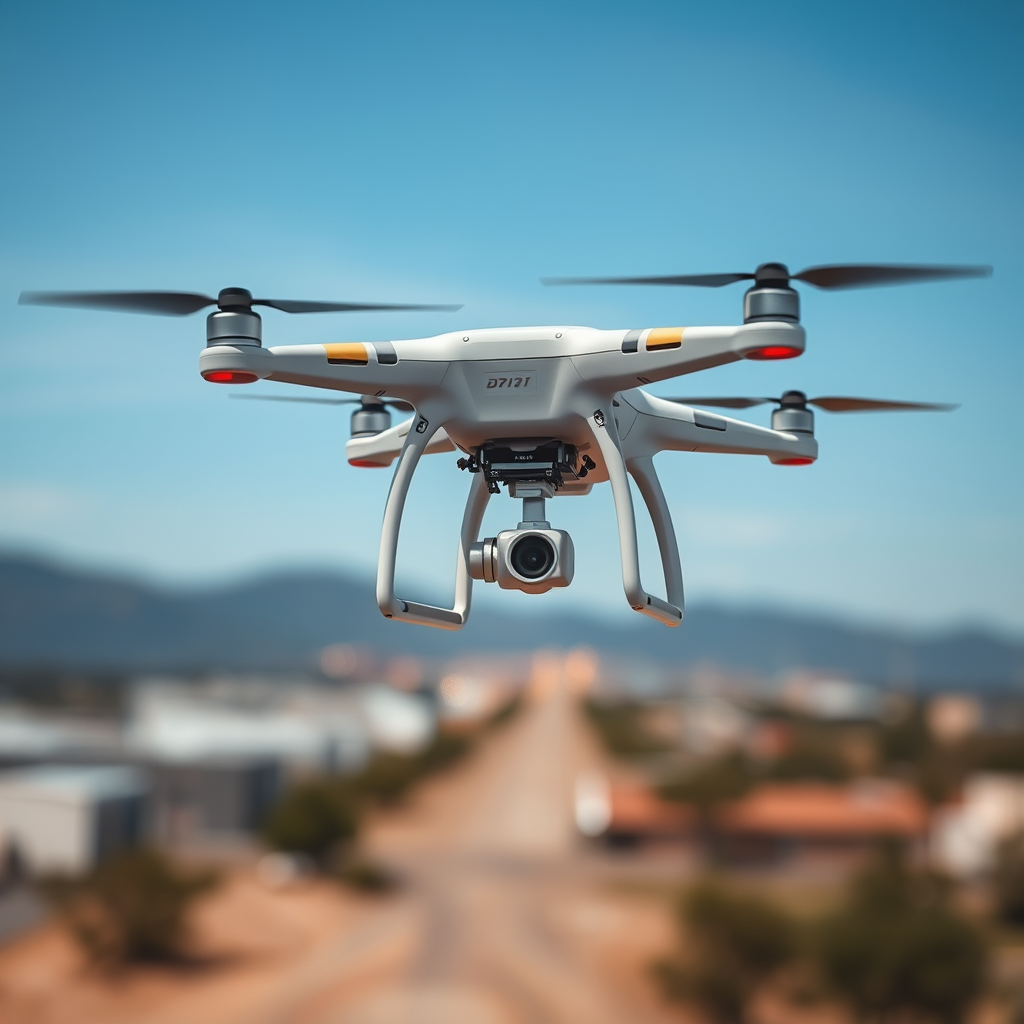
The Federal Aviation Administration (FAA) is the primary authority governing all aspects of civil aviation in the United States, including drone operation. The FAA has established clear guidelines to ensure the safe integration of unmanned aircraft systems (UAS) into the national airspace. For recreational drone pilots, the most critical guideline is the altitude limit of 400 feet above ground level. This limit is designed to prevent interference with manned aircraft, which typically fly at higher altitudes.
Moreover, the FAA mandates that drone pilots operate within visual line of sight (VLOS) of their aircraft. This requirement means that pilots must be able to see their drone without any visual aids, such as binoculars or cameras, which can often limit the effective range of operation. Failing to adhere to the 400-foot altitude limit can lead to significant airspace violations, potentially resulting in fines and penalties.
State-Specific Regulations
In addition to federal regulations, drone pilots must also navigate a patchwork of state-specific laws that may impose additional restrictions on flight heights and areas. States such as California and New York have enacted their own legislation that may limit where and how high drones can fly. For example, some local ordinances may prohibit drone flights over private property without consent, require permits for certain types of aerial photography, or even set specific altitude limits that are below the federal threshold.
It is vital for drone pilots to conduct thorough research on their local regulations before taking to the skies. Websites like the National Conference of State Legislatures and local government resources can provide updated information on applicable laws. By ensuring compliance with both federal and state regulations, drone operators can mitigate the risk of legal repercussions and enhance their flying experience.
Importance of Visual Line of Sight
Maintaining a visual line of sight with your drone is critical for ensuring safe operations. The FAA’s VLOS requirement stipulates that pilots must keep their drone within their visual range at all times. This rule is not only about compliance but also about safety, as it enables pilots to react promptly to any potential hazards, such as other aircraft, obstacles, or changes in weather conditions.
Flying at higher altitudes can complicate your ability to maintain VLOS, especially as the drone moves further away. For instance, if a pilot attempts to fly a drone at 400 feet in a densely populated urban area, the chances of losing sight of their drone increase dramatically due to buildings and other structures. Therefore, not only does this requirement influence legal compliance, but it also serves as a fundamental principle for responsible drone operation.
No-Fly Zones and Restrictions
Certain areas are designated as no-fly zones, which means drone pilots are prohibited from flying in these locations regardless of altitude. The FAA has established these zones to protect sensitive areas such as airports, military bases, and national parks. For instance, drones are not allowed to fly within a five-mile radius of an airport without prior authorization. This restriction is crucial to prevent potential collisions with manned aircraft, which could have catastrophic consequences.
Additionally, temporary flight restrictions (TFRs) can be enacted due to special events, emergencies, or other safety concerns. Pilots must stay informed about these TFRs, as they can change frequently and may not be widely publicized. Utilizing resources such as the FAA’s online TFR system or various drone flight apps can help pilots stay updated and avoid inadvertently entering restricted airspace.
Consequences of Violating Altitude Limits
Failing to adhere to altitude limits can have serious consequences. The FAA can impose fines and penalties on drone pilots who violate regulations, and repeat offenders may face more severe repercussions, including the suspension of their flying privileges. Moreover, flying above the legal altitude can pose safety risks not only to the drone operator but also to manned aircraft and individuals on the ground.
In recent years, enforcement actions have increased, with the FAA actively investigating incidents involving unauthorized drone flights. For example, incidents involving near-misses with commercial airliners have prompted heightened scrutiny of drone operations. Therefore, understanding and respecting altitude limits is not just a matter of legal compliance; it is a critical aspect of responsible drone flying.
Benefits of Obtaining a License
While it is possible to fly a drone below 400 feet without a license for recreational purposes, obtaining a Remote Pilot Certificate from the FAA provides several advantages. Licensed pilots can operate drones for commercial purposes, allowing for greater operational freedom and opportunities in various industries, including photography, real estate, agriculture, and infrastructure inspection.
Additionally, obtaining a license demonstrates a commitment to safe and responsible drone operation. The certification process requires knowledge of airspace regulations, weather considerations, and emergency procedures, thereby enhancing a pilot’s overall competence. Licensed pilots also benefit from access to advanced flight privileges, such as flying at night or in controlled airspace, further expanding their operational capabilities.
Resources for Drone Pilots
To ensure compliance with regulations and enhance flying skills, drone pilots should take advantage of various online resources and tools. The FAA’s official website provides comprehensive information on regulations, safety guidelines, and the certification process for obtaining a Remote Pilot Certificate.
Mobile apps such as B4UFLY offer drone pilots real-time information on airspace restrictions, weather conditions, and no-fly zones, making pre-flight planning more accessible. Furthermore, joining local drone communities and forums can provide valuable networking opportunities, support, and shared knowledge among fellow pilots. Engaging with these resources can help pilots stay informed and improve their flying experience.
In conclusion, knowing how high you can fly your drone without a license is vital for safe operation. By adhering to FAA regulations and understanding local laws, you can enjoy flying while avoiding legal issues. Always stay informed about altitude limits, no-fly zones, and the benefits of obtaining a license, ensuring a responsible and enjoyable drone flying experience.
Frequently Asked Questions
What is the maximum altitude a drone can fly without a license in the United States?
In the United States, the Federal Aviation Administration (FAA) allows hobbyist drone pilots to fly their drones at a maximum altitude of 400 feet above ground level without requiring a license. This altitude limit helps ensure safe operations and minimizes the risk of collisions with manned aircraft. Always remember to keep your drone within visual line of sight and avoid restricted airspace for compliance.
How do regulations vary for flying drones without a license in different countries?
Regulations for flying drones without a license differ significantly across countries. For instance, in the United Kingdom, you can fly a drone below 400 feet without a license, but you must register if your drone weighs more than 250 grams. It’s essential to check the local aviation authority’s guidelines in your country to understand specific rules and restrictions regarding drone altitude and licensing.
Why do I need a license to fly a drone above a certain height?
A license is required to fly drones above a certain height primarily for safety and regulatory reasons. Higher altitudes increase the likelihood of encountering manned aircraft, which can pose risks to both drone pilots and aviation safety. Additionally, licensing helps ensure that drone operators are informed about airspace regulations, safety protocols, and responsible drone usage.
What are the best practices for flying a drone without a license?
To fly a drone without a license safely and legally, adhere to the 400-feet altitude limit, maintain visual line of sight at all times, and avoid flying near airports or in restricted airspace. It’s also advisable to check local regulations, avoid flying over crowds, and keep your drone in good working condition to ensure compliance and safety.
Which drones can be flown without a license based on weight restrictions?
Generally, drones weighing less than 250 grams (about 0.55 pounds) can often be flown without a license in many countries, including the U.S. and U.K. These lightweight drones are typically designed for recreational use and pose reduced risks to other airspace users. However, it’s crucial to verify specific local regulations, as they can vary, and some jurisdictions may impose additional requirements regardless of weight.
References
- https://en.wikipedia.org/wiki/Drone_regulations
- https://www.faa.gov/uas/getting_started/registration
- https://www.faa.gov/uas/learn/what_is_ua
- https://www.faa.gov/uas/commercial_operators/
- https://www.npr.org/2021/02/26/971753465/faa-has-new-rules-for-drones
- https://www.theguardian.com/technology/2021/feb/26/faa-drone-rules-2021
