
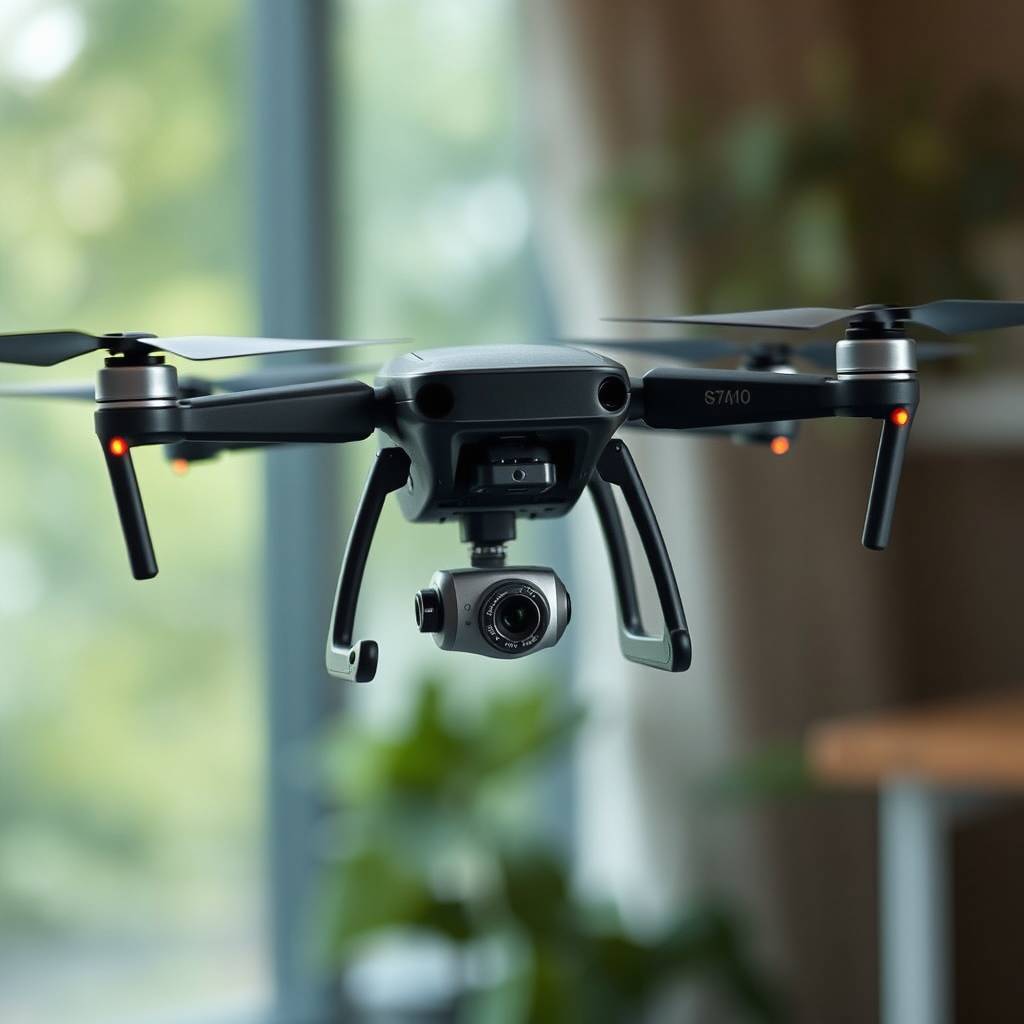
Drone batteries typically last between 20 to 30 minutes, depending on various factors such as the drone model, battery capacity, and usage conditions. Understanding these elements can help you maximize flight time and enhance your drone experience. As a drone enthusiast or professional operator, being aware of how these factors interplay will not only improve your operational efficiency but also prolong the lifespan of your equipment. This article delves into the various aspects that influence drone battery life, providing insights and actionable tips to help you get the most out of your drone.
Factors Affecting Drone Battery Life
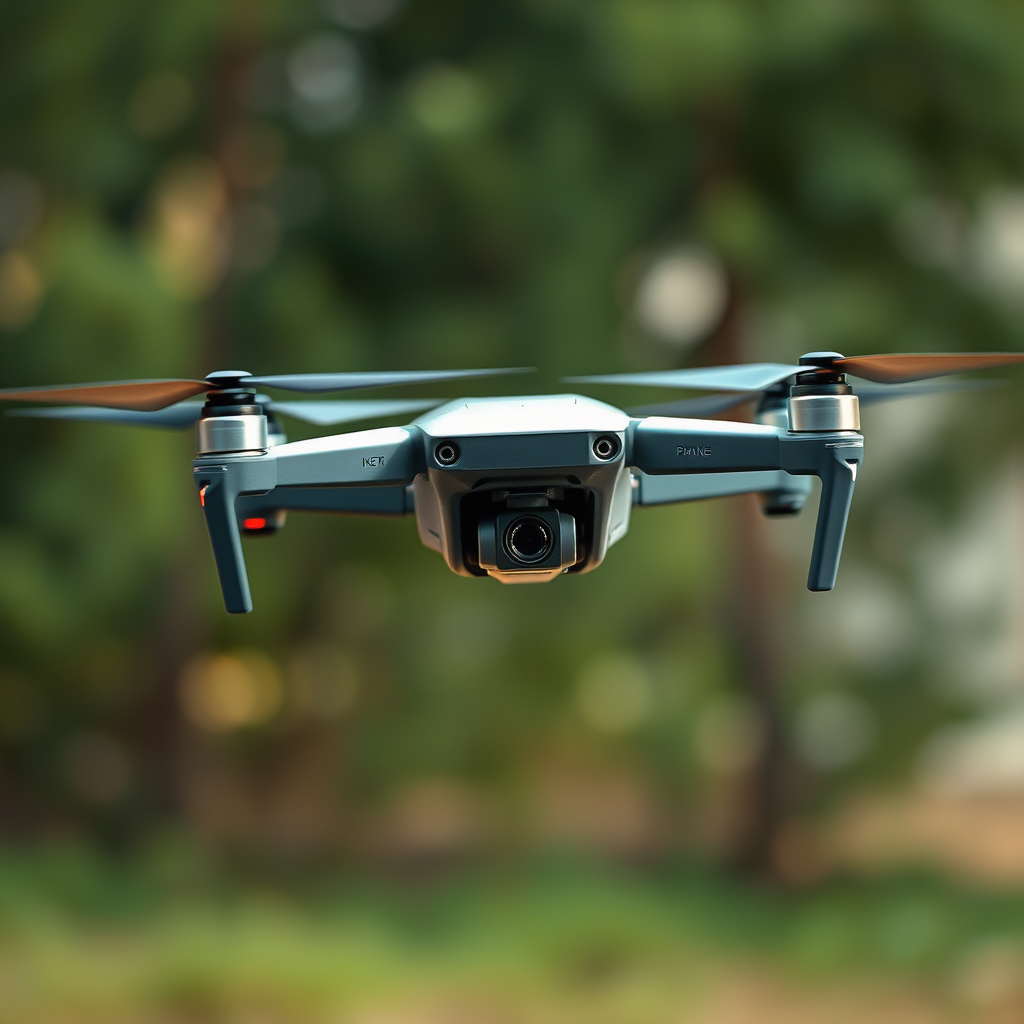
One of the most significant determinants of how long a drone battery can last is its capacity, which is typically measured in milliamp hours (mAh). A higher mAh rating means that the battery can store more energy, leading to longer flight times. For instance, a drone with a 3000 mAh battery can generally fly longer than one with a 2000 mAh battery, all else being equal.
Another vital consideration is the weight of the drone and any additional payload. The more weight a drone has to lift, the more power it requires from the battery. This is especially crucial for commercial drones that may carry cameras, sensors, or other equipment. For example, a drone designed for aerial photography may need to manage not only its own weight but also the weight of a high-end camera, potentially reducing battery efficiency by 10-20%.
Types of Drone Batteries
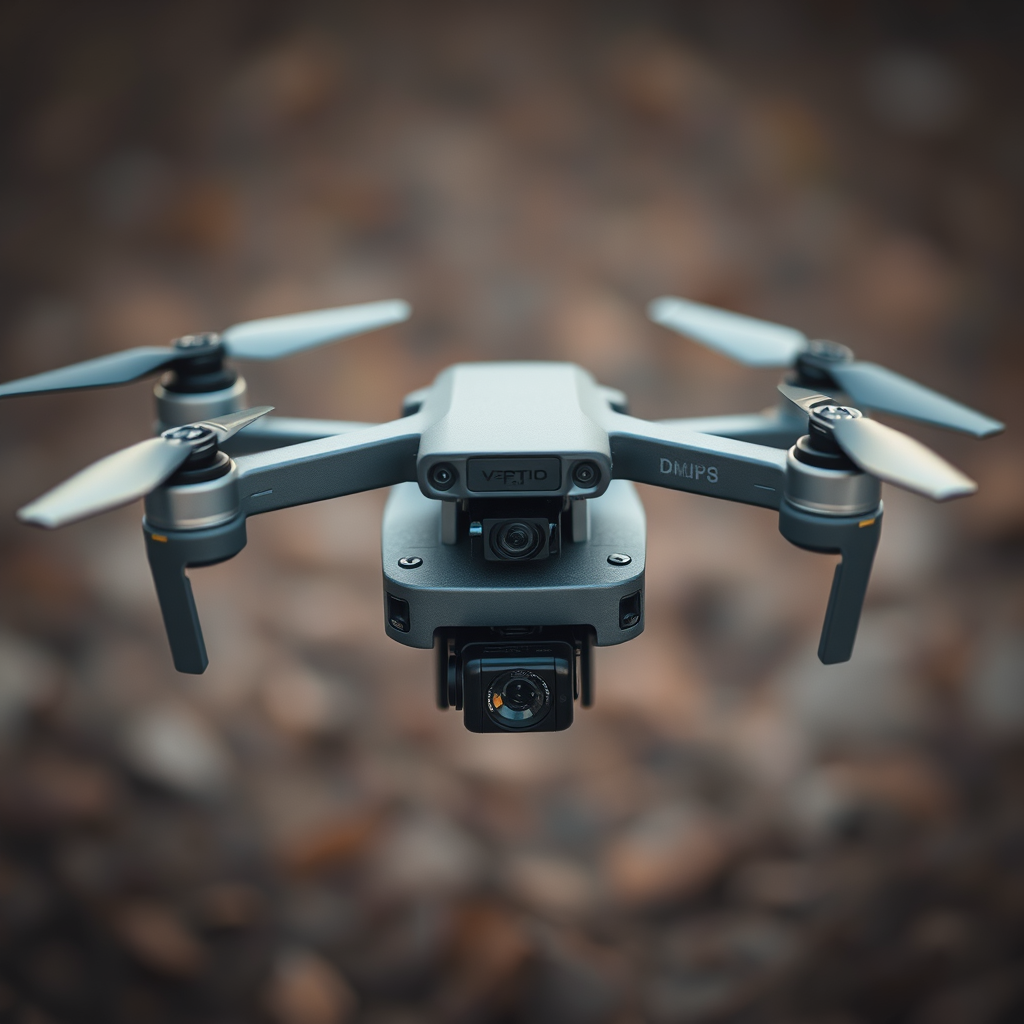
When it comes to drone batteries, Lithium Polymer (LiPo) batteries are the most commonly used type for consumer and professional drones. LiPo batteries are favored for their high energy density, which means they can deliver substantial power with a relatively low weight. This is essential for maintaining the agility and performance of drones during flight.
However, there are other battery types available, such as Lithium-Ion batteries, which may offer longer life cycles and greater stability in terms of temperature tolerance. While these batteries are prevalent in consumer electronics, they are less common in drones primarily due to their heavier weight and lower discharge rates compared to LiPo batteries. Choosing the right type of battery is crucial for achieving optimal performance and longevity in drone operations.
Flight Conditions and Their Impact
Flight conditions play a crucial role in determining battery life. For instance, high wind speeds can dramatically decrease battery efficiency, as the drone must expend additional energy to maintain its position and compensate for turbulence. A drone flying in 15 mph winds may experience a reduction in flight time of up to 30% compared to calm conditions.
Moreover, temperature extremes can have a detrimental effect on battery performance. Cold weather can lead to decreased battery capacity, while excessive heat can increase the risk of thermal runaway, which can damage the battery. It is advisable to operate drones within the manufacturers’ recommended temperature ranges and to monitor battery health regularly to ensure optimal performance.
Drone Usage Patterns
The way you use your drone can significantly affect battery life. Continuous hovering, for example, tends to consume more battery than varied flight patterns, as the drone’s motors remain engaged without the benefit of forward momentum. Engaging in dynamic flight maneuvers can help distribute energy consumption more efficiently across the battery’s usage.
Additionally, employing advanced features such as GPS tracking, camera stabilization, and high-definition video recording can also accelerate battery drain. For instance, using a drone’s camera to capture 4K video will generally consume more power than taking still images, as the camera and gimbals require continuous energy. Understanding your drone’s capabilities and usage patterns can help you plan flights more effectively, leading to improved battery performance.
Tips to Extend Drone Battery Life
To maximize your drone’s battery life and efficiency, consider the following tips. First, regularly calibrate your drone’s compass and sensors. Proper calibration ensures that the drone operates optimally, potentially improving battery efficiency by preventing unnecessary adjustments during flight.
Second, avoid allowing your batteries to discharge completely. Many modern lithium batteries are designed to last longer if they are recharged before they reach a low charge state. It’s advisable to recharge your batteries after every flight, even if you believe there’s still some charge left. This practice not only extends the battery’s life but also ensures that you are ready for your next flight.
Lastly, consider investing in high-quality batteries and chargers, as these can have a significant impact on battery performance and longevity. Cheaper alternatives may save money upfront but can lead to premature battery failure or reduced overall efficiency.
Signs of Battery Degradation
Monitoring your drone’s battery health is essential for ensuring safe and effective operations. One of the most evident signs of battery degradation is a reduced flight time. If you notice that your drone is not flying as long as it used to, it may be time to evaluate the battery’s condition.
Additionally, physical signs such as swelling, leaks, or any damage to the battery casing should be addressed immediately. A swollen battery may indicate internal damage and could pose safety risks, including fire hazards. Regular inspection of your batteries can help you identify potential issues before they escalate, ensuring safer flying conditions.
The Future of Drone Battery Technology
The future of drone battery technology looks promising, with innovations on the horizon that may revolutionize flight times and performance. Emerging technologies, such as solid-state batteries, promise to deliver longer flight durations, increased safety, and greater energy density. These advancements could potentially allow drones to fly for hours rather than just minutes, significantly enhancing their utility for both recreational and commercial applications.
Furthermore, ongoing research in energy efficiency is likely to lead to more powerful yet lightweight battery solutions. As manufacturers continue to invest in battery technology, we can expect to see improvements that not only enhance flight times but also contribute to overall environmental sustainability in drone operations.
In conclusion, understanding how long a drone battery can last involves considering multiple factors, including battery type, flight conditions, and usage patterns. By implementing tips to extend battery life and staying informed about new technologies, you can enhance your drone flying experience. Embracing these insights will not only help you maximize your time in the air but also ensure that your drone operates efficiently and safely for years to come.
Frequently Asked Questions
How long can a typical drone battery last on a single charge?
A typical drone battery can last anywhere from 15 to 30 minutes on a single charge, depending on several factors such as the drone model, battery capacity, and flying conditions. High-end models designed for professional use may offer longer flight times, while smaller consumer drones might have shorter durations. Additionally, environmental factors like wind and temperature can significantly affect battery life.
What factors impact the flight time of a drone battery?
Several factors can impact the flight time of a drone battery, including the weight of the drone, the type of battery used, the flying mode (e.g., aggressive vs. stable flying), and external conditions like wind and temperature. Heavier payloads, such as cameras and additional equipment, can also reduce flight time. Understanding these factors can help users maximize their drone’s battery efficiency.
Why do drone batteries lose charge quickly and how can I extend their life?
Drone batteries can lose charge quickly due to factors like high-speed maneuvers, cold weather, and insufficient charging time. To extend battery life, consider flying in optimal conditions, regularly maintaining the drone, and properly storing batteries when not in use. Additionally, using intelligent battery management systems can help monitor battery health and optimize charging cycles.
What is the best battery type for longer drone flight times?
Lithium Polymer (LiPo) batteries are generally considered the best option for longer drone flight times due to their high energy density and lightweight nature. These batteries can provide more power while maintaining a manageable weight, allowing for extended flight durations. However, it’s crucial to choose a battery that matches the specifications of your drone to ensure safety and performance.
Which drones have the longest battery life available on the market?
Some of the drones with the longest battery life on the market include the DJI Matrice 300 RTK, which can achieve up to 55 minutes of flight time, and the Skydio 2, known for its exceptional autonomous flying capabilities with around 23 minutes of flight time. When selecting a drone, consider not only the battery duration but also the overall functionality and features to meet your specific needs.
References
- https://en.wikipedia.org/wiki/Drone
- https://www.sciencedirect.com/science/article/pii/S2351978917300689
- https://www.faa.gov/uas/recreational_fliers/
- https://www.npr.org/sections/alltechconsidered/2018/11/30/671026477/how-long-can-drones-fly
- https://www.techrepublic.com/article/how-long-do-drone-batteries-last/
- https://www.wired.com/story/how-long-do-drone-batteries-last/
