
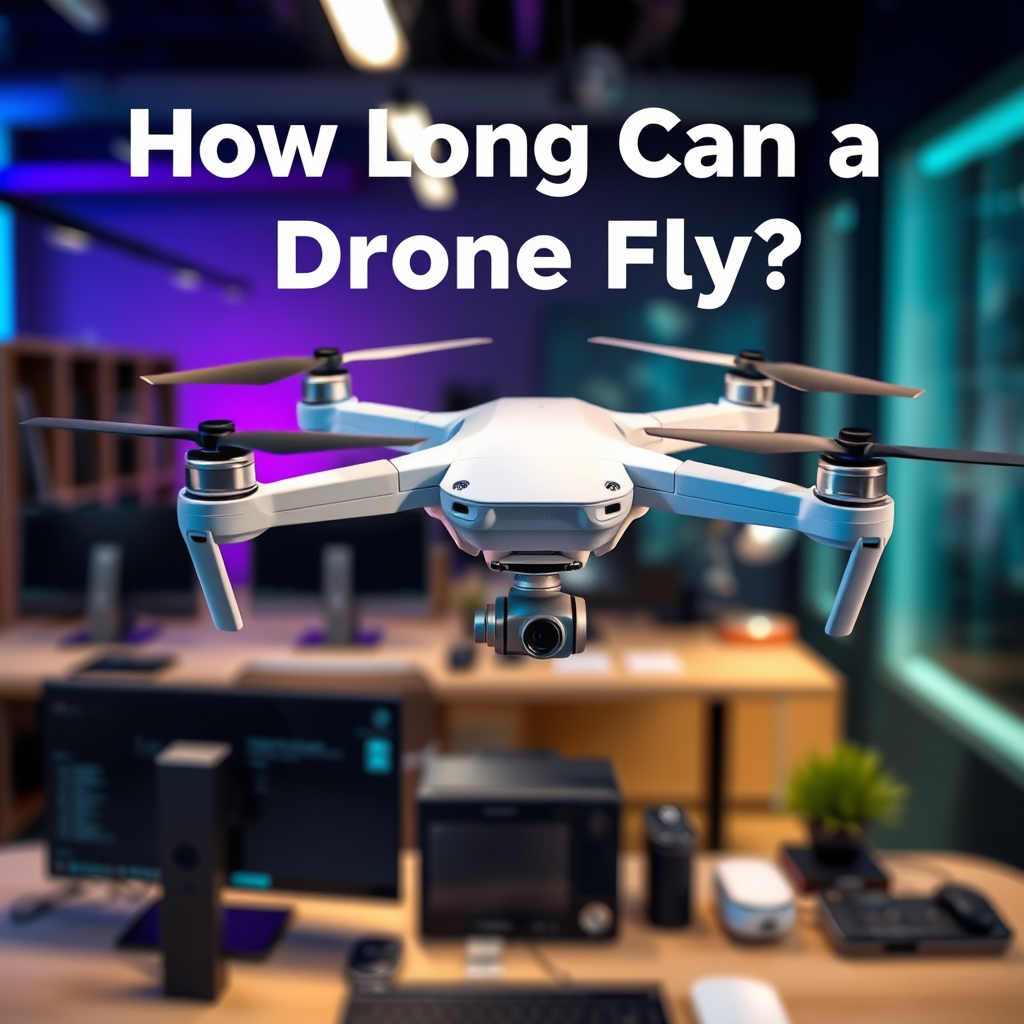
The flight duration of a drone typically ranges from 20 to 30 minutes on a single charge, though some advanced models can fly for over an hour. This variability largely depends on several key factors including battery capacity, drone weight, flying conditions, type of drone, flight mode, and overall maintenance. Understanding these factors will not only help drone enthusiasts optimize their flight time but also enhance their overall flying experience.
Battery Capacity
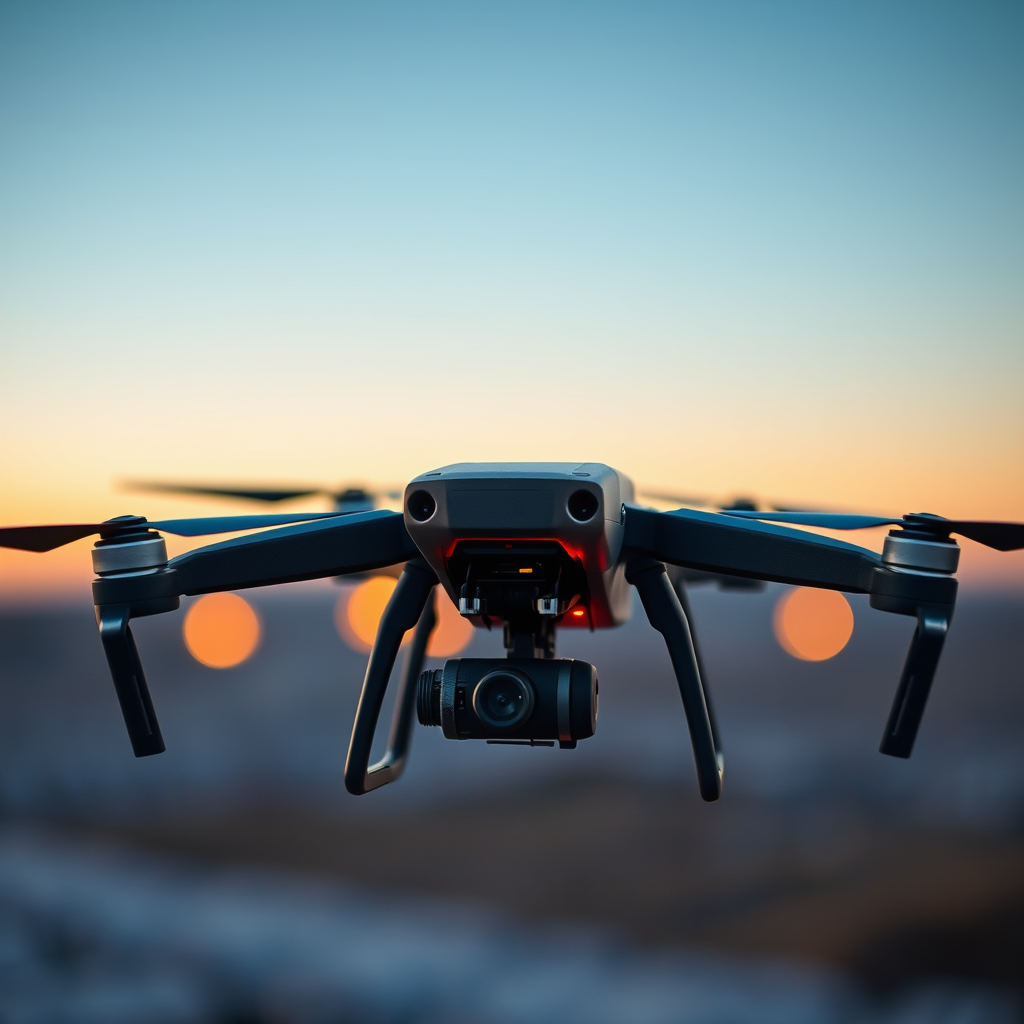
Battery capacity is one of the most significant determinants of a drone’s flight duration. Drones are powered by lithium polymer (LiPo) batteries, which come in various capacities measured in milliamp hours (mAh). Higher capacity batteries provide longer flight times, allowing users to maximize their flying experience without frequent recharges.
Standard consumer drones often use batteries ranging from 1000mAh to 6000mAh. For instance, a drone equipped with a 3000mAh battery can typically fly for about 25 minutes under optimal conditions. In contrast, advanced models like the DJI Mavic 3 come with larger batteries that can reach up to 5000mAh, offering flight times of up to 46 minutes. It’s essential for drone users to consider their battery options wisely, as investing in higher capacity batteries can significantly extend flight durations.
Drone Weight
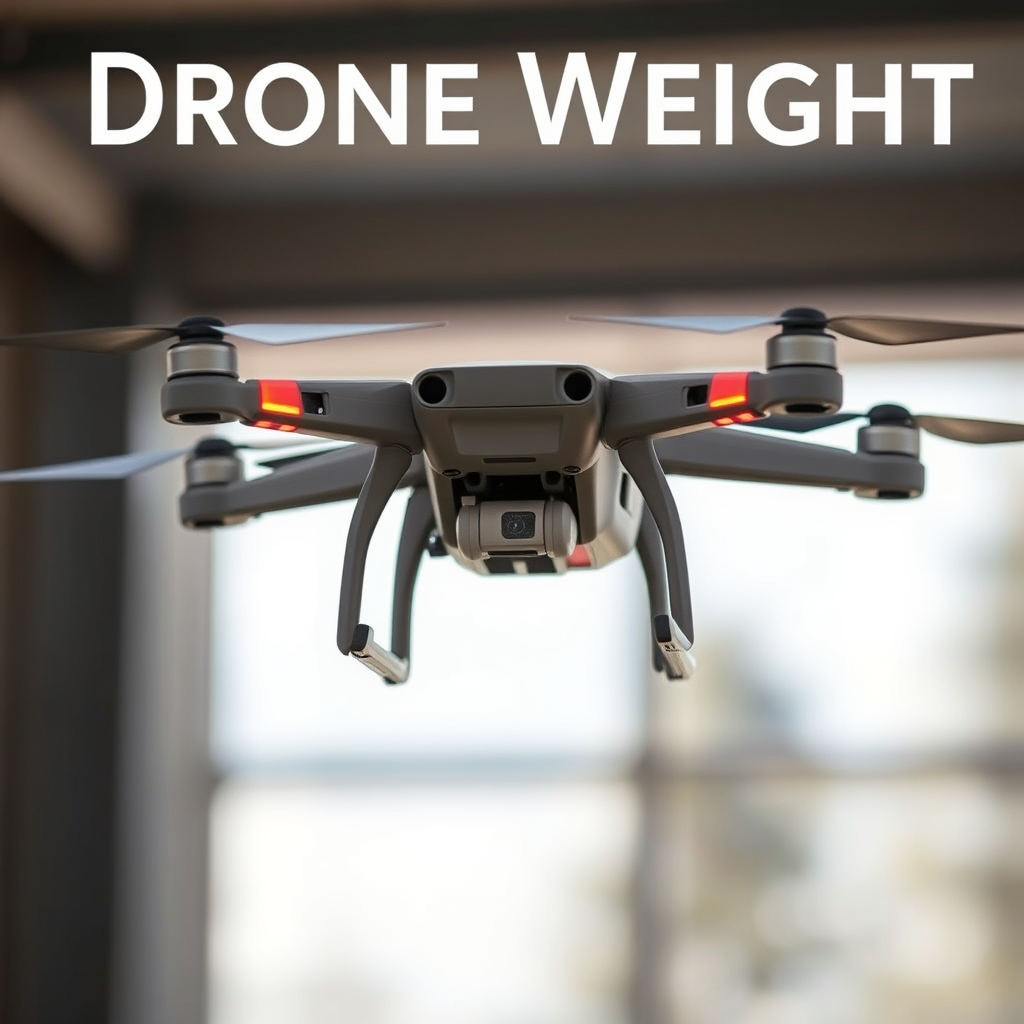
Another critical factor affecting flight time is the weight of the drone. Heavier drones consume more power, leading to reduced flight durations. The weight includes not only the drone itself but also any additional payload, such as cameras, sensors, or other equipment. For example, a racing drone designed for speed may have a lightweight frame, allowing it to achieve higher speeds but at the cost of shorter flight times. Conversely, a camera drone like the DJI Phantom 4, which is heavier due to its built-in camera and gimbal, might offer longer flight times, but it is still subject to limitations based on weight.
Moreover, adding external equipment can significantly impact performance. If a user decides to attach a heavy camera or additional sensors to their drone, they may notice a marked decrease in flight duration. Therefore, it’s crucial for operators to balance their drone’s payload with the desired flight time to ensure optimal performance.
Flying Conditions
The flying conditions can dramatically influence a drone’s flight time. Factors like wind speed, temperature, and weather conditions play a vital role in how efficiently a drone operates. For example, flying against strong winds requires the drone to expend more energy, which in turn shortens flight duration. Drones have to work harder to stabilize themselves and maintain altitude in adverse weather, leading to increased battery consumption.
Additionally, drones may experience reduced efficiency in cold temperatures. Cold weather can impact battery performance, causing a decrease in voltage and overall flight time. It’s important for drone operators to be aware of these environmental factors and plan their flights accordingly. For example, flying on a calm day with mild temperatures can help maximize battery life and flight duration.
Type of Drone
The type of drone also plays a significant role in determining flight time. Racing drones, designed for high-speed maneuvers, typically have shorter flight times due to their focus on agility and performance. These drones often prioritize speed over battery longevity, with flight times averaging around 5 to 10 minutes during intense racing sessions.
On the other hand, camera drones are built with longer flight durations in mind. These drones, such as the DJI Mavic Air 2, are designed to remain airborne for extended periods, accommodating the needs of photographers and videographers who require longer shooting times. Such drones can often achieve flight times of 30 minutes or more, making them ideal for capturing expansive landscapes or conducting aerial surveys.
Flight Mode and Usage
The flight mode and specific usage of a drone can significantly impact its power consumption and overall flight duration. Many drones come equipped with multiple flight modes, such as sport, GPS, and hover. Each of these modes affects battery usage differently. For instance, in sport mode, a drone consumes more power due to rapid accelerations and high-speed maneuvers, resulting in shorter flight times.
Conversely, when a drone is in hover mode, it consumes less power as it maintains a stable position. Continuous maneuvers, such as sharp turns or rapid climbs, can drain the battery faster than stable flight. Users who understand these dynamics can adjust their flying techniques to prolong flight times. For example, maintaining a steady altitude and speed during flights can help maximize battery life and enhance the overall flying experience.
Maintenance and Upkeep
Regular maintenance plays a crucial role in improving both battery life and overall drone performance. Keeping propellers and motors clean helps ensure efficient operation and maximizes energy usage. Dust, dirt, and debris can hinder a drone’s performance, leading to increased energy consumption and reduced flight times.
Additionally, checking battery health and ensuring that batteries are properly stored and charged can extend their lifespan. Drones should be flown regularly to keep all components in good condition, as inactivity can lead to battery degradation. Operators should also familiarize themselves with the manufacturer’s guidelines for battery care and maintenance to ensure optimal performance. Regularly updating drone firmware can also contribute to improved efficiency and longer flight durations.
In summary, while the average drone flight time is around 20 to 30 minutes, various factors can extend or shorten this duration. Understanding these elements—battery capacity, drone weight, flying conditions, type of drone, flight mode, and maintenance—can enhance your drone experience and help you plan your flights effectively. By considering these factors, drone enthusiasts can maximize their flying time and enjoy more successful missions.
Frequently Asked Questions
What factors affect how long a drone can fly?
The flight duration of a drone is influenced by several key factors, including battery capacity, drone weight, weather conditions, and flying style. Drones with larger batteries typically offer longer flight times, while those carrying additional weight, such as cameras or payloads, may experience reduced endurance. Additionally, flying in adverse weather conditions, such as high winds or heavy rain, can lead to increased power consumption and shorter flight times.
How long can consumer drones typically fly on a single charge?
Most consumer drones can fly for approximately 20 to 30 minutes on a single charge, depending on the model and its specifications. High-end drones may offer flight times extending to 30-40 minutes, while entry-level models might have shorter durations. To maximize flight time, it’s important to keep the drone well-maintained and to avoid flying in challenging conditions that drain the battery more quickly.
Why do professional drones have longer flight times than hobbyist drones?
Professional drones often have longer flight times due to their advanced battery technology and design optimizations. They are typically equipped with larger, higher-capacity batteries, energy-efficient motors, and lightweight materials that enhance performance. Additionally, professional drones are engineered for specific tasks, such as aerial photography or surveying, which allow them to operate efficiently and effectively for extended periods.
What is the best way to extend a drone’s flight time?
To extend a drone’s flight time, consider investing in a higher-capacity battery or carrying multiple spare batteries to swap out during longer sessions. Additionally, flying in calm weather, maintaining a steady altitude, and avoiding aggressive maneuvers can significantly conserve battery power. Regular maintenance, such as keeping propellers clean and ensuring the drone is optimized for performance, also plays a crucial role in maximizing flight duration.
Which drones have the longest flight times currently available on the market?
As of October 2023, some of the drones known for their impressive flight times include the DJI Mavic 3, which can fly for up to 46 minutes, and the Autel Robotics EVO Lite+, with a maximum flight duration of around 40 minutes. Other contenders include the Skydio 2, offering 23 minutes, and the Parrot Anafi USA, known for its 32-minute flight time. When selecting a drone for extended flying capabilities, always check the manufacturer’s specifications to ensure accurate information.
References
- https://en.wikipedia.org/wiki/Drone_flight_time
- https://www.faa.gov/uas/getting_started/part_107/
- https://www.nytimes.com/2021/05/05/technology/drones-delivery.html
- https://www.sciencedirect.com/science/article/pii/S2351978921000154
- https://www.reuters.com/article/us-drones-insight-idUSKBN2A80A1
- https://www.techrepublic.com/article/how-long-can-drones-fly-and-what-factors-influence-flight-time/
- https://www.aopa.org/news-and-media/all-news/2021/january/29/drone-range-and-battery-life-what-to-know
- https://www.abc.net.au/news/2020-05-17/how-long-can-drones-fly-and-what-are-their-limits/12235188
