
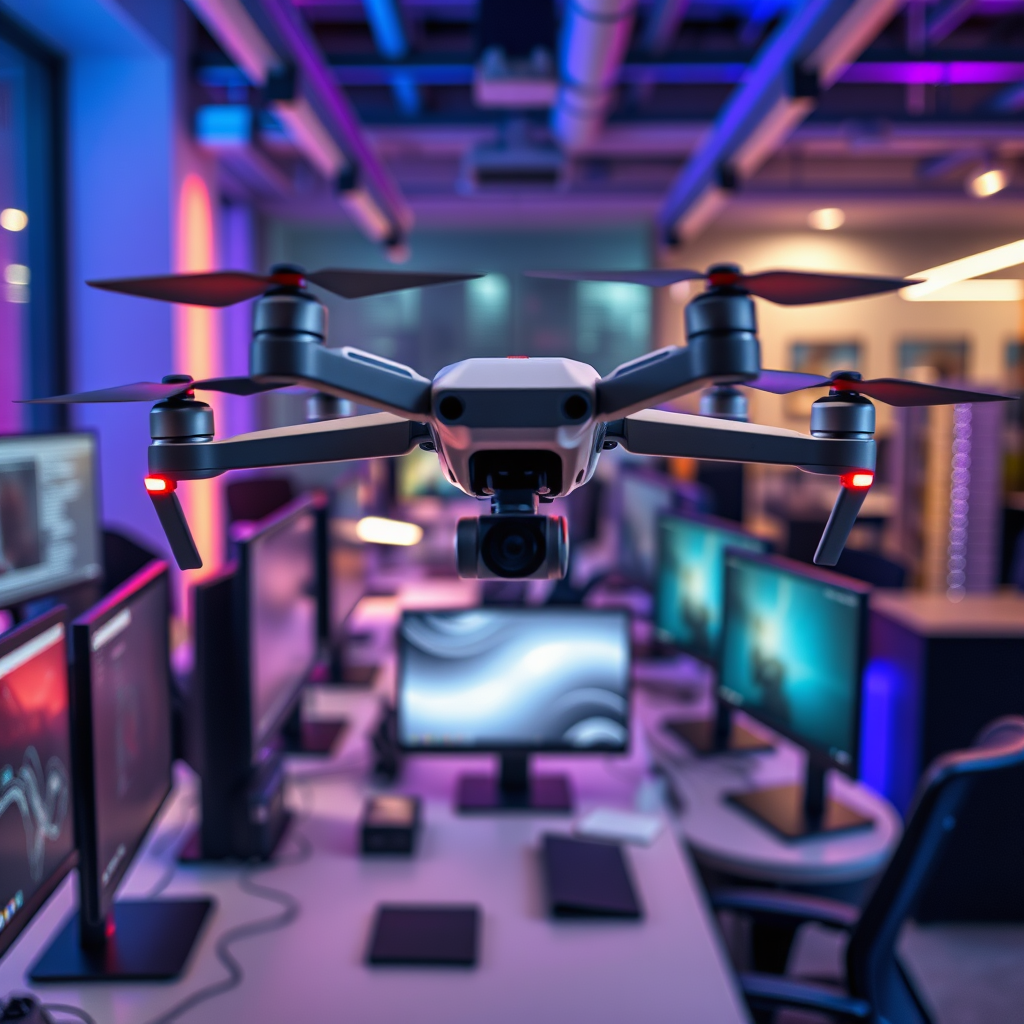
Drones can typically fly anywhere from 20 minutes to over an hour, depending on various factors such as battery capacity, weight, and flying conditions. Understanding these variables is essential for drone enthusiasts and professionals alike, as it enables them to maximize flight time and enhance operational efficiency. In this article, we will delve into the key factors influencing a drone’s flight duration, providing insights that can help you make informed decisions when using these remarkable devices.
Battery Capacity and Type

The battery is arguably the most critical component influencing a drone’s flight time. Most consumer drones utilize lithium-polymer (LiPo) batteries, prized for their lightweight and high energy density. These batteries come in various capacities, typically measured in milliamp hours (mAh). A higher mAh rating indicates a more substantial energy reserve, allowing the drone to stay airborne longer. For instance, a drone with a 3000 mAh battery may fly for approximately 30 minutes, while one equipped with a 6000 mAh battery could potentially double that time, depending on other conditions.
However, it’s important to note that higher capacity batteries can also add weight to the drone, potentially balancing out the benefits gained in flight time. Manufacturers strive to create batteries that maximize energy without significantly increasing weight, but there is often a trade-off. For optimal performance, drone owners should consider both the weight of the battery and its capacity when planning flights. Additionally, advancements in battery technology, such as the emergence of solid-state batteries, may further enhance flight durations in the future.
Weight and Payload

The total weight of the drone, including any additional payload—such as cameras, sensors, or other equipment—directly influences its flight duration. Generally, lighter drones tend to have longer flight times, as they require less energy to maintain altitude and maneuver through the air. For example, a racing drone designed for speed may weigh significantly less than a commercial drone equipped with high-resolution photography equipment, leading to a noticeable difference in flight times.
When planning a flight, it’s essential to account for the weight of all components. Overloading a drone can lead to decreased performance and shorter flight times. Manufacturers often provide a maximum payload limit, and exceeding this limit can not only reduce flight duration but may also risk damaging the drone or causing it to malfunction. To achieve optimal flight times, operators should ensure that they are within the drone’s weight specifications and consider using lightweight equipment or removing unnecessary accessories.
Weather Conditions
Weather plays a pivotal role in determining how long a drone can fly. Wind, rain, and humidity can all significantly impact drone performance. For instance, flying against strong winds can lead to increased power consumption as the drone works harder to maintain stability and altitude. Conversely, favorable weather—even a light breeze—can enhance flight efficiency but may not always result in longer flight times.
Rain and high humidity can also affect battery efficiency and overall drone operation. Water can seep into electronic components, potentially causing malfunctions or reducing battery life. Furthermore, cold temperatures can lead to decreased battery performance, as lithium-polymer batteries are sensitive to temperature fluctuations. Therefore, drone operators should always check weather conditions before flying and adjust their plans accordingly, opting for calmer days that will allow for optimal flight durations.
Drone Model Differences
Different drone models exhibit varying flight times, largely due to their design and the technology incorporated into them. High-end drones often feature advanced battery management systems that optimize power usage, significantly extending flight times compared to budget models. For example, the DJI Mavic Air 2 boasts a flight time of up to 34 minutes, thanks to its sophisticated battery technology and weight management.
Conversely, entry-level drones may only provide 10 to 20 minutes of flight time. When selecting a drone, it’s crucial to consider the manufacturer-specified flight time, which typically reflects ideal conditions. Users should also look into user reviews and real-world performance metrics to get a more accurate understanding of what to expect in different flying scenarios. Understanding the capabilities of your drone model can help you plan better and anticipate potential limitations during use.
Flying Techniques
The way a drone is flown can significantly impact its flight duration. Smooth, controlled flying techniques tend to conserve battery life, whereas aggressive maneuvers—such as rapid ascents, sharp turns, and high-speed flights—can lead to quicker power depletion. For example, racing drones that engage in high-speed racing will deplete their batteries much faster than a drone that is gently cruising at a stable altitude.
Additionally, utilizing features like “return to home” can help prevent battery depletion during extended flights. This feature allows the drone to autonomously navigate back to its takeoff point when the battery runs low, ensuring it does not become stranded or crash. Pilots should practice efficient flying techniques, such as maintaining a consistent altitude and speed, to maximize their drone’s flight time and avoid unnecessary battery drain.
Maintenance and Upkeep
Regular maintenance is crucial for ensuring optimal drone performance and extending flight times. Keeping the battery in good condition is paramount; this includes checking for any swelling or damage and following the manufacturer’s guidelines for charging and storage. Additionally, ensuring propellers are clean and free from debris can improve aerodynamics and reduce drag, allowing for more efficient flight.
Firmware updates can also play a crucial role in enhancing battery management and overall performance. Many manufacturers regularly release updates that improve the efficiency of battery usage and the drone’s flight algorithms. By keeping the drone’s software up-to-date, operators can benefit from the latest advancements in technology that may enhance flight time and overall reliability.
In summary, understanding how long a drone can fly involves considering multiple factors such as battery type, weight, weather conditions, model differences, flying techniques, and maintenance. By optimizing these elements, you can significantly enhance your drone’s performance and enjoy longer, more productive flight times. With careful planning and attention to detail, both hobbyists and professionals can maximize their aerial experiences and achieve their desired outcomes in the ever-evolving world of drone technology.
Frequently Asked Questions
How long can a typical consumer drone fly on a single battery charge?
The flight time of a typical consumer drone generally ranges from 20 to 30 minutes on a single battery charge. Factors such as the drone’s weight, battery capacity, and the intensity of flight maneuvers can significantly impact this duration. High-end models may offer longer flight times, while entry-level drones may have shorter durations, often around 10 to 15 minutes.
What factors affect how long a drone can fly?
Several factors influence a drone’s flight time, including battery capacity (measured in milliamp-hours), weight (including payload), environmental conditions (like wind and temperature), and the flying style (aggressive maneuvers versus smooth, steady flying). Additionally, features like GPS and obstacle avoidance systems can consume extra battery power, thus reducing overall flight time.
Why do some drones have shorter flight times than others?
Some drones have shorter flight times due to their design and intended use. For example, racing drones prioritize speed and agility over endurance, often resulting in shorter flight times of around 5 to 10 minutes. In contrast, drones designed for aerial photography and surveying typically have larger batteries and are built for stability, allowing them to fly longer, often up to 30 minutes or more.
What is the best way to improve a drone’s flight time?
To enhance a drone’s flight time, consider optimizing its weight by minimizing unnecessary payload, ensuring the battery is fully charged and well-maintained, and flying in favorable weather conditions with minimal wind resistance. Additionally, investing in high-capacity batteries or considering lightweight, energy-efficient drones can significantly extend flight durations.
Which drones offer the longest flight times in the market?
As of 2023, some of the drones known for their long flight times include the DJI Mavic 3, which boasts around 46 minutes of flight time, and the Autel EVO Lite+, offering approximately 40 minutes. It’s essential to check the specifications and reviews of various models, as advancements in drone technology frequently lead to new releases with improved flight durations.
References
- https://en.wikipedia.org/wiki/Drone
- https://www.faa.gov/uas/getting_started/registration
- https://www.nytimes.com/2021/05/25/technology/drones-uses-regulations.html
- https://www.nasa.gov/centers/langley/pdf/457505main_UAS_Flight_Times.pdf
- https://www.sciencedirect.com/science/article/pii/S2352864821000374
- https://www.abc.net.au/news/2021-06-25/drones-going-the-distance-how-far-can-they-fly/100249732
- https://www.cnbc.com/2021/07/01/how-long-can-drones-fly-and-how-far-can-they-go.html
