

Drones can typically hover for anywhere from 20 to 30 minutes, depending on various factors such as battery life, payload weight, and environmental conditions. Understanding these elements is crucial for maximizing your drone’s hovering capabilities and ensuring optimal performance during flight. In this article, we will delve into the key factors that influence a drone’s hovering time, providing insights that can enhance your flying experience and operational efficiency.
Battery Life
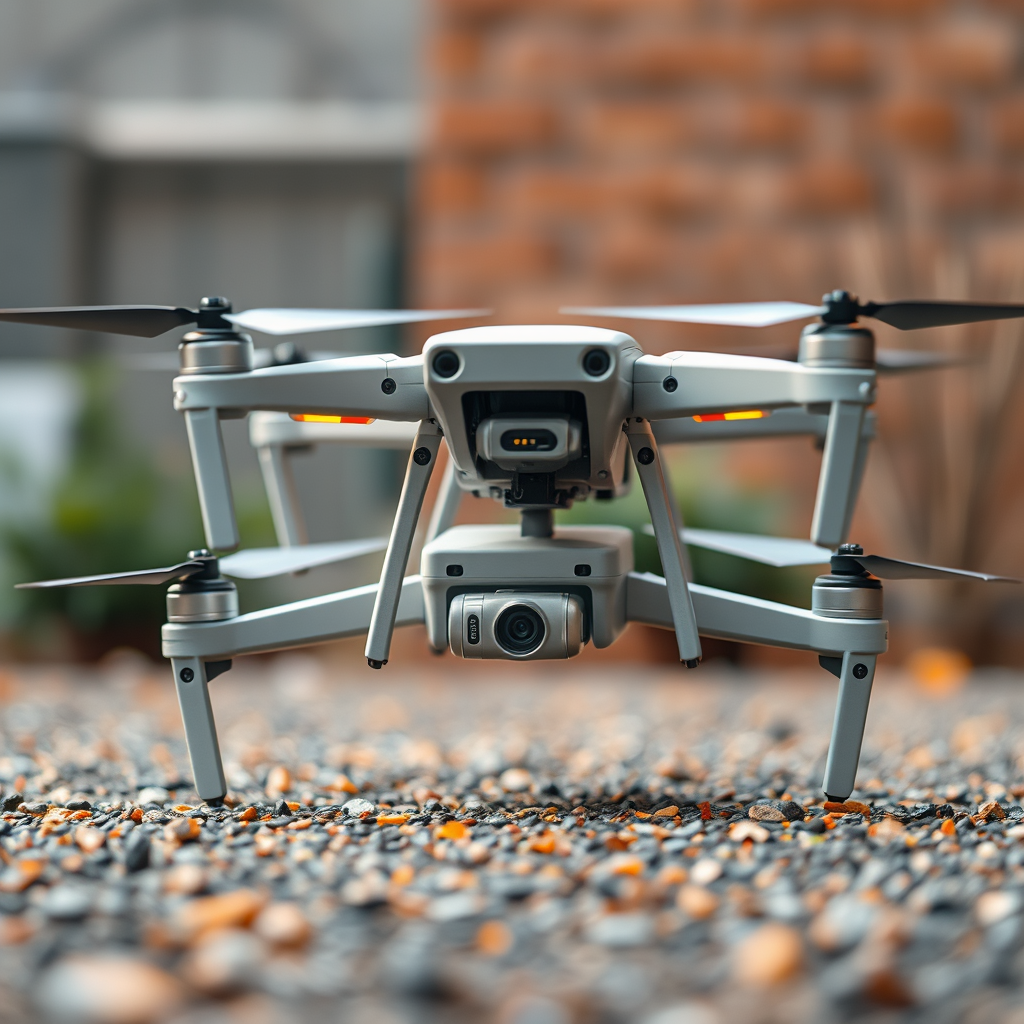
The battery life of a drone is one of the most critical factors influencing its ability to hover. Most consumer drones, particularly those designed for recreational use, offer a battery life ranging from 20 to 30 minutes. The exact duration can vary significantly among different models, with entry-level drones often on the lower end of this spectrum. High-end models, such as those produced by DJI or Autel Robotics, may provide the option for extended battery packs, which can increase flight time significantly. For instance, the DJI Mavic 2 Pro typically has a flight time of up to 31 minutes under optimal conditions. Therefore, when selecting a drone, it is essential to consider the battery specifications and any available accessories that could enhance battery life, such as additional batteries or charging stations.
Payload Weight
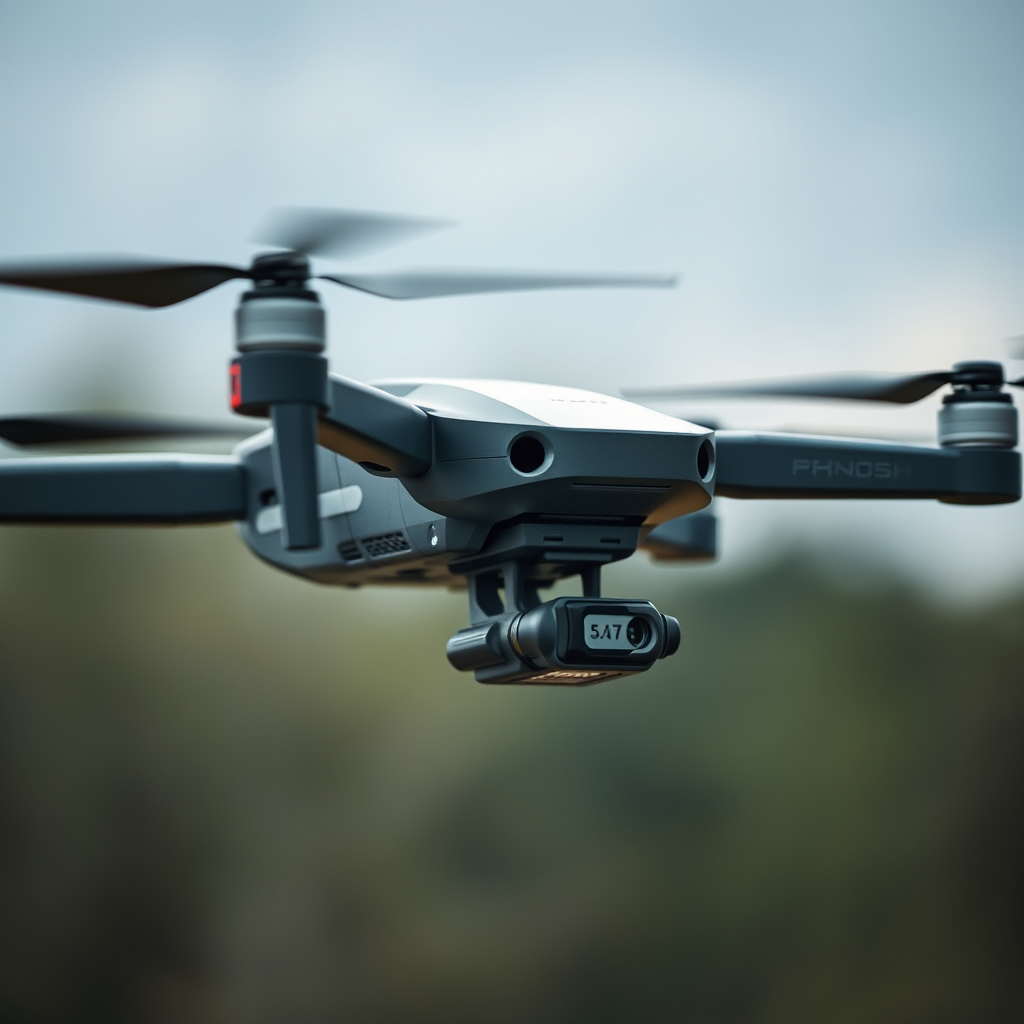
Another critical aspect that affects a drone’s hovering capability is its payload weight. Drones are designed with a maximum payload capacity, and exceeding this limit can lead to reduced performance, including shorter hovering times. For example, a drone that can carry a maximum payload of 2 kilograms may hover efficiently with just its camera and no additional equipment. However, if you add extra accessories, such as a gimbal or additional sensors, the increased weight can significantly decrease the hover time. It is advisable to always monitor the total weight of the drone and ensure that it remains within the manufacturer’s recommended limits for optimal performance. Furthermore, understanding the specific requirements for your intended use—be it aerial photography, surveying, or racing—will help you select appropriate payloads that do not compromise battery life.
Weather Conditions
Weather conditions play a vital role in determining how long a drone can hover effectively. Windy or inclement weather can adversely affect the stability of a drone, leading to increased battery consumption as the motors work harder to maintain altitude and stability. For instance, a drone flying in high winds may expend more energy, reducing its hover time. Rain can also pose challenges, as many drones are not water-resistant, making it risky to fly in wet conditions. The ideal conditions for hovering are calm, clear weather, with minimal wind and no precipitation. By planning flights for favorable weather, you can extend the effective hovering time and ensure a safer flying experience.
Drone Type
The specific type of drone you are using can also influence its hovering duration. Different categories of drones, such as quadcopters, hexacopters, and racing drones, have distinct characteristics that impact their flight times. Quadcopters, the most common type of drone, typically have a good balance of stability and hovering capability, making them suitable for aerial photography and videography. In contrast, hexacopters, which possess six rotors, may offer better stability and can carry heavier payloads; however, they tend to have shorter battery lives due to the increased power required to operate additional motors. Racing drones, while designed for speed and agility, often prioritize quick acceleration and maneuverability over extended hovering capabilities. As such, understanding the inherent strengths and weaknesses of your drone type is essential for optimizing its performance.
Flight Mode Settings
Modern drones come equipped with various flight mode settings that can significantly influence battery efficiency and hovering time. For instance, many consumer drones have a “hover mode,” which optimizes power usage by balancing the drone’s motor output to maintain a stable altitude with minimal energy expenditure. This mode is particularly useful for applications such as aerial photography, where stability is paramount. Other modes, such as sport mode, may prioritize speed and responsiveness, which can lead to increased battery consumption. Therefore, selecting the appropriate flight mode based on your specific needs and the conditions of your flight can help maximize hovering time and overall battery life.
Maintenance and Care
Regular maintenance and care are essential for enhancing a drone’s battery performance and prolonging its overall flight time. Keeping propellers clean and free from debris is crucial, as dirty propellers can create additional drag, leading to increased power consumption. Additionally, ensuring that motors and electronic components are functioning optimally can prevent unnecessary strain on the battery. Regularly checking for firmware updates can also enhance performance and efficiency, as manufacturers often release updates that improve flight algorithms and battery management systems. By adopting a proactive maintenance routine, drone operators can ensure that their equipment remains in peak condition, thereby maximizing hovering duration and improving reliability during flights.
In summary, the hovering time of a drone is significantly influenced by a variety of factors, including battery life, payload weight, weather conditions, drone type, flight mode settings, and maintenance practices. By understanding and optimizing these elements, drone operators can significantly enhance their flying experience and make the most of their drone’s capabilities during flight.
Frequently Asked Questions
How long can a typical drone hover on a single battery charge?
The hovering time of a typical drone varies significantly depending on the model and battery capacity. Most consumer drones can hover for about 20 to 30 minutes on a single charge, while high-end models designed for professional use may offer up to 40 minutes of hovering time. Factors such as weight, weather conditions, and flight mode can also impact the overall battery life.
What factors affect how long a drone can hover?
Several factors influence how long a drone can hover, including the drone’s weight, battery capacity, and environmental conditions. Heavier drones require more power to stay airborne, reducing flight time. Additionally, wind resistance and temperature can affect battery efficiency, making it crucial to consider these variables when planning drone flights.
Why do some drones have longer hover times than others?
Drones with longer hover times typically feature larger, more efficient batteries and advanced energy management systems. Professional-grade drones are designed for extended use and often incorporate lightweight materials and optimized propeller designs that enhance performance. Therefore, investing in a high-quality drone can significantly improve hovering duration.
Which drones are best known for their long hovering capabilities?
Some of the best drones known for their long hovering capabilities include the DJI Mavic 3, which can hover for up to 46 minutes, and the Autel Robotics EVO Lite, offering around 40 minutes of flight time. These models are equipped with powerful batteries and efficient motors, making them ideal choices for both amateur and professional drone users looking for extended hovering durations.
How can I extend the hovering time of my drone?
To extend your drone’s hovering time, consider flying in optimal weather conditions, reducing payload weight, and maintaining your battery properly. Additionally, using energy-efficient flight modes and ensuring your drone is well-maintained can help maximize battery life. Upgrading to a higher-capacity battery may also significantly improve your drone’s hovering capabilities.
References
- https://en.wikipedia.org/wiki/Drone
- https://www.faa.gov/uas/
- https://www.nasa.gov/feature/what-is-a-drone-and-how-do-they-work
- https://www.abc.net.au/news/science/2021-06-22/how-long-can-drones-fly/100212184
- https://www.sciencedirect.com/science/article/pii/S2352864822000451
- https://www.drones.org/what-is-drone-hovering/
- https://www.researchgate.net/publication/329568110_The_impact_of_battery_capacity_on_the_hovering_time_of_multirotor_drones
