

Drones can typically last anywhere from 20 minutes to over an hour on a single charge, depending on various factors such as battery type, drone size, and usage conditions. Understanding these factors can help you maximize your drone’s flight time and performance, ensuring you get the most out of your investment in aerial technology. This post will delve into critical aspects influencing drone longevity and provide insights that can enhance your flying experience.
Battery Life and Types
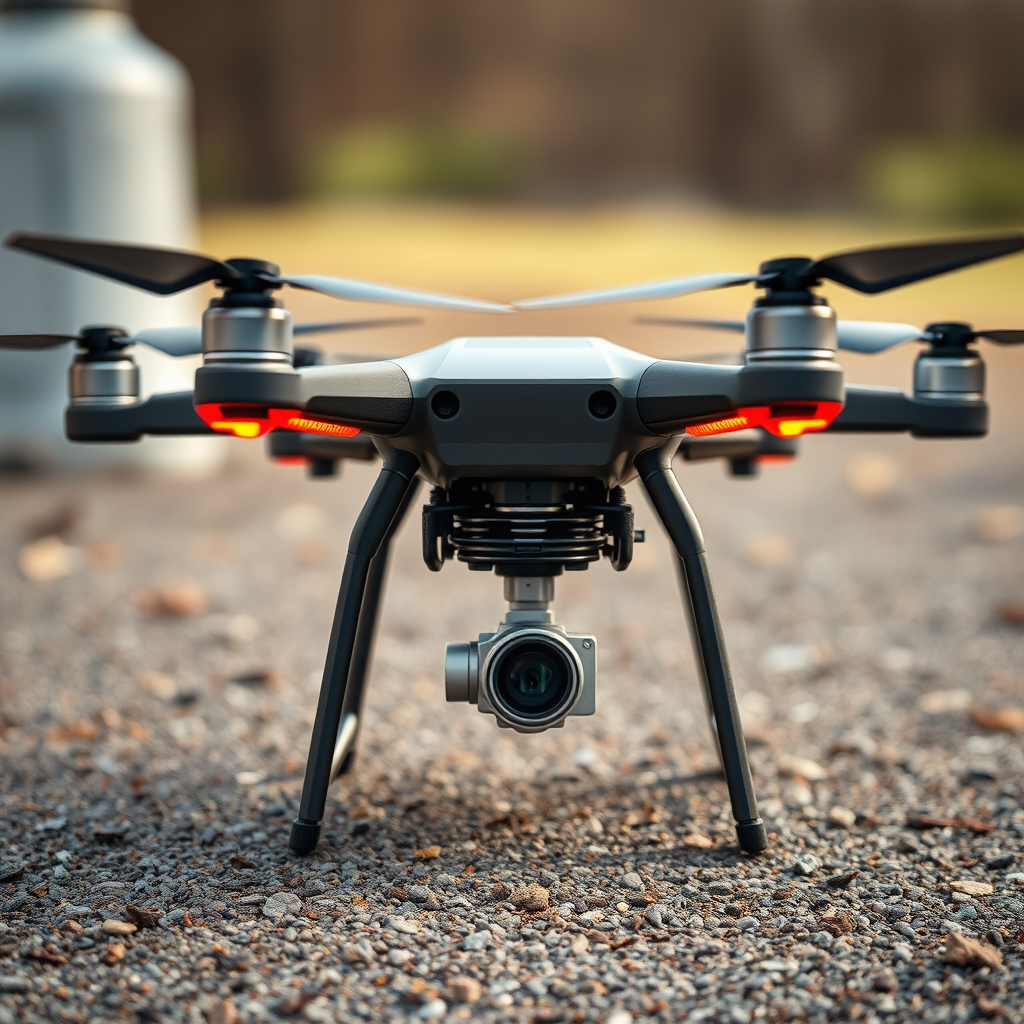
The battery is arguably the most crucial component influencing a drone’s flight duration. Lithium Polymer (LiPo) batteries are the most commonly used power sources in drones due to their high energy density and lightweight properties. These batteries can deliver a significant amount of power relative to their size, which is essential for supporting the various functions of a drone, including propulsion, navigation, and camera operations.
Battery capacity is typically measured in milliampere-hours (mAh); the higher the mAh rating, the longer the potential flight time. For example, a drone equipped with a 3000mAh battery might provide 30 minutes of flight time under optimal conditions, while a 5000mAh battery can extend that time significantly. However, it is essential to note that actual flight time can vary based on several operational factors, including how the drone is used and the weight it carries.
Additionally, advancements in battery technology are continuously emerging. Newer technologies, such as solid-state batteries, promise greater efficiency and longer flight times compared to traditional LiPo batteries. These innovations are paving the way for drones that can operate for extended periods without the need for frequent recharging.
Drone Size and Weight
The size and weight of a drone also play vital roles in determining its flight duration. Smaller drones, often categorized as toy drones or mini-drones, usually have shorter flight times. Their lightweight design allows for agile movements but limits the size of the battery they can carry, typically resulting in flight times ranging from 10 to 20 minutes.
On the other hand, heavier drones, such as those used for professional photography or industrial applications, can accommodate larger batteries that provide more power. However, this added weight can lead to increased energy consumption, sometimes offsetting the benefits of a larger battery. For example, a professional-grade drone might weigh several pounds but can still provide flight times of 30 to 40 minutes when equipped with a high-capacity battery. Understanding the trade-offs between size, weight, and battery capacity is crucial for users who wish to optimize their drone’s performance.
Environmental Factors
Environmental conditions can significantly affect a drone’s flight time. Wind speed is one of the most critical external factors; flying against strong winds can dramatically reduce battery life. For instance, a drone that usually operates for 30 minutes in calm conditions may only last 20 minutes if faced with high winds. Pilots should always check local weather conditions before flying to anticipate how environmental factors might impact flight duration.
Temperature extremes can also affect battery performance. Cold weather can decrease battery efficiency, leading to shorter flight times. For example, a drone that operates efficiently at 70°F may experience a significant reduction in flight time when the temperature drops to 32°F or lower. Conversely, high temperatures can lead to overheating, which can also impact battery life and drone performance. Pilots can mitigate these effects by flying during optimal weather conditions and ensuring their battery is kept at a suitable temperature before flight.
Usage and Flight Style
The manner in which a drone is flown can greatly influence its battery life. Aggressive flying, characterized by rapid ascents, quick turns, and constant acceleration, consumes energy at a faster rate compared to smooth, controlled flying. For example, a pilot who engages in acrobatic maneuvers may find their battery depleting 30% faster than if they were flying steadily at a consistent altitude.
Additionally, carrying payloads such as cameras or additional equipment can also reduce flight duration. A drone designed to carry a lightweight camera may have a flight time of 30 minutes, but when loaded with extra gear, that time could drop to 20 minutes or less. Understanding the impact of flying style and payload on battery life can help pilots plan their flights more effectively, ensuring they remain within safe operational limits.
Maintenance and Care
To achieve optimal flight performance and battery longevity, regular maintenance and care are essential. This includes checking the health of the battery periodically and keeping firmware updated to ensure the drone operates smoothly. Many drone manufacturers provide software that can diagnose battery health and performance, allowing users to take preemptive action before issues arise.
Proper storage and charging practices can also extend the life of a drone’s battery. For example, storing batteries in a cool, dry place, and avoiding overcharging or deep discharging can significantly impact their lifespan. It is also advisable to follow the manufacturer’s guidelines for charging, as improper practices can lead to battery swelling or failure. By adopting a proactive approach to maintenance, drone users can maximize their equipment’s longevity and overall performance.
Future Innovations
The future of drone technology promises exciting advancements, particularly in battery technology. Emerging innovations, such as solid-state batteries, offer the potential for longer flight times and quicker charging capabilities compared to conventional batteries. These batteries feature a solid electrolyte instead of a liquid one, which not only enhances safety but also increases energy density.
Moreover, ongoing research into energy-efficient designs and materials may lead to drones that use less power while maintaining high performance. As manufacturers continue to explore new lightweight materials and aerodynamic designs, the potential for longer-lasting drones becomes increasingly plausible. Keeping an eye on industry trends and updates will help drone enthusiasts stay informed about the latest technologies that could enhance their flying experience.
In summary, the longevity of a drone is influenced by several factors, including battery type, size, environmental conditions, usage, and maintenance practices. By understanding these elements, drone operators can make informed choices that not only extend flight time but also enhance overall performance. As technology evolves, staying abreast of innovations will further empower users to maximize their drone’s capabilities. Whether you’re a hobbyist or a professional, understanding these key factors will help you get the most out of your aerial adventures.
Frequently Asked Questions
How long can a typical drone fly on a single battery charge?
The flight time of a typical consumer drone can range from 20 to 30 minutes on a single battery charge. However, this duration can vary based on factors such as the drone’s size, weight, battery capacity, and flying conditions. For example, racing drones may have shorter flight times due to high power demands, while larger drones designed for photography might have longer endurance.
What factors affect the flight time of a drone?
Several factors influence a drone’s flight time, including battery size, weight, and design. Additionally, environmental conditions like wind speed, temperature, and altitude can also play a significant role. For example, flying against strong winds can drain the battery faster, while colder temperatures may reduce battery efficiency, leading to shorter flight times.
Why do some drones have a shorter lifespan than others?
The lifespan of a drone can be impacted by its build quality, materials used, and frequency of use. Lower-cost drones often use less durable materials and may not withstand the wear and tear of regular flights, leading to a shorter operational life. In contrast, high-quality drones are built with more robust components and can endure longer periods, provided they are well-maintained.
Which drones offer the best battery life for extended flights?
Drones known for their impressive battery life include models like the DJI Mavic Air 2, which can fly for up to 34 minutes, and the Autel Robotics EVO Lite+, offering around 40 minutes of flight time. When choosing a drone for extended flight, consider those that feature larger batteries, efficient motors, and aerodynamic designs to maximize flight duration.
How can I extend the flight time of my drone?
To extend your drone’s flight time, consider investing in additional or higher-capacity batteries, as well as optimizing your flying technique by avoiding rapid maneuvers and flying at moderate altitudes. Regular maintenance, such as checking propellers and ensuring the drone is free of debris, can also help improve efficiency and maximize battery life during each flight.
References
- https://en.wikipedia.org/wiki/Drone
- https://www.nasa.gov/centers/dryden/pdf/81684.pdf
- https://www.faa.gov/uas/resources/policy_library/
- https://www.sciencedirect.com/science/article/pii/S2351978917300905
- https://www.reuters.com/article/us-technology-drones-idUSKCN1VV1ZB
- https://www.wired.com/story/drone-batteries/
- https://www.bbc.com/future/article/20200701-how-long-can-drones-fly-for
