

Reaper drones, also known as MQ-9 Reapers, can fly for approximately 27 hours under optimal conditions. This impressive endurance allows them to conduct prolonged surveillance and reconnaissance missions without the need for frequent refueling. The advanced engineering behind the Reaper drone combines fuel efficiency with sophisticated technology, making it a powerful asset in modern military operations. In this article, we will explore various factors that influence a Reaper drone’s flight duration, its operational capabilities, and more.
Understanding the Reaper Drone’s Design
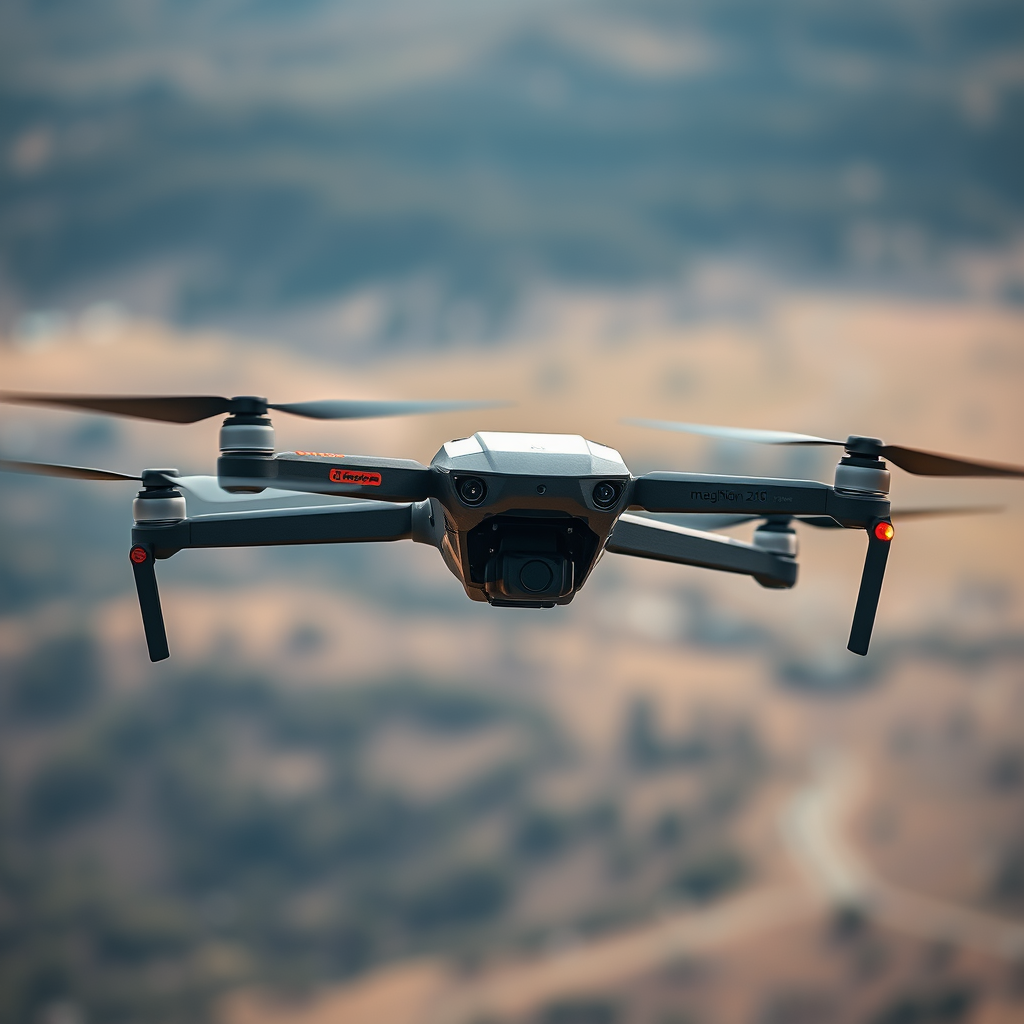
The Reaper drone is a marvel of modern engineering, meticulously designed to maximize flight endurance. Central to this design are its fuel-efficient engines, capable of maintaining sustained flight over long distances. The MQ-9 is powered by a Honeywell TPE331-10 turboprop engine, which is not only reliable but also optimized for endurance flying. This engine allows the Reaper to operate at altitudes of up to 50,000 feet, significantly reducing fuel consumption as it glides through thinner air.
Additionally, the Reaper’s aerodynamic shape plays a critical role in enhancing its flight capabilities. The drone is engineered with a sleek profile, minimizing drag and allowing for smoother airflow around the vehicle. This aerodynamic efficiency translates to extended flight times, enabling the Reaper to cover vast areas without the immediate need for refueling. The integration of advanced materials also contributes to its lightweight design, further optimizing fuel efficiency and overall performance.
Factors Affecting Flight Duration
While the Reaper drone boasts a maximum flight time of 27 hours, several factors can affect its actual flight duration. Weather conditions are a primary consideration; adverse weather such as strong winds or extreme temperatures can lead to increased fuel consumption. For instance, headwinds can reduce the effective range of the drone, necessitating adjustments in flight plans and potentially shortening mission durations.
Another crucial factor is payload weight. The Reaper is equipped with various sensors, cameras, and weaponry, which can significantly impact its flight endurance. Heavier payloads require more power to maintain altitude and speed, leading to increased fuel consumption. For example, if the drone is loaded with munitions for a combat mission, its flight time may be reduced compared to a reconnaissance mission where it carries only surveillance equipment.
Typical Mission Profiles
The Reaper drone’s mission profiles vary widely, impacting its operational flight times. Surveillance missions, for example, often necessitate longer flight durations as operators seek to gather comprehensive data over expansive areas. These missions leverage the drone’s endurance to monitor enemy movements, gather intelligence, or conduct border patrols, sometimes lasting for many hours or even the maximum 27-hour limit.
In contrast, combat missions tend to be shorter due to the urgency for rapid response. While the Reaper can fly long distances, the need to engage targets quickly may dictate a more efficient use of fuel. During such missions, the drone might execute a series of shorter flights, returning to base for refueling or reassessing its operational status before re-engaging.
Comparisons with Other Drones
When comparing the Reaper to other unmanned aerial vehicles (UAVs), its flight time stands out significantly. For instance, the MQ-1 Predator, the predecessor to the Reaper, has a maximum flight time of around 24 hours. Meanwhile, newer drones such as the Global Hawk can achieve similar endurance, but the Reaper’s combination of payload capacity and versatility makes it unique.
The advantages of having a longer operational range are profound. A drone that can stay airborne longer can cover larger surveillance areas and conduct more thorough reconnaissance missions without the need for frequent landings and refuels. This capability is particularly valuable in military operations where time is of the essence and intelligence gathering is critical to the success of missions.
Maintenance and Refueling
To ensure optimal performance and prolonged flight capabilities, regular maintenance of Reaper drones is essential. This includes routine inspections of the engine, avionics, and structural components. Preventative maintenance helps to identify potential issues before they can affect flight performance, thereby extending the aircraft’s operational lifespan.
Understanding refueling strategies is also crucial for long-duration missions. While the Reaper can fly for extended periods, it may still require refueling depending on mission specifics and payload. Ground crews utilize various refueling techniques, including aerial refueling, which allows the drone to remain airborne while replenishing fuel. This capability significantly enhances mission flexibility and operational reach.
Technological Advancements
As drone technology continues to evolve, innovations are being developed that may extend flight times even further. Advances in battery technology, lightweight materials, and more efficient engines are on the horizon, which could lead to drones capable of flying even longer than current models. For instance, research into hybrid propulsion systems could revolutionize the endurance capabilities of UAVs by combining traditional fuel engines with electric power sources.
Moreover, artificial intelligence (AI) is playing an increasingly critical role in optimizing flight plans and energy use. AI algorithms can analyze real-time data on weather conditions, air traffic, and mission objectives to determine the most efficient flight paths, thereby conserving fuel and extending overall flight durations. As these technologies continue to mature, the operational capabilities of drones like the Reaper are poised to expand even further.
In conclusion, the Reaper drone’s ability to fly for up to 27 hours makes it a vital asset for military operations. Understanding its design, the factors affecting its flight duration, and its mission profiles offers insights into its strategic advantages. As advancements in technology continue to emerge, the potential for extending flight times and enhancing operational capabilities will further solidify the Reaper’s role in modern warfare. For more insights on drone technology and military applications, stay tuned to our blog!
Frequently Asked Questions
How long can a Reaper drone fly on a single mission?
A Reaper drone, officially known as the MQ-9 Reaper, can fly for approximately 27 hours on a single mission, depending on payload and operational conditions. This impressive flight endurance allows it to conduct long-duration surveillance and reconnaissance missions without needing to refuel. However, factors such as weather conditions, weight of onboard equipment, and mission type can affect its total flight time.
What factors influence the flight time of a Reaper drone?
Several factors can influence the flight time of a Reaper drone, including its payload, altitude, and atmospheric conditions. Heavier payloads, such as additional weapons or surveillance equipment, can decrease flight duration. Additionally, flying at higher altitudes can lead to more efficient fuel consumption, while adverse weather conditions can also impact performance and endurance.
Why is flight endurance important for military operations involving Reaper drones?
Flight endurance is crucial for military operations involving Reaper drones because it allows for prolonged surveillance and quick response times during missions. The ability to remain airborne for extended periods enables operators to gather critical intelligence, monitor enemy movements, and engage targets without the need for frequent refueling stops. This extended operational capability enhances mission effectiveness and reduces the risk of detection.
What is the maximum altitude a Reaper drone can reach during its flight?
The MQ-9 Reaper has a maximum operational altitude of approximately 50,000 feet (15,240 meters). This high altitude capability enables it to evade many surface-to-air threats and conduct surveillance from a safe distance. Operating at such heights also allows the drone to cover larger areas, making it an effective tool for intelligence gathering and reconnaissance missions.
Which missions benefit the most from the Reaper drone’s long flight time?
Missions that benefit the most from the Reaper drone’s long flight time include intelligence, surveillance, and reconnaissance (ISR) operations, as well as precision strikes in combat zones. The ability to remain airborne for extended periods allows operators to monitor specific targets or areas continuously, providing real-time data to military commanders. Additionally, long-duration missions are critical in situations where persistent presence is necessary to gather actionable intelligence or support ground forces.
References
- https://en.wikipedia.org/wiki/General_Atomics_MQ-9_Reaper
- https://www.dod.gov/pubs/foi/aircraft_operations/19-F-0511-Document-1.pdf
- https://www.airforce.com/technology/unmanned-aircraft-systems/mq-9-reaper
- https://www.reuters.com/article/us-usa-drone-idUSKCN1RZ1B3
- https://www.bbc.com/news/world-us-canada-57876485
- https://www.rand.org/pubs/research_reports/RR2130.html
