
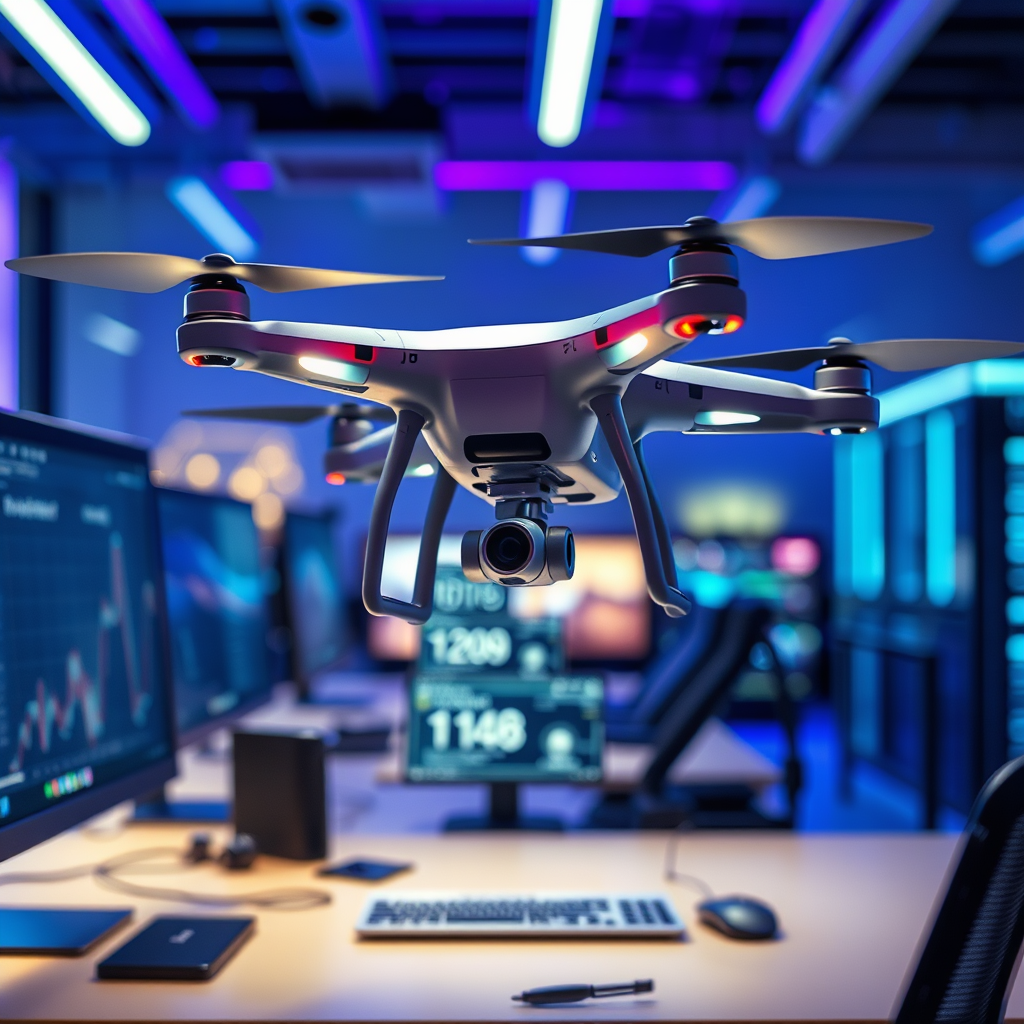
Drones can typically fly for 20 to 30 minutes on a single charge, but this duration can vary based on several factors such as battery capacity, drone type, and weather conditions. Understanding these variables can help users maximize flight time for their specific needs, ensuring optimal performance for recreational or professional applications. In this article, we will delve into the critical factors influencing drone flight duration, providing insights that can aid both novice and experienced drone operators in enhancing their flying experience.
Battery Capacity and Type

Battery technology plays a crucial role in determining how long a drone can remain airborne. Most consumer drones utilize lithium polymer (LiPo) batteries due to their lightweight nature and high energy density. These batteries are capable of delivering significant power while maintaining a manageable weight, which is essential for flight efficiency.
When considering battery capacity, it is measured in milliamp hours (mAh). A higher capacity battery generally allows for longer flight times; for example, a drone with a 3000mAh battery can potentially fly longer than one with a 1500mAh battery, given similar conditions. However, it is important to note that higher-capacity batteries may also increase the overall weight of the drone, which can counteract the benefits of extended flight times. Thus, operators must strike a balance between battery capacity and drone weight to achieve optimal performance.
Additionally, advancements in battery technology, such as the emerging solid-state batteries, promise to further enhance flight times in the future. These batteries are designed to be safer and more efficient, potentially allowing drones to fly for longer durations without the accompanying weight penalties.
Drone Size and Weight
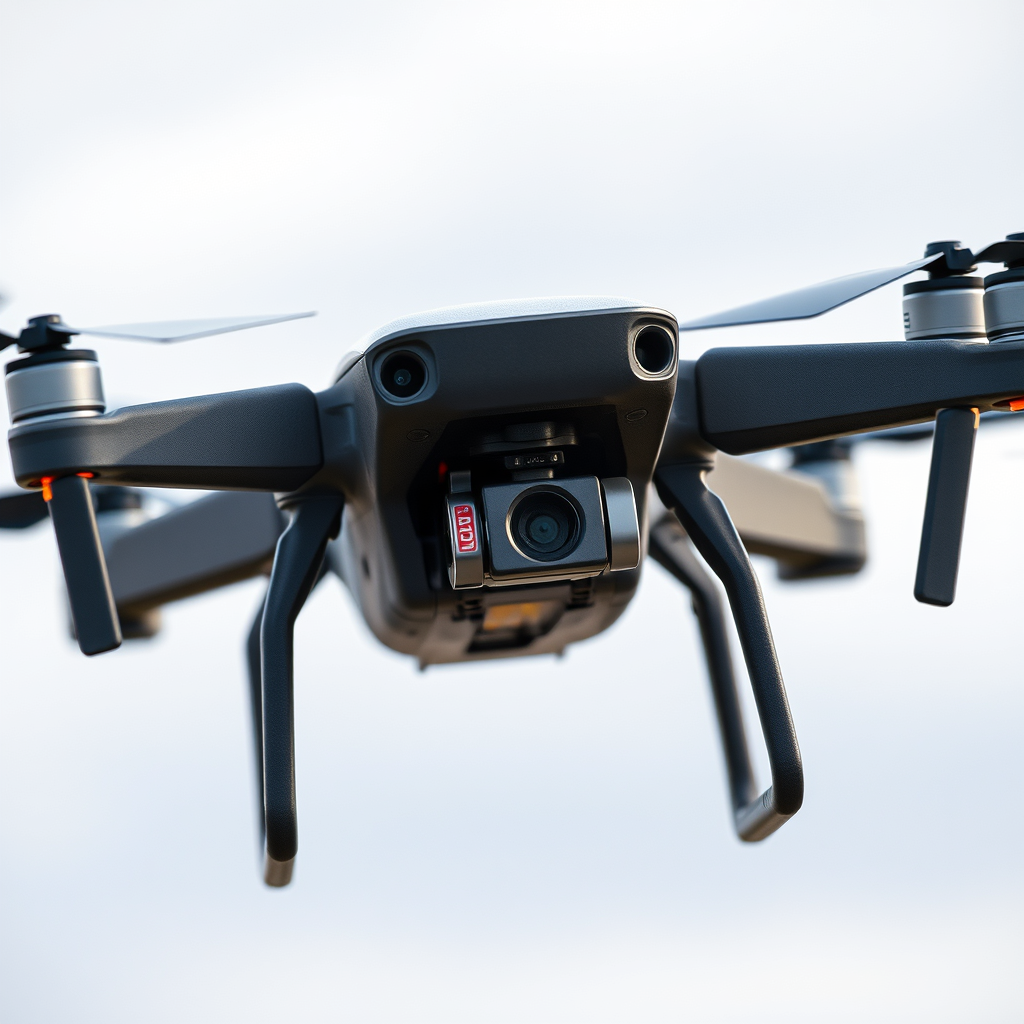
The size and weight of a drone are pivotal factors affecting its flight time. Smaller drones, often designed for beginners or casual use, typically have limited battery space. This restriction leads to shorter flight durations, generally averaging between 10 to 20 minutes. For instance, toy-grade drones may only achieve about 5 to 10 minutes of flight time due to their compact design and limited battery capacity.
Conversely, larger drones, such as those used for professional photography or surveying, tend to have more powerful batteries and can carry additional weight in the form of high-resolution cameras and stabilization equipment. However, the increased weight requires more power for lift, which can reduce flight duration. For example, a professional drone designed for aerial photography might have a flight time of 25 to 40 minutes, depending on the additional payload it carries.
In summary, while smaller drones are more portable and user-friendly, they often compromise on flight time. Larger drones, although capable of longer flights, require careful consideration of their payload to maintain efficiency.
Weather Conditions
Weather conditions can significantly impact drone flight times, primarily due to wind and temperature. Windy conditions require drones to expend additional energy to maintain stability and counteract gusts, which can drastically reduce flight durations. For instance, a drone that might typically fly for 25 minutes in calm weather could see that time cut by nearly a third in windy conditions, depending on the severity of the gusts.
Temperature also plays a critical role in battery performance. Lithium polymer batteries can lose efficiency in extreme cold, leading to shorter flight times. Operators flying in colder climates may notice a significant drop in performance, with flight times potentially reduced by up to 20% or more. Conversely, excessively hot temperatures can also affect battery health and longevity, leading to potential overheating and diminished flight times.
To mitigate these weather-related challenges, drone operators should check local forecasts before flying and adapt their plans accordingly. Utilizing drones equipped with GPS and stabilization technology can also help maintain control during adverse conditions.
Flight Mode and Usage
The way a drone is operated can significantly influence its flight duration. Aggressive flight maneuvers, such as rapid acceleration, sharp turns, and high-speed racing, consume more battery power and can shorten flight times considerably. For instance, racing drones, which are designed for speed and agility, often have flight times ranging from 5 to 10 minutes due to their high-performance demands.
In contrast, flying at a steady pace or utilizing efficient flight modes can extend flight times significantly. Many modern drones come equipped with various flight modes, such as “hovering” or “cruise,” which optimize energy consumption. For example, a drone in hover mode, maintaining a stable position with minimal lateral movement, can achieve flight durations closer to the upper limit of its battery capacity.
Operators can also enhance flight efficiency by planning their flight paths and minimizing abrupt changes in altitude or direction. Employing automated flight planning software can assist in achieving the most energy-efficient routes, thereby maximizing flight time.
Drone Model Variations
Different types of drones are designed for specific applications, and this variation greatly influences flight durations. Consumer drones, which are popular among hobbyists and casual users, typically offer flight times ranging from 20 to 30 minutes. Models such as the DJI Mini 2 or the Mavic Air 2 fall within this range, providing a balance of performance and usability for recreational flying.
Racing drones, on the other hand, prioritize speed and agility over extended flight time. These models often sacrifice battery life for performance, with flight durations of just 5 to 10 minutes. This trade-off is acceptable for competitive racing scenarios where speed is paramount.
Professional drones, especially those used for aerial surveys, agriculture, and cinematography, frequently feature advanced technologies that allow for extended flight capabilities. These drones can often fly for 30 to 60 minutes, depending on their design and the technology employed. For instance, the DJI Matrice 300 RTK can achieve up to 55 minutes of flight time with a high-capacity battery and optimized flight dynamics.
Maintenance and Upkeep
Regular maintenance is essential for maximizing flight time and ensuring the longevity of a drone. Over time, battery efficiency can degrade due to factors such as age, charging cycles, and improper storage. Operators should routinely check their batteries for wear and ensure they are charged and stored correctly to prolong their lifespan.
Keeping the drone clean and well-maintained also plays a critical role in performance. Dirt, debris, and moisture can affect propeller efficiency and overall aerodynamics, leading to increased power consumption and reduced flight times. Operators should implement a routine cleaning schedule and inspect their drones before each flight to ensure optimal conditions.
Furthermore, updating firmware and software can enhance a drone’s operational efficiency. Manufacturers often release updates that improve battery management systems and overall flight performance. Keeping a drone’s software up to date can lead to better flight times and more stable performance.
In summary, proper maintenance not only improves flight performance but also enhances the overall flying experience, allowing operators to enjoy their drones to the fullest.
In conclusion, while most drones can fly for around 20 to 30 minutes, various factors such as battery capacity, drone size, weather conditions, flight modes, and maintenance can significantly influence flight time. By understanding these elements, drone operators can better plan their activities, optimize performance, and maximize their flying experience. Whether for personal enjoyment or professional use, awareness of these factors is crucial for effective drone operation.
Frequently Asked Questions
How long can consumer drones typically fly on a single battery charge?
Consumer drones generally have a flight time ranging from 20 to 30 minutes on a single battery charge. This duration can vary based on factors such as drone model, payload weight, flying conditions, and battery capacity. High-end models may offer longer flight times, while smaller or less powerful drones might have shorter durations.
What factors affect a drone’s flight time?
Several factors influence a drone’s flight time, including battery capacity, drone weight, and environmental conditions. For instance, flying in windy conditions can reduce flight time as the drone expends more energy to maintain stability. Additionally, the type of payload and how aggressively the drone is flown (such as fast maneuvers) can also significantly impact overall flight duration.
Why do professional drones have longer flight times compared to hobbyist models?
Professional drones often feature more advanced technology, larger battery capacities, and optimized aerodynamics, which contribute to extended flight times. They are designed for various applications, such as aerial photography, surveying, or inspections, where longer flight durations are critical. In contrast, hobbyist drones prioritize ease of use and affordability, often sacrificing battery life for lower costs.
What is the best way to extend a drone’s flight time?
To maximize a drone’s flight time, consider using high-capacity batteries and reducing payload weight by minimizing accessories or extra equipment. Additionally, flying in calm weather conditions, avoiding aggressive maneuvers, and ensuring that the drone is well-maintained can all contribute to longer flight durations. Regular firmware updates can also optimize performance and enhance efficiency.
Which drones offer the longest flight times available on the market?
Some of the drones currently noted for their impressive flight times include the DJI Mavic 3, which can fly for up to 46 minutes, and the Autel Robotics EVO Lite+, known for approximately 40 minutes of flight time. These models are equipped with high-capacity batteries and efficient motors, making them ideal for users who need extended operational periods for aerial work or exploration. Always check the specifications and reviews to ensure you select a drone that meets your flight duration needs.
References
- https://en.wikipedia.org/wiki/Drone_flight_time
- https://www.faa.gov/uas/
- https://www.nytimes.com/2021/09/07/technology/drones-flying-time-battery.html
- https://www.researchgate.net/publication/331978123_The_Impact_of_Battery_Lifetime_on_Drone_Operations
- https://www.sciencedirect.com/science/article/pii/S2351978915300015
- https://www.aerodynamics.com/articles/how-long-can-drones-fly
- https://www.techrepublic.com/article/how-long-can-drones-fly-a-guide-to-drone-battery-life/
- https://www.wired.com/story/drones-battery-life/
