
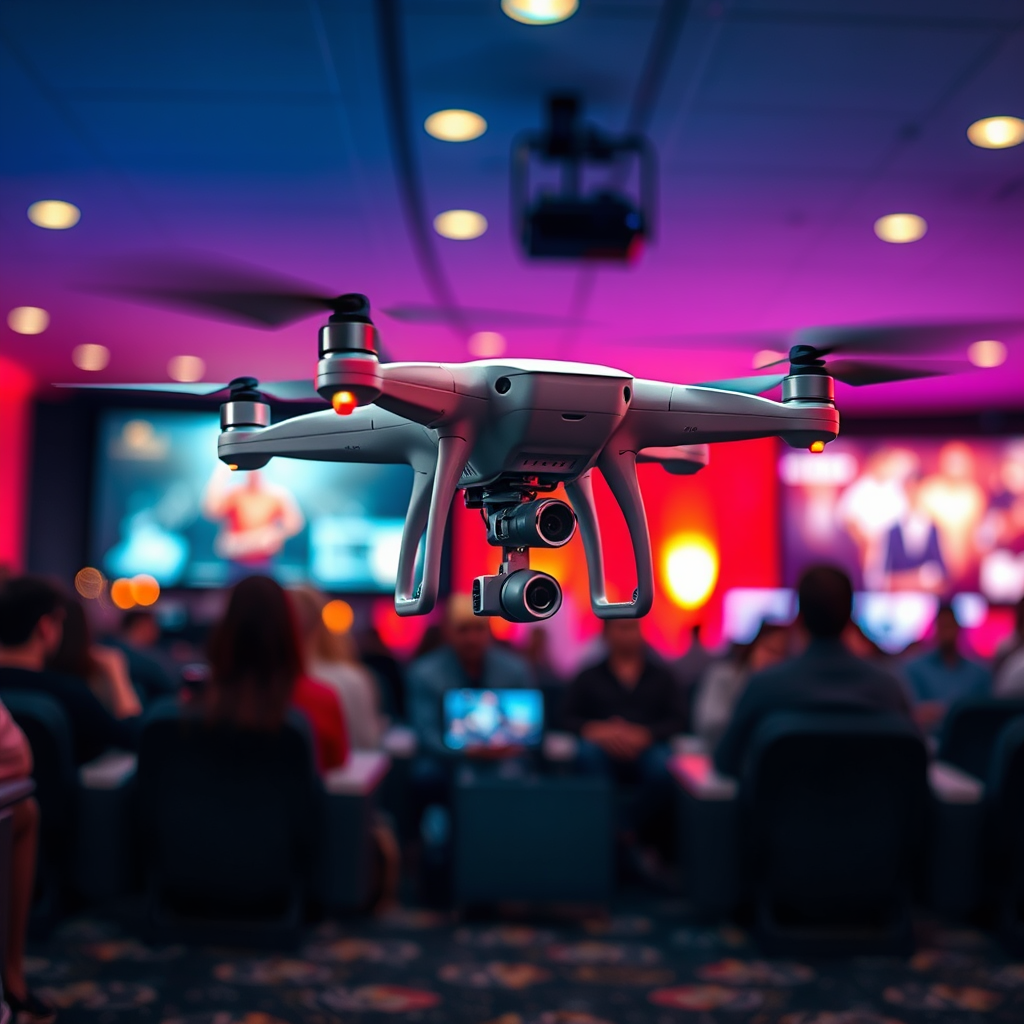
Drones can typically fly for 20 to 30 minutes on a single battery charge, depending on various factors such as the type of drone, payload weight, and environmental conditions. Understanding these aspects can help users maximize flight time and make informed decisions when operating drones. As the popularity of drones continues to rise across various sectors, from recreational use to commercial applications, grasping the intricacies of drone battery life and flight capabilities becomes essential for both enthusiasts and professionals alike.
Understanding Drone Battery Life
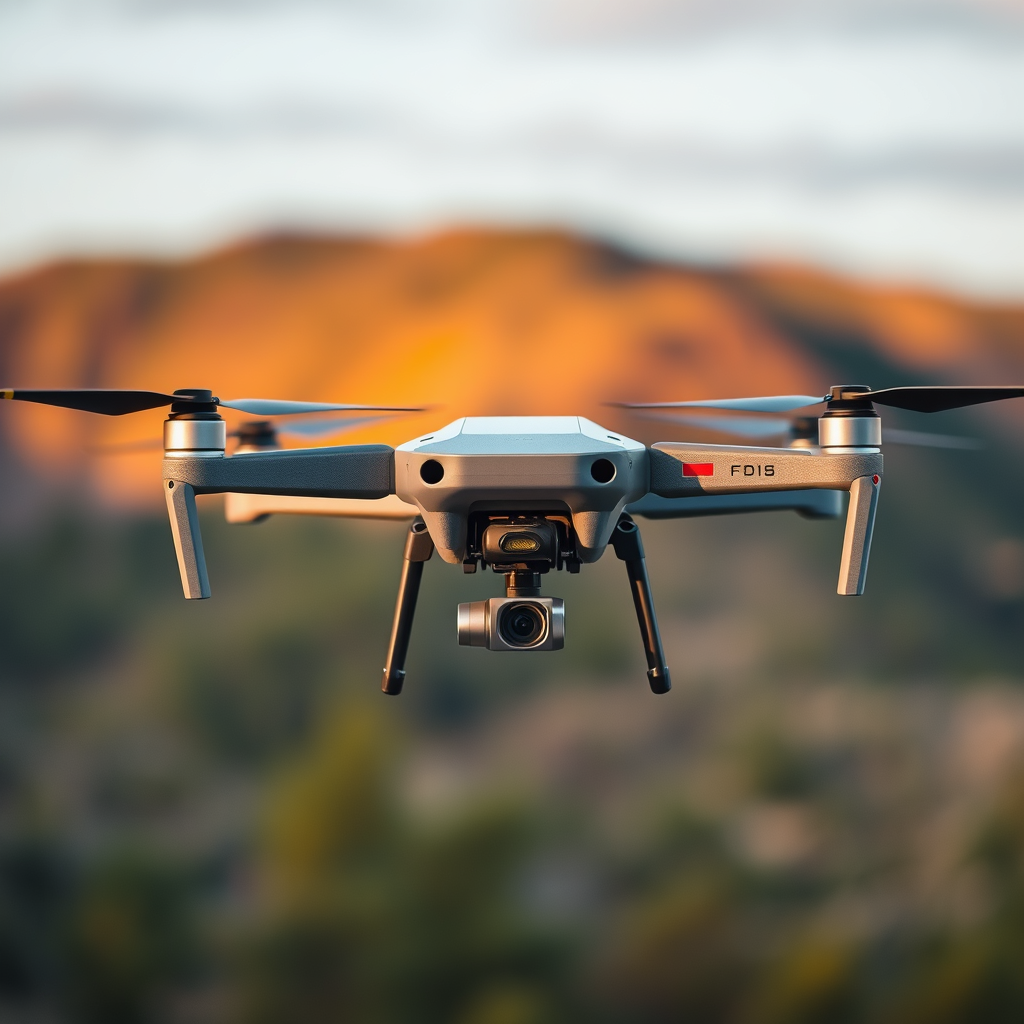
The battery life of a drone is a critical component that determines how long it can operate in the air. Battery capacity is measured in milliampere-hours (mAh), which indicates how much energy a battery can store. Generally, the higher the mAh rating, the longer a drone can fly. For instance, a drone with a 3000 mAh battery may last significantly longer than one with a 1500 mAh battery, given similar conditions.
However, battery capacity is not the only factor to consider. Different drone models have varying battery efficiencies and capabilities. High-end consumer drones, such as the DJI Mavic series, often employ advanced battery management systems that optimize energy usage, allowing them to achieve the maximum flight time possible under specific conditions. Additionally, manufacturers continually innovate battery technology, leading to improvements in battery longevity and efficiency. Therefore, selecting a drone with a robust battery system can greatly enhance flight time and overall performance.
Types of Drones and Their Flight Times
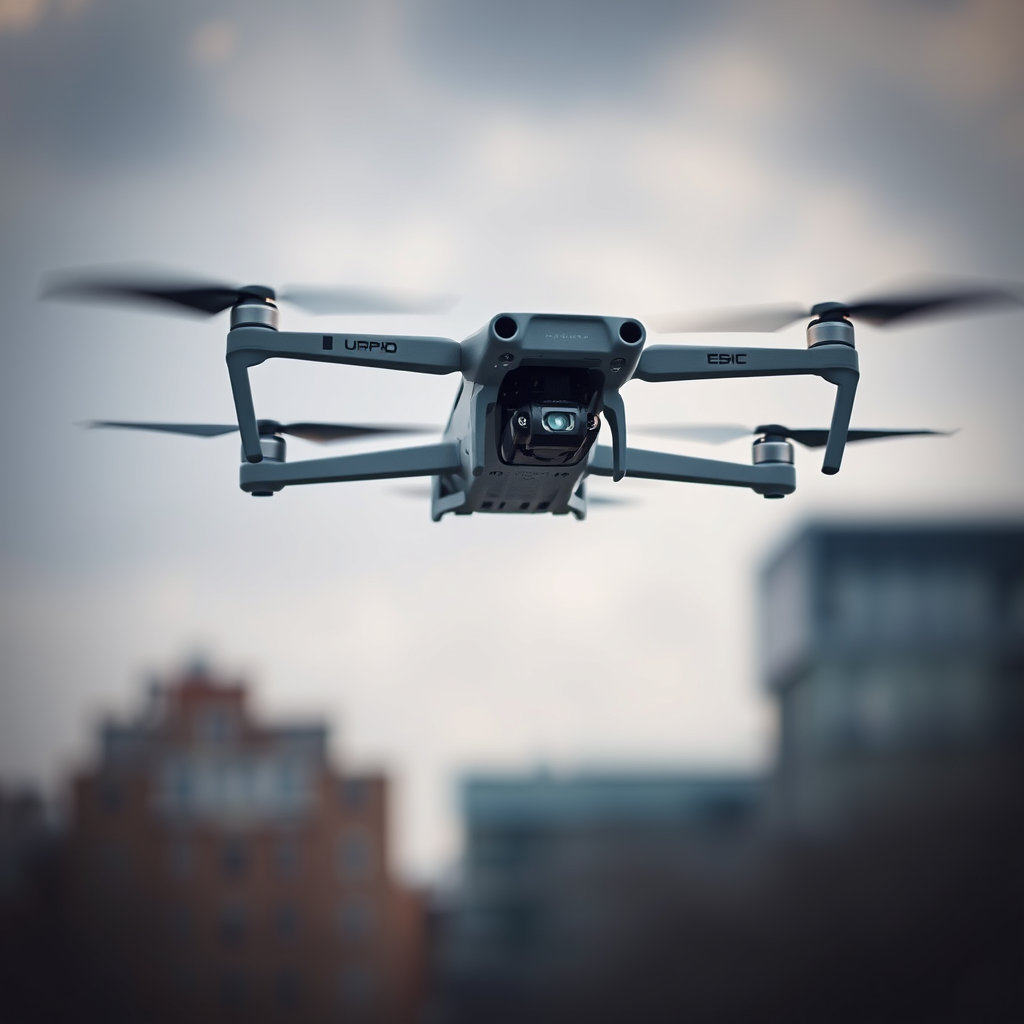
When examining the flight times of drones, it’s essential to differentiate between various types. Consumer drones, which are commonly used for recreational purposes, generally have flight times ranging from 20 to 30 minutes. For example, the DJI Mini 2 offers approximately 31 minutes of flight time, showcasing how advancements in technology can push these boundaries.
On the other hand, commercial drones designed for specific tasks can often offer extended flight times, frequently exceeding 30 minutes. For instance, the DJI Matrice 300 RTK, which is used for industrial applications such as surveying and inspection, can fly for up to 55 minutes with the right battery configuration. These drones are built with larger batteries and optimized for efficiency, allowing them to complete more demanding tasks without the need for frequent recharges.
Factors Influencing Flight Time
Several factors significantly influence how long a drone can remain airborne. One of the most critical factors is payload weight. The heavier the payload, the more power the drone requires to stay aloft, thereby reducing flight time. For example, if a drone is equipped with a high-resolution camera or additional sensors, the increased weight can cut its flight time by as much as 10-20%, depending on the overall load.
Environmental conditions also play a crucial role in determining flight duration. Wind speed, for instance, can create additional drag on a drone, requiring it to expend more energy to maintain stability and altitude. Similarly, extreme temperatures can affect battery performance; cold weather can reduce battery efficiency, while excessive heat can lead to overheating and potential damage. Operators should monitor these conditions when planning drone flights to ensure optimal performance.
Maximizing Drone Flight Time
To enhance flight time, drone operators can implement several strategies. One effective method is to reduce weight and drag. This can be achieved by carefully selecting the equipment used, such as opting for lighter cameras or removing unnecessary accessories that may hinder performance.
Additionally, regular maintenance and battery care can significantly affect overall performance. Keeping the drone clean and ensuring that the propellers are free of debris can improve flight efficiency. Furthermore, regularly checking battery health and following manufacturer guidelines for charging and storage can prolong the lifespan of batteries, ensuring they deliver optimal performance over time.
Lastly, understanding flight patterns can also contribute to maximizing flight time. Maintaining a steady speed and avoiding abrupt maneuvers can conserve battery power and extend the duration of each flight.
The Future of Drone Flight Times
The future of drone flight times looks promising, driven by advancements in battery technology and innovative design solutions. One of the most exciting developments in this area is the emergence of lithium-sulfur batteries, which promise to deliver higher energy densities compared to traditional lithium-ion batteries. This could lead to drones with significantly longer flight times without increasing weight.
Moreover, researchers are exploring solar-powered drones, which can harness sunlight to extend flight capabilities further. These drones could revolutionize how we think about operational limits, enabling longer missions for tasks such as environmental monitoring, agriculture, and search and rescue operations.
As technology continues to evolve, it is reasonable to expect that drone flight times will increase, making them even more efficient and versatile in various applications.
Regulations and Limitations
Understanding local regulations regarding drone operations is paramount for any operator, as this can directly influence flight planning and overall capabilities. In many regions, drone operators are required to adhere to specific guidelines concerning altitude, flight zones, and operational hours. Awareness of these regulations can help prevent potential legal issues and ensure safe flying practices.
Additionally, airspace restrictions may limit where and how long drones can fly, especially near airports or densely populated areas. Operators should familiarize themselves with local airspace classifications and any temporary flight restrictions that may be in place to avoid disruptions.
Being informed about regulations will not only enhance safety but also allow operators to optimize their flight plans to achieve the best possible outcomes.
In conclusion, while most drones can fly for about 20 to 30 minutes, several factors can affect this duration. By considering drone type, payload, and environmental factors, operators can optimize their flying experience. Employing strategies to maximize flight time, staying abreast of technological advancements, and understanding regulatory requirements are all essential for anyone looking to get the most from their drone. As the industry evolves, the potential for longer flight times and greater operational flexibility continues to grow, promising exciting possibilities for the future of drone technology.
Frequently Asked Questions
How long can drones fly on a single battery charge?
The flight time of a drone on a single battery charge typically ranges from 20 to 30 minutes for consumer models, depending on various factors such as drone design, weight, and battery capacity. High-end models may achieve flight times of up to 40 minutes or more, while smaller, toy drones may only last around 5 to 10 minutes. It’s important to check the specifications of your specific drone model to understand its exact flying duration.
What factors affect a drone’s flight time?
Several factors can significantly affect a drone’s flight time, including battery size, drone weight, weather conditions, and flying style. For instance, flying in windy conditions or performing aggressive maneuvers can drain the battery faster. Additionally, payload weight, such as cameras or other equipment, can also reduce the overall flight time, so optimizing these aspects can help maximize your drone’s flying duration.
Why do drones have limited flight times?
Drones have limited flight times primarily due to battery technology constraints, as most consumer drones use lithium polymer (LiPo) batteries that provide a finite amount of energy. Furthermore, the drone’s weight and design impact how efficiently it uses that power. As technology advances, improvements in battery efficiency and energy management systems may lead to longer flight times in future drone models.
What is the best drone for long flight times?
If you’re looking for a drone with extended flight time, models like the DJI Mavic 3 and the Autel Robotics EVO Lite+ are among the best options, offering up to 46 minutes of flight time under ideal conditions. These drones feature advanced battery technology and efficient designs, making them ideal for aerial photography, surveying, and other applications where longer flight times are beneficial.
How can I extend my drone’s flight time?
To extend your drone’s flight time, consider using a larger capacity battery, flying in optimal weather conditions, and minimizing weight by removing unnecessary accessories. Additionally, flying at a consistent speed rather than making abrupt movements can help conserve battery power. Regular maintenance, such as keeping propellers clean and ensuring the drone is calibrated, can also contribute to better flight efficiency and longer durations.
References
- https://en.wikipedia.org/wiki/Drone_flight_time
- https://www.faa.gov/uas/
- https://www.nytimes.com/2021/06/15/us/drone-delivery.html
- https://www.reuters.com/technology/drone-delivery-startups-pioneer-urban-air-logistics-2021-03-16/
- https://www.sciencedirect.com/science/article/pii/S2352864820300638
- https://www.nas.gov/pressrelease/2020/03/06/understanding-drone-battery-life
- https://www.techrepublic.com/article/how-long-can-drones-fly/
