
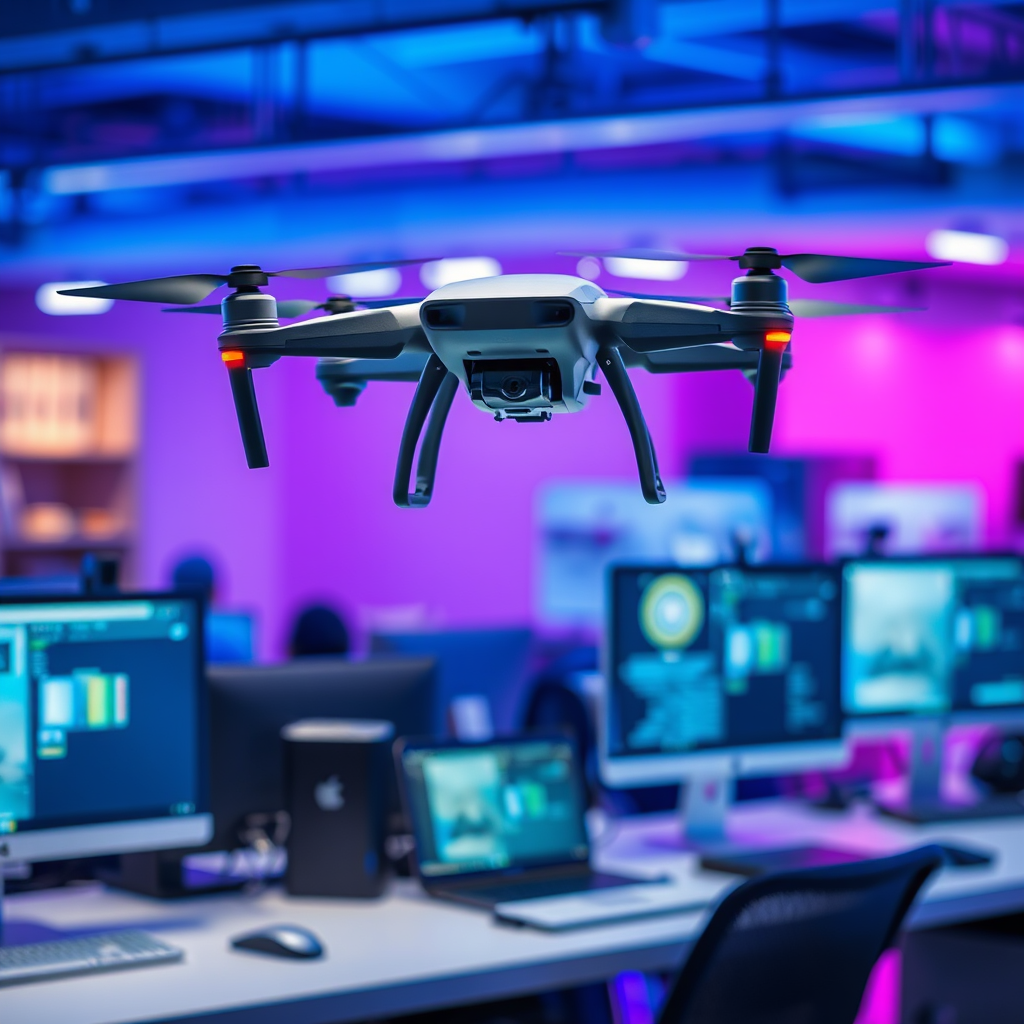
Drones can typically hover for 20 to 30 minutes, depending on various factors such as battery life, weight, and environmental conditions. Understanding these elements can help you maximize your drone’s hovering capabilities and plan your flights more effectively. This knowledge not only enhances the flight experience but also ensures that you make the most out of your drone’s functionalities, whether for recreational use, photography, or professional applications.
Battery Life and Specifications
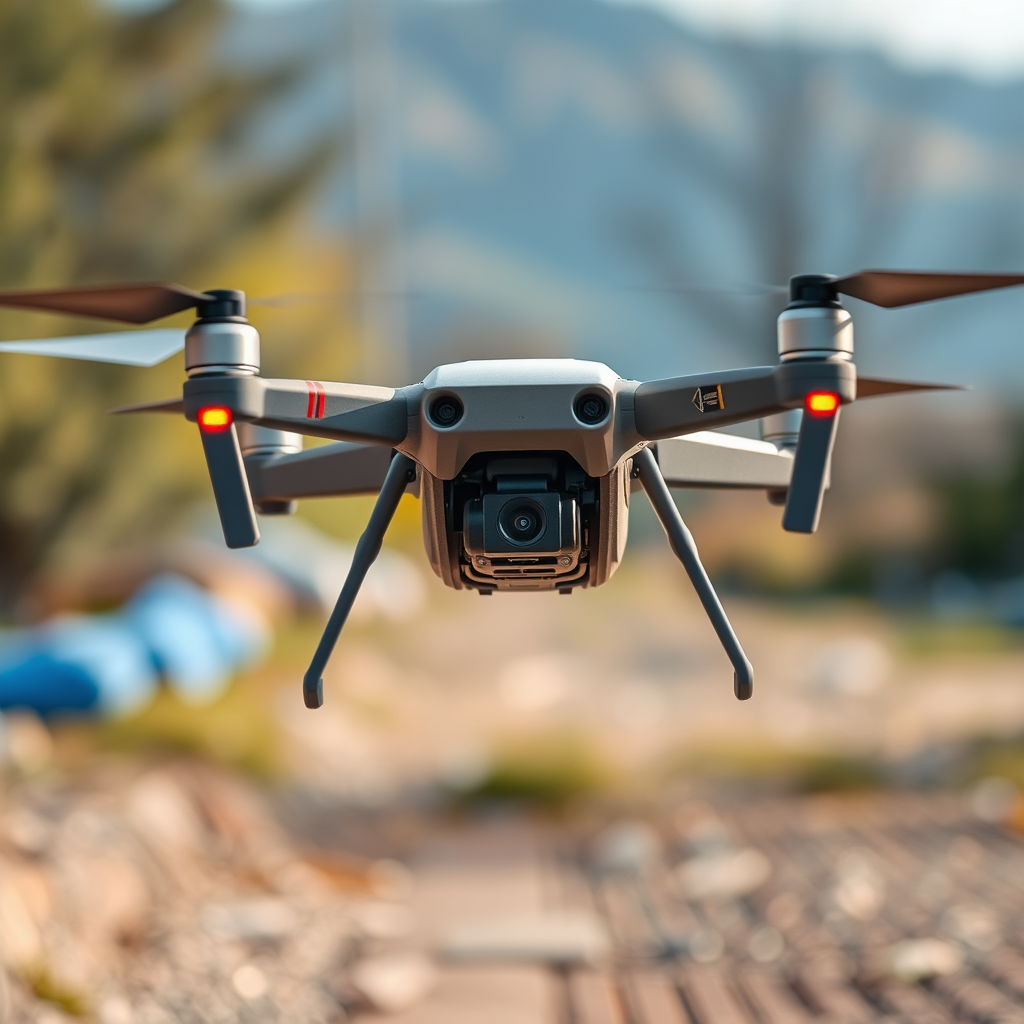
Battery life is one of the primary determinants of how long a drone can hover. Most consumer drones are equipped with lithium polymer (LiPo) batteries, which generally provide a flight time of 20 to 30 minutes. However, this is a baseline figure; actual hovering time can vary significantly based on a drone’s specifications. For instance, high-performance drones designed for aerial photography or industrial applications often feature larger batteries, enabling them to hover for extended periods — sometimes exceeding 40 minutes under optimal conditions.
A practical example is the DJI Mavic 3, which offers a flight time of up to 46 minutes thanks to its robust battery system. Conversely, lower-end models or smaller toy drones may only manage hover times closer to 10-15 minutes, emphasizing the importance of choosing a drone that fits your hovering needs. Furthermore, it’s essential to monitor battery health and ensure that batteries are properly charged and maintained, as older or improperly cared-for batteries can significantly reduce hover time.
Weight Considerations
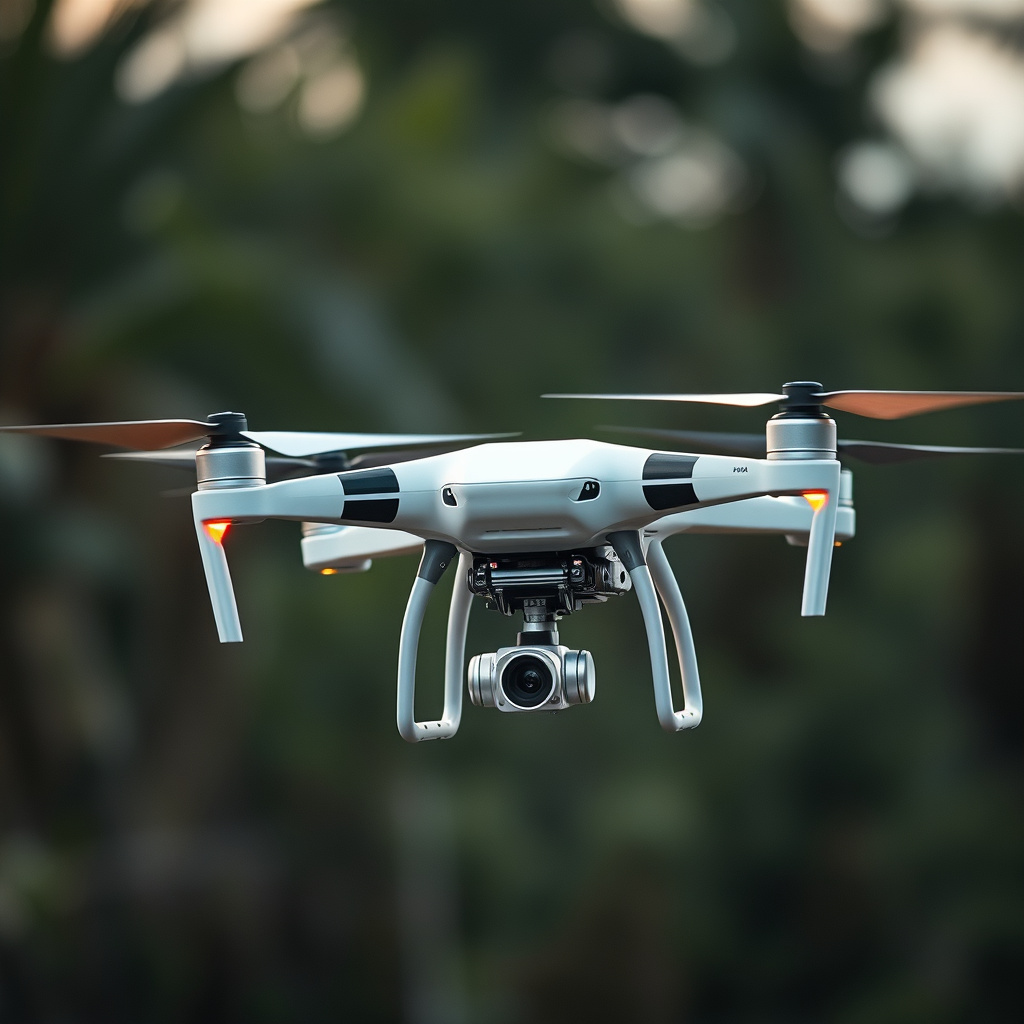
The total weight of a drone, including its payload, plays a crucial role in determining how long it can hover. Drones are designed to lift a specific weight, and exceeding this limit can lead to decreased performance and shorter flight times. When a drone carries heavy equipment such as high-resolution cameras, gimbals, or additional sensors, it must expend more energy to maintain its altitude, resulting in reduced hover durations.
For example, a lightweight drone like the DJI Mini 2, weighing just 249 grams, can hover for approximately 31 minutes. In contrast, a heavier drone carrying professional-grade camera equipment may only hover for 20 minutes due to the added weight. To optimize hovering time, it is advisable to carefully consider the payload and only carry essential equipment, thereby maximizing the drone’s efficiency and extending its operational capabilities.
Environmental Conditions
Environmental conditions can have a significant impact on a drone’s hovering time. Factors such as wind speed, temperature, and humidity can all influence battery consumption and flight performance. For instance, in windy conditions, drones have to work harder to maintain stability, which can drain battery life more rapidly. A study showed that flying a drone in winds exceeding 10 mph can reduce hovering time by as much as 30%, depending on the drone’s design and power management systems.
Temperature also plays a role; colder weather can affect battery efficiency, leading to shorter flight times. Batteries operate optimally within a specific temperature range, and extreme cold can lead to diminished performance. Pilots should monitor weather conditions and consider delaying flights in adverse weather, ensuring the safety and longevity of their drones.
Type of Drone
The type of drone significantly influences its hovering capabilities. Different models, such as quadcopters, hexacopters, and racing drones, have distinct designs suited for varying purposes. Quadcopters are the most common type of drone, typically offering good stability and hovering capabilities. They are ideal for aerial photography and recreational use due to their balanced design and ease of control.
On the other hand, hexacopters, which have six rotors, can provide better lifting power and stability, allowing for longer hovering times, especially when equipped with heavier payloads. However, they are generally more complex and expensive. Racing drones, while engineered for speed, often prioritize agility over hover time. Their lightweight design allows for quick maneuvers but at the cost of reduced hovering capabilities, making them less suitable for applications requiring prolonged stability.
Pilot Skill Level
The pilot’s skill level is a critical factor in maximizing a drone’s hovering time. Experienced pilots are adept at managing battery usage efficiently, employing techniques such as gentle throttle control and optimal flight paths to conserve energy. They can also anticipate environmental challenges and adjust their flying style accordingly, further extending hover time.
In contrast, beginner pilots may not have the experience to optimize flight time effectively. Common mistakes, such as abrupt maneuvers or excessive altitude changes, can lead to unnecessary battery drain. Training and practice can significantly enhance a pilot’s ability to maximize hovering time, making it essential for new drone operators to invest time in understanding their equipment and flying techniques.
Technological Advancements
Technological advancements in drone design and battery technology continue to enhance hovering capabilities. Newer drone models often come equipped with improved battery systems that offer greater capacity and efficiency. For instance, advancements in LiPo battery technology have led to batteries that not only last longer but also charge faster, allowing for more extended flying sessions.
Moreover, many modern drones incorporate energy-efficient flight modes that help conserve battery life. Features such as GPS-assisted hovering and altitude hold functions enable drones to maintain stability with minimal energy expenditure. Utilizing these technological advancements can significantly extend hover time, allowing pilots to get the most out of their flights.
In summary, the hovering time of a drone is influenced by multiple factors, including battery specifications, weight considerations, environmental conditions, and the type of drone. Additionally, the skill level of the pilot and advancements in technology play a significant role in this equation. By understanding and evaluating these elements, drone operators can enhance their flying experience and ensure optimal performance. Prioritizing these factors before each flight will not only improve hover time but also contribute to safer and more efficient drone operations overall.
Frequently Asked Questions
How long can drones hover in the air on average?
The average hover time for consumer drones typically ranges from 20 to 30 minutes, depending on the model and battery capacity. Higher-end drones designed for professional use may hover for up to 40 minutes or more, particularly those equipped with advanced battery technology. Factors such as payload weight, environmental conditions, and battery health can significantly affect hover time.
What factors influence how long a drone can hover?
Several factors influence a drone’s hover time, including battery capacity, drone weight, and environmental conditions. The type of battery used (e.g., LiPo vs. Li-ion), the drone’s weight (including any attached camera or equipment), and conditions such as wind speed and temperature all play a crucial role. For instance, flying in windy weather can decrease hover time due to increased power consumption for stabilization.
Why does hovering consume so much battery power for drones?
Hovering consumes more battery power for drones because the motors must work continuously to counteract gravity and maintain a stable position. Unlike forward flight, where aerodynamic lift can be utilized efficiently, hovering requires constant energy to keep the drone aloft. This results in higher energy consumption, leading to a quicker depletion of the battery during hovering compared to other flight maneuvers.
Which drones have the longest hover time available on the market?
Drones known for their extended hover times include models like the DJI Mavic 3, which can hover for up to 46 minutes, and the Autel Robotics EVO Lite+, boasting around 40 minutes of hover time. These drones feature advanced battery technology and efficient motor systems, allowing them to stay airborne longer. When selecting a drone for extended hovering, consider models specifically designed for endurance and equipped with high-capacity batteries.
How can I maximize my drone’s hover time during flight?
To maximize your drone’s hover time, ensure that your battery is fully charged and well-maintained, and minimize unnecessary weight by avoiding heavy attachments. Additionally, flying in calm weather conditions can significantly improve efficiency, as wind resistance can drain battery life quickly. Utilizing energy-efficient flight modes and avoiding rapid maneuvers can also help extend the duration your drone can hover in place.
References
- https://en.wikipedia.org/wiki/Drone
- https://www.faa.gov/uas/
- https://www.nasa.gov/centers/dryden/pdf/88811.pdf
- https://www.researchgate.net/publication/327756184_A_Review_of_Quadcopter_Hovering_Performance
- https://www.sciencedirect.com/topics/engineering/quadcopter
- https://www.theverge.com/2021/8/3/22605841/longest-drone-flight-record-innovation-aerospace-technology
- https://www.smithsonianmag.com/innovation/the-science-of-drones-180961033/
- https://www.bbc.com/future/article/20200416-how-long-can-drones-fly-for
- https://www.wired.com/story/how-long-can-drones-fly/
