

Drones can legally fly as low as 400 feet above ground level in most cases, but specific regulations may impose further altitude restrictions depending on the location. Understanding these rules is essential for safe and compliant drone operation, as they not only protect airspace integrity but also ensure the safety of individuals on the ground. Whether you are a hobbyist or a commercial operator, familiarity with these regulations is crucial to avoid legal repercussions and enhance the safety of your flights.
Understanding FAA Regulations
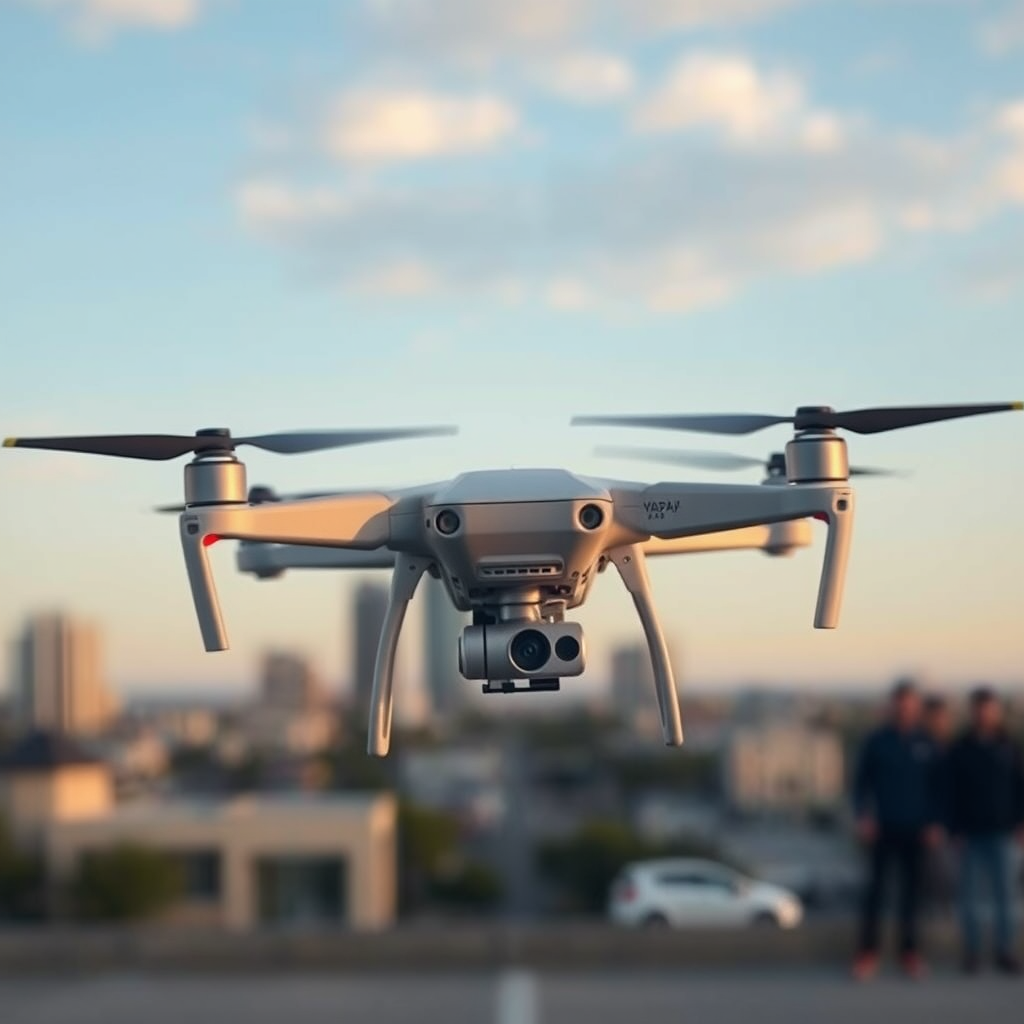
The Federal Aviation Administration (FAA) establishes guidelines for drone operation in the United States, aiming to integrate unmanned aircraft systems (UAS) safely into the national airspace. Under FAA regulations, drones must typically remain below 400 feet in uncontrolled airspace, which encompasses areas not monitored by air traffic control. This altitude limit is designed to minimize the risk of collision with manned aircraft, which typically operate at higher altitudes.
Moreover, the FAA specifies that drones must not fly over people or moving vehicles unless they have obtained the necessary waivers, which may include additional restrictions on altitude. The Remote Pilot Certificate is required for commercial drone operators, further emphasizing the need for adherence to FAA regulations. The FAA also categorizes drone operations into two main types: Part 107 for commercial use, which includes rigorous operational guidelines, and the Section 44809 exemption for recreational users. Knowing which rules apply to your flight operation is paramount for compliance.
Local Laws and Restrictions
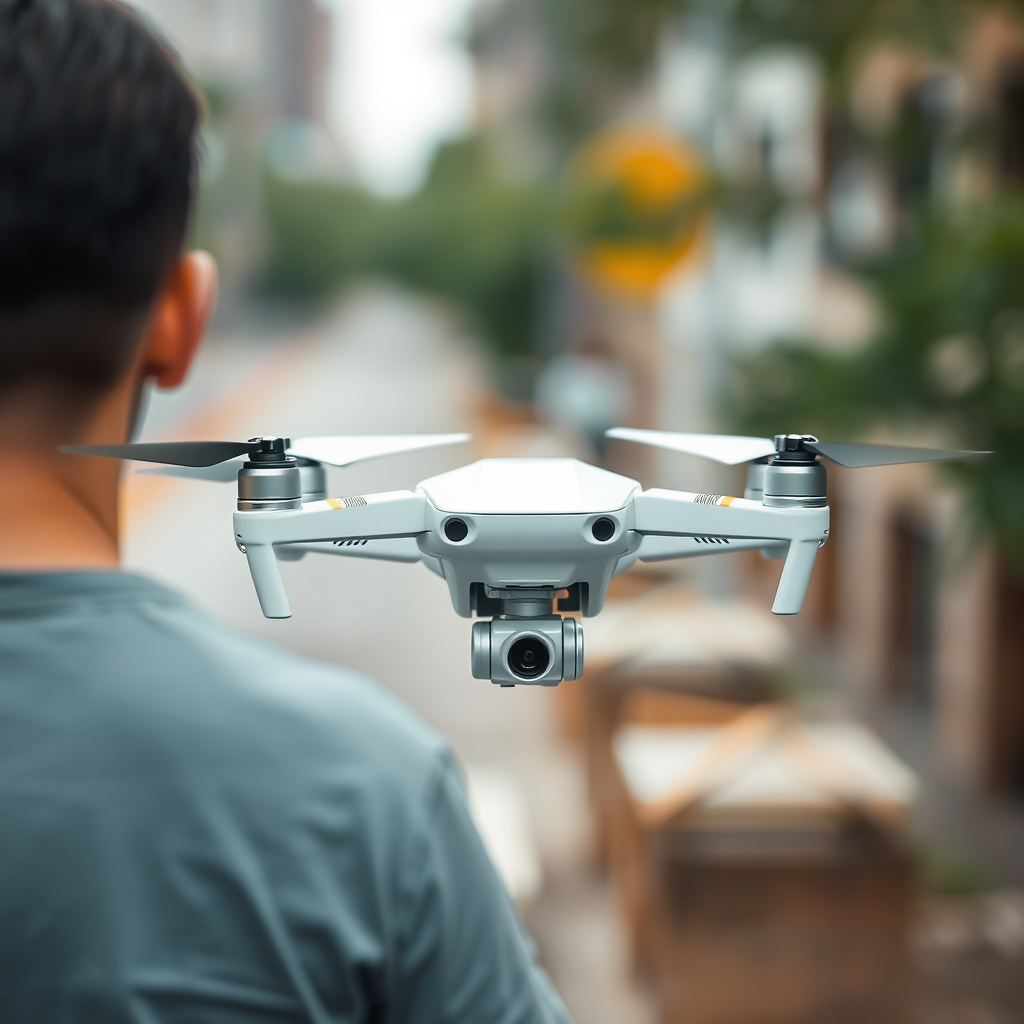
In addition to federal regulations, many states and municipalities have their own laws regarding drone flight, which may impose stricter altitude limits. For example, certain cities may require drones to fly no lower than 1,000 feet in urban environments to protect public safety. Additionally, flying in proximity to airports is heavily regulated, with specific airspace classifications dictating altitude limits.
For instance, in controlled airspace near airports, drone operators must remain well clear of air traffic, typically maintaining a minimum altitude of 2,000 feet. Furthermore, some local jurisdictions may have designated no-fly zones, such as around schools, parks, or military installations, where drone flights are entirely prohibited or severely restricted. Therefore, it is vital for drone operators to consult local laws and regulations before taking to the skies to ensure compliance and avoid penalties.
Special Use Cases
Certain special use cases may allow for different altitude allowances. For instance, drones utilized for agricultural purposes often operate at lower altitudes, particularly when assessing crop health or conducting pesticide applications. The FAA recognizes the importance of these activities and allows agricultural drone operators to fly at lower heights, provided they adhere to safety precautions and notify relevant parties.
Moreover, emergency services, such as law enforcement or firefighting agencies, may operate drones at lower altitudes for specific missions. During search and rescue operations, drones may need to fly just above ground level to locate missing persons or assess disaster areas. In such cases, operators must still prioritize safety and comply with any additional regulations that may apply to emergency operations. Understanding these special use cases can help operators leverage the full potential of their drones in various sectors.
Safety Considerations
Flying too low can pose significant risks to both people and property on the ground. Low-altitude operations can lead to potential collisions with structures, vehicles, or even wildlife, increasing the risk of accidents. For example, drones that fly over populated areas must maintain a safe distance from crowds to avoid injuries or fatalities in the event of a malfunction or crash.
Additionally, operators should be aware of the potential for adverse environmental conditions, such as wind or low visibility, which can impact flight safety at lower altitudes. It is essential to conduct thorough pre-flight checks and risk assessments, ensuring that the drone is in good working order and that the flight plan considers all safety factors. By prioritizing safety and maintaining a responsible distance from structures and people, drone operators can mitigate risks and promote safe flying practices.
Permissions and Waivers
In certain circumstances, drone operators can apply for waivers to fly below the standard altitude limits set by the FAA. These waivers allow operators to conduct specific missions that necessitate lower flight altitudes, such as aerial inspections of infrastructure, filming, or other specialized tasks. The application process involves submitting a detailed plan that demonstrates how the operation will maintain safety and comply with other regulatory requirements.
Commercial drone users often benefit from obtaining waivers, as they provide the flexibility needed to conduct their operations effectively. However, understanding the application process is crucial, as it requires demonstrating a thorough understanding of the operational risks and safety protocols. This proactive approach not only ensures compliance but also enhances the credibility of the operator in the eyes of both regulatory authorities and clients.
Future of Drone Regulations
As drone technology continues to evolve, so too will the regulations that govern their use. The FAA is actively working on integrating advanced air mobility solutions, which will necessitate updated guidelines that may change altitude limits or operational requirements. Additionally, advancements in drone technology, such as improved sense-and-avoid systems and enhanced automation, may lead to more flexible regulations in the future.
Staying informed about the latest updates from the FAA and other regulatory bodies is essential for drone operators. Joining professional organizations, subscribing to industry newsletters, and participating in online forums can help operators keep abreast of changes in regulations and best practices. By remaining engaged with the evolving landscape of drone regulations, operators can ensure compliance and capitalize on new opportunities in the industry.
In conclusion, while drones generally can fly as low as 400 feet, various regulations and local laws may impose stricter limits depending on the context of the operation. It is crucial for drone operators to stay informed and comply with all relevant guidelines to ensure safe and legal flying. Understanding FAA regulations, local restrictions, special use cases, safety considerations, and the process for obtaining waivers will empower operators to navigate the complexities of drone flight while maximizing their capabilities.
Frequently Asked Questions
What is the legal minimum altitude for drones to fly in the United States?
In the United States, the Federal Aviation Administration (FAA) requires that drones fly at least 400 feet above ground level (AGL) when operating in uncontrolled airspace. However, if you are flying within a 400-foot radius of a structure, you may fly at a height that is no more than 400 feet above the structure itself. It’s crucial to comply with these regulations to ensure safety and avoid legal issues.
How low can a drone fly over people legally?
According to FAA regulations, drones cannot be flown over people unless they meet specific criteria. For instance, if a drone is equipped with technology that allows it to be safely operated over people, it can fly lower than 400 feet. However, for most recreational and commercial operators, avoiding flying over people is a best practice unless you have obtained the necessary waivers or are flying in compliance with new rules that allow certain operations over people.
Why does the FAA impose altitude restrictions on drone flights?
The FAA imposes altitude restrictions on drone flights primarily for safety reasons. By regulating how low drones can fly, the FAA aims to reduce the risk of collisions with manned aircraft, protect people on the ground, and minimize potential accidents. These regulations help ensure that drone operations do not interfere with traditional air traffic, maintaining safety for all airspace users.
Which factors influence how low a drone can legally fly?
Several factors influence the legal altitude at which a drone can fly, including airspace classification, proximity to people and structures, and specific state or local laws. For example, in controlled airspace or near airports, the altitude restrictions may be stricter. Additionally, any local regulations or ordinances may impose further limitations, so it’s essential to check both federal and local laws before flying your drone.
What are the best practices for flying a drone at low altitudes legally?
To fly a drone at low altitudes legally and safely, always conduct thorough pre-flight checks, ensure compliance with FAA regulations, and be aware of local laws. Avoid flying near crowds, sensitive areas, or restricted airspace, and maintain visual line-of-sight with your drone at all times. Additionally, consider obtaining a Part 107 certification if you plan to fly commercially, as this will provide you with valuable knowledge about legal flight operations and safety protocols.
References
- https://www.faa.gov/uas/getting_started/where_to_fly
- https://www.faa.gov/uas/rules_regulations/
- https://www.faa.gov/uas/resources/policies_regulations/
- https://en.wikipedia.org/wiki/Unmanned_aerial_vehicle#Regulations
- https://www.nasa.gov/feature/what-are-the-rules-for-flying-drones
- https://www.abc.net.au/news/2021-01-12/rules-for-drone-flying-in-australia/13012366
- https://www.theguardian.com/technology/2021/jan/19/drone-flying-rules-uk
- https://www.tsa.gov/travel/security-screening/drone-regulations
