
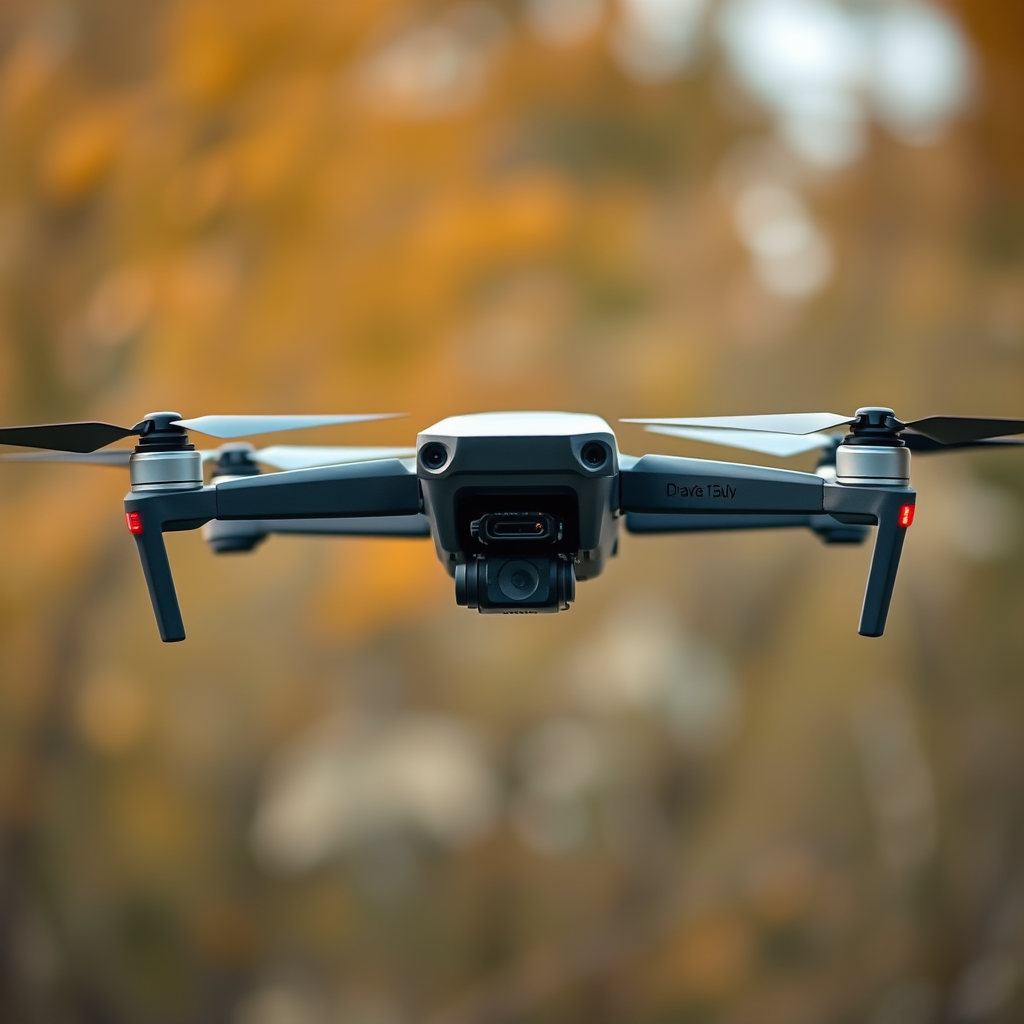
Drones can typically fly as low as a few feet above the ground, depending on regulations and the specific drone model. However, various factors such as safety, airspace restrictions, and operational purposes influence how low they can safely operate. This article explores the factors affecting drone flight altitudes, providing an in-depth understanding of the minimum altitudes allowed and the implications for both recreational and commercial drone operators.
Understanding Drone Regulations
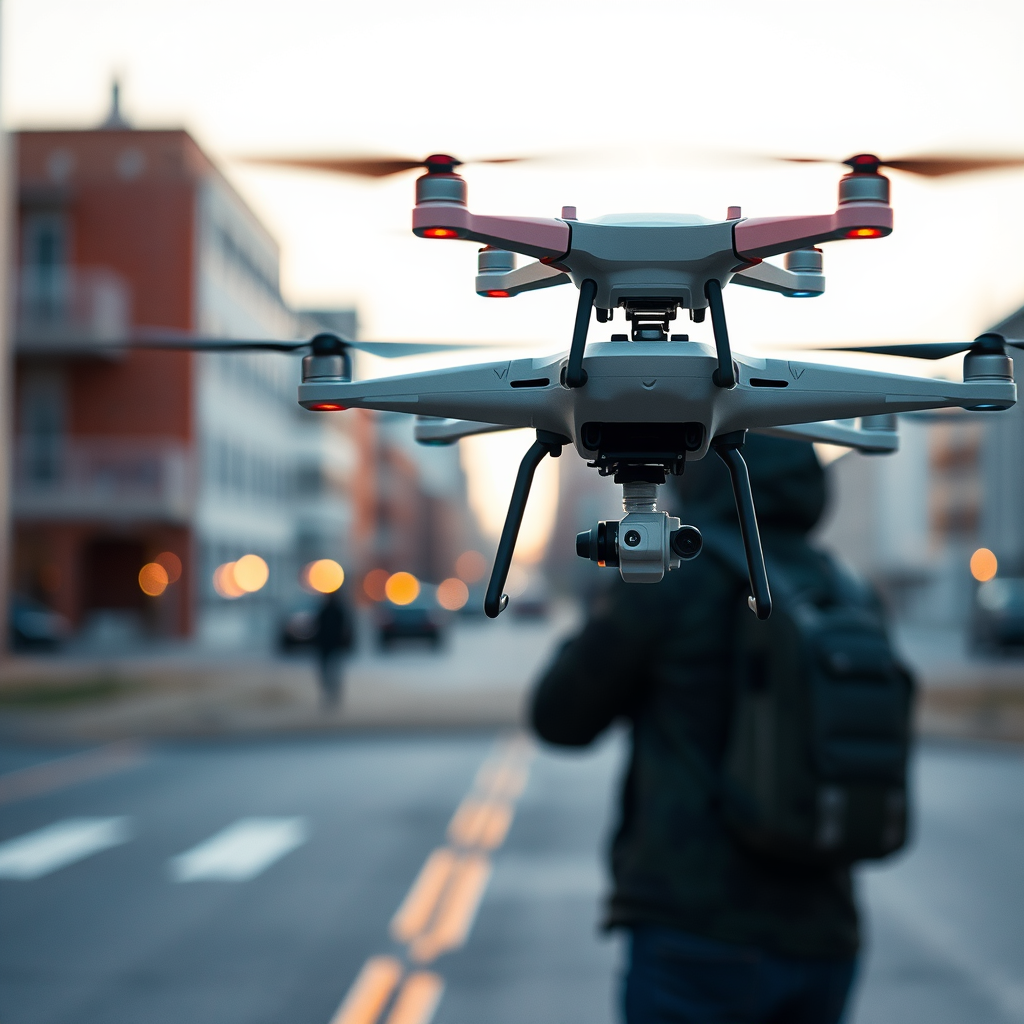
Federal Aviation Administration (FAA) guidelines set forth specific minimum altitudes for commercial and recreational drones within the United States. According to FAA regulations, drones are generally required to maintain an altitude of at least 400 feet above ground level when flying in uncontrolled airspace. However, there are exceptions for specific operational needs, such as agricultural applications or inspections, where flying lower may be necessary.
In addition to the FAA regulations, drone operators must also be aware of local laws and ordinances that may further restrict drone operations. For instance, certain urban areas may have additional regulations that require drones to fly even higher or restrict access to particular zones altogether. Furthermore, other countries have their own regulatory frameworks, which may vary significantly from those in the United States. For example, in the European Union, the European Union Aviation Safety Agency (EASA) has implemented drone regulations that include minimum altitude guidelines, which can affect how low drones can fly in member states.
Navigating these regulations is crucial for ensuring compliance and safety, as failing to adhere to them can result in penalties and increased risks for both the operator and the general public.
Safety Considerations for Low Flights
Flying at low altitudes inherently increases the risk of collisions with various obstacles. Trees, buildings, power lines, and other structures present significant hazards that can result in accidents or damage to both the drone and surrounding property. For this reason, operators must conduct thorough risk assessments before embarking on low-altitude flights.
Environmental factors also play a critical role in determining whether it is safe to fly low. For instance, adverse weather conditions, such as strong winds or poor visibility due to fog or rain, can severely hinder a pilot’s ability to maneuver safely. Operators should always consider these elements and adjust their flight plans accordingly. Additionally, maintaining visual line-of-sight (VLOS) is essential for safe operation, especially when flying at low altitudes, as it allows the operator to monitor the drone’s surroundings effectively.
Training and experience are also vital safety considerations. Operators should have a comprehensive understanding of their drone’s capabilities and limitations, as well as the necessary skills to respond to unexpected challenges while flying at low altitudes.
Types of Drones and Their Capabilities
Drones come in various shapes, sizes, and capabilities, influencing how low they can fly. Consumer drones, designed for hobbyists and recreational use, often have built-in minimum altitude limits set by manufacturers to enhance safety and prevent accidents. These restrictions are particularly important for novice pilots who may not yet have the experience to navigate low-altitude operations effectively.
On the other hand, professional drones, commonly used in industries such as agriculture, construction, and surveying, often have specifications that allow for lower altitude operations. These drones are engineered with advanced technology that enables them to capture high-resolution images and collect data while flying just above the ground. For example, agricultural drones might operate as low as 10-20 feet to effectively monitor crop health and assess soil conditions.
Understanding the specific capabilities of a drone is essential for operators to determine appropriate altitudes for various applications. Knowing a drone’s flight specifications can help mitigate risks and enhance the overall effectiveness of its intended use.
Operational Purposes for Low-Flying Drones
Low-flying drones are indispensable tools for a range of operational purposes, particularly in inspections and surveys. For instance, infrastructure inspections, such as checking bridges, power lines, and pipelines, often require drones to fly at low altitudes to capture detailed images and data. By flying close to the structures, operators can identify maintenance needs or potential hazards that might otherwise go unnoticed from higher altitudes.
Emergency services also benefit significantly from low-flying drones. In search and rescue operations, drones equipped with thermal imaging cameras can fly at low altitudes to locate missing persons in remote areas. The ability to survey large areas quickly while hovering low to the ground enhances the effectiveness of emergency response teams, ultimately saving lives.
These applications showcase the versatility of drones in various fields, emphasizing the importance of understanding how low these devices can fly while adhering to safety protocols and regulations.
Technological Advances Impacting Altitude
Recent technological advancements have greatly enhanced the safety and feasibility of low-altitude drone operations. Features such as obstacle avoidance systems, GPS stabilization, and advanced flight planning software empower operators to navigate complex environments more safely. Obstacle avoidance technology, for example, uses sensors and cameras to detect nearby objects, allowing the drone to autonomously adjust its flight path to avoid collisions.
Additionally, improvements in battery life and drone performance have expanded the operational capabilities of drones, enabling longer flights at lower altitudes without sacrificing safety or stability. Drone manufacturers are continually innovating to produce models that can handle various conditions and maintain reliability during low-altitude operations.
As technology continues to evolve, the possibilities for low-flying drones will expand, paving the way for new applications and enhancing existing ones. Operators who stay informed about these advancements can leverage them to improve their operational efficiency and safety.
Best Practices for Low Drone Operations
To ensure safe and effective low-altitude drone operations, operators should follow best practices that encompass preparation, situational awareness, and adherence to regulations.
Conducting a pre-flight check is essential for identifying potential hazards and ensuring all equipment is functioning correctly. This includes verifying battery levels, system diagnostics, and the integrity of the drone’s components. Operators should also familiarize themselves with the flight area to identify obstacles and understand local regulations.
Staying aware of the surrounding environment is equally important. Operators should avoid flying over populated areas, as this can pose risks to public safety. Additionally, maintaining VLOS during low flights is crucial for effective monitoring and quick response to any unforeseen issues.
Finally, operators should continuously educate themselves on both the regulations and the technological advancements in drone operations. This knowledge will empower them to make informed decisions about their flights and prioritize safety.
In conclusion, understanding how low drones can fly involves knowing the regulations, safety measures, and technological capabilities. As drone technology continues to evolve, so will the practices surrounding low-altitude operations. For drone enthusiasts and operators, staying informed about these factors is essential for safe and legal flying. By adhering to best practices and leveraging technological advancements, drone operators can maximize the effectiveness of their flights while ensuring safety and compliance.
Frequently Asked Questions
What is the minimum legal altitude for drones to fly in the U.S.?
In the United States, the Federal Aviation Administration (FAA) mandates that drones must fly at least 400 feet above ground level in uncontrolled airspace. This restriction is in place to prevent collisions with manned aircraft and to ensure safety. However, if you are flying near a building or structure, you can fly higher than 400 feet, provided you maintain a distance of no more than 400 feet above the structure.
How can I determine the lowest altitude I can safely fly my drone?
To safely determine the lowest altitude for your drone flights, consider both legal regulations and environmental factors. Always adhere to local laws and regulations, such as the FAA guidelines, and assess the area for obstacles like trees, buildings, or other hazards. Additionally, check for no-fly zones and other temporary restrictions that may affect your planned altitude.
Why is there a legal altitude limit for drone flights?
The legal altitude limit for drone flights exists primarily to ensure safety in shared airspace. By restricting drones to a minimum altitude of 400 feet, authorities aim to reduce the risk of mid-air collisions between unmanned and manned aircraft. This regulation also helps protect public safety and privacy, as flying too low could pose risks to people and property on the ground.
What are the best practices for flying drones at low altitudes?
When flying drones at low altitudes, it’s essential to maintain visual line-of-sight and be aware of your surroundings to avoid obstacles and other aircraft. Use safety features such as obstacle detection and return-to-home functions to enhance safety. Additionally, be sure to check the weather conditions, as strong winds or poor visibility can significantly impact drone performance at lower altitudes.
Which factors can affect how low a drone can fly safely?
Several factors can influence how low a drone can safely fly, including the drone’s design and capabilities, local regulations, and environmental conditions. For instance, some drones with advanced sensors can navigate more safely at lower altitudes, while others may struggle. Additionally, obstacles like power lines and trees, as well as weather conditions such as wind and rain, can further affect safe flying altitude. Always assess these factors before flying.
References
- https://en.wikipedia.org/wiki/Drone
- https://www.faa.gov/uas/
- https://www.nasa.gov/
- https://www.ncbi.nlm.nih.gov/pmc/articles/PMC7440199/
- https://www.reuters.com/technology/drones-are-they-safe-fly-2021-09-16/
- https://www.theguardian.com/technology/2021/sep/20/drones-regulations-uk
- https://www.abc.net.au/news/2021-09-26/drones-flying-low-in-cities/100500266
- https://www.ihsmarkit.com/research-analysis/drones-are-they-safe-to-fly.html
