

Drones can cover anywhere from 50 to 500 acres in a single day, depending on various factors such as the type of drone, its capabilities, and the terrain. This versatility makes drones an invaluable tool across multiple industries, including agriculture, land surveying, and environmental monitoring. By understanding the variables that influence coverage area, you can effectively harness the power of drone technology for your specific needs.
Factors That Influence Coverage Area
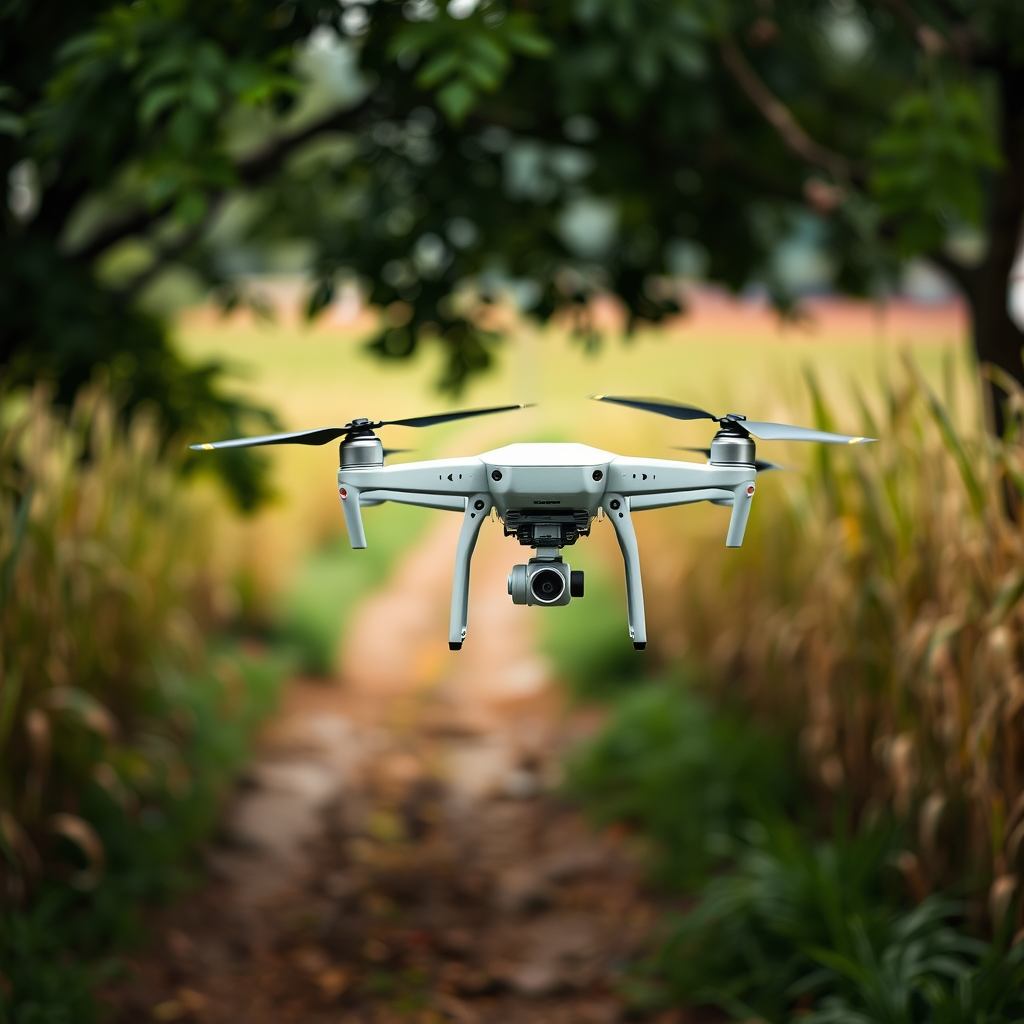
– Drone Type: The type of drone significantly impacts its coverage capabilities. For instance, fixed-wing drones can cover greater distances due to their aerodynamic design and longer flight times, making them ideal for agricultural applications. In contrast, multi-rotor drones, while more versatile and capable of hovering, typically have shorter ranges and are better suited for detailed inspections and mapping tasks over smaller areas.
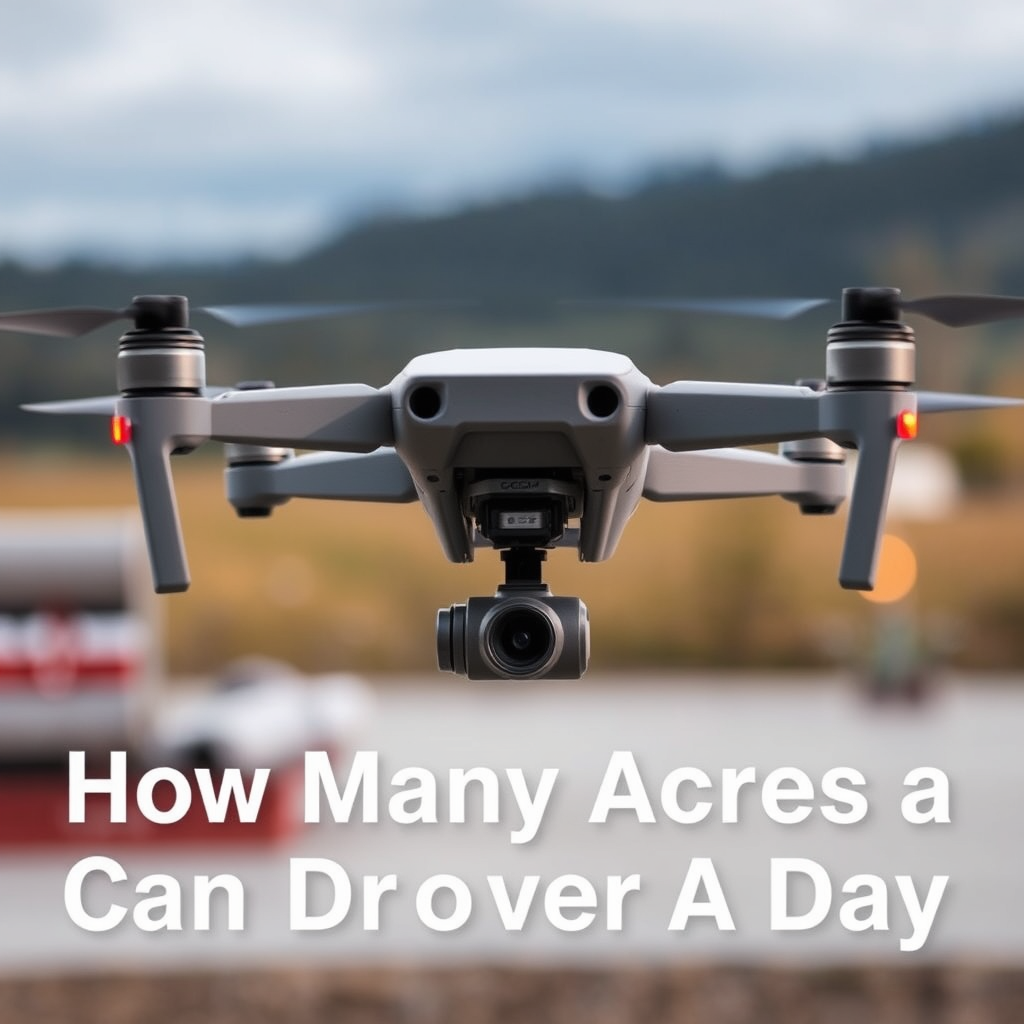
– Battery Life: Battery life is a crucial factor in determining how much area a drone can cover in a day. Most consumer and commercial drones have flight times ranging from 20 to 60 minutes on a single charge. However, advancements in battery technology are continually extending these limits. For example, high-capacity batteries can provide longer flight times, allowing drones to cover more acreage before needing a recharge. Operators can maximize coverage by planning flights efficiently and ensuring that drones are charged and ready for operation.
Application-Specific Coverage
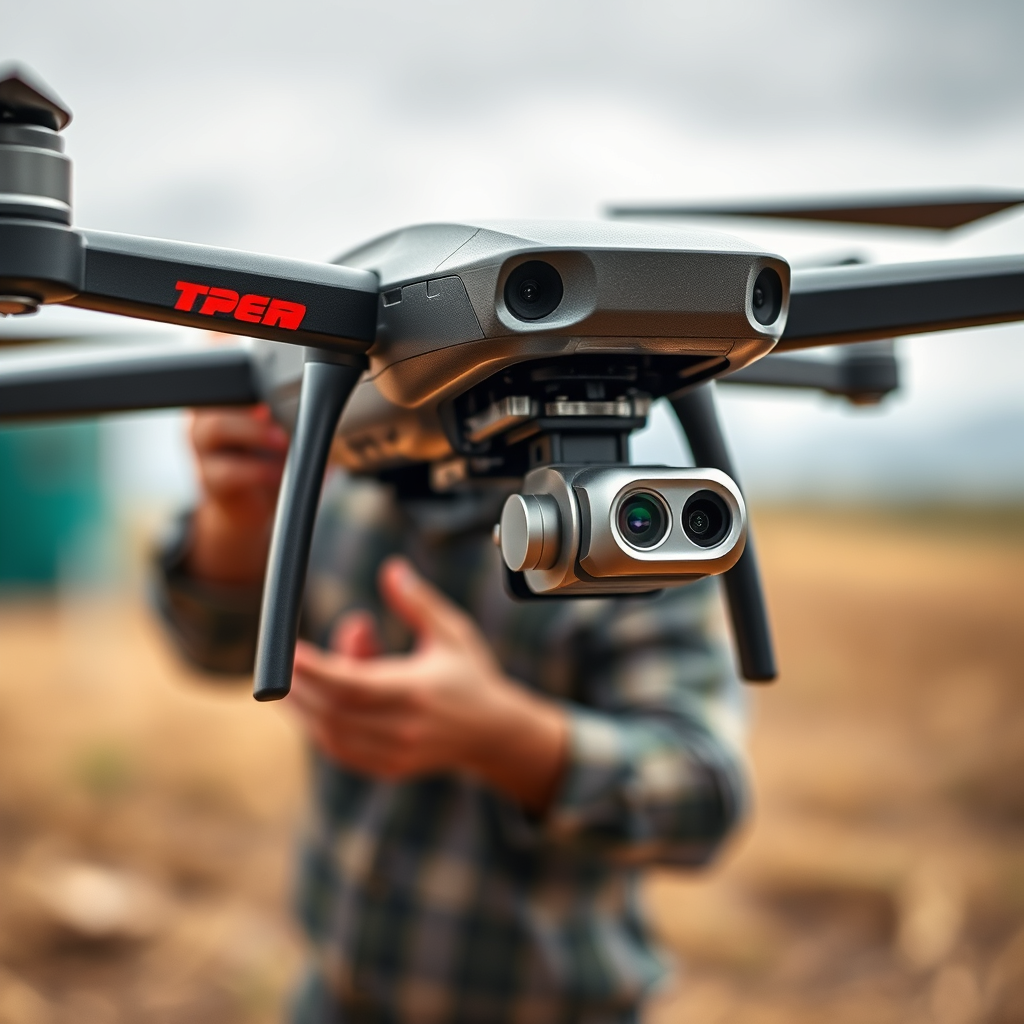
– Agricultural Use: In the agricultural sector, drones are increasingly used for crop monitoring, irrigation management, and even pesticide application. Depending on the drone type and payload capacity, a drone can cover anywhere from 100 to 500 acres in a day. For example, a fixed-wing drone equipped with multispectral cameras can efficiently survey large fields, providing valuable data on crop health and soil conditions. This data allows farmers to make informed decisions that optimize yields and reduce costs.
– Surveying and Mapping: Drones used for surveying and mapping often cover smaller areas but provide higher accuracy. For instance, when conducting topographic surveys or generating 3D models of construction sites, drones can cover approximately 50 to 100 acres per day, depending on the complexity of the terrain and the data resolution required. High-resolution imagery collected by drones can be processed into detailed maps, which are essential for planning and development projects.
Terrain and Environmental Impact
– Flat vs. Hilly Terrain: The type of terrain plays a significant role in how effectively a drone can operate. Drones perform best in flat, open landscapes where they can fly at optimal speeds and altitudes without encountering obstacles. Conversely, hilly or uneven terrain can limit coverage due to the need for more cautious navigation and altitude adjustments. For instance, surveying a mountainous area may reduce the total acreage covered in a day due to the increased complexity of flight paths.
– Weather Conditions: Weather conditions can greatly affect a drone’s performance. Wind speed, precipitation, and temperature can all impact flight stability and battery efficiency. For example, flying in high winds can lead to shorter flight times and increased risk of accidents, thereby reducing the area a drone can cover. Operators should always check local weather forecasts and adjust their flight plans accordingly to ensure optimal conditions for drone operations.
Flight Speed and Altitude
– Speed of the Drone: The speed at which a drone can fly directly affects how much ground it can cover in a given time. High-speed drones, such as those used in agricultural applications, can travel at speeds of up to 50 mph, allowing them to survey large areas quickly. On the other hand, drones flown at lower speeds are better for tasks requiring high-resolution imagery, but this comes at the expense of coverage area per day.
– Altitude Adjustments: The altitude at which a drone operates can also influence its coverage potential. Flying at a higher altitude generally allows for a broader field of view, which can be beneficial for agricultural surveys or landscape mapping. However, flying too high may reduce the clarity of images captured, affecting data quality. Operators must find an optimal balance between altitude and coverage area based on the specific requirements of their project.
Regulations and Limitations
– Legal Restrictions: Compliance with local regulations is essential when operating drones, as various jurisdictions impose restrictions on where and when drones can fly. For example, some areas may require permits for commercial drone operations, while others may have specific flight altitude restrictions. Understanding these regulations is crucial for planning drone operations and ensuring safety.
– No-Fly Zones: Certain areas, such as airports, military bases, and national parks, are designated as no-fly zones to ensure airspace safety. These restrictions can significantly limit the areas a drone can cover, particularly in urban settings. Drone operators must familiarize themselves with no-fly zones to avoid legal repercussions and ensure compliance with aviation regulations.
Technology Enhancements
– Autonomous Flight Paths: Advanced drone technology has enabled the use of autonomous flight paths, which can optimize routes for maximum coverage efficiency. Many commercial drones are now equipped with GPS and software that allow for pre-programmed flight plans, reducing the need for manual pilot intervention. This technology saves time and increases the area covered, as drones can automatically adjust their paths based on real-time data.
– Camera and Sensor Upgrades: Upgrading to advanced cameras and sensors can enhance a drone’s data collection capabilities, allowing it to cover more ground effectively. For example, drones equipped with thermal cameras can survey large agricultural fields to identify areas needing irrigation or treatment. By integrating high-quality imaging technology, operators can gather more informative data while maximizing coverage in a single flight.
In conclusion, the acreage a drone can cover varies widely based on several factors, including the type of drone, its application, terrain, and environmental conditions. Understanding these elements will help you maximize the efficiency of drone usage for your specific needs. By considering the various factors outlined in this post, you can make informed decisions about drone operations, ensuring that you leverage this technology to its fullest potential. Whether you’re in agriculture, surveying, or another industry, optimizing drone coverage can lead to significant time and cost savings.
Frequently Asked Questions
How many acres can a drone cover in one flight?
The area a drone can cover in one flight largely depends on the drone’s battery life, payload capacity, and the type of survey or mapping being conducted. Typically, a high-end agricultural drone can cover anywhere from 100 to 200 acres in a single flight, assuming it has a flight time of 20 to 30 minutes and is flying at an optimal altitude. For more accurate estimates, consider the drone’s specifications and the density of the data being collected.
What factors influence how many acres a drone can effectively cover?
Several factors influence the acreage a drone can cover, including battery life, flight speed, camera resolution, and the type of sensor used. Additionally, the terrain and obstacles, such as trees or buildings, can affect the drone’s flight path and efficiency. Understanding these factors can help optimize drone usage for surveying large agricultural fields or construction sites.
Why should I use a drone for covering large areas instead of traditional methods?
Using a drone to cover large areas offers numerous advantages over traditional methods, such as increased efficiency, lower costs, and enhanced data accuracy. Drones can quickly survey vast landscapes in a fraction of the time it would take a human or vehicle, while also providing high-resolution imagery and detailed data analysis. This makes drones particularly valuable for industries like agriculture, real estate, and environmental monitoring.
What is the best type of drone for covering large acres of land?
The best type of drone for covering large acres of land typically includes fixed-wing drones, which can fly longer distances than quadcopters due to their aerodynamic design. Models such as the senseFly eBee X or the Parrot Disco are popular choices for large-scale surveys as they can cover hundreds of acres in a single flight. Additionally, consider drones with high-resolution imaging capabilities and long battery life to maximize coverage and data quality.
Which drones have the longest flight times for covering extensive areas?
Drones with the longest flight times for covering extensive areas include models like the DJI Matrice 300 RTK and the senseFly eBee X, both of which can achieve flight times exceeding 90 minutes under optimal conditions. These drones are designed for professional surveying and mapping, making them ideal for covering large agricultural fields or construction sites efficiently. When selecting a drone, always check the manufacturer’s specifications for flight duration and coverage capabilities.
References
- https://en.wikipedia.org/wiki/Drone_usage_in_agriculture
- https://www.ams.usda.gov/reports/precision-agriculture
- https://www.faa.gov/uas/
- https://www.nature.com/articles/s41598-021-85556-6
- https://www.sciencedirect.com/science/article/pii/S235197892100021X
- https://www.reuters.com/article/us-usa-drones-idUSKBN27H2R0
- https://www.usda.gov/topics/farming/precision-agriculture
- https://www.bbc.com/news/technology-47853280
