
Drone sprayers can typically cover between 10 to 50 acres per hour, depending on various factors such as the type of drone, terrain, and payload capacity. This impressive efficiency is one of the primary reasons drone technology has gained traction in precision agriculture. With the ability to quickly and accurately apply fertilizers and pesticides, drone sprayers are revolutionizing farming practices and enhancing crop management. In this article, we’ll explore the factors influencing coverage, the benefits of using drone sprayers, and how they are shaping the future of agriculture.
Understanding Drone Sprayer Specifications
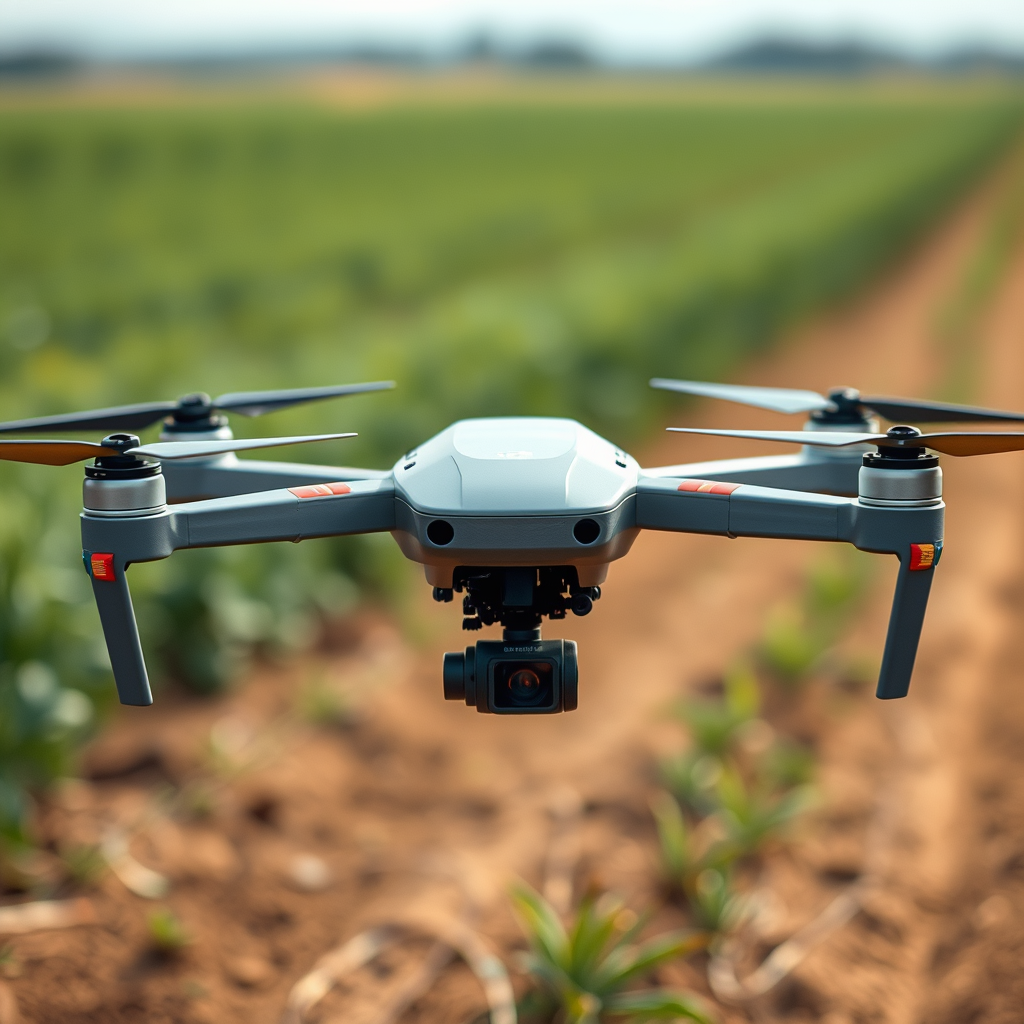
To appreciate the capabilities of drone sprayers, it’s essential to understand the different specifications that define their performance.
– Drone types: There are two primary types of drones utilized for spraying—fixed-wing and multi-rotor drones. Fixed-wing drones are designed for long-distance flights and are generally more efficient over large, open areas, allowing them to cover greater distances at higher speeds. In contrast, multi-rotor drones, while typically more maneuverable and better suited for smaller, complex fields, may have a slower coverage rate due to their design limitations. For instance, a fixed-wing drone can cover around 50 acres per hour, whereas a multi-rotor drone might cover 10 to 15 acres in the same time frame.
– Payload capacity: The payload capacity of a drone directly impacts its coverage area. Most agricultural drone sprayers can carry between 10 to 20 liters of liquid. This capacity determines how frequently the drone needs to return to refill, thus influencing the total area it can effectively cover in an hour. For example, a drone with a 20-liter capacity may spray a larger area at once but will require more time for refilling, affecting overall efficiency.
Factors Affecting Coverage Area
While the specifications of drone sprayers provide a baseline for understanding coverage potential, several external factors can significantly influence their operational efficiency.
– Terrain type: The nature of the terrain plays a crucial role in determining how effectively a drone can cover a specific area. Flat fields allow for smoother and faster operations, whereas hilly or uneven terrains may necessitate more cautious navigation, reducing coverage rates. Additionally, the presence of obstacles such as trees, buildings, or irrigation systems can complicate flight paths, further impacting the area a drone can cover in a given timeframe.
– Wind conditions: Weather plays a pivotal role in the efficacy of drone spraying operations. High winds can affect the stability and accuracy of the drone, potentially leading to uneven application of chemicals or even unsafe flying conditions. Ideally, drone operators seek calm weather conditions, with light winds, to ensure optimal coverage and minimize drift, which can lead to wasted resources and environmental impact.
Advantages of Using Drone Sprayers
The adoption of drone sprayers in agriculture brings forth numerous advantages that contribute to improved farming practices.
– Speed and efficiency: Drone sprayers are significantly faster than traditional spraying methods, such as tractor-mounted sprayers. With their ability to quickly cover large areas, they enable farmers to apply inputs at the right time, which is crucial for crop health and yield. For instance, a farmer can use a drone to cover a 50-acre field in less than an hour, compared to several hours or even a full day using conventional methods.
– Precision targeting: Drones equipped with advanced technology can apply chemicals with remarkable precision, leading to reduced chemical usage and lower environmental impact. Precision agriculture techniques, such as variable rate application, allow farmers to target specific areas that need treatment, minimizing waste and promoting sustainable practices. This reduces the overall cost of inputs while enhancing crop health and yield.
Optimal Conditions for Maximum Coverage
To maximize the efficiency of drone spraying operations, specific conditions must be met.
– Ideal weather conditions for operation: Temperature and humidity are critical factors in the performance of drone sprayers. The optimal temperature range for operation is typically between 60°F and 85°F, as excessive heat or cold can negatively affect battery life and spray efficacy. Similarly, humidity levels should be moderate to high, as low humidity can lead to rapid evaporation of sprayed materials, diminishing their effectiveness.
– Maintenance and calibration: Regular maintenance and calibration of drone sprayers are essential to ensure optimal performance. This includes checking battery health, propeller condition, and spray nozzles for clogs or wear. Keeping drones in top shape not only enhances coverage efficiency but also extends the lifespan of the equipment, offering better return on investment for farmers.
Case Studies and Real-World Applications
Several farms have successfully integrated drone sprayers into their operations, demonstrating the technology’s potential to revolutionize agricultural practices.
– Examples of farms successfully using drone sprayers: For instance, a vineyard in California utilized drone technology to spray fungicides, significantly reducing the time spent on the task and improving coverage uniformity. This led to a reported increase in grape quality and yield, showcasing how drone application can enhance agricultural outputs.
– Quantitative data on acreage covered and yield improvements: In another case, a corn farmer in the Midwest adopted drone spraying for fertilizer application, reporting a 20% increase in yield after implementing this technology. The farmer was able to cover 30 acres in less than an hour, compared to 5 acres using traditional methods, illustrating the substantial gains in both coverage and productivity.
Future Trends in Drone Spraying Technology
As technology continues to evolve, so too does the potential for drone sprayers in agriculture.
– Innovations on the horizon: The future of drone spraying will likely include advancements such as autonomous drones equipped with artificial intelligence (AI) that can analyze crop health data in real-time. These drones could operate independently, optimizing their routes and application rates based on specific field conditions, further enhancing efficiency and reducing labor costs.
– Regulatory changes: As the use of drones in agriculture grows, regulatory frameworks will adapt to accommodate new technologies. Farmers must stay informed about changes in regulations regarding drone usage, airspace restrictions, and safety protocols to ensure compliance and maximize the benefits of drone technology.
In summary, drone sprayers offer significant advantages in terms of coverage and efficiency, capable of transforming agricultural practices. They provide faster application, precise targeting, and environmental benefits, making them an invaluable tool in modern farming. As technology evolves, their role in agriculture is set to expand even further, making it essential for farmers to stay informed and adapt to these advancements to optimize their operations.
Frequently Asked Questions
How many acres can a typical drone sprayer cover in a day?
A typical drone sprayer can cover anywhere from 30 to 200 acres in a single day, depending on several factors such as the drone’s capacity, the speed of operation, and the type of crops being treated. High-end models with advanced technology can increase efficiency, allowing for faster application rates and larger coverage. Additionally, weather conditions and terrain can also impact the total acreage covered.
What factors influence the acreage coverage of a drone sprayer?
Several factors influence the acreage coverage of a drone sprayer, including the drone’s tank capacity, the flow rate of the sprayer, the speed at which it operates, and the specific application method used. Other considerations include the complexity of the field layout and any obstacles present, such as trees or buildings, that may require the drone to navigate more carefully, thus affecting overall efficiency.
Why should I choose a drone sprayer for my agricultural needs?
Choosing a drone sprayer for agricultural needs can significantly enhance efficiency and reduce labor costs. Drones provide precise application of pesticides, fertilizers, and herbicides, which can lead to healthier crops and reduced chemical usage. Furthermore, their ability to access hard-to-reach areas and cover large fields quickly makes them an excellent choice for modern farming practices.
Which drone sprayer models are best for covering large acreages?
Some of the best drone sprayer models for covering large acreages include the DJI Agras MG-1P, the senseFly eBee X, and the Parrot Bluegrass Fields. These drones are designed for agricultural applications, featuring robust tank capacities, advanced mapping technology, and high-speed spray capabilities. When selecting a model, consider factors like payload capacity and battery life to ensure optimal performance for your specific acreage needs.
How can I maximize the efficiency of my drone sprayer for covering more acres?
To maximize the efficiency of your drone sprayer and cover more acres, consider optimizing flight paths by using GPS mapping software to create efficient routes. Regular maintenance of the drone and its sprayer system will ensure it operates at peak performance. Additionally, flying during optimal weather conditions, such as low wind and minimal humidity, can help achieve better coverage and reduce the need for multiple passes over the same area.
References
- https://www.wired.com/story/drones-in-agriculture/
- https://www.nature.com/articles/s41598-018-24985-6
- https://www.sciencedirect.com/science/article/pii/S2210670718311546
- https://www.ams.usda.gov/reports/drones-agriculture
- https://www.unm.edu/~cavalli/DroneSpraying.pdf
- https://www.ncbi.nlm.nih.gov/pmc/articles/PMC7341230/
- https://www.extension.purdue.edu/extmedia/ae/ae-310-w.pdf
