
Drones can typically fly anywhere from a few miles to over 10 miles, depending on various factors such as model, battery life, and environmental conditions. Understanding these capabilities can help users select the right drone for their needs, whether for recreational use or professional applications. This article delves into the flight ranges of different drones while examining the factors that influence their performance in the air.
Understanding Drone Flight Range
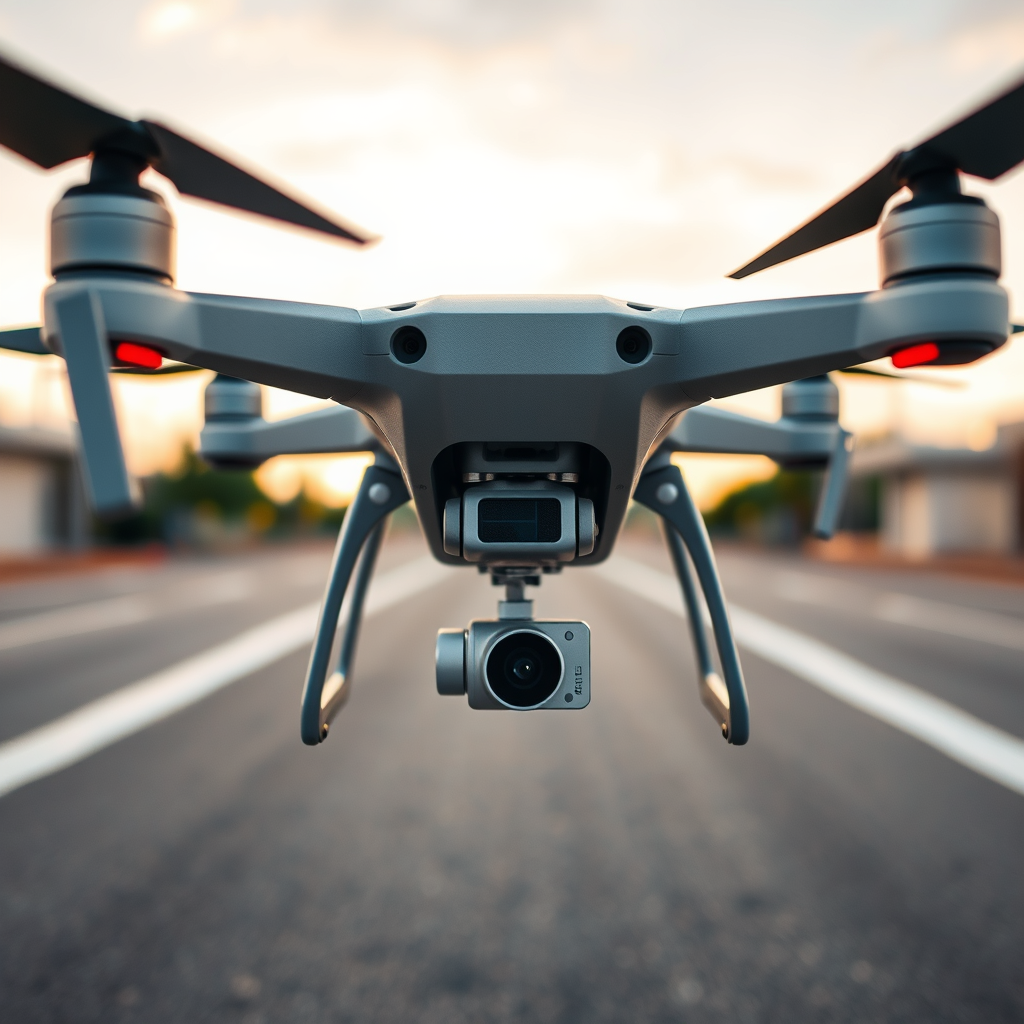
Drones are categorized by their flight range into three primary segments: short-range, medium-range, and long-range. Short-range drones, often used for beginner purposes or indoor flying, generally have a range of up to 1 mile. Medium-range drones, which are more suited for hobbyists and semi-professional applications, typically cover distances between 1 to 5 miles. On the other hand, professional-grade drones, designed for commercial use and specialized applications, can exceed ranges of 10 miles, particularly those equipped with advanced technology for long-distance operations. For example, the DJI Mavic Air 2 has a maximum flight range of around 6.2 miles under optimal conditions, while the DJI Matrice 300 RTK can reach up to 15 kilometers (approximately 9.3 miles) when flying in unobstructed environments.
Factors Influencing Drone Range
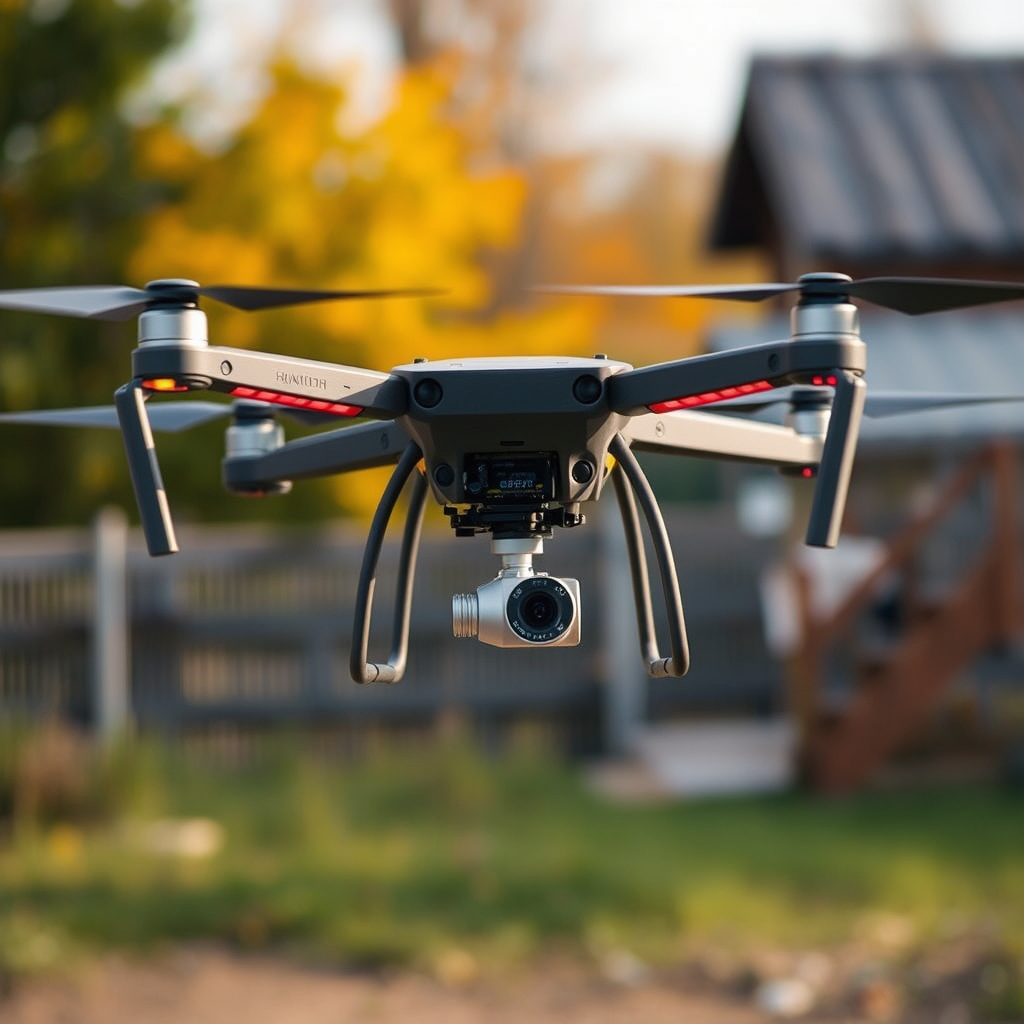
Several factors play crucial roles in determining how far a drone can fly. One of the most significant is battery capacity, which directly affects flight time and distance. Drones with larger battery packs can maintain longer flights, thus extending their overall range. For instance, a drone equipped with a high-capacity lithium-polymer battery can achieve flight times exceeding 30 minutes, significantly enhancing its distance capabilities.
Signal strength and interference are also critical in determining effective range. Drones rely on radio frequencies to communicate with their controllers. If the signal is weak or obstructed, the drone may be unable to receive commands or transmit data, leading to reduced operational range. Environmental conditions such as terrain, weather, and obstacles can further impact signal strength. Urban areas with tall buildings or dense forests can create interference, limiting the drone’s effective flying distance.
Types of Drones and Their Range
The type of drone significantly influences its range capabilities. Consumer drones, typically designed for hobbyists and casual users, often feature shorter ranges due to smaller batteries and less powerful transmitters. For example, many popular consumer drones, such as the DJI Mini 2, offer a flight range of approximately 3 miles. These limitations make them suitable for recreational use, where long-distance travel is less critical.
In contrast, commercial and military drones are engineered for long-distance flights, often equipped with advanced technology that enhances their operational capabilities. For instance, the General Atomics MQ-1 Predator, a military drone, can fly for over 24 hours and cover distances exceeding 400 miles, making it invaluable for surveillance and reconnaissance missions. Similarly, drones used in agriculture, such as the senseFly eBee X, can cover vast areas in a single flight, thanks to their long-range capabilities and specialized payloads.
Legal Regulations Affecting Flight Distance
Legal regulations significantly influence how far drones can be flown from their operators. Many countries have established specific guidelines governing drone use, including restrictions on altitude and distance from the pilot. In the United States, the Federal Aviation Administration (FAA) mandates that drones must be flown within visual line of sight (VLOS), effectively limiting their operational range to a few miles. Additionally, various regions may have no-fly zones where drone operations are strictly prohibited, further restricting flight distances.
Understanding local laws and regulations is crucial for safe and legal flying. Operators should research the specific rules applicable in their area, including registration requirements and any necessary permits for commercial use. Not adhering to these regulations can result in fines or legal action, emphasizing the importance of compliance.
Enhancing Drone Flight Range
For those looking to maximize their drone’s flight capabilities, there are several strategies to consider. Upgrading battery packs is one of the most effective ways to extend flight range. Many manufacturers offer high-capacity batteries that can significantly increase flight times, allowing for longer distances without the need for frequent recharging.
Using high-gain antennas can also enhance signal strength, improving the effective range of the drone. These antennas can be installed on both the drone and the controller, reducing the impact of environmental interference. Additionally, regular maintenance, such as checking propeller condition and ensuring firmware is up-to-date, can contribute to optimized performance and range.
Furthermore, employing drone mapping software can help plan flight paths that maximize distance while avoiding obstacles and interference, enhancing overall efficiency during operations.
Real-World Applications of Long-Range Drones
Long-range drones have found applications across various industries, proving their value in enhancing operational efficiency and productivity. In agriculture, for example, drones are employed for crop monitoring and mapping over extensive fields, significantly reducing the time and labor involved in traditional surveying methods. A case study involving the use of the Parrot Bluegrass drone demonstrated its ability to cover large agricultural areas, enabling farmers to make data-driven decisions quickly.
In the realm of surveillance, law enforcement agencies utilize long-range drones for monitoring large events or tracking criminal activities over vast distances. Their ability to capture high-resolution imagery from above assists in gathering critical intelligence without the need for manned aircraft.
Delivery services are also leveraging drone technology to enhance logistics. Companies like Amazon are experimenting with drone delivery systems, aiming to reduce delivery times and reach customers in hard-to-access locations. These innovations highlight the transformative potential of long-range drones in streamlining operations across different sectors.
In conclusion, the flight range of a drone can vary widely based on its type, battery capacity, and external factors. By understanding these elements, drone users can maximize their flying experience and ensure compliance with regulations. If you’re considering purchasing a drone, research the specific models and their flight capabilities to find the best fit for your needs. Whether for personal enjoyment or professional use, knowing how far a drone can fly will help you make informed decisions and optimize your drone operations.
Frequently Asked Questions
How far can consumer drones typically fly?
Consumer drones generally have a flight range of about 2 to 5 miles, depending on various factors such as battery life, the drone’s design, and the environment. High-end models may achieve longer distances, potentially reaching up to 7 miles or more under ideal conditions. However, it’s essential to consider that flying beyond visual line of sight may not comply with local regulations.
What factors affect how far a drone can fly?
Several factors influence a drone’s flight distance, including battery capacity, weight, environmental conditions, and signal strength between the drone and the remote controller. Weather conditions like wind and temperature can impact battery performance, while obstacles such as buildings can interfere with the transmission signals, reducing the effective flight range.
Why do some drones have a longer flight range than others?
Drones with longer flight ranges often feature advanced technology such as high-capacity batteries, powerful motors, and superior communication systems, such as long-range radio signals or cellular connectivity. Premium models are designed for specific applications, like aerial photography or surveying, allowing them to cover larger areas effectively, while budget-friendly drones might prioritize affordability over distance.
What is the best drone for long-distance flying?
The best drones for long-distance flying include models like the DJI Mavic 3, which offers a range of up to 9 miles, and the Autel Robotics EVO Lite+, known for its robust flight capabilities. When choosing a drone for long distances, consider factors such as battery life, flight time, and video transmission quality to ensure optimal performance for your specific needs.
How can I extend the flight range of my drone?
To extend the flight range of your drone, consider upgrading to higher-capacity batteries or using a signal booster to enhance communication between the drone and the controller. Additionally, flying in open areas away from obstructions and avoiding adverse weather conditions can significantly improve your drone’s effective range. Regularly maintaining your drone and keeping software updated can also optimize performance.
References
- https://en.wikipedia.org/wiki/Drone
- https://www.faa.gov/uas/getting_started/part_107/
- https://www.nytimes.com/2021/05/25/business/drone-delivery.html
- https://www.reuters.com/technology/drone-delivery-makes-its-mark-2021-03-21/
- https://www.sciencedirect.com/science/article/pii/S2352864821000081
- https://www.ncbi.nlm.nih.gov/pmc/articles/PMC7359286/
- https://www.unm.edu/~msp/2019/09/26/how-far-can-drones-fly/
- https://www.techradar.com/news/how-far-can-drones-fly
- https://www.nasa.gov/aeroresearch/programs/advancedairmobility/drones.html
