
As of 2023, the United States military operates an estimated 11,000 military drones, making it the largest fleet of unmanned aerial vehicles (UAVs) in the world. This substantial number encompasses a diverse range of drones employed for various purposes, including reconnaissance, surveillance, and combat operations. The reliance on drones has transformed modern military strategy, allowing for precision strikes and enhanced situational awareness. In this article, we will explore the different categories of military drones, their capabilities, and the implications of their use in contemporary warfare.
Overview of U.S. Military Drone Fleet
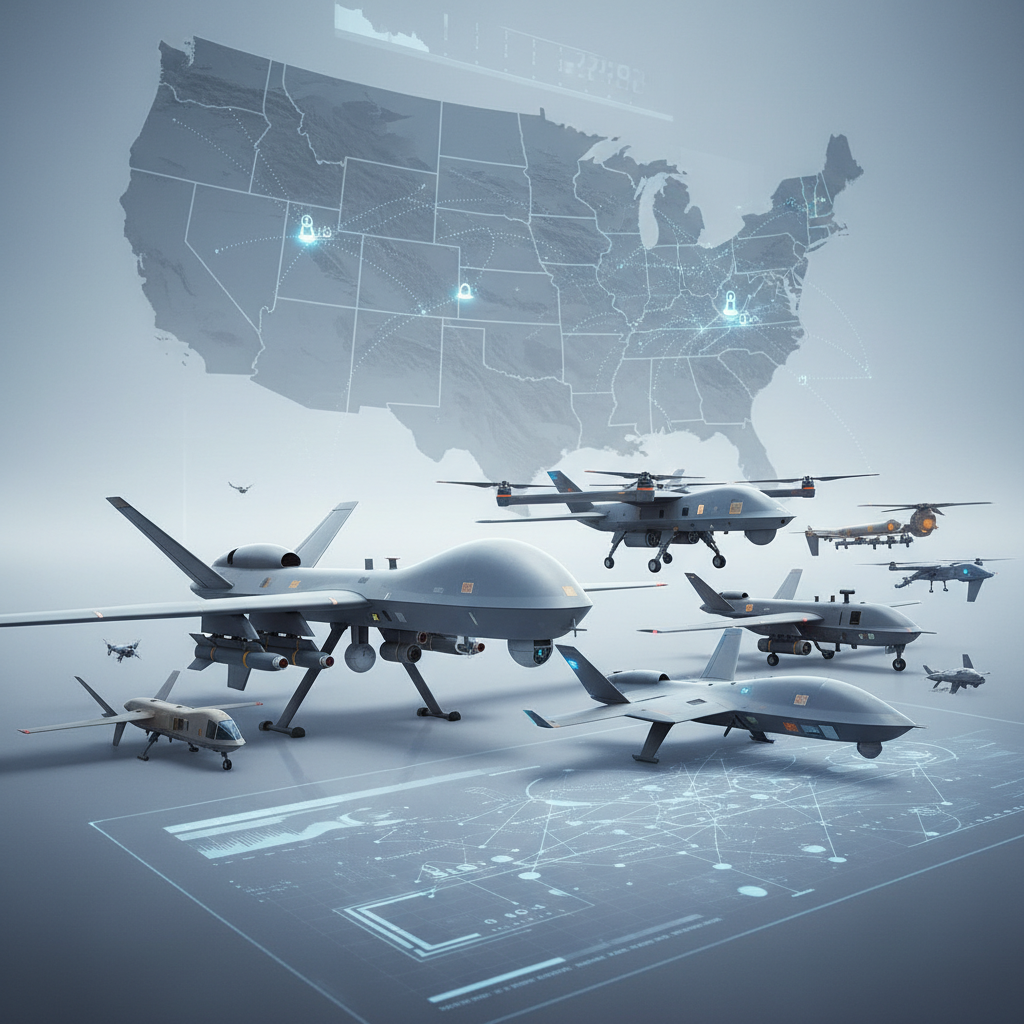
The U.S. military drone fleet can be categorized into two primary types: Unmanned Aerial Vehicles (UAVs) and Unmanned Combat Aerial Vehicles (UCAVs). UAVs are primarily used for surveillance and reconnaissance missions, gathering intelligence and providing real-time data to ground forces. In contrast, UCAVs are equipped for combat operations, capable of engaging enemy targets with precision weaponry.
The versatility of military drones allows them to be deployed in various roles, including intelligence, surveillance, and reconnaissance (ISR), strike operations, and logistical support. For instance, drones like the MQ-1 Predator and MQ-9 Reaper have been pivotal in executing targeted strikes in combat zones while minimizing risks to human pilots. Additionally, drones play a crucial role in collecting data for strategic planning and assessing battlefield conditions, thereby enhancing operational effectiveness.
Major Types of Military Drones
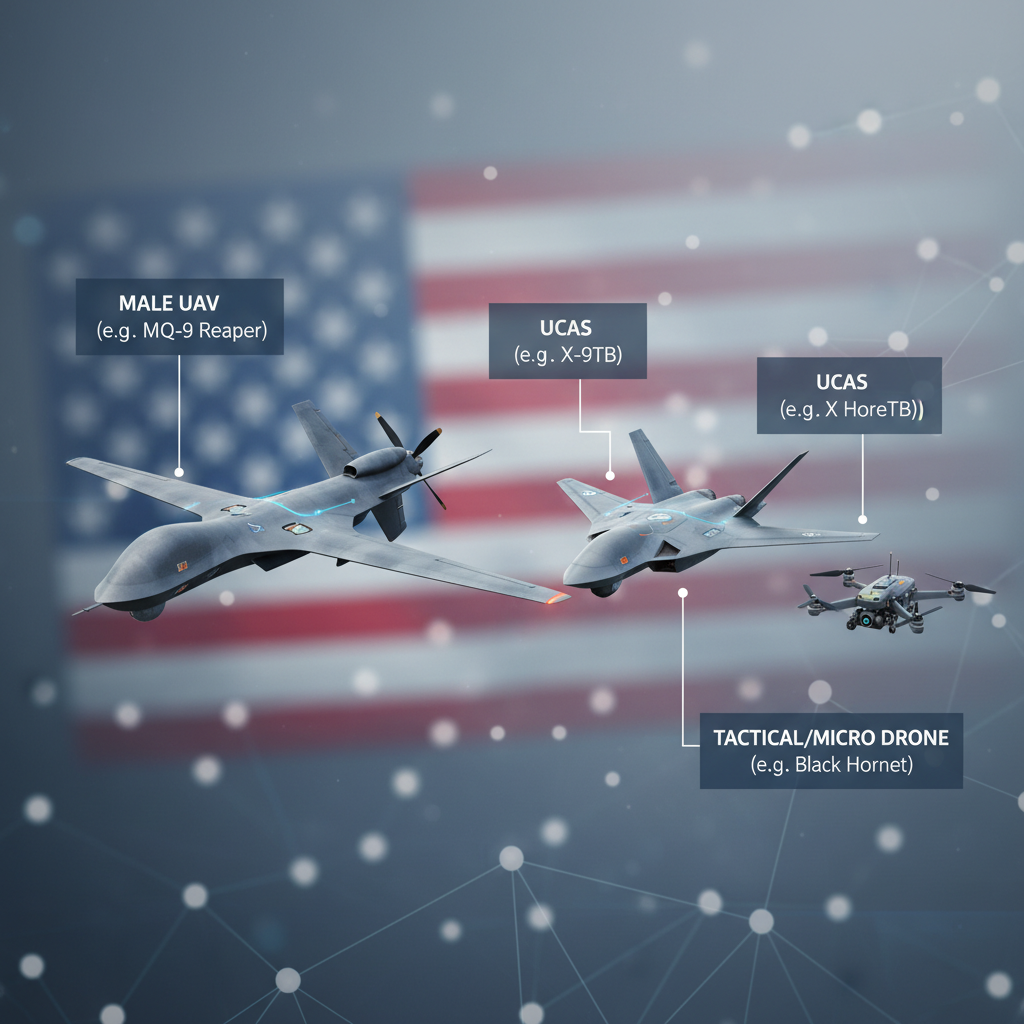
Several notable drones comprise the U.S. military’s drone fleet. The MQ-1 Predator, for example, has been a cornerstone of U.S. military operations since its introduction in the 1990s. This UAV is capable of carrying both surveillance equipment and precision-guided munitions, making it a dual-purpose asset. The more advanced MQ-9 Reaper, which entered service in the mid-2000s, offers enhanced capabilities, including a larger payload capacity and improved sensors, enabling it to conduct more complex missions.
Beyond these well-known models, the military also employs specialized drones tailored for specific operations. For surveillance, the RQ-4 Global Hawk provides high-altitude, long-endurance reconnaissance capabilities, allowing it to monitor vast areas for extended periods. Conversely, combat-oriented drones like the X-47B are designed with stealth technology, enabling them to engage enemy targets without being detected.
Recent Trends in Drone Usage
In recent years, there has been a marked increase in the deployment of military drones in various conflict zones around the globe. The U.S. military has successfully utilized drones in operations across the Middle East, Africa, and Asia, where they have been instrumental in counter-terrorism efforts. This trend has led to a growing reliance on UAVs as integral components of military strategy.
Another significant trend is the shift towards autonomous and AI-assisted drone technology. Advances in artificial intelligence have enabled drones to process vast amounts of data, make real-time decisions, and execute missions with minimal human intervention. For instance, ongoing developments in swarm technology aim to deploy multiple drones working in unison to overwhelm adversaries and enhance battlefield effectiveness.
Advantages of Military Drones
The advantages of military drones are numerous and impactful. One of the primary benefits is enhanced surveillance capabilities, allowing for real-time data collection and analysis. Drones can cover extensive areas quickly, providing commanders with crucial intelligence that supports informed decision-making. This capability is particularly valuable in dynamic combat environments where timely information can turn the tide of a conflict.
Additionally, drones significantly reduce the risk to human life in combat scenarios. By enabling remote operations, military drones allow for precision strikes without putting pilots in harm’s way. This operational safety is complemented by the precision targeting capabilities of modern drones, which help minimize collateral damage and civilian casualties, a critical consideration in contemporary warfare.
Challenges and Controversies
Despite their advantages, the use of military drones is not without challenges and controversies. Ethical concerns surrounding drone warfare have gained prominence, particularly regarding the potential for civilian casualties. Critics argue that the remote nature of drone strikes can lead to a detachment from the consequences of military actions, raising moral questions about accountability and oversight.
Moreover, issues related to privacy and surveillance in domestic contexts have emerged as drones become more integrated into law enforcement and civil monitoring operations. The potential for misuse of drone technology poses a risk to civil liberties, prompting calls for regulatory frameworks to govern their use and protect citizens from unwarranted surveillance.
Future of Military Drones
Looking ahead, the future of military drones is poised for significant technological advancements. Innovations in battery life, payload capacity, and sensor technology are expected to enhance drone capabilities further. Developments in autonomous systems will likely lead to more sophisticated drones that can operate with increased independence, thereby transforming the landscape of military operations.
Additionally, as drone technology continues to evolve, military strategies will adapt to leverage these advancements. Future conflicts may see drones integrated into multi-domain operations, where they serve as force multipliers across air, land, and sea. This evolution will necessitate ongoing discussions about the ethical implications and regulatory measures surrounding drone use, ensuring that advancements align with international humanitarian standards.
In conclusion, the U.S. military’s extensive drone fleet plays a crucial role in modern warfare and intelligence operations. With an estimated 11,000 drones in service, their applications span a wide range of military functions, from surveillance to combat. While the advantages of drones are significant, the challenges they present cannot be overlooked. As technology continues to evolve, so too will the capabilities and implications of military drones, making it essential for stakeholders to understand their role in shaping contemporary military strategies and global security dynamics.
Frequently Asked Questions
How many military drones does the US currently have in operation?
As of 2023, the United States military operates several thousand drones across various branches, including the Army, Navy, Air Force, and Marines. Estimates suggest that there are around 10,000 unmanned aerial vehicles (UAVs) in active service, ranging from small tactical drones to larger combat drones like the MQ-9 Reaper and the MQ-1 Predator. This extensive fleet enables the military to conduct surveillance, reconnaissance, and targeted strikes, enhancing operational capabilities.
What are the main types of military drones used by the US?
The US military utilizes a diverse range of drones, categorized primarily into reconnaissance drones, combat drones, and logistical drones. Notable examples include the MQ-9 Reaper for combat missions, the RQ-4 Global Hawk for high-altitude surveillance, and smaller tactical drones like the Raven and Wasp for ground-level reconnaissance. Each type serves specific operational needs, contributing to a multifaceted approach to modern warfare.
Why are military drones important to the US armed forces?
Military drones play a crucial role in enhancing the US armed forces’ operational efficiency and effectiveness. They provide real-time intelligence, surveillance, and reconnaissance (ISR) capabilities, allowing for more informed decision-making and strategic planning. Additionally, drones reduce the risk to human life by enabling remote operations in hostile environments, and they can conduct precision strikes with a high level of accuracy, minimizing collateral damage.
How does the US military acquire and maintain its drone fleet?
The US military acquires drones through a combination of procurement programs and partnerships with private defense contractors. The process involves rigorous testing and evaluation to ensure that the drones meet operational standards. Maintenance of the drone fleet is also critical, involving regular inspections, software updates, and repairs to keep the systems operational and effective in various combat scenarios.
Which countries have military drone capabilities similar to the US?
Several countries have developed military drone capabilities that can be compared to those of the US, with Israel, China, and Russia being among the most prominent. Israel is known for its advanced UAV technology, particularly the Heron and Hermes series. China has rapidly expanded its drone capabilities, notably with the Wing Loong and CH series, while Russia has developed various UAVs, including the Orion. Each of these nations seeks to enhance their military effectiveness through the integration of drone technology.
References
- https://en.wikipedia.org/wiki/Unmanned_aerial_vehicle
- https://www.reuters.com/article/us-usa-drones-insight-idUSKBN1ZK1Q3
- https://www.defense.gov/Explore/News/Article/Article/2395860/us-military-drones-are-shifting-from-reconnaissance-to-attack/
- https://www.armytimes.com/news/your-army/2021/12/07/us-military-drones-are-here-to-stay/
- https://www.bbc.com/news/world-us-canada-48122633
- https://www.rand.org/pubs/research_reports/RR3094.html
- https://www.c-span.org/video/?471905-1/us-military-drones
- https://www.forbes.com/sites/danielnewman/2021/10/05/the-future-of-military-drones-and-how-they-are-evolving/
- https://www.nytimes.com/2021/10/22/us/politics/military-drones.html
