

A commercial drone pilot typically earns between $50,000 and $100,000 annually, depending on experience, location, and industry. As the demand for drone services continues to grow, understanding the financial landscape of this career can help aspiring pilots make informed decisions about their future. This post will explore various factors influencing earnings, industry-specific salary trends, and additional opportunities that can enhance income potential within this burgeoning field.
Overview of Commercial Drone Pilot Earnings
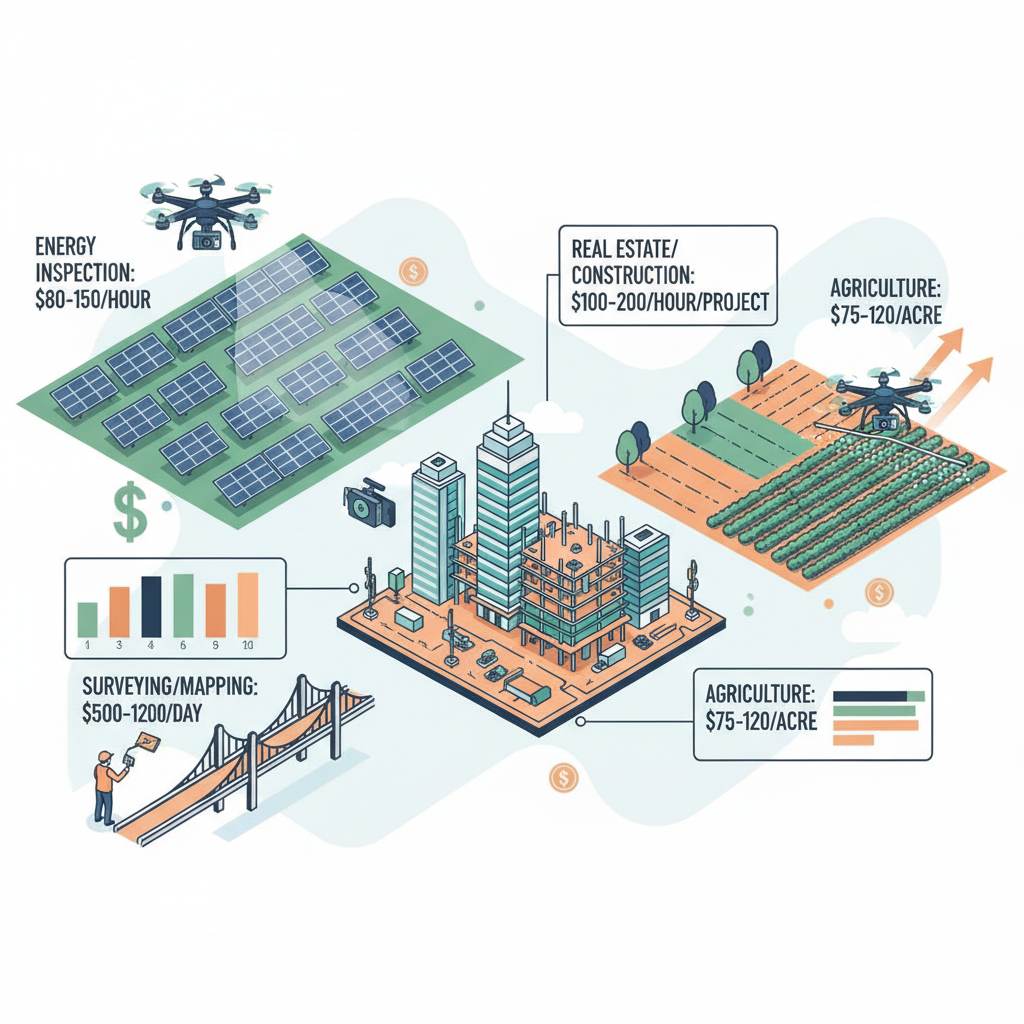
The salary of a commercial drone pilot varies widely, reflecting the diverse applications of drone technology across different sectors. On average, entry-level pilots may start at around $50,000 per year, while those with more experience or specialization can earn upwards of $100,000. For instance, drone pilots working in agriculture, where the technology is employed for precision farming, may find themselves on the higher end of the pay scale due to the increasing reliance on drones for crop monitoring and analysis. Similarly, pilots in the film and media industry can command higher fees for aerial photography and cinematography, especially if they have a recognizable portfolio and established client base.
According to industry reports, the construction sector also provides substantial earnings for drone pilots, with salaries averaging around $70,000 annually. This is particularly true for those involved in site surveys and inspections, where drones can significantly expedite processes and enhance accuracy. Understanding these salary ranges can aid aspiring drone pilots in assessing their career paths and potential income based on their chosen industry.
Factors Influencing Income
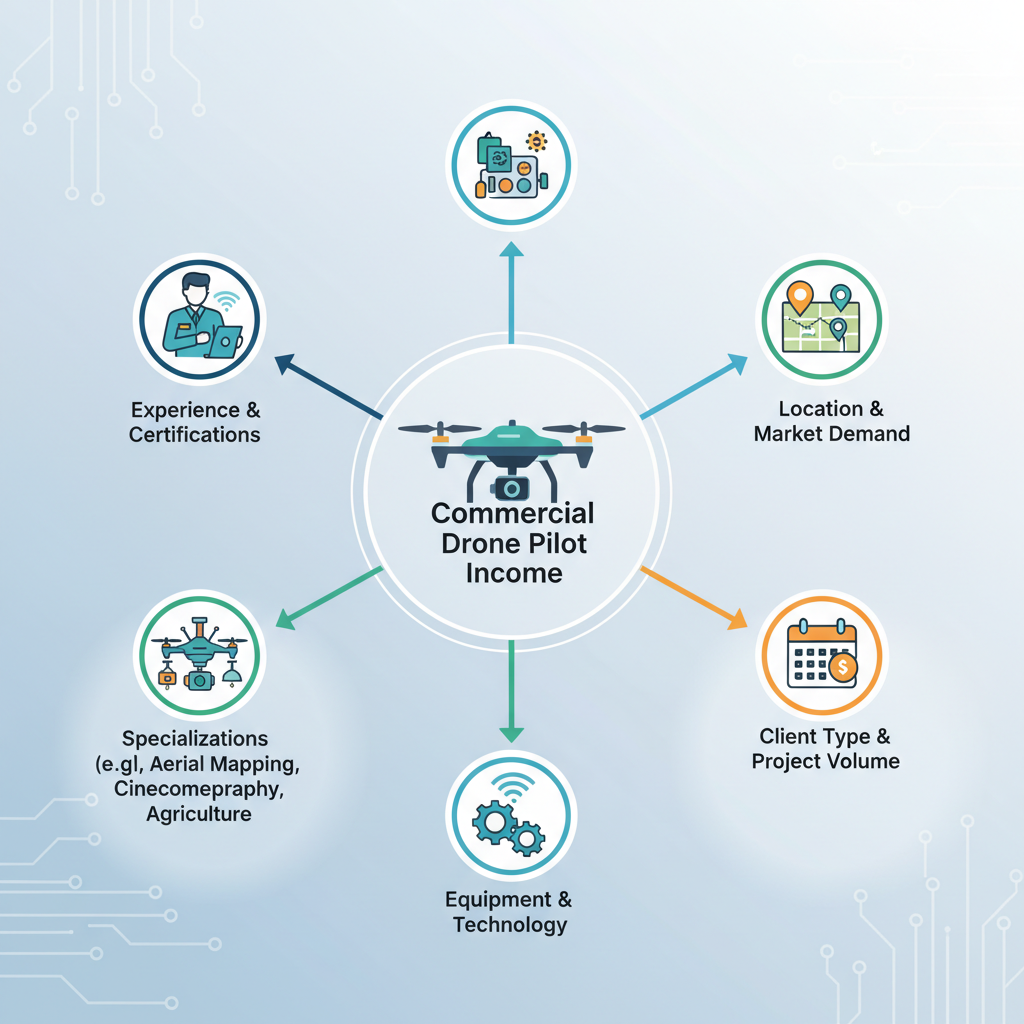
Several key factors influence the income of commercial drone pilots, with experience and certification being the most significant. Entry-level pilots often start with lower salaries, as they build their skills and reputation. However, as they gain experience and develop a robust portfolio, their earning potential can increase dramatically. Seasoned pilots can command higher fees, particularly if they specialize in niche markets or hold advanced certifications.
Certification and training also play critical roles in enhancing earning potential. The Federal Aviation Administration (FAA) requires commercial drone pilots to obtain a Remote Pilot Certificate, but pursuing additional training or certifications—such as those related to specific software or advanced drone operation techniques—can further boost a pilot’s marketability. For example, pilots who can provide services like thermal imaging for building inspections or mapping using Geographic Information Systems (GIS) may find themselves in high demand, allowing them to charge premium rates.
Geographic Location and Its Impact
Geographic location significantly impacts a commercial drone pilot’s income. Typically, urban areas offer higher salaries due to greater demand for drone services and a higher cost of living. For instance, pilots in major cities like Los Angeles or New York City may earn more than their counterparts in rural areas, where demand for drone services might be lower.
Additionally, certain regions are emerging as tech hubs with a skyrocketing demand for drone applications. Places like Silicon Valley are not only home to numerous tech companies but also attract industries that utilize drones for innovative solutions. Pilots in these areas often find more opportunities and better compensation, driven by competition and a high concentration of potential clients.
Industries Hiring Commercial Drone Pilots
Commercial drone pilots are increasingly sought after in various industries, each with unique applications for drone technology. The construction and engineering sectors, for example, leverage drones for site surveys, project monitoring, and inspections, making them significant employers of drone pilots. Drones can provide real-time data and aerial views that enhance project management and safety compliance.
The agriculture industry is another major employer, utilizing drones for precision farming tasks such as crop monitoring and yield estimation. As farmers look to increase efficiency and reduce costs, the demand for pilots skilled in agricultural drone applications is on the rise. Other sectors, including real estate, wildlife conservation, and search and rescue, are also beginning to recognize the value that commercial drone pilots can bring to their operations.
Freelance vs. Full-time Employment
When considering a career as a commercial drone pilot, individuals often weigh the pros and cons of freelance work versus full-time employment. Freelance pilots enjoy flexibility and the potential for higher earnings, as they can set their rates and take on multiple projects. However, income variability can be a significant drawback, as work may fluctuate based on demand, seasonality, and competition.
Conversely, full-time employment typically offers more stable income and benefits, such as health insurance and retirement plans. However, full-time positions often come with fixed salaries and less flexibility in work hours and project selection. Aspiring pilots must weigh these factors carefully, considering their financial goals, lifestyle preferences, and long-term career aspirations.
Additional Income Opportunities
Beyond their primary roles, commercial drone pilots can explore various additional income opportunities. Side gigs such as real estate photography, surveying, and mapping services can supplement their income. Many pilots offer comprehensive packages that include post-processing services like video editing or data analysis, allowing them to upsell their skills and increase their overall earnings.
For instance, a pilot who provides aerial photography services may also offer to create promotional videos or deliver edited images, thereby enhancing the value of their services for clients. This not only provides additional income but also helps build a stronger client relationship and a more robust portfolio.
Future Trends in Drone Pilot Salaries
The future of commercial drone pilot salaries looks promising, driven by predicted growth in the drone industry. As businesses increasingly adopt drone technology for various applications, the demand for skilled pilots is expected to rise. Emerging technologies, such as artificial intelligence and advanced imaging systems, will likely create new opportunities for pilots, further enhancing their earning potential.
Moreover, industries like logistics and delivery are beginning to explore drone solutions, which could introduce a new wave of job opportunities for commercial pilots. As these trends unfold, staying informed about industry developments and pursuing ongoing education and training can help pilots remain competitive in the evolving job market.
In conclusion, the income for commercial drone pilots can be quite lucrative, depending on various factors such as experience, location, and industry. As the field continues to evolve, staying informed about trends and opportunities can help maximize earning potential. If you’re considering a career as a drone pilot, now is a great time to explore this exciting and growing industry, where innovation and technology intersect to create new possibilities.
Frequently Asked Questions
How much does a commercial drone pilot make on average?
The average salary for a commercial drone pilot can vary significantly based on experience, location, and industry. Generally, entry-level drone pilots earn between $30,000 and $50,000 per year, while more experienced professionals can make upwards of $80,000 to $120,000 annually. Factors such as specialization in fields like aerial photography, surveying, or agriculture can also influence earnings.
What factors influence a commercial drone pilot’s salary?
Several factors can impact a commercial drone pilot’s salary, including geographical location, level of experience, type of industry, and the complexity of the tasks performed. For instance, pilots working in urban areas or specialized sectors like construction or real estate tend to earn more due to higher demand and cost of living. Additionally, holding advanced certifications and accumulating flight hours can lead to better-paying opportunities.
How can a commercial drone pilot increase their income?
A commercial drone pilot can increase their income by diversifying their skill set, obtaining additional certifications, and gaining experience in high-demand sectors. Offering specialized services such as thermal imaging, mapping, or 3D modeling can also attract higher-paying clients. Networking, marketing services effectively, and building a strong portfolio are essential strategies to enhance earning potential in the drone industry.
What types of jobs can a commercial drone pilot do to maximize earnings?
Commercial drone pilots can maximize their earnings by exploring various job opportunities, including aerial photography for real estate, agricultural monitoring, construction site inspection, and mapping services. Additionally, sectors like emergency services, film production, and environmental monitoring offer lucrative contracts. By adapting to the needs of different industries, pilots can tap into multiple income streams.
Why is the demand for commercial drone pilots increasing?
The demand for commercial drone pilots is increasing due to the growing adoption of drone technology across various industries, including agriculture, construction, and cinematography. Businesses are recognizing the efficiency, cost-effectiveness, and data-gathering capabilities that drones provide, leading to a surge in job opportunities for skilled pilots. As regulations evolve and technology advances, the need for qualified drone operators will continue to grow, making it a promising career path.
References
- https://www.bls.gov/ooh/transportation-and-material-moving/air-traffic-controllers.htm
- https://www.faa.gov/uas/
- https://www.forbes.com/advisor/business/drone-pilot-salary/
- https://www.statista.com/statistics/1090380/united-states-commercial-drone-pilot-salary/
- https://www.airspacemag.com/flight-today/what-drone-pilots-earn-180970680/
- https://www.educationdata.org/average-salary-for-drone-pilots
- https://www.shrm.org/resourcesandtools/hr-topics/compensation/pages/drone-pilot-salary.aspx
- https://www.thebalancecareers.com/drone-pilot-salary-4170679
