

Registering a drone typically costs between $5 and $20, depending on the type of registration needed. This relatively low fee is crucial for ensuring that drone owners comply with regulations set forth by governing bodies like the Federal Aviation Administration (FAA). In this article, we will explore the different factors that influence the cost of drone registration, detail the registration process, and highlight any additional fees that may apply.
Understanding Drone Registration Requirements
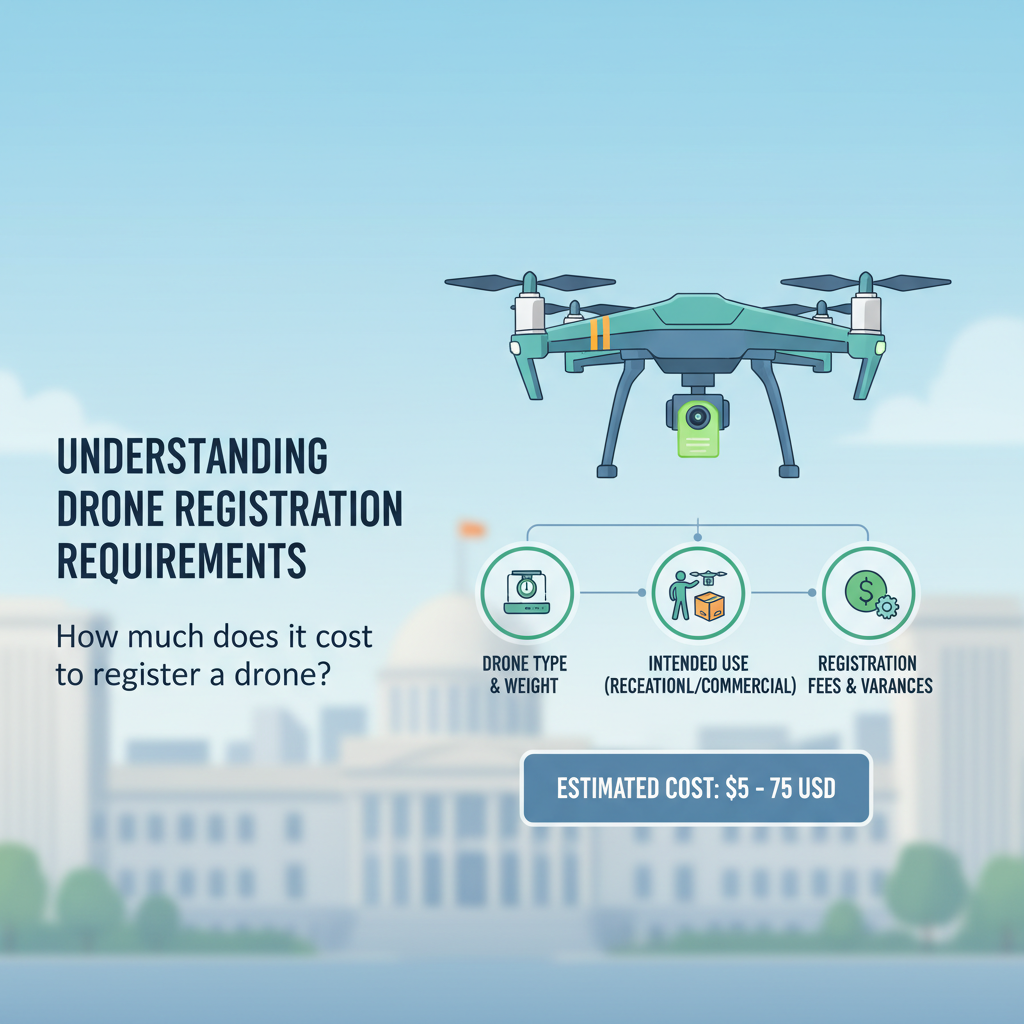
The registration requirements for drones vary significantly based on their intended use, specifically between recreational and commercial applications. Recreational drone users are generally subject to less stringent regulations than commercial operators, who are required to follow more comprehensive guidelines to ensure safety and compliance.
In the United States, the FAA mandates that all drones weighing between 0.55 pounds and 55 pounds must be registered. Recreational users must adhere to the FAA’s Part 107 regulations, which include guidelines for flying within visual line-of-sight and height restrictions. In contrast, commercial drone operators must obtain a Remote Pilot Certificate and comply with additional operational rules. Understanding these distinctions is critical for potential drone owners to avoid legal pitfalls and to ensure a safe flying experience.
Fees for Drone Registration
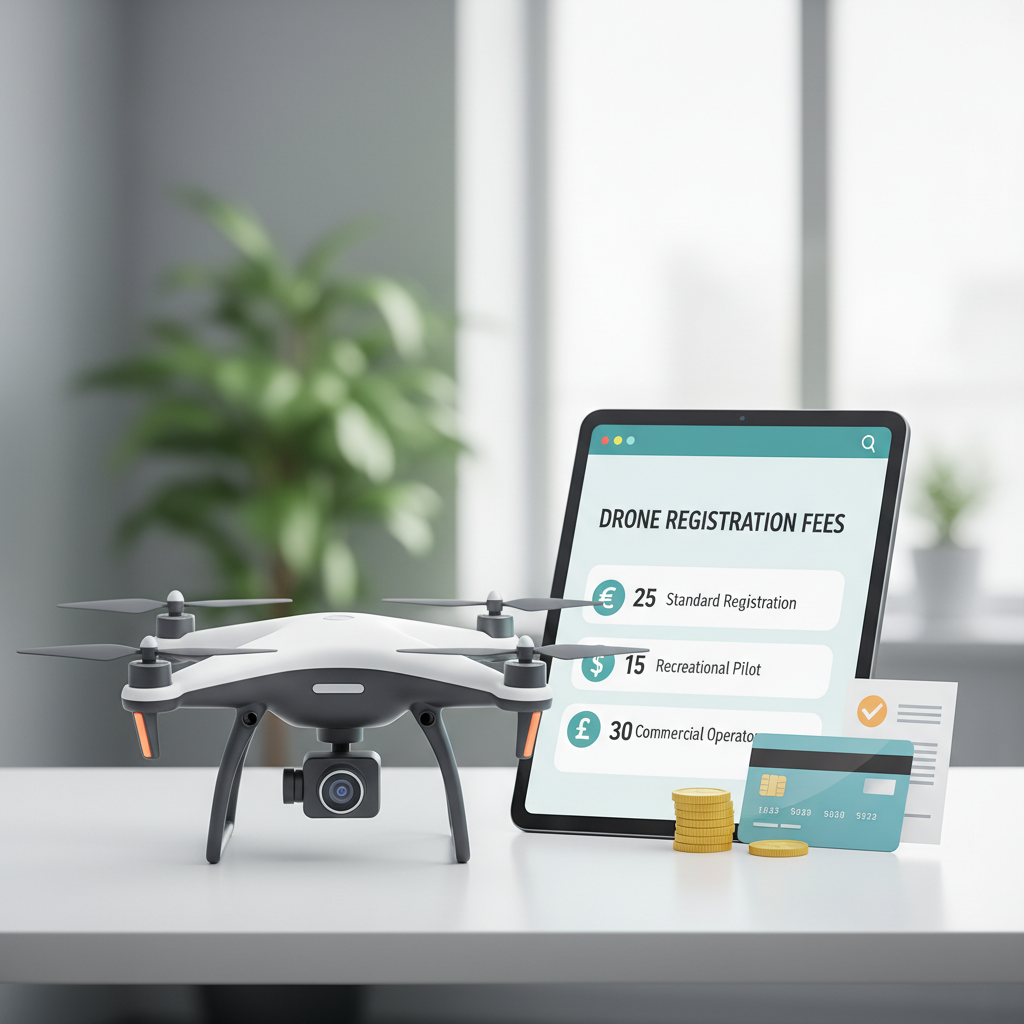
The standard registration fee is $5 for online registration, which is valid for three years. This fee is relatively affordable compared to other regulatory fees in various industries, making it accessible for most drone enthusiasts. It’s important to note that this fee applies to the registration of a single drone. Should you decide to register multiple drones, you will need to repeat the registration process for each one, which can increase your total costs.
Additionally, there can be extra costs associated with late renewals or modifications to your registration. If you fail to renew your registration before it expires, you may be subject to fines and other penalties. It is prudent to keep track of your registration status and renewal dates to avoid any unexpected costs.
Duration of Registration Validity
Once registered, your drone’s registration is valid for three years, which provides a reasonable timeframe for recreational and commercial users alike. However, the importance of timely renewal cannot be overstated. Failing to renew your registration can lead to penalties, including fines and the potential grounding of your drone until compliance is achieved. Keeping your registration updated is not just about avoiding penalties; it also plays a vital role in ensuring that you are adhering to the latest safety and operational guidelines established by the FAA.
How to Register Your Drone
Registering your drone is a straightforward process, primarily done through the FAA’s online portal. The following is a step-by-step guide to help you navigate the registration process:
1. Visit the FAA’s DroneZone website: This is the official portal for drone registration.
2. Create an account: If you are a new user, you will need to create an account to start the registration process.
3. Provide necessary information: You will need to enter your name, address, email, and the drone’s make and model. For commercial registrations, additional details, such as your Remote Pilot Certificate information, may be required.
4. Pay the registration fee: You can pay the $5 registration fee using a credit or debit card.
5. Receive your registration number: After successful registration, you will receive a unique registration number that must be displayed on your drone.
It is essential to keep a record of this registration number, as it may be required for any future interactions with the FAA or if you need to renew your registration.
Common Mistakes to Avoid
Drone registration may seem simple, but there are common pitfalls that many new drone owners encounter. One major mistake is failing to register your drone before flying. The FAA enforces strict penalties for unregistered drone operation, which can include fines and potential legal action. Always ensure that your drone is registered before you take it to the skies.
Another common error is neglecting to update your registration information. If you sell your drone, change your address, or modify your drone significantly, you must update your registration details accordingly. Failing to do so may lead to complications in the event of an incident or if your drone is lost or stolen.
Additional Costs Associated with Drone Ownership
Beyond registration fees, drone ownership can incur additional costs that potential owners should consider. One significant expense is insurance. While not legally required, obtaining liability insurance for your drone can protect you from potential lawsuits arising from accidents or damage caused by your drone. Insurance costs can vary widely based on coverage levels and the value of your drone, with annual premiums typically ranging from $200 to $500.
Moreover, if you fail to comply with FAA regulations, you may face fines and penalties that can be substantial. The FAA has been known to impose fines ranging from hundreds to thousands of dollars for violations, making compliance not just a legal obligation but also a financial imperative.
Resources for Drone Owners
For those looking to ensure their drone operations are compliant, a wealth of resources is available. The FAA’s official registration site provides comprehensive information on registration and regulations. Additionally, joining drone flying communities and forums can offer insights and support from fellow drone enthusiasts. Websites such as the Academy of Model Aeronautics (AMA) and various social media groups dedicated to drone flying can be invaluable resources for tips, safety guidelines, and networking opportunities.
In conclusion, registering your drone is a straightforward process that incurs minimal costs. Understanding the registration requirements and associated fees is crucial for responsible drone ownership. For anyone looking to fly a drone, ensure you complete your registration to stay compliant and enjoy your flying experience. By being informed and proactive, you can navigate the world of drone ownership with confidence and responsibility.
Frequently Asked Questions
What is the cost to register a drone in the United States?
In the United States, registering a drone costs $5, regardless of the drone’s size or weight. This fee is applicable when registering your drone through the Federal Aviation Administration (FAA) and is valid for three years. You can register your drone online through the FAA’s website, making the process straightforward and convenient.
How do I register my drone and what fees are involved?
To register your drone, you need to visit the FAA’s official registration website and provide your personal information, including your name and address. Besides the $5 registration fee, you may also incur costs if you choose to use third-party services to assist with the registration process. Additionally, if you require a Remote Pilot Certificate to operate commercially, there will be further costs associated with training and testing.
Why is it necessary to register my drone, and what are the consequences of not doing so?
Registering your drone is necessary to comply with federal regulations and ensure safety in the national airspace. Failure to register your drone can lead to fines of up to $27,500 for civil penalties or even criminal charges, including fines up to $250,000. Moreover, unregistered drones may be confiscated, and operating them can result in serious legal repercussions.
What is the best way to ensure my drone registration is complete and valid?
The best way to ensure your drone registration is complete and valid is to follow the FAA’s guidelines meticulously during the registration process. Double-check that all your information is accurate before submitting it and keep a copy of your registration confirmation. Additionally, set a reminder to renew your registration every three years to maintain compliance with FAA regulations.
Which drones require registration, and are there any exceptions?
In the U.S., drones that weigh more than 0.55 pounds (250 grams) must be registered with the FAA. However, there are exceptions; for instance, toys or drones specifically designed for indoor use typically do not require registration. It’s crucial to check the specifications of your drone and the latest FAA regulations to ensure you comply with the registration requirements.
References
- https://en.wikipedia.org/wiki/Drone_registration
- https://www.faa.gov/uas/getting_started/register_drone
- https://www.faa.gov/uas/getting_started/registration/
- https://www.faa.gov/uas/registration/
- https://www.npr.org/2021/04/22/989094591/drones-are-up-in-the-air-what-you-need-to-know-about-registration
- https://www.nerdwallet.com/article/loans/drone-registration-costs
- https://www.theverge.com/2017/12/12/16768352/faa-drone-registration-cost-5-dollars-2-years
