
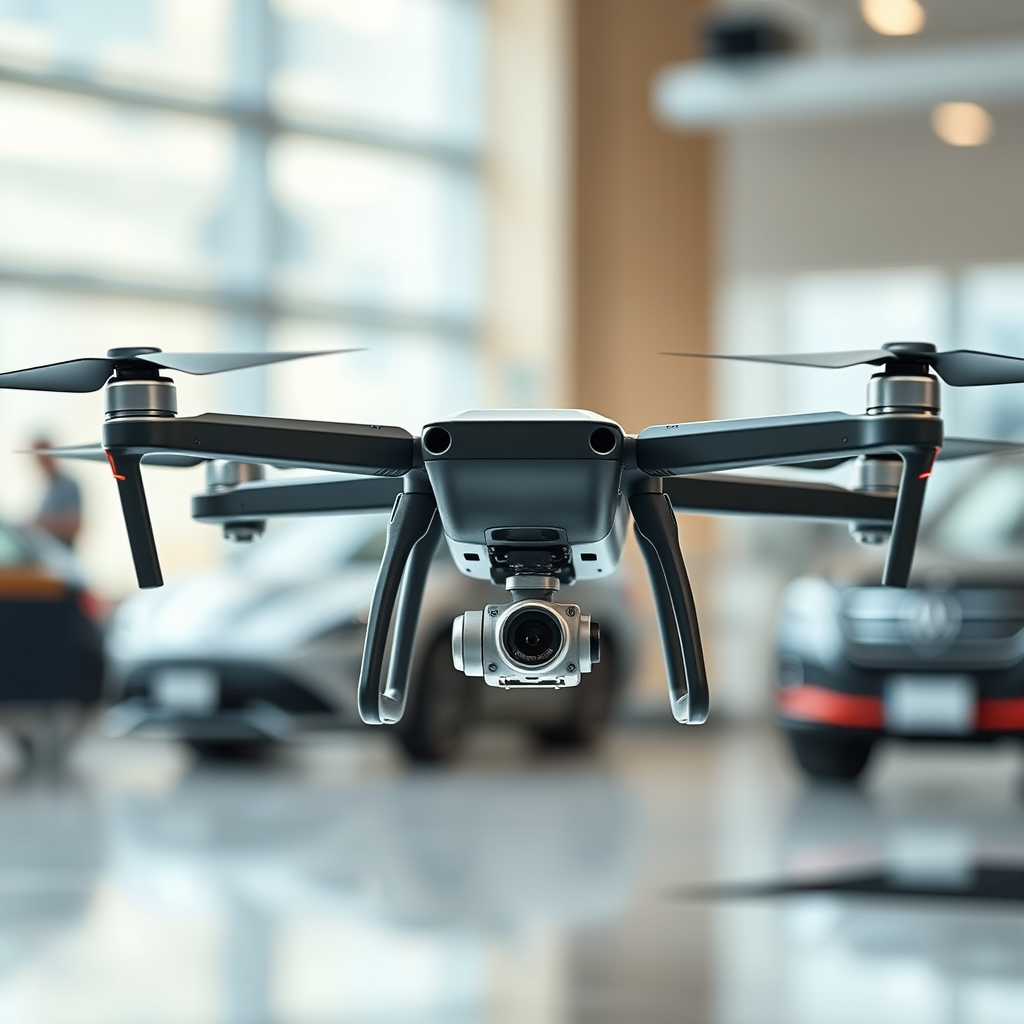
Drones can typically carry between 5 to 10 liters of water, depending on their size and design. This capacity makes them useful for various applications, such as agriculture, firefighting, and environmental monitoring. As industries increasingly adopt drone technology, understanding the intricacies of their payload capacities becomes essential for maximizing their efficacy. In this article, we will explore the factors influencing a drone’s water-carrying capacity, the types of drones available, their specific applications, and the regulatory considerations that come into play.
Understanding Drone Payload Capacity
Drone payload capacity is a critical factor that determines how much weight a drone can effectively transport. This capacity is not arbitrary; it is dictated by the drone’s design, which includes its motor strength, frame size, and overall weight. For instance, smaller hobbyist drones may have a payload capacity of just a few hundred grams, while specialized commercial drones can carry significantly more.
Manufacturers provide detailed specifications for their models, outlining maximum load capacities. For example, an agricultural drone designed for spraying may have a payload capacity of 10 liters or more, allowing it to cover larger fields efficiently. Conversely, a drone intended for recreational use might only carry a fraction of that amount. Understanding these specifications is crucial for operators as it impacts the drone’s flight time, stability, and operational efficiency.
Types of Drones Used for Water Delivery
When it comes to water delivery, two primary types of drones are commonly utilized: multirotor and fixed-wing drones.
Multirotor drones, such as quadcopters, are particularly popular for water delivery due to their stability and ease of control. They can hover in place, making them ideal for precision applications like targeted crop irrigation or firefighting efforts. These drones typically feature a payload capacity that allows them to carry 5 to 10 liters of water, which is sufficient for most small to medium-sized tasks.
On the other hand, fixed-wing drones offer larger payload capacities and are capable of covering greater distances. These drones resemble traditional airplanes and are more efficient in terms of flight time and energy consumption. However, their delivery mechanisms are different; fixed-wing drones often utilize a mechanism to drop water or fire retardants from a height, which can be less precise than the targeted delivery of multirotor drones. Both types have distinctive advantages and can be chosen based on the specific requirements of the task at hand.
Factors Affecting Water Carrying Capacity
Several factors influence how much water a drone can carry and its overall performance during flight. One of the most significant factors is battery life and power consumption. A drone’s ability to lift and transport weight directly correlates with its battery capacity; heavier payloads require more energy. Therefore, a drone carrying its maximum payload may have a reduced flight time, which can affect operational efficiency.
Weather conditions also play a critical role. High winds can destabilize a drone, making it challenging to maintain control, especially when carrying a heavy load. Similarly, extreme temperatures can impact battery performance and overall drone efficiency. Operators need to consider these environmental factors when planning water delivery missions to ensure optimal performance and safety.
Applications of Water-Carrying Drones
The versatility of water-carrying drones allows them to be employed in a variety of practical applications. One of the most significant uses is in agriculture. Drones equipped with water tanks can efficiently irrigate crops, providing precise amounts of water where needed. This not only reduces water waste but also minimizes labor costs associated with traditional irrigation methods. For instance, farmers can use drones to monitor soil moisture levels and apply water only in areas that require it, optimizing resource use and enhancing crop yields.
In firefighting, drones equipped with water or fire retardants can reach areas that are difficult or dangerous for ground crews to access. This capability drastically improves response times and enhances safety for firefighters. For example, during wildfires, drones can deliver water directly to hotspots, potentially slowing the fire’s spread while ground crews prepare for more extensive firefighting efforts.
Regulatory Considerations
As the use of drones for water delivery expands, it’s essential to navigate the regulatory landscape governing their operation. Regulations can vary widely by region and can dictate the maximum payloads allowed, flight operations, and even the specific applications for which drones can be used. In many jurisdictions, operators must adhere to local laws that may require permits or certifications for specific applications, particularly in agriculture or firefighting.
For instance, in the United States, the Federal Aviation Administration (FAA) regulates commercial drone operations, including those involving agricultural spraying or firefighting. Operators must be aware of these regulations to ensure compliance and avoid potential fines or legal issues. Understanding and navigating these regulatory requirements is crucial for anyone looking to utilize drones for water delivery.
Future Trends in Drone Water Delivery
The future of drone technology is promising, with advancements likely to enhance water delivery capabilities significantly. Innovations in battery technology could lead to longer flight times and increased payload capacities, allowing drones to carry more water over greater distances. Additionally, research into hybrid drones that combine the benefits of fixed-wing and multirotor designs may offer enhanced flexibility for various applications.
Furthermore, the integration of artificial intelligence and machine learning could lead to smarter drone systems that optimize flight paths, monitor environmental conditions in real time, and adjust payloads based on specific needs. As these technologies develop, the potential applications for water-carrying drones will continue to expand, making them invaluable tools across different sectors.
In summary, understanding how much water a drone can carry involves a comprehensive look at factors like drone type, payload capacity, and regulatory considerations. With ongoing technological advancements, the potential applications for water-carrying drones are likely to broaden, solidifying their role as innovative solutions in agriculture, firefighting, and environmental management. If you’re interested in utilizing drones for water delivery, it’s worth researching specific models and their capabilities to identify the best fit for your needs.
Frequently Asked Questions
How much water can a drone typically carry for agricultural spraying?
The amount of water a drone can carry for agricultural purposes varies significantly based on the drone’s design and specifications. Commercial agricultural drones usually have payload capacities ranging from 5 to 30 liters (1.3 to 8 gallons). High-end models can even carry up to 50 liters (13 gallons) for larger fields, allowing farmers to efficiently spray water and fertilizers over vast areas.
What factors influence the water-carrying capacity of drones?
Several factors influence a drone’s water-carrying capacity, including its size, motor power, battery life, and design. For instance, larger drones with more powerful motors can carry heavier loads, while battery life is crucial as carrying more water can reduce flight time. Additionally, the drone’s overall design, such as whether it is optimized for lifting heavier payloads, also plays a significant role.
Why do some drones have a lower water capacity than others?
Drones with lower water capacities often prioritize portability and ease of use over payload capability. Smaller drones are designed for specific tasks, such as monitoring or surveying, rather than heavy lifting, which limits their water-carrying ability. Additionally, lightweight materials and compact designs can help improve maneuverability and battery efficiency, but they may also restrict the amount of water that can be transported.
Which types of drones are best for carrying water for firefighting purposes?
The best drones for carrying water for firefighting are typically multi-rotor or fixed-wing drones designed for heavy lifting. Models like the DJI Matrice 600 or the Griff Aviation 200 can carry substantial payloads, making them suitable for emergency response. These drones are equipped with specialized tanks and can deliver water or fire retardants effectively to help control wildfires or assist in urban firefighting efforts.
How can the water-carrying capacity of a drone impact its flight performance?
The water-carrying capacity of a drone directly impacts its flight performance, including flight time, speed, and maneuverability. Heavier loads can decrease battery life and reduce the maximum flight duration, leading to less efficient operations. Pilots must balance payload weight with the drone’s capabilities to ensure optimal performance, especially in critical situations such as agricultural spraying or firefighting, where precision and reliability are essential.
References
- https://en.wikipedia.org/wiki/Drone
- https://www.sciencedirect.com/science/article/pii/S2096579617300950
- https://www.govinfo.gov/content/pkg/CREC-2016-09-08/pdf/CREC-2016-09-08-pt1-PgS5030.pdf
- https://www.nytimes.com/2021/06/15/us/drones-technology.html
- https://www.researchgate.net/publication/331823926_Design_and_Development_of_a_Heavy_Lift_Drone_for_Agricultural_Applications
- https://www.frontiersin.org/articles/10.3389/fenvs.2021.00001/full
- https://www.wired.com/story/drones-agriculture-water/
- https://www.nap.edu/catalog/22705/airborne-drones-for-water-supply-water-quality-and-ecological-management
- https://www.faa.gov/uas/learn_to_fly/
- https://www.nrc.gov/docs/ML1812/ML18128A124.pdf
