
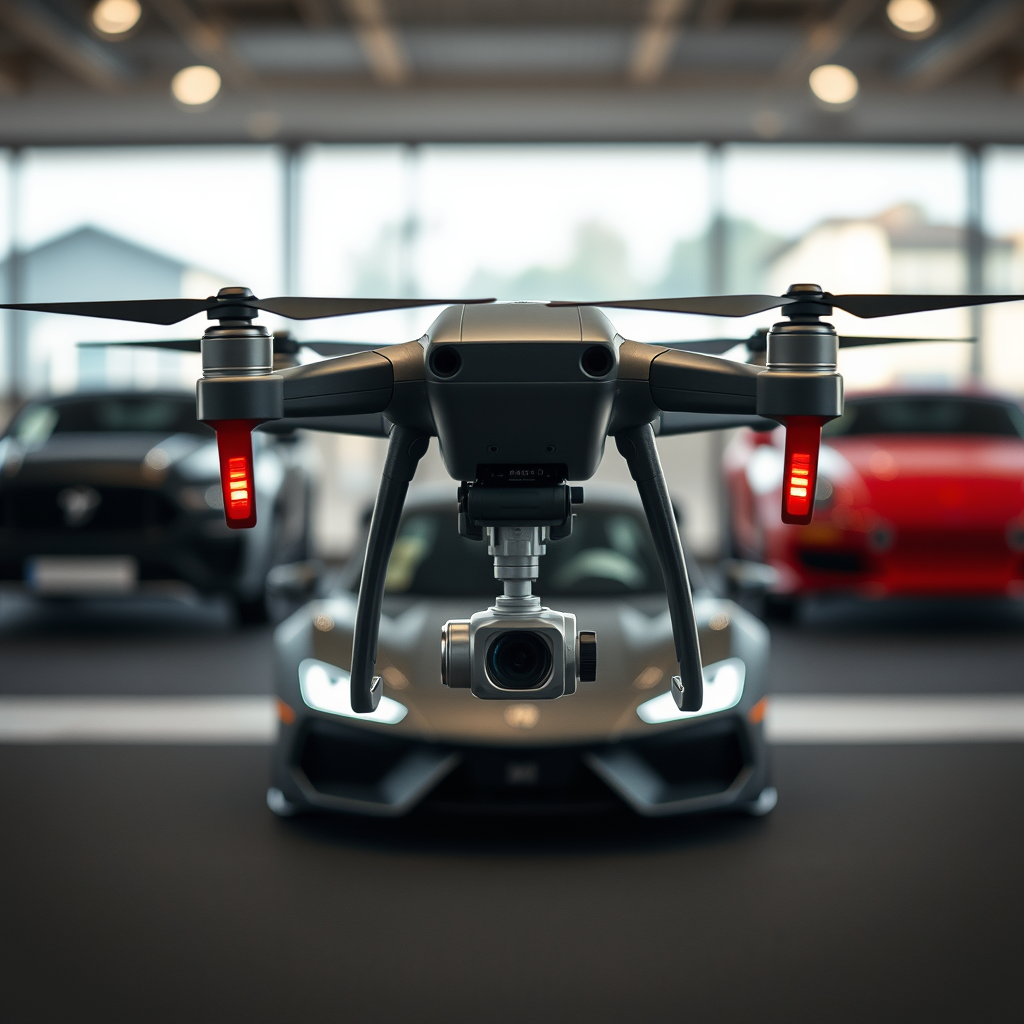
Most consumer drones can carry between 0.5 to 2.5 kg (1 to 5.5 lbs), while specialized commercial drones can handle significantly heavier payloads, sometimes exceeding 100 kg (220 lbs). Understanding the limits of a drone’s carrying capacity is essential for both hobbyists and professionals who want to utilize drones for various applications. This knowledge not only informs potential drone purchases but also helps users select appropriate models for specific tasks, ensuring safety and efficiency in operations.
Understanding Drone Payload Capacity
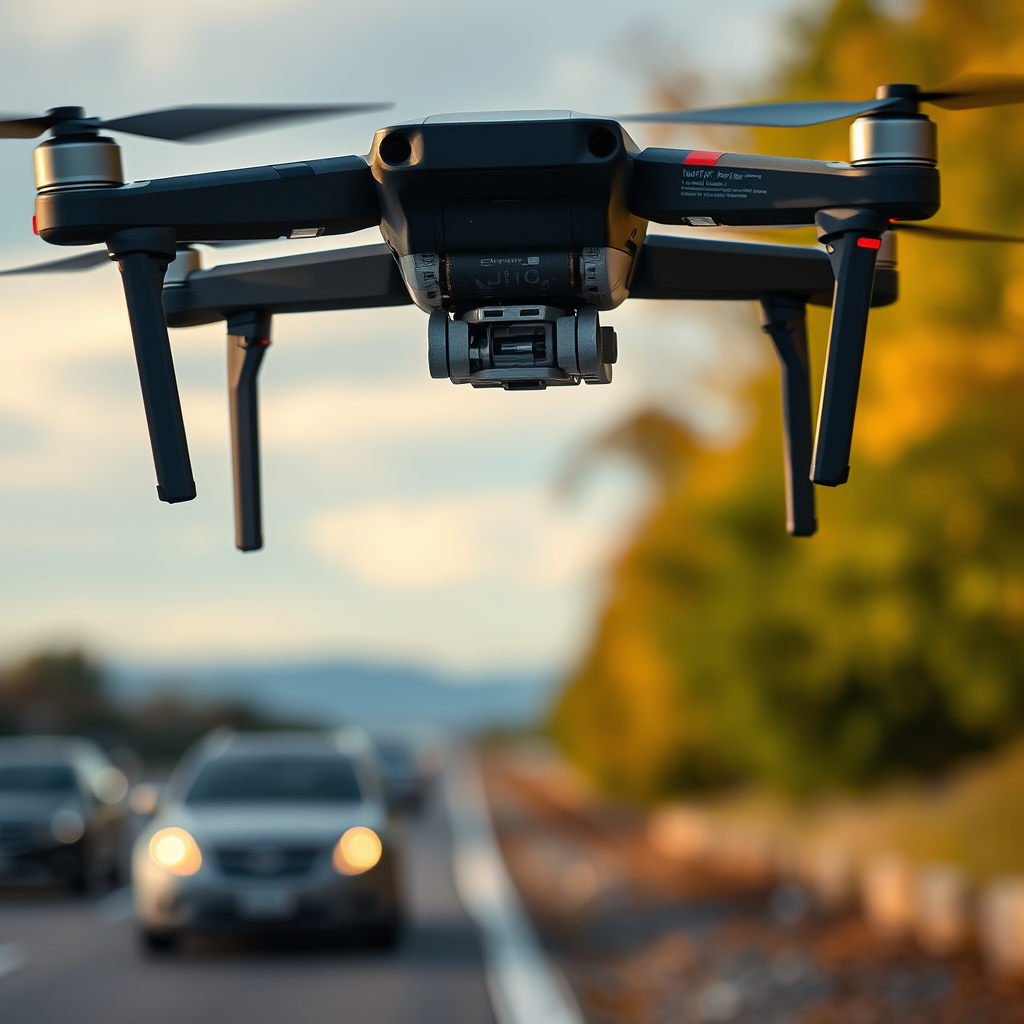
Payload capacity refers to the maximum weight a drone can carry while maintaining its performance and stability during flight. This is a crucial metric that influences how effectively a drone can be used for various tasks, from aerial photography to delivery services. Exceeding this limit can result in compromised flight performance, including reduced battery life, diminished control, and increased risk of mechanical failure.
Several factors influence a drone’s payload capacity, including its design, motor strength, battery specifications, and overall construction materials. For instance, a drone with powerful motors and a robust frame will typically have a higher payload capacity than a lightweight model designed primarily for recreational use. Additionally, environmental conditions, such as wind and temperature, can also impact the effective carrying capacity of a drone, making it essential to account for these variables during operations.
Types of Drones and Their Carrying Capacities
Consumer drones, commonly used for recreational and light professional applications, usually have payload capacities ranging from 0.5 to 2.5 kg (1 to 5.5 lbs). Examples include popular models like the DJI Mavic Air, which can carry a small camera or additional accessories but is not designed for heavy lifting. These drones are ideal for tasks such as aerial photography, videography, and basic surveying.
In contrast, commercial and industrial drones are engineered for more demanding applications and can carry significantly heavier loads. For example, drones such as the DJI Matrice 600 and the Freefly Alta 8 are designed specifically for professional cinematography and can carry payloads exceeding 6 kg (13 lbs). Moreover, specialized delivery drones like those developed by Zipline can transport medical supplies and other goods, sometimes reaching capacities of over 100 kg (220 lbs). These drones are increasingly being utilized in sectors such as agriculture, logistics, and emergency services, showcasing their versatility and importance in modern operations.
Material and Design Considerations
The materials used in a drone’s construction play a pivotal role in determining its weight limits. Drones made from lightweight materials, such as carbon fiber, often have better strength-to-weight ratios compared to those constructed from standard plastics or metals. Carbon fiber drones are not only lighter but also offer increased durability, making them suitable for carrying heavier payloads without compromising flight performance.
Design features also significantly impact a drone’s carrying ability. For example, drones equipped with advanced rotor systems can generate more lift, allowing them to handle larger payloads. Additionally, the design of the drone’s frame must provide adequate stability and aerodynamics, which is crucial when carrying extra weight. Features such as adjustable landing gear or modular designs can enhance usability and adaptability for different payloads, providing greater flexibility in various applications.
Applications of Drones Based on Weight Capacity
Light payload applications for drones, such as aerial photography and surveying, benefit from the portability and ease of use of consumer models. For instance, real estate professionals often utilize drones to capture high-quality images and videos of properties, enhancing listings and attracting potential buyers. Similarly, surveyors can use drones equipped with light sensors to collect data over large areas quickly and efficiently.
On the other hand, heavy payload drones find their niche in more demanding applications. Delivery services, such as those implemented by companies like Amazon and UPS, leverage drones capable of transporting packages directly to consumers, optimizing the logistics chain. In agriculture, drones equipped with substantial payload capacities can carry seeds, fertilizers, or even pesticide sprays, enabling more efficient farming practices. These applications not only demonstrate the versatility of drones but also highlight their growing significance across various industries.
Regulatory Considerations
Drone payload capacities are subject to regulatory frameworks that vary by location. In the United States, the Federal Aviation Administration (FAA) sets specific guidelines regarding the maximum weight a drone can carry, primarily focusing on safety and airspace management. For instance, the FAA stipulates that drones must not exceed a weight limit of 25 kg (55 lbs) for commercial purposes, which includes the weight of the drone itself and any payload.
Adhering to these regulations is crucial for safe drone operations, as non-compliance can lead to accidents and legal repercussions. Drone operators must familiarize themselves with local laws and guidelines, ensuring that they remain compliant while efficiently utilizing their drones for intended applications. This knowledge is particularly important for businesses that rely on drone technology for commercial purposes.
Tips for Maximizing Your Drone’s Carrying Capacity
To maximize a drone’s carrying capacity, operators should prioritize proper loading and balancing techniques. It is essential to distribute weight evenly across the drone to prevent instability during flight. Additionally, operators should familiarize themselves with the drone’s specifications and avoid exceeding the manufacturer-recommended limits.
Regular maintenance is also crucial for ensuring optimal performance under load. This includes checking and calibrating propellers, motors, and battery health. Keeping the drone clean and free of debris is important, as dirt and grime can add unnecessary weight and hinder performance. Furthermore, operators should conduct pre-flight checks to assess the drone’s readiness for the intended payload, ensuring all systems are functioning correctly.
Future Trends in Drone Carrying Capacities
Emerging technologies are poised to enhance drone payload capabilities in the coming years. Innovations in battery technology, such as solid-state batteries, promise to increase energy density and duration, allowing drones to carry heavier payloads for extended periods. Furthermore, advancements in propulsion systems and materials science may lead to lighter and more powerful drones, further expanding their carrying capacities.
Predictions for the future of drone applications suggest a significant increase in their use across various industries, including transportation, construction, and emergency response. As payload capacities continue to grow, we can expect drones to play an even more integral role in logistics and delivery services, as well as in tasks such as infrastructure inspection and disaster relief efforts.
In conclusion, understanding how much weight a drone can carry is crucial for effective usage, whether for fun or professional purposes. By considering the drone’s specifications, applicable regulations, and best practices, operators can ensure safe and efficient operation. As technology advances and regulations adapt, the potential for heavier payload applications will continue to expand, making drones an increasingly valuable tool across diverse industries.
Frequently Asked Questions
How much weight can a typical consumer drone carry?
A typical consumer drone can carry between 0.5 to 5 pounds (approximately 0.2 to 2.3 kg), depending on its make and model. Higher-end models, like those used for aerial photography or racing, may support greater payloads. Always refer to the manufacturer’s specifications to determine the exact weight limit, as exceeding it can affect the drone’s performance and stability.
What factors affect the payload capacity of a drone?
Several factors influence a drone’s payload capacity, including its design, motor power, battery life, and overall weight. Additionally, environmental conditions such as wind speed and temperature can impact how much weight a drone can effectively carry. It’s crucial to consider these variables to ensure safe and efficient operation when carrying loads.
Why is it important to know a drone’s maximum carrying capacity?
Knowing a drone’s maximum carrying capacity is essential for safe flying and optimal performance. Exceeding the weight limit can lead to reduced flight time, increased battery drain, instability during flight, and potential crashes. For commercial users, adhering to these limits is also critical for compliance with regulations and ensuring the safety of people and property below.
Which drones have the highest payload capacities for commercial use?
Drones designed for commercial applications, such as the DJI Matrice 600 and the Freefly Alta 8, boast some of the highest payload capacities, often exceeding 10 pounds (about 4.5 kg). These drones are engineered for professional tasks like aerial photography, surveying, and delivery services, making them ideal for users who require significant carrying capabilities.
How can I safely increase my drone’s payload capacity?
To safely increase your drone’s payload capacity, consider upgrading to higher-torque motors and more efficient propellers, which can enhance lift. Additionally, optimizing battery efficiency and reducing the drone’s overall weight by using lightweight materials for attachments can help. However, any modifications should be undertaken with caution and a full understanding of how they may affect the drone’s flight dynamics and safety.
References
- https://en.wikipedia.org/wiki/Drone#Payload_capacity
- https://www.faa.gov/uas/getting_started/part_107/
- https://www.nytimes.com/2022/05/18/technology/drones-supply-chains.html
- https://www.sciencedirect.com/science/article/pii/S235197892100367X
- https://www.nasa.gov/centers/dryden/pdf/87916main_Dryden_Research_Review_Drones.pdf
- https://www.ausairpower.net/APA-Drone-Capacity.html
- https://www.nerc.ac.uk/press/releases/2020/10/drones-in-the-uk/
