
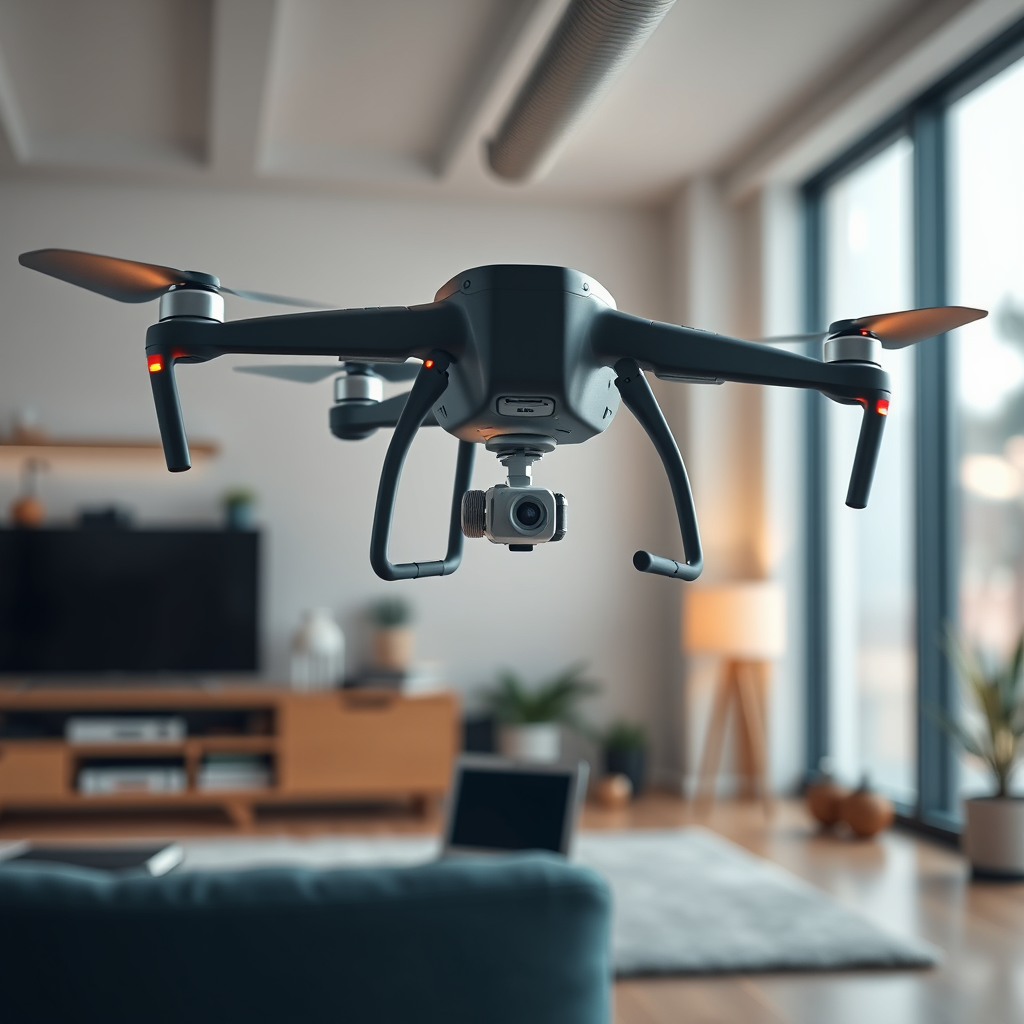
Drones can typically lift anywhere from a few hundred grams to over 25 kilograms, depending on their design, size, and purpose. This variance in lifting capacity is crucial for users to understand, as it directly influences the drone’s suitability for specific tasks, ranging from recreational photography to industrial cargo transport. Knowing the weight limitations of different drone categories allows users to optimize their operations and select the right equipment for their needs.
Understanding Drone Categories
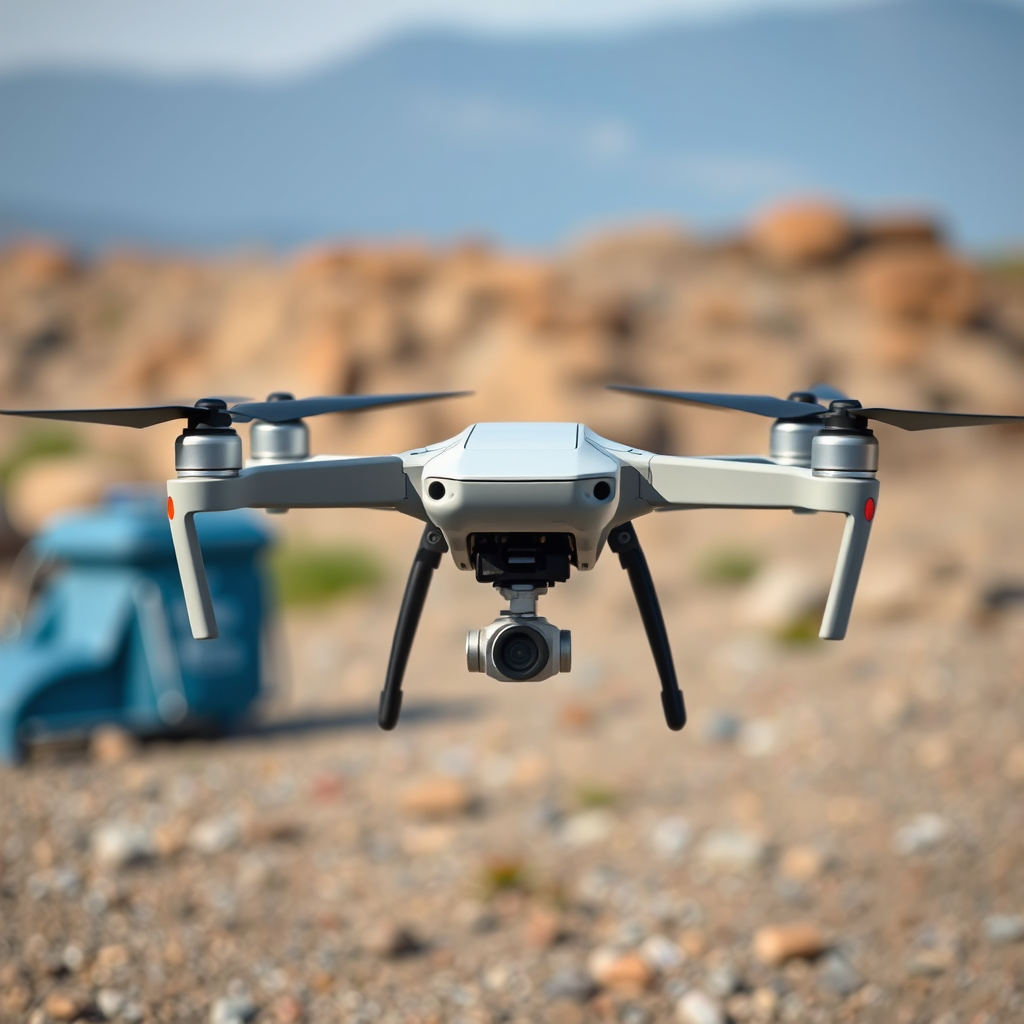
Drones can be classified into several categories based on their intended use, each with distinct lifting capacities:
– Consumer Drones: These drones are primarily designed for recreational use, appealing to hobbyists and amateur photographers. Their lifting capacities generally range from 0.5 to 2 kg, making them suitable for lightweight cameras and accessories. Models like the DJI Mavic Mini exemplify this category, offering portability and ease of use for casual users without requiring heavy lifting capabilities.
– Commercial Drones: Used extensively in sectors such as agriculture, real estate, and cinematography, commercial drones have more robust lifting capacities, typically ranging from 5 to 10 kg. For instance, the DJI Phantom 4 RTK is popular among surveyors for its ability to carry specialized sensors and cameras that weigh within this range, enhancing mapping and aerial photography efficiency.
– Industrial Drones: Heavy-duty drones fall into this category, capable of lifting 10 to 25 kg or more. These drones are engineered for demanding tasks such as cargo delivery, infrastructure inspection, and emergency response. The DJI Matrice 600, for example, can lift up to 7 kg, making it ideal for carrying high-end camera systems and other heavy payloads required in professional filming and surveying.
Understanding these categories is essential for users to align their drone selection with their specific lifting requirements.
Factors Affecting Lifting Capacity
Several factors influence a drone’s lifting capacity, and awareness of these can help users maximize their drone’s potential:
– Drone Design: The materials and frame construction play a significant role in determining a drone’s strength and lifting capabilities. Drones made with lightweight yet strong materials like carbon fiber can typically handle heavier payloads compared to those constructed from plastic. This structural integrity is vital for sustained flight performance, especially in challenging conditions.
– Battery Power: The power supply of a drone is integral to its lifting capacity. Drones equipped with high-capacity batteries can support heavier loads for longer periods. Users should evaluate battery life and efficiency, as a well-maintained battery enhances performance and allows for more extensive operations without the need for frequent recharges.
– Propeller Size: The size and design of a drone’s propellers critically affect its ability to generate lift. Larger propellers provide more thrust, which is essential for carrying substantial weights. For instance, commercial drones often feature larger propellers designed specifically to optimize lift for heavier payloads, ensuring operational efficiency.
Specific Weight Limits of Popular Drone Models
Understanding the specific weight limits of popular drone models is essential for users to make informed choices:
– DJI Phantom Series: This series typically can lift around 1 kg, making it suitable for carrying lightweight cameras and accessories. Its balance of performance and payload capacity has made it a favorite among hobbyists and semi-professionals alike.
– DJI Matrice Series: Designed for professional applications, this series is capable of lifting up to 7 kg. The Matrice 300 RTK, for example, is widely used in inspection and surveying due to its ability to accommodate various payloads, including thermal cameras and LiDAR systems, which are essential for detailed analysis.
– Custom-built Drones: For users with specific lifting requirements, custom-built drones can be engineered to meet those demands. These drones can exceed lifting capacities of 25 kg and are often used in specialized applications such as cargo delivery, where performance and weight capacity are paramount. Companies engaged in logistics are increasingly investing in custom solutions to meet their operational needs effectively.
Legal Regulations on Drone Weight
Navigating the legal landscape surrounding drone operations is crucial for compliance and safety:
– FAA Regulations: In the United States, the Federal Aviation Administration (FAA) mandates that drones weighing over 25 kg require special permits for commercial use. Understanding these regulations is essential for businesses to avoid legal repercussions and ensure safe flight operations.
– Weight Classifications: Drones are classified into categories such as micro, small, and large, based on their weight. Users must familiarize themselves with local laws regarding these classifications to ensure compliance. For instance, different countries may have varied regulations regarding the flight of drones over public spaces or specific weight limits, which can affect operational planning.
Practical Applications of Drone Lifting Capacities
The lifting capacities of drones enable a wide range of practical applications that enhance efficiency across various sectors:
– Delivery Services: Drones are increasingly leveraged for package delivery, with weight limits directly influencing the types of goods transported. Companies like Amazon are exploring drone delivery systems that can carry lightweight packages, significantly reducing delivery times and costs.
– Agricultural Use: In agriculture, drones can effectively lift fertilizers, seeds, and pesticides, streamlining processes and enhancing productivity. For example, agricultural drones can distribute fertilizers over large fields efficiently, ensuring even coverage and reducing labor costs associated with traditional methods.
– Search and Rescue: Drones with higher lifting capacities can transport essential supplies, medical equipment, or tools in emergency situations. During disasters, these drones can deliver food, water, and medical resources to areas that are otherwise inaccessible, proving invaluable in search and rescue operations.
Tips for Maximizing Your Drone’s Lifting Ability
To optimize a drone’s lifting capabilities, users can implement several strategies:
– Optimize Payload Distribution: Ensuring that the load is balanced can significantly enhance flight stability and efficiency. Placing heavier items closer to the drone’s center of gravity can prevent tipping and improve maneuverability during flight.
– Maintain Battery Health: Regularly checking and replacing batteries is crucial to ensuring maximum lifting capacity. Users should follow manufacturer guidelines for battery maintenance to prevent degradation, which can adversely affect performance.
– Use Lightweight Accessories: Selecting lightweight cameras or tools can maximize payload capabilities without exceeding the weight limits. This approach allows users to enhance functionality while staying within operational parameters.
In summary, understanding how much weight a drone can lift is essential for users across various industries. By considering the type of drone, its specifications, and legal regulations, users can make informed decisions that align with their operational needs. Whether for recreational use or commercial applications, selecting the right drone and optimizing its capabilities can significantly enhance productivity and effectiveness in drone operations.
Frequently Asked Questions
What factors determine how much weight a drone can lift?
The lifting capacity of a drone depends on several key factors, including the drone’s motor power, battery capacity, frame design, and overall weight. Typically, drones with stronger motors and larger propellers can lift heavier payloads, while those with lightweight materials and aerodynamic designs can improve efficiency. Additionally, the type of battery used can influence how much weight a drone can carry, as a more powerful battery can provide more thrust.
How much weight can consumer drones typically lift?
Most consumer drones can lift between 0.5 to 5 kilograms (approximately 1 to 11 pounds), with popular models like the DJI Phantom series generally capable of carrying around 1-2 kilograms (2-4 pounds) of payload. However, it’s crucial to check the manufacturer’s specifications for each drone model, as capabilities can vary significantly based on design and intended use. Understanding the lifting capacity is essential for applications such as aerial photography, where additional gear may be needed.
Why is it important to know the lifting capacity of a drone?
Knowing the lifting capacity of a drone is vital for ensuring safe and effective operation, particularly when planning to carry specific payloads such as cameras, sensors, or other equipment. Overloading a drone can lead to reduced flight stability, shorter flight times, and increased risk of crashes. Furthermore, understanding the limits helps users comply with regulations and safety guidelines, ensuring responsible drone usage.
What is the best drone for lifting heavy payloads?
The best drones for lifting heavy payloads typically include models designed for commercial or industrial use, such as the DJI Matrice 600 or the Freefly Alta 8, which can carry payloads of up to 6 kilograms (13 pounds) and 8 kilograms (17.6 pounds), respectively. These drones are equipped with powerful motors and advanced stabilization systems, making them ideal for transporting equipment and conducting aerial surveys. When selecting a drone for heavy lifting, consider the required payload, flight time, and operational environment.
Which accessories can help increase a drone’s lifting capacity?
To increase a drone’s lifting capacity, consider using higher-capacity batteries, lightweight payload attachments, and efficient propeller upgrades. Installing larger propellers can improve thrust, while high-performance batteries can provide more power for lifting heavier loads. Additionally, optimizing the drone’s configuration by minimizing excess weight and using lightweight materials for attachments can significantly enhance its overall lifting capabilities.
References
- https://en.wikipedia.org/wiki/Drone#Payload_capacity
- https://www.nasa.gov/centers/dryden/pdf/87955main_H-1.pdf
- https://www.faa.gov/uas/
- https://www.sciencedirect.com/science/article/pii/S2352864819301688
- https://www.researchgate.net/publication/337789025_Drones_and_their_Applications_in_Farming
- https://www.aerospacelab-journal.org/13-2020/3-3-1-4
- https://www.techrepublic.com/article/how-much-weight-can-a-drone-carry/
- https://www.theguardian.com/technology/2020/jan/31/drones-how-much-weight-can-they-carry
- https://www.wired.com/story/how-much-weight-can-a-drone-carry/
