
Drones can typically lift between 0.5 to 25 kilograms (1 to 55 pounds), depending on their size and design. This weight-lifting capacity plays a vital role in various applications, including package delivery, agricultural monitoring, and industrial inspections. Understanding the factors that influence a drone’s lifting capabilities can help users select the right drone for their specific needs, ensuring efficiency and safety in operations. This article delves into the different types of drones, the factors that affect their lifting abilities, examples of drones with notable payload capacities, and real-world applications that utilize these capabilities.
Understanding Drone Types and Their Capacities
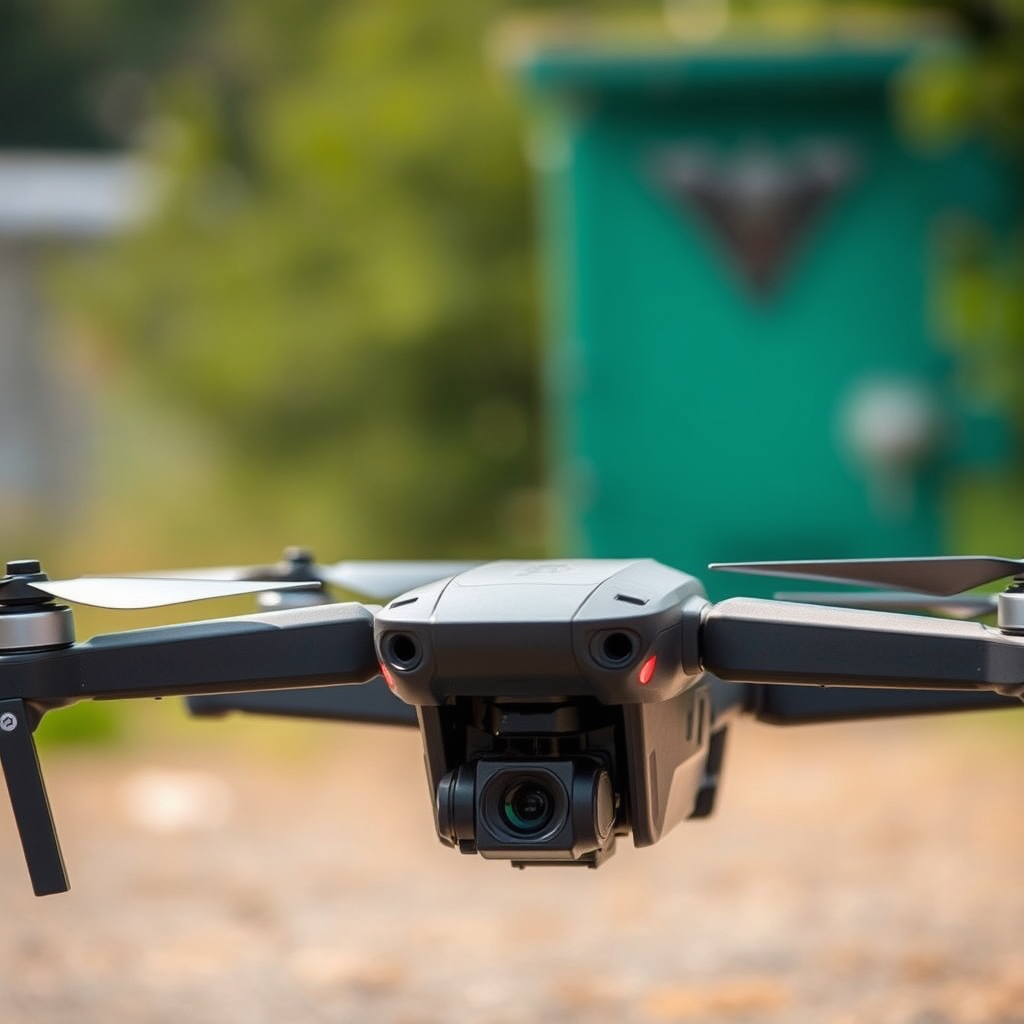
Drones come in various shapes and sizes, and their lifting capacities are primarily dictated by their intended use.
– Consumer Drones: Typically designed for hobbyists and amateur photographers, consumer drones can usually lift up to 2 kilograms (4.4 pounds). These drones are equipped with lightweight designs and cameras, making them ideal for capturing aerial images and videos. Popular models in this category include the DJI Mini series and the Parrot Anafi, which prioritize portability and ease of use over heavy lifting.
– Professional Drones: On the other end of the spectrum, professional drones are engineered for commercial applications and can handle significant payloads ranging from 5 to 25 kilograms (11 to 55 pounds). These drones are often utilized in fields such as surveying, agriculture, and cinematography. A prime example is the DJI Matrice 300 RTK, which is designed for industrial applications and can support various payloads, including high-resolution cameras and sensors.
Understanding the distinctions between these types of drones is essential for selecting the appropriate model based on lifting capacity and application requirements.
Factors Affecting Lifting Capacity
Several factors play a crucial role in determining how much weight a drone can lift effectively.
– Motor Power: The power of the drone’s motors is a significant determinant of its lifting capacity. Drones with more powerful motors can generate greater thrust, allowing them to carry heavier loads. For instance, a drone equipped with high-performance brushless motors will outperform a drone with standard motors in terms of weight-lifting capability. This is particularly important for professional applications where precision and reliability are paramount.
– Battery Life: The weight of the payload has a direct impact on battery consumption. Heavier loads require more energy to maintain flight, which can lead to reduced flight times and stability issues. Therefore, it is essential to consider the battery life alongside the lifting capacity. A drone that can lift 10 kilograms may only be able to fly for a short duration if it is heavily loaded. Hence, users must balance payload weight against the drone’s battery specifications to ensure optimal performance.
– Design and Stability: The aerodynamic design of a drone also impacts its lifting ability and stability during flight. Drones that are designed with better aerodynamics can maintain stability while carrying heavier payloads, which is crucial for applications that require precise maneuvering, such as surveying and mapping.
Examples of Drones and Their Maximum Payloads
Several drones are renowned for their lifting capacities and are widely used in various industries.
– DJI Matrice 600: This drone is a favorite among professional filmmakers and surveyors, known for its ability to lift up to 6 kilograms (13.2 pounds). It is equipped with advanced technology and can carry high-end camera systems, making it ideal for capturing stunning aerial footage and conducting detailed surveys.
– Freefly Alta 8: Designed specifically for heavy-duty tasks, the Freefly Alta 8 can carry up to 9 kilograms (20 pounds). This drone is equipped with robust motors and a flexible payload system that can accommodate various camera rigs, making it a popular choice in the film industry and for aerial photography.
– Yuneec Typhoon H520: This commercial drone can lift approximately 1.5 kilograms (3.3 pounds) and is commonly used for inspections and mapping. Its ability to carry specialized sensors makes it a versatile tool for professionals in various sectors.
These examples illustrate the range of options available for users seeking drones with specific lifting capacities tailored to their needs.
Real-World Applications of Drones Based on Lifting Capacity
Drones are transforming industries by enabling new methods of operation that leverage their lifting capabilities.
– Delivery Services: One of the most promising applications is in the delivery sector. Drones are increasingly being used to transport medical supplies, food, and other small packages. Companies like Zipline have successfully deployed drones to deliver blood and vaccines to remote areas, showcasing how drones can improve logistics and accessibility in healthcare.
– Agriculture: In the agricultural sector, drones play a crucial role in enhancing productivity. They are employed for tasks such as spraying fertilizers, monitoring crop health, and even carrying equipment. For example, drones equipped with spraying systems can effectively distribute pesticides over large fields, significantly reducing labor costs and increasing application efficiency.
– Construction and Industrial Inspections: Drones are also used in construction for site surveys and inspections. By lifting cameras and sensors, drones can provide real-time data and high-quality imagery of construction sites, enabling project managers to monitor progress and identify potential issues early.
Safety Considerations When Lifting Weight with Drones
While drones offer remarkable capabilities, safety should always be a top priority when lifting weights.
– Weight Limits: It is imperative to adhere to the manufacturer’s guidelines regarding weight limits. Exceeding these limits can lead to mechanical failures, crashes, and potential injuries. Operators must be aware of the drone’s specifications and ensure that the payload does not exceed the recommended limits.
– Flight Stability: Heavier loads can compromise a drone’s maneuverability and stability, making it more challenging to control, especially in adverse weather conditions. Skilled piloting is essential when operating drones with heavy payloads to ensure safe and accurate flight paths. This often necessitates additional training and experience for operators handling professional-grade drones.
Future Trends in Drone Lifting Technology
The future of drone technology is promising, particularly in the realm of lifting capabilities.
– Advances in Robotics: As robotics technology continues to evolve, we can anticipate the development of drones capable of lifting even heavier weights. Innovations in motor technology, control systems, and payload management will likely enhance the efficiency and usability of drones in various applications.
– New Materials: The introduction of lightweight yet durable materials will further improve drone performance. Advanced composites and alloys may allow drones to be designed to carry heavier payloads without adding significant weight, resulting in improved flight times and stability.
These trends signal an exciting future for drone technology, opening the door for new applications and efficiencies across multiple sectors.
In summary, understanding how much weight a drone can lift is essential for its effective use in various fields. The distinctions among consumer and professional drones, the factors influencing lifting capacities, and the real-world applications all highlight the importance of selecting the right drone for specific tasks. As technology advances, we can expect improvements in lifting capabilities, making drones even more versatile. Whether for personal, commercial, or industrial purposes, choosing the right drone for your lifting needs is crucial to maximizing efficiency and safety in operations.
Frequently Asked Questions
What is the maximum weight a consumer drone can lift?
The maximum weight a consumer drone can lift varies significantly depending on the model and specifications. Most consumer drones can handle payloads ranging from 0.5 to 5 pounds (0.23 to 2.27 kg). However, more advanced drones, designed for commercial use, can lift heavier loads, sometimes exceeding 10 pounds (4.54 kg). It’s crucial to check the manufacturer’s specifications to determine the exact lifting capacity.
How does payload weight affect a drone’s flight performance?
Payload weight directly impacts a drone’s flight performance, including its flight time, stability, and maneuverability. Adding weight can reduce battery life, as the motors must work harder to lift the extra load. Additionally, heavier payloads may affect the drone’s ability to ascend and descend smoothly, making it essential to balance payload weight with the drone’s lifting capabilities for optimal performance.
Why are some drones designed for heavier lifting than others?
Drones designed for heavier lifting typically feature more robust motors, larger frames, and enhanced battery systems to support increased weight. These drones are often used in commercial applications like agriculture, construction, and delivery services, where carrying equipment or supplies is essential. The design and materials used in heavier-lifting drones also contribute to their durability and stability during flight.
What is the best drone for lifting heavy items?
The best drone for lifting heavy items depends on your specific needs and budget. Popular options include the DJI Matrice 600, which can carry up to 13 pounds (5.9 kg), and the Freefly Alta 8, known for its 20-pound (9 kg) payload capacity. When choosing a drone, consider factors like payload capacity, battery life, flight stability, and the type of applications you intend to use it for.
Which regulations should I consider when using a drone for lifting heavy payloads?
When using a drone to lift heavy payloads, it’s essential to adhere to regulations set by aviation authorities, such as the FAA in the United States. Key regulations include weight limits, flight altitude restrictions, and no-fly zones. Additionally, operators may need to obtain a Part 107 certification for commercial operations, ensuring that they understand safe flying practices and legal requirements related to drone usage.
References
- https://en.wikipedia.org/wiki/Drone#Payload_capacity
- https://www.sciencedirect.com/science/article/pii/S2351978921002526
- https://www.nist.gov/news-events/news/2020/12/what-drone-can-do-how-they-are-used-transportation-and-logistics
- https://www.faa.gov/uas/recreational_flyers/
- https://www.ncbi.nlm.nih.gov/pmc/articles/PMC6833682/
- https://www.aaai.org/ojs/index.php/aimagazine/article/view/2773
- https://www.theguardian.com/technology/2021/jul/07/drones-weight-lifting-capacity-uses
- https://www.researchgate.net/publication/335522616_The_use_of_drones_in_agriculture_A_review
