
The Phantom drone series, particularly the DJI Phantom, can typically carry a payload of up to 2.5 kg (approximately 5.5 lbs). This weight limit allows for various attachments, including cameras and other equipment, making it versatile for different applications. Understanding this weight capacity is essential for maximizing performance and ensuring safe operation across various use cases. In this article, we will delve into the Phantom drone series, the factors influencing payload capacity, recommended payloads, safety considerations, real-world applications, and tips for optimizing drone efficiency.
Understanding the Phantom Drone Series
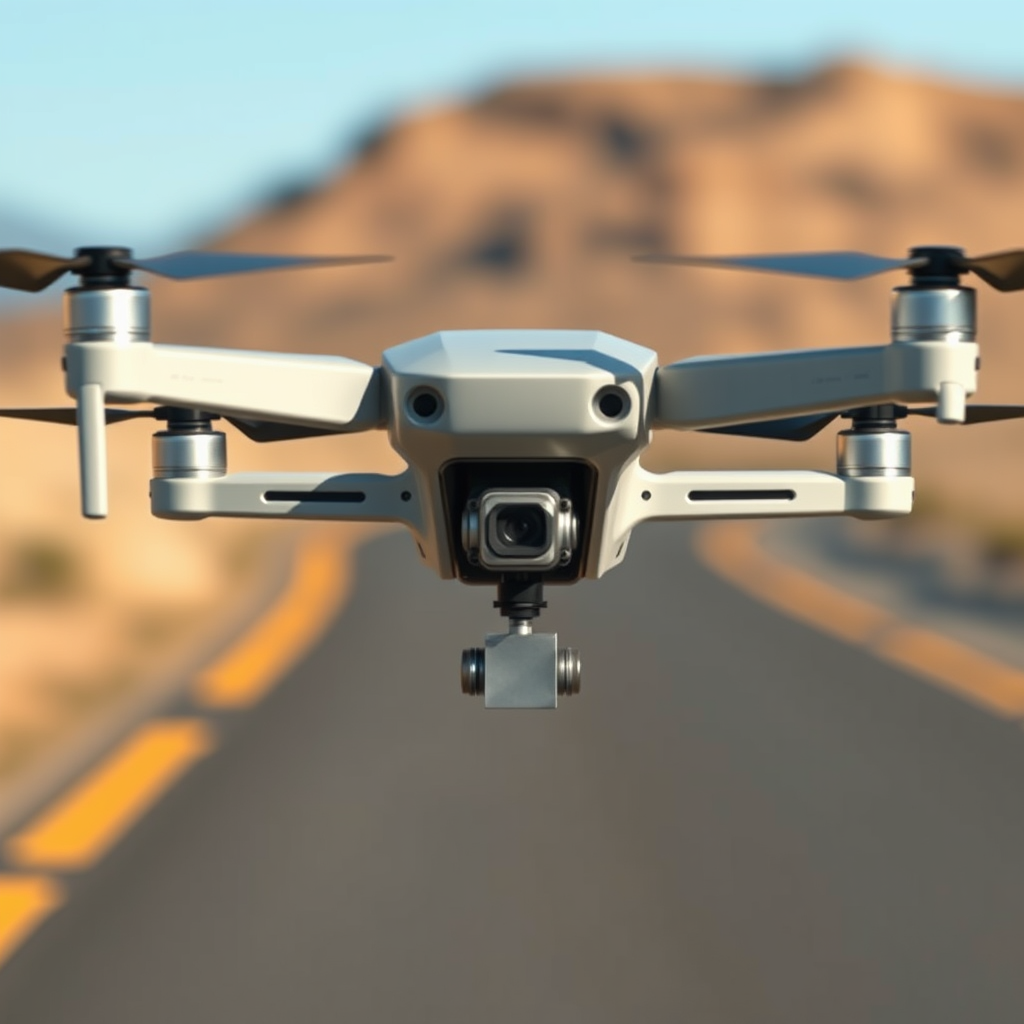
The Phantom series by DJI has established itself as a benchmark in the consumer drone market, known for its reliability and advanced features. Models such as the Phantom 3, 4, and the latest Phantom 4 Pro boast specifications that cater to both amateurs and professionals. The Phantom drones are equipped with high-quality cameras, gimbal stabilization, and intelligent flight modes, making them suitable for diverse applications like aerial photography, mapping, and inspections.
One of the key features that enhance performance and payload capability is the drone’s aerodynamic design, which minimizes drag and improves stability during flight. Additionally, the incorporation of advanced materials such as carbon fiber and high-strength plastics ensures that the drone is lightweight yet robust enough to support substantial payloads. The combination of these specifications and features allows users to harness the full potential of their Phantom drones while maintaining optimal performance.
Factors Affecting Payload Capacity
Payload capacity is influenced by several factors that must be considered to achieve the best results with a Phantom drone. One of the primary considerations is battery weight. As the battery is a significant component of the drone, its weight directly impacts the total load that can be carried. Heavier batteries provide longer flight times but reduce the payload capacity, while lighter batteries may compromise flight duration.
Another critical factor is the design and materials used in drone construction. The Phantom series utilizes a lightweight frame that ensures stability while accommodating various payloads. However, the choice of materials can affect the overall durability and performance of the drone. For instance, high-strength materials like carbon fiber can provide enhanced resilience without adding excessive weight, thereby allowing for heavier payloads without compromising flight integrity.
Recommended Payloads for Optimal Performance
To ensure optimal performance, it is essential to adhere to recommended payload limits specific to each Phantom model. For example, the Phantom 4 Pro is designed to carry payloads comfortably within the 0.5 kg to 2.5 kg range, allowing for high-quality camera setups and additional sensors. However, exceeding this limit can lead to decreased flight stability and increased battery consumption, affecting overall flight time.
For various applications, it is advisable to choose equipment that aligns with the drone’s capabilities. For instance, when using the Phantom for aerial photography, a lightweight camera such as the GoPro HERO series can be an excellent choice. Conversely, for agricultural applications, opting for specialized sensors designed for crop monitoring can enhance the drone’s functionality while remaining within the weight limits.
Safety Considerations When Carrying Weight
When carrying additional weight, ensuring safety becomes paramount. One of the most critical aspects is maintaining balance and appropriate weight distribution. An uneven load can lead to unstable flight, increasing the risk of crashes. Pilots should always check the drone’s center of gravity and adjust payload placement accordingly to ensure stable flight characteristics.
Moreover, legal regulations regarding drone payloads vary by region, and it is essential for operators to familiarize themselves with local laws. In the United States, for example, the Federal Aviation Administration (FAA) has explicit guidelines concerning the maximum weight a drone can carry for commercial purposes. Compliance with these regulations not only ensures safe operation but also avoids potential penalties.
Real-world Applications of Phantom Drones
The versatility of Phantom drones has led to their widespread adoption across various industries. In photography and videography, the high-resolution cameras coupled with stabilized gimbals enable professional-grade imagery and smooth video capture from unique perspectives. This capability has made Phantom drones a favorite among filmmakers and content creators.
Beyond the creative industry, Phantom drones find applications in agriculture, inspection, and surveying. For agricultural purposes, drones equipped with multispectral cameras can assess crop health, analyze soil conditions, and optimize resource management. Similarly, in inspection tasks, drones can traverse hard-to-reach areas, providing real-time data for infrastructure assessments, whether it be for wind turbines, power lines, or bridges.
Tips for Maximizing Payload Efficiency
To maximize payload efficiency, operators should adopt several strategies. First, reducing unnecessary weight while maintaining functionality is crucial. This can be achieved by selecting lightweight attachments and accessories that do not compromise performance. For example, using compact camera models with high-quality output can help stay within the weight limits.
Additionally, choosing the right equipment for specific tasks is essential. Operators should carefully evaluate the payload they intend to carry and ensure that it aligns with the drone’s capabilities. Conducting thorough pre-flight checks and simulations can help identify potential issues before actual flights, thereby ensuring that operations run smoothly and safely.
In conclusion, understanding the weight capacity of a Phantom drone is crucial for effective and safe operation. By considering the factors affecting payload, users can optimize their drone usage for various applications. Whether for hobby or professional use, adhering to weight limits ensures better performance and compliance with regulations. With the right knowledge and practices, users can harness the full potential of Phantom drones across a myriad of applications, paving the way for innovation and excellence in aerial technology.
Frequently Asked Questions
What is the maximum payload capacity of a Phantom drone?
The maximum payload capacity of a Phantom drone, specifically the DJI Phantom 4, is approximately 1 kilogram (2.2 pounds). This weight limit includes any additional equipment, such as cameras or sensors. Understanding this limit is crucial for users who plan to attach accessories for aerial photography or surveying, as exceeding this weight can affect flight performance and stability.
How can I determine if my payload is within the weight limit for a Phantom drone?
To determine if your payload is within the weight limit for a Phantom drone, first, weigh any additional equipment you plan to attach, including batteries and mounts. Then, add this weight to the drone’s original weight, which is around 1.38 kilograms (3.04 pounds) for the Phantom 4. Ensure that the total weight does not exceed the drone’s maximum payload capacity of 1 kilogram to maintain optimal flight performance.
Why is it important to adhere to the weight limits of a Phantom drone?
Adhering to the weight limits of a Phantom drone is vital for maintaining safe and stable flight operations. Exceeding the maximum payload can lead to reduced battery life, decreased flight time, and potential loss of control during maneuvers. Additionally, overloading the drone may cause excessive wear on motors and other components, leading to potential malfunctions or crashes.
What are the best practices for carrying extra weight with a Phantom drone?
The best practices for carrying extra weight with a Phantom drone include carefully calculating the total weight of the drone and its payload to ensure it remains under the maximum limit. It’s also advisable to distribute the weight evenly to maintain balance and stability during flight. Furthermore, conduct test flights under controlled conditions to assess how the added weight affects flight performance before undertaking important missions.
Which accessories can I attach to a Phantom drone without exceeding its weight limit?
Accessories that can typically be attached to a Phantom drone without exceeding its weight limit include lightweight cameras, gimbals, and small sensors designed for aerial mapping or inspections. For instance, a GoPro camera or a compact thermal sensor often fits within the weight limit. Always check the individual weight of each accessory and ensure the total combined weight stays below the 1-kilogram threshold for safe operation.
References
- https://en.wikipedia.org/wiki/Phantom_(drone
- https://www.faa.gov/uas/
- https://www.researchgate.net/publication/327701432_Analysis_of_the_payload_capacity_of_a_quadcopter_drone
- https://www.nasa.gov/mission_pages/无人机/index.html
- https://www.sciencedirect.com/science/article/pii/S2351978919303635
- https://www.dji.com/phantom-4-pro/info#specs
- https://www.bbc.com/news/technology-46315418
