

Amazon drones are designed to carry packages weighing up to 5 pounds, making them well-suited for delivering a variety of consumer goods. This innovative delivery system not only streamlines logistics but also enhances customer satisfaction by ensuring quicker service. As the e-commerce giant continues to refine its drone technology, it is essential to understand the specifics of their capabilities, the types of packages they can carry, and the implications of their use in the broader context of delivery services.
Overview of Amazon Drone Specifications
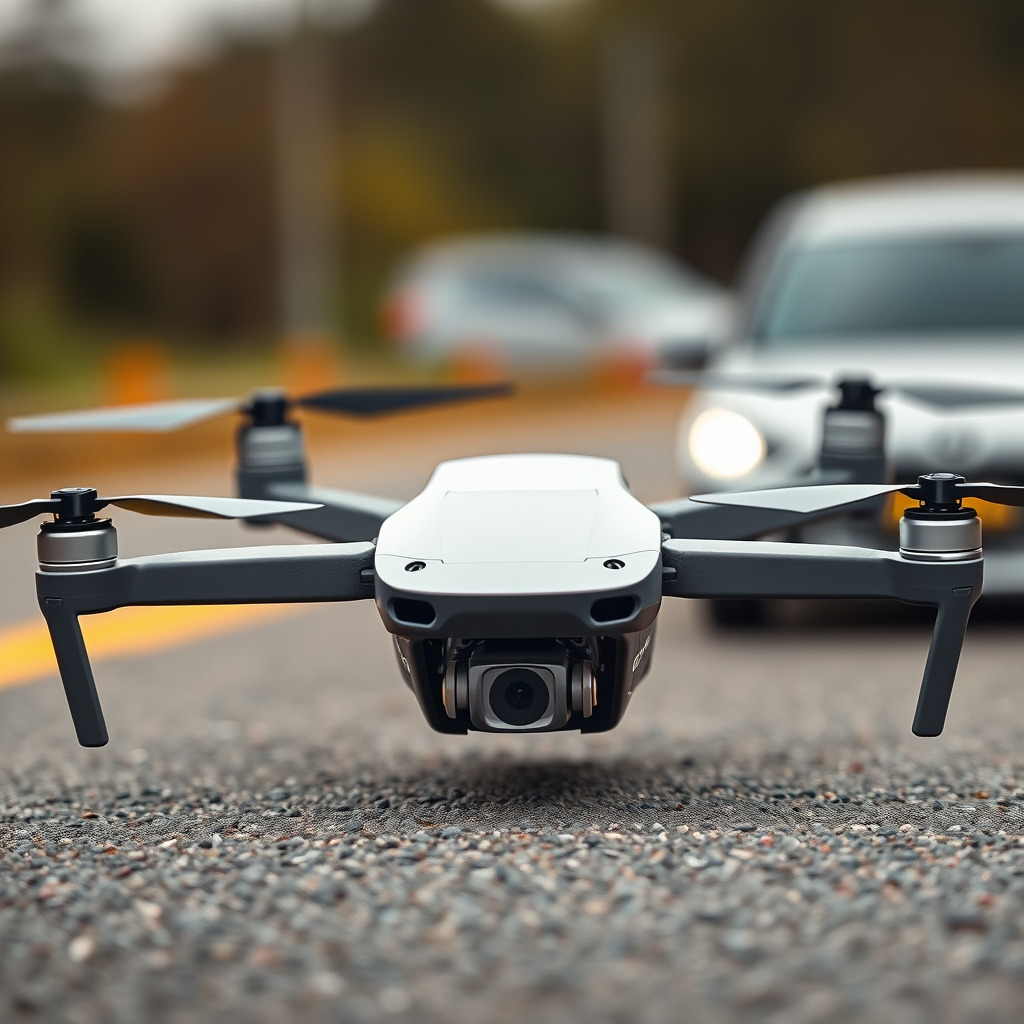
Amazon drones are primarily built for lightweight deliveries. The engineering behind these drones emphasizes efficiency, speed, and safety, aligning with Amazon’s commitment to fast package delivery. The maximum payload capacity is generally around 5 pounds, which allows for the transportation of a wide array of products, from small electronics to essential household items. This weight limit is a crucial factor in the design and operational planning of Amazon’s drone fleet, ensuring that the drones can maintain optimal flight performance while adhering to safety regulations.
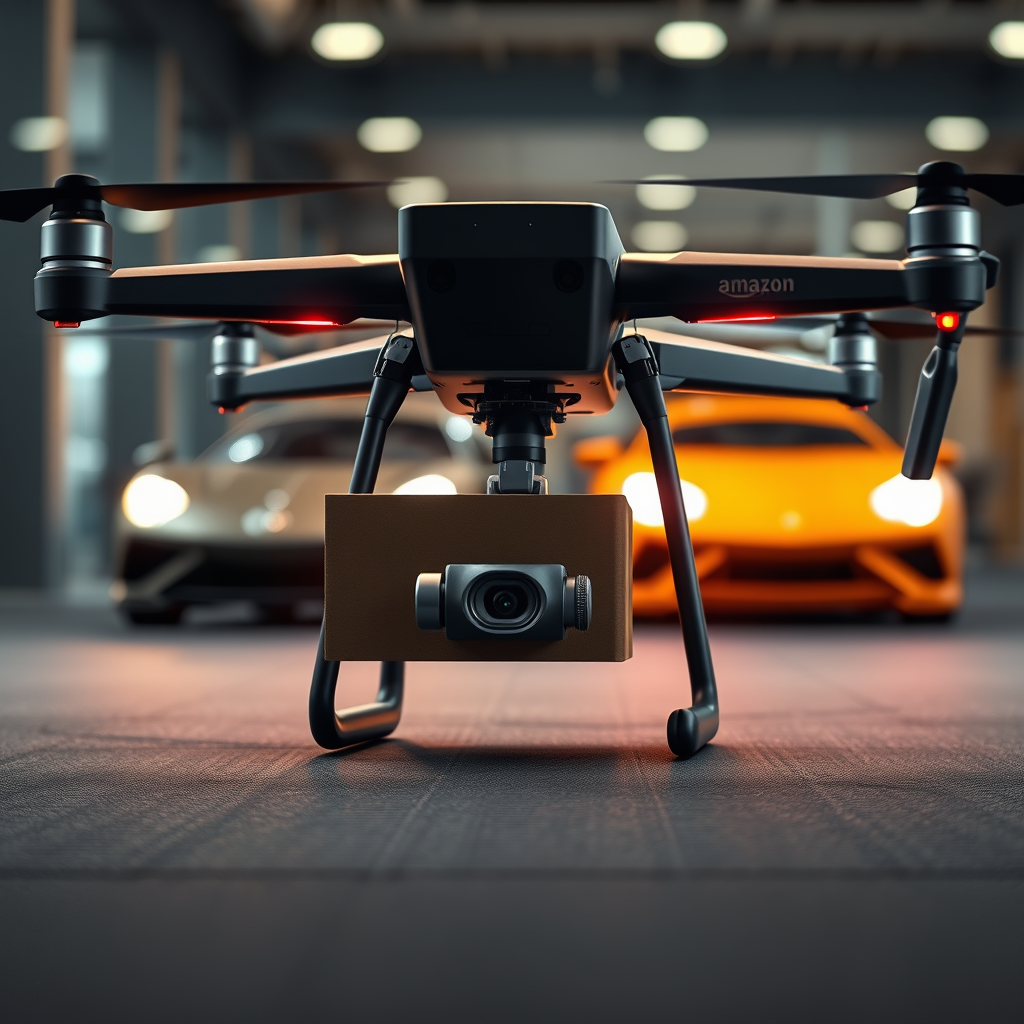
The drones are equipped with advanced propulsion systems and aerodynamic designs, allowing them to navigate urban environments effectively. They feature multiple rotors that provide stability and maneuverability, crucial for making precise deliveries in complex surroundings. The emphasis on lightweight construction materials also contributes to their ability to carry the maximum payload while maintaining efficiency.
Types of Packages Suitable for Drone Delivery
Common items suitable for Amazon drone delivery include books, small electronics, health and beauty products, and various household goods. These items typically fall within the weight limit and can be packaged compactly, making them ideal candidates for drone transport. For instance, a small tablet, a set of personal care items, or even a few paperback novels can easily be delivered by these drones, offering customers a quick and convenient shopping experience.
However, there are certain limitations to consider. Drones are less suitable for larger or heavier items like furniture or appliances, which exceed the weight capacity and require more robust handling methods. Additionally, fragile items that require careful handling may not be ideal for drone delivery due to the potential for jostling during transit. Understanding these limitations is essential for both consumers and retailers as they consider the viability of drone delivery for their products.
The Technology Behind Amazon Drones
Amazon drones utilize advanced navigation systems for efficient delivery, which include GPS technology and sophisticated flight planning algorithms. These systems allow the drones to determine the most efficient routes for their deliveries, reducing both travel time and energy consumption. Furthermore, the drones are equipped with various sensors, including cameras and ultrasonic devices, to avoid obstacles in their flight paths, ensuring safe navigation through urban environments.
The integration of artificial intelligence (AI) plays a significant role in enhancing the operational efficiency of these drones. AI algorithms are used for real-time decision-making, enabling the drones to adapt to changing environmental conditions or unexpected obstacles. This capability is paramount for ensuring that deliveries are completed safely and on time, even in complex urban landscapes.
Regulatory Considerations for Drone Delivery
Compliance with Federal Aviation Administration (FAA) regulations is crucial for operational approval of drone deliveries. Amazon must navigate a complex regulatory landscape that governs the use of airspace and the operation of unmanned aerial vehicles (UAVs). These regulations include restrictions on flight altitudes, no-fly zones, and guidelines for remote piloting.
Moreover, drones must adhere to specific airspace restrictions and safety guidelines to minimize risks to other aircraft and the public. These rules ensure that drone operations do not interfere with manned aircraft and that public safety is prioritized. As the regulatory environment evolves to accommodate drone technology, companies like Amazon are actively engaged in discussions with regulators to shape policies that facilitate safe and efficient drone delivery services.
Potential Expansion of Payload Capacity
Research and development may lead to increased carrying capacity in the future. As technology progresses, innovations in battery life, materials, and drone design could enhance operational capabilities. For example, advancements in lightweight composite materials may enable the construction of drones that can support additional weight without compromising flight performance.
Furthermore, improvements in battery technology, such as the development of high-energy-density batteries, could extend flight times and allow drones to carry heavier payloads over longer distances. As Amazon continues to invest in R&D, the potential for increasing the payload capacity of its drones will likely be a focal point, allowing for a broader range of products to be delivered via drone.
Challenges Facing Drone Delivery
Despite the advancements in drone technology, several challenges impact the reliability and effectiveness of drone delivery systems. Weather conditions can significantly affect delivery reliability, as adverse weather such as heavy rain, snow, or high winds can hinder drone operations. Companies must develop protocols to suspend operations during inclement weather while ensuring customer expectations are managed accordingly.
Additionally, public perception and acceptance of drones are ongoing considerations. While many consumers appreciate the convenience of drone deliveries, concerns about noise, privacy, and safety remain prevalent. Building public trust through education and transparent communication about the safety measures in place is essential for the successful implementation of drone delivery services.
The Future of Amazon Drone Deliveries
The future of Amazon drone deliveries looks promising, with increased automation and AI integration likely to change the delivery landscape. As drone technology matures, we can expect to see enhancements in navigation systems and operational efficiencies, allowing for more complex deliveries in urban environments.
Moreover, expansion into new markets and product types is expected as technology evolves. The potential to deliver medical supplies, for instance, could open new avenues for drone usage, particularly in rural or underserved areas where traditional delivery methods may be less efficient. As logistics and e-commerce continue to adapt to consumer demands, Amazon’s drone delivery service is poised to be a significant player in the future of retail logistics.
In conclusion, Amazon drones currently have a payload capacity of up to 5 pounds, making them suitable for a wide range of everyday items. Their advanced technology and adherence to regulatory standards position them as a transformative force in the delivery landscape. As technology and regulations evolve, we may see further enhancements in drone capabilities and their role in modern delivery systems. Staying informed about these developments will be crucial for consumers and businesses alike as they navigate the future of delivery solutions.
Frequently Asked Questions
What is the maximum weight an Amazon drone can carry?
Amazon drones, specifically those designed for Prime Air delivery, are engineered to carry packages weighing up to 5 pounds (approximately 2.3 kg). This weight limit allows for the efficient delivery of various items, from small electronics to household essentials, ensuring that the drone can operate safely and effectively while adhering to regulatory standards.
How do Amazon drones determine the weight of a package before delivery?
Amazon drones use advanced sensors and onboard systems to assess the weight of a package prior to takeoff. These systems can calculate the weight accurately by measuring the package dimensions and utilizing load cells. This ensures that the drone does not exceed its carrying capacity, maintaining safety and efficiency during the delivery process.
Why does Amazon limit the weight that their drones can carry?
Amazon limits the weight that their drones can carry primarily for safety and regulatory compliance. Heavier packages can affect the drone’s flight stability and battery life, increasing the risk of accidents. Additionally, adhering to weight limits is crucial for meeting aviation regulations, which are designed to ensure safe airspace management and minimize risks to other aircraft.
What types of items can be delivered by Amazon drones within the weight limit?
Within the 5-pound weight limit, Amazon drones can deliver a wide variety of items, including small electronics, books, personal care products, and even some grocery items. The selection is focused on lightweight products that customers frequently order online, allowing for quick and convenient deliveries to enhance the shopping experience.
Which factors influence the delivery range and weight capacity of Amazon drones?
The delivery range and weight capacity of Amazon drones are influenced by several factors, including battery life, weather conditions, and drone design. For instance, adverse weather such as strong winds or rain can limit flight capabilities, while the drone’s aerodynamic design and battery efficiency affect how far it can travel while carrying a specific weight. These considerations are crucial for optimizing delivery operations and ensuring safe transport of packages.
References
- https://en.wikipedia.org/wiki/Drone_delivery
- https://www.reuters.com/article/us-amazon-com-delivery-idUSKBN2A92Y
- https://www.bbc.com/news/technology-57122200
- https://www.sciencedirect.com/science/article/abs/pii/S0968090X21000216
- https://www.govinfo.gov/content/pkg/CREC-2020-01-28/pdf/CREC-2020-01-28-pt1-PgE77-2.pdf
- https://www.nytimes.com/2020/06/01/technology/amazon-drone-delivery.html
- https://www.techcrunch.com/2021/12/09/amazon-launches-drone-delivery-service-in-the-us/
