

Most drones can safely fly in winds of up to 15-25 mph, depending on their design and size. However, the ability to fly in windy conditions is influenced by several factors, including the type of drone, its weight, and its intended use. Understanding these variables can help drone operators make informed decisions about flying in varying wind conditions, ensuring safety and optimal performance.
Understanding Drone Specifications
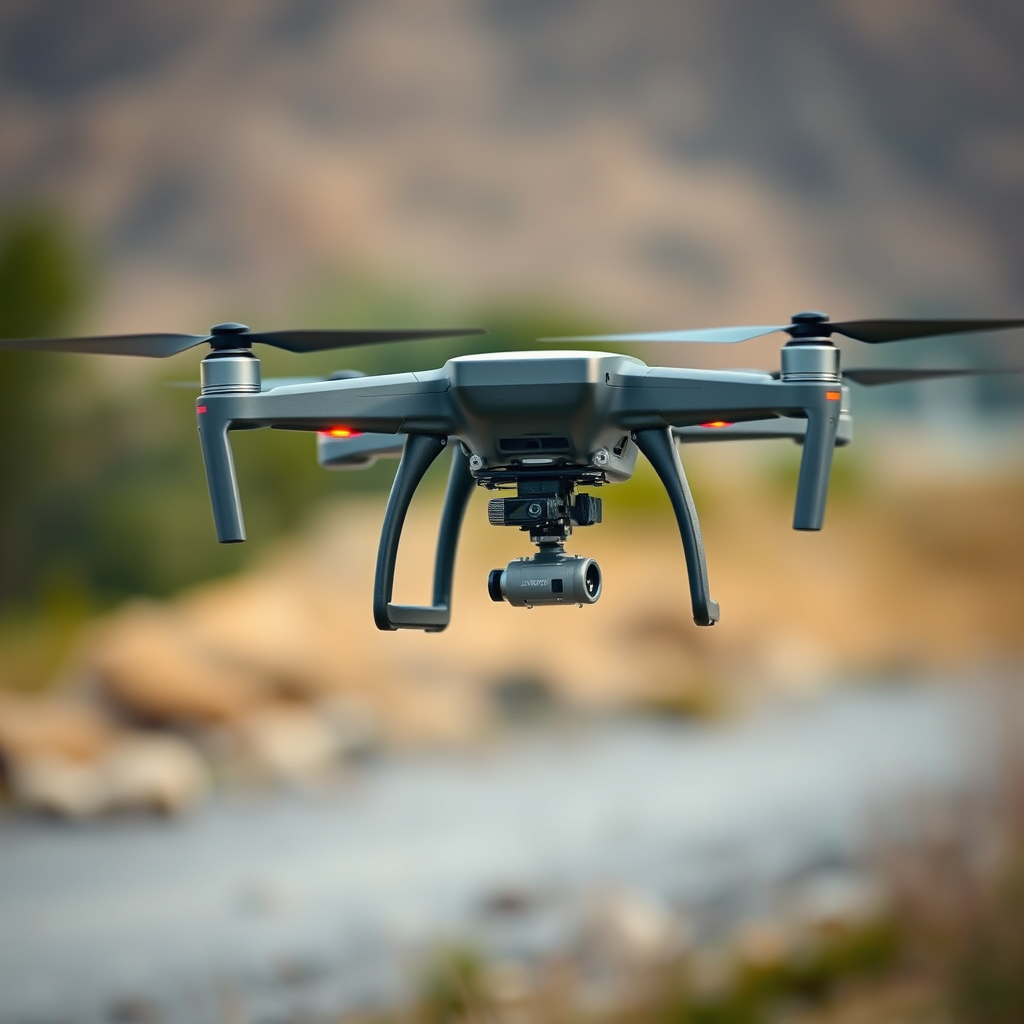
Different types of drones are engineered for specific purposes, and this specialization directly affects their wind tolerance. Consumer drones, designed for casual use and aerial photography, typically have a lower wind resistance threshold. For instance, popular models like the DJI Mavic Air are often recommended for winds under 15 mph for optimal stability and control.
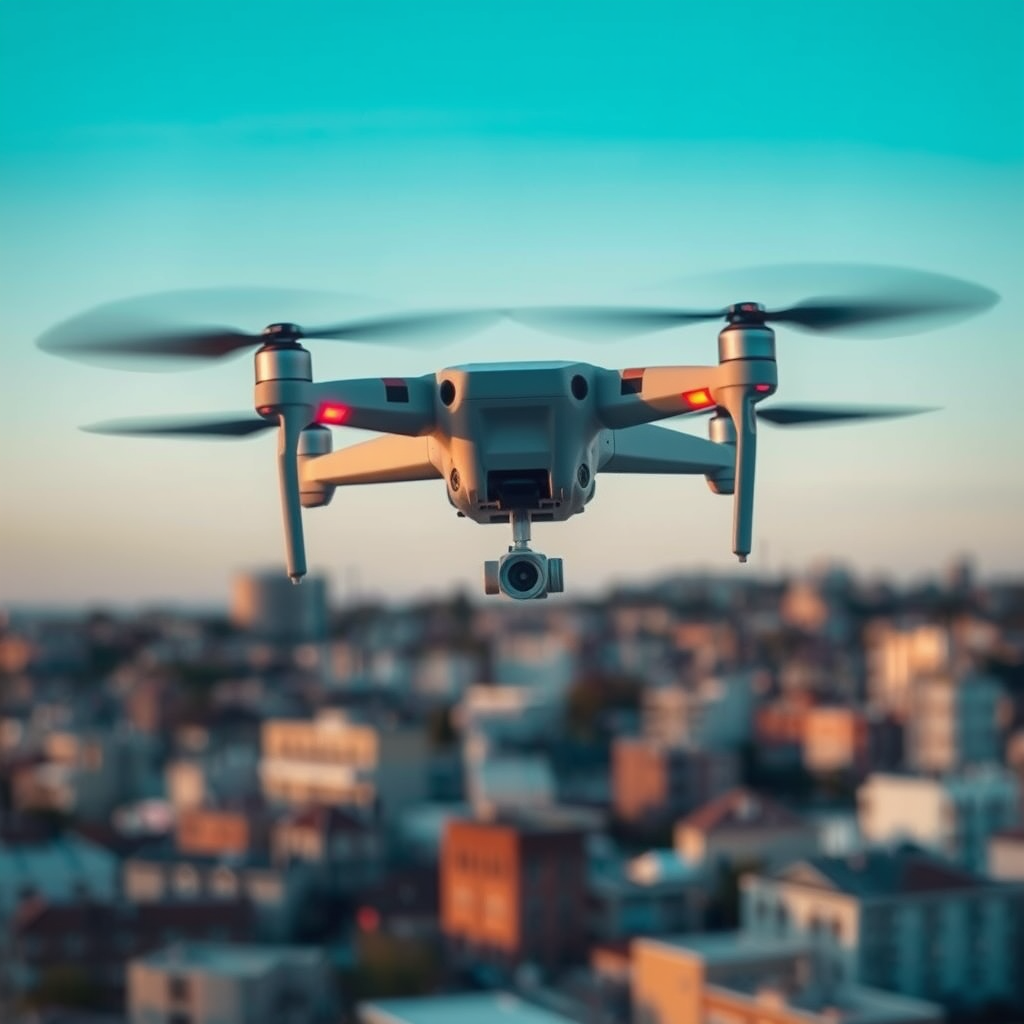
Conversely, professional drones, which are utilized in commercial applications such as surveying, agriculture, or cinematography, are built with more robust designs and components that enhance their ability to withstand stronger winds. Racing drones, engineered for speed and agility, often feature lightweight materials and a design that minimizes drag, allowing them to handle gusts more effectively than their consumer counterparts. Understanding the specifications of your drone, including its intended use and build quality, is essential for assessing its wind tolerance.
Factors Affecting Wind Tolerance
Several key factors influence how well a drone can perform in windy conditions.
– Weight: The weight of a drone plays a significant role in its stability during flight. Heavier drones generally have better inertia, which allows them to resist being pushed off course by wind gusts. For example, a heavier professional drone like the DJI Matrice 300 can handle wind speeds up to 25 mph due to its considerable weight and powerful motors. In contrast, lightweight toy drones can struggle in even moderate breezes.
– Design: The design and aerodynamics of a drone significantly impact its ability to handle wind. Drones with a sleek, aerodynamic design experience less drag, allowing them to maneuver more effectively in changing wind conditions. For instance, racing drones often feature a low-profile design that minimizes wind resistance, enabling them to navigate through gusts better than bulkier models. Conversely, drones with a flat or broad surface area may catch the wind more easily, leading to instability.
Recommended Wind Speeds for Different Drones
Understanding the specific wind speed tolerances for various types of drones is crucial for safe flying.
– Toy Drones: These lightweight units are ideal for indoor use or calm outdoor conditions. It is best to operate them in light winds of under 10 mph to avoid potential crashes.
– Hobbyist Drones: Drones designed for hobbyists can typically handle winds ranging from 10 to 20 mph. Models like the DJI Phantom series exemplify drones that balance portability with moderate wind resistance, allowing enthusiasts to capture stable footage in varying conditions.
– Professional Drones: Higher-end models, such as the DJI Inspire 2 or the Autel Robotics EVO Lite, are engineered to withstand winds of up to 25 mph or more. These drones are equipped with advanced stabilization technology that helps maintain flight stability even in challenging conditions.
Impact of Wind on Flight Performance
Wind conditions can considerably impact a drone’s flight performance. Wind gusts can create turbulence, leading to instability and difficulty in maintaining control during flight. This instability can be particularly pronounced during critical maneuvers, such as takeoff and landing, where precise control is paramount.
Moreover, flying against strong winds can lead to increased battery consumption, as the drone’s motors must work harder to counteract the force of the wind. This can reduce overall flight time and affect the drone’s ability to safely return to its launch point. For instance, a drone with a nominal flight time of 30 minutes may only achieve 20-25 minutes of effective flying time in high winds, which can be a critical factor for operators relying on precise timing and battery management.
Safety Tips for Flying in Windy Conditions
To ensure safe operations while flying in windy conditions, drone operators should adhere to several essential safety tips:
– Always Check Local Weather Conditions: Before heading out, check local weather forecasts for wind speeds and gusts. Online tools and apps can provide real-time updates that help assess whether conditions are safe for flying.
– Perform Pre-Flight Checks: Inspect the drone to ensure that it is in good working order. Check propellers for damage, verify battery levels, and ensure that firmware is up to date. A well-maintained drone is more likely to handle adverse conditions effectively.
– Be Mindful of Surroundings: Recognize that nearby structures, trees, and hills can create unpredictable wind patterns. Flying in areas with natural wind shields may help mitigate some of the effects of strong winds.
– Consider Flight Modes: Some drones offer different flight modes that can help in windy conditions. For instance, GPS mode may provide better stability than manual mode, allowing the drone to adjust its position automatically against wind gusts.
When to Avoid Flying
Despite the capabilities of many drones, there are times when flying should be avoided altogether.
– Avoid Gusty or Unpredictable Wind Conditions: If winds are gusty or shifting direction rapidly, it is wise to stay grounded. These conditions can lead to dangerous flying situations, significantly increasing the risk of losing control.
– Exceeding Recommended Wind Thresholds: Always adhere to the manufacturer’s guidelines regarding wind limits. If winds exceed the recommended thresholds for your specific drone, it is best to postpone your flight until conditions improve.
In conclusion, knowing how much wind your drone can handle is crucial for safe flying. By considering the type of drone, its weight, and the environmental conditions, operators can ensure successful flights while minimizing risks. Always prioritize safety, stay informed about your drone’s capabilities, and make well-informed decisions to enhance your flying experience. With this knowledge, you can confidently navigate varying wind conditions and maximize the potential of your drone.
Frequently Asked Questions
What is the maximum wind speed a drone can safely fly in?
The maximum wind speed for safe drone operation typically ranges from 15 to 25 mph (24 to 40 km/h), depending on the drone model and its design. High-end drones may handle winds up to 30 mph (48 km/h) or more, while smaller consumer drones are often limited to lower wind speeds. Always check the manufacturer’s guidelines for specific wind speed ratings to ensure safe flying conditions.
How does wind affect drone stability and flight performance?
Wind can significantly impact a drone’s stability and flight performance by causing it to drift or lose altitude. Strong gusts can lead to erratic movements, making it challenging to control the drone. Additionally, wind can affect battery life, as the drone may use more power to maintain its position against the wind, reducing overall flight time.
Why is it important to consider wind conditions before flying a drone?
Considering wind conditions before flying a drone is essential for safety and successful operation. High winds can lead to loss of control, potential crashes, and damage to the drone. Furthermore, understanding wind patterns can help drone pilots capture better-quality footage and images, as stable flying conditions contribute to clearer aerial photography.
What should I do if I encounter unexpected wind while flying my drone?
If you encounter unexpected wind while flying your drone, it’s crucial to remain calm and assess the situation. Reduce your altitude to minimize the impact of the wind and bring the drone back to a safe location if possible. If the winds are too strong, consider landing immediately to prevent damage or loss of control.
Which drones are best for flying in windy conditions?
Drones designed for windy conditions often have features like larger frames, heavier weights, and advanced stabilization systems. Models such as the DJI Matrice series or the Phantom 4 RTK are known for their ability to withstand higher wind speeds. When choosing a drone for windy conditions, look for specifications that include wind resistance ratings and stability features to ensure safe operation.
References
- https://en.wikipedia.org/wiki/Drone#Flight_characteristics
- https://www.faa.gov/uas/getting_started/part_107/
- https://www.nasa.gov/centers/dryden/pdf/88501.pdf
- https://www.abc.net.au/news/2019-07-04/drones-in-the-wind-how-wind-affects-flight/11276212
- https://www.researchgate.net/publication/329175773_Aerodynamic_Analysis_of_a_Drone_in_Wind
- https://www.sciencedirect.com/science/article/pii/S2351978917301984
- https://www.cnbc.com/2020/07/20/how-wind-affects-drone-flight.html
