

Solar-powered drones are revolutionizing long-range missions by significantly extending flight times and reducing operational costs. These advanced aerial vehicles utilize renewable energy, enabling prolonged surveillance, efficient delivery services, and enhanced reconnaissance capabilities while minimizing their ecological footprint. In this article, we will delve into the myriad ways solar technology is enhancing drone performance across various sectors, highlighting its transformative impact on industries ranging from humanitarian aid to military applications.
The Benefits of Solar Power in Drones
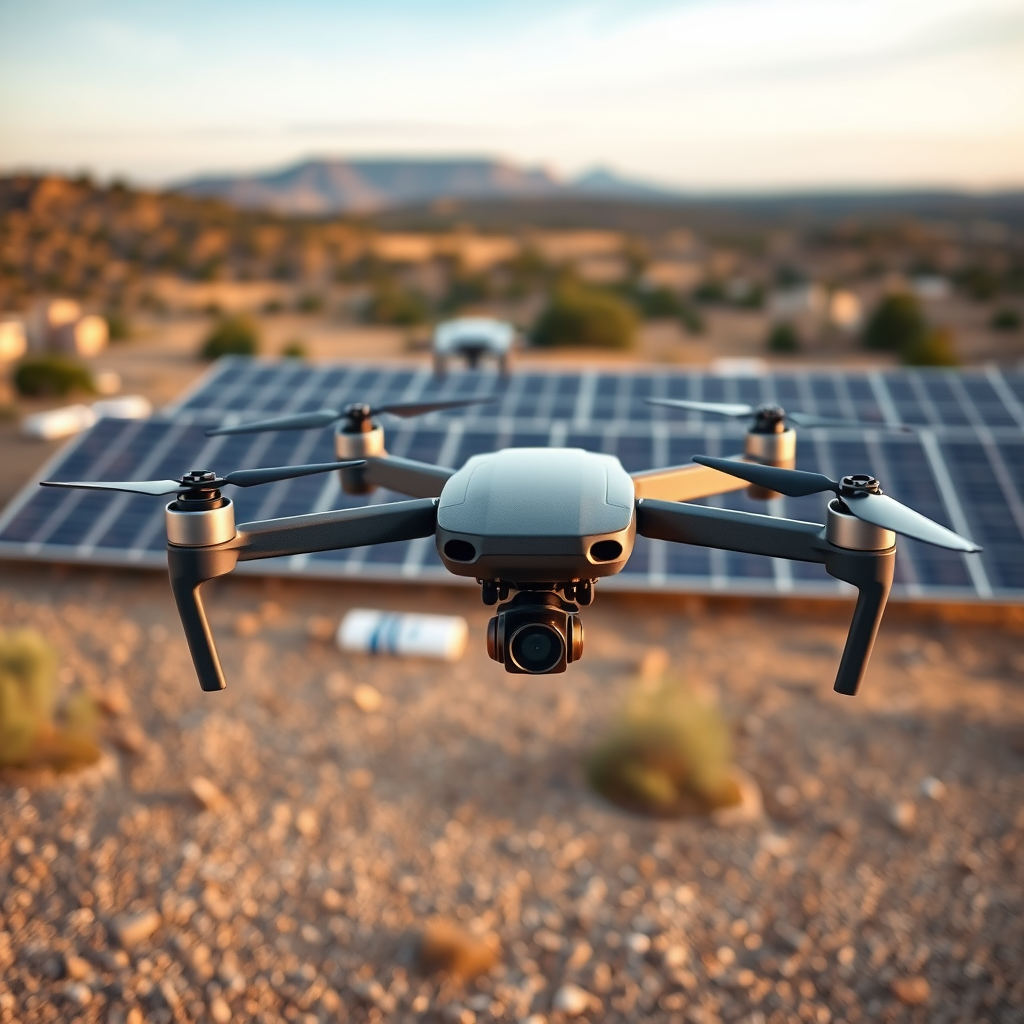
One of the most significant advantages of solar power in drones is the ability to achieve longer flight durations without the frequent need for recharging. Traditional drones, which rely on battery power, often face limitations in flight time due to energy constraints. In contrast, solar-powered drones can harness sunlight to supplement or even replace conventional battery power, thereby extending their operational range. For instance, the Solar Impulse 2, an aircraft designed for long flights using solar energy, has demonstrated how solar technology can vastly increase flight duration, paving the way for similar advancements in drone technology.
Additionally, solar-powered drones contribute to reduced dependence on fossil fuels, leading to lower operational costs. By utilizing renewable energy, organizations can save significantly on fuel expenses while also benefiting from government incentives for green technology adoption. This economic efficiency is particularly advantageous for industries that rely on extensive aerial surveillance, such as agriculture and telecommunications, where drones can operate longer and at a fraction of the cost compared to their fossil-fueled counterparts.
Enhancing Surveillance Capabilities
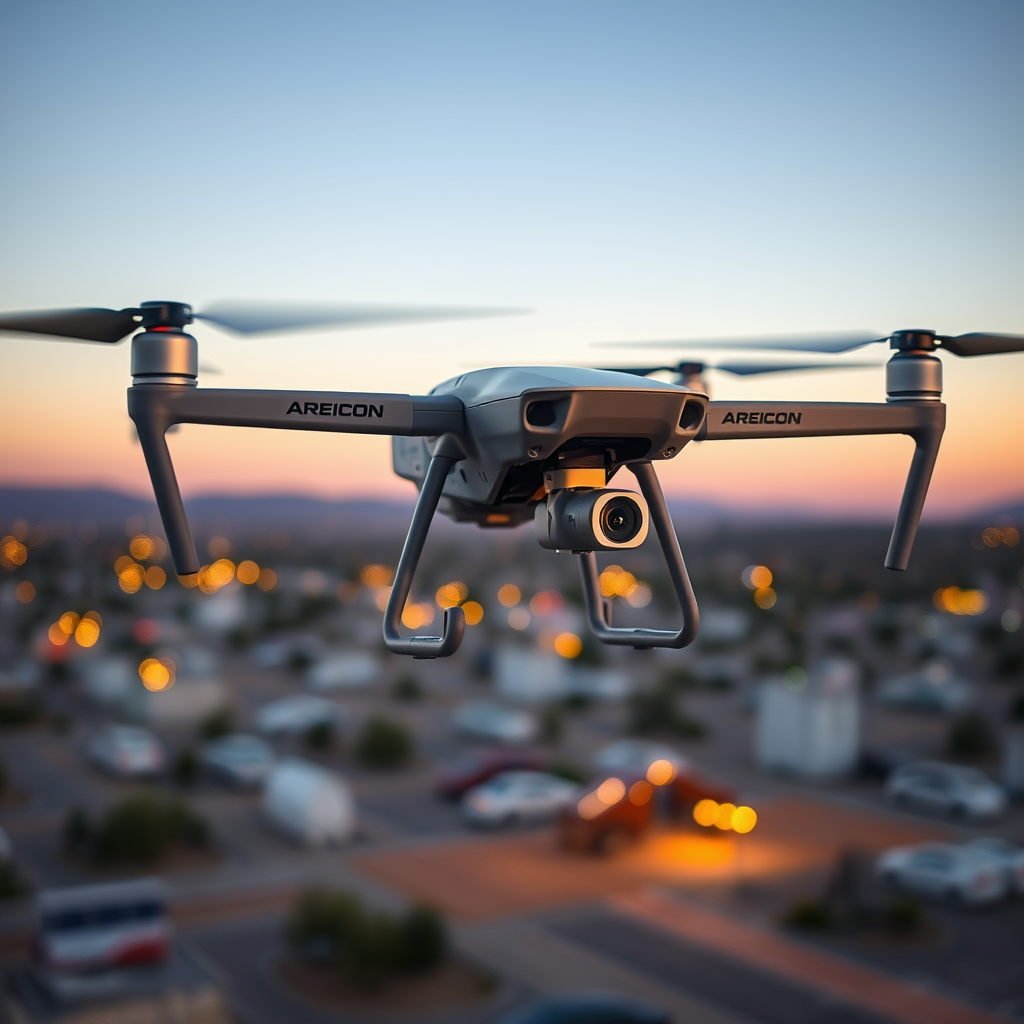
Solar-powered drones are uniquely positioned to enhance surveillance capabilities due to their ability to cover vast areas for extended periods. For example, in environmental monitoring, these drones can be deployed to observe wildlife migration patterns or track changes in landscapes caused by climate change. Their extended flight times allow for continuous monitoring without interruption, providing data that can be crucial for conservation efforts and disaster management.
Furthermore, the combination of solar technology with high-resolution cameras and sensors enables these drones to collect detailed imagery and data over protracted periods. This capability is invaluable for law enforcement and security agencies that require constant surveillance of large areas, such as borders or critical infrastructure. Solar-powered drones can operate in remote or challenging environments where ground access is limited, ensuring that oversight remains consistent and comprehensive.
Applications in Humanitarian Efforts
In the realm of humanitarian efforts, solar-powered drones are making significant strides, especially in disaster response. During natural disasters, such as hurricanes or earthquakes, traditional logistics can become severely disrupted. Drones equipped with solar panels can efficiently deliver supplies, such as food, water, and medical aid, to remote or inaccessible areas. For instance, organizations like the World Food Programme have employed drones in regions impacted by crises to ensure timely delivery of aid.
Moreover, solar-powered drones facilitate real-time data collection, which is crucial for humanitarian organizations. By leveraging advanced sensors and imaging technology, these drones can assess damage, identify affected populations, and even monitor disease outbreaks. This information allows organizations to respond more swiftly and effectively, ultimately saving lives and resources.
Military and Defense Innovations
In the military and defense sectors, solar-powered drones are enhancing reconnaissance missions while reducing logistical needs. Traditional military operations rely heavily on fuel-based aircraft and ground vehicles, which can be costly and complex to maintain. Solar-powered drones, however, can be deployed for intelligence gathering over long distances without the risk to human life, making them an invaluable tool for modern warfare.
A notable example is the use of solar-powered drones for surveillance in conflict zones, where they can remain airborne for extended periods, providing real-time intelligence to ground troops. This capability not only enhances the effectiveness of military operations but also reduces the environmental impact of military activities, aligning with the growing emphasis on sustainable practices within defense operations.
Challenges and Limitations
Despite their numerous advantages, solar-powered drones do face certain challenges and limitations. One of the primary concerns is their dependency on weather conditions, as solar efficiency can be significantly affected by cloud cover, rain, or other adverse weather phenomena. This variability can hinder operational reliability in regions with unpredictable weather patterns, necessitating complementary power sources in some cases.
Additionally, the initial investment costs for integrating solar technology into drone systems may be higher than traditional drones. While the long-term savings on fuel and operational costs can offset this initial expense, organizations must weigh the upfront investment against potential long-term benefits. Education and awareness about the advantages of solar technology in drones will be critical in encouraging wider adoption across various industries.
Future of Solar-Powered Drones
The future of solar-powered drones looks promising, with ongoing advancements in solar technology likely to lead to even longer flight times and better performance. Innovations in lightweight solar panels, energy storage solutions, and battery efficiency are paving the way for the next generation of drones, which could operate virtually autonomously for extended periods.
Moreover, the potential integration of artificial intelligence (AI) into solar-powered drone systems could further enhance their capabilities. AI can improve navigation, mission planning, and data analysis, allowing drones to operate more effectively and adaptively in various environments. This convergence of solar technology and AI will likely open new avenues for applications across multiple sectors, including agriculture, logistics, and environmental monitoring.
In conclusion, solar-powered drones are paving the way for a more sustainable future in long-range missions, offering both efficiency and environmental benefits. Their ability to extend flight times while reducing operational costs makes them increasingly attractive across various industries. As technology continues to evolve, we can expect further advancements that will enhance their capabilities and applications. Staying informed about these innovations will be essential for professionals looking to leverage the benefits of solar-powered drones in their respective fields.
Frequently Asked Questions
What are the advantages of using solar-powered drones for long-range missions?
Solar-powered drones offer numerous advantages for long-range missions, primarily due to their extended flight times and reduced operational costs. By harnessing solar energy, these drones can remain airborne for hours or even days without the need for frequent recharging, making them ideal for tasks such as surveillance, environmental monitoring, and search and rescue operations. Additionally, the use of renewable energy contributes to a lower carbon footprint, aligning with sustainability goals.
How do solar-powered drones achieve energy efficiency during long missions?
Solar-powered drones achieve energy efficiency by utilizing photovoltaic panels that convert sunlight into electrical energy, which charges the onboard batteries. This system allows drones to operate autonomously over long distances without depleting their energy reserves quickly. Additionally, advanced design features like lightweight materials and aerodynamic shapes contribute to less energy consumption, optimizing their flight capabilities in various weather conditions.
Why are solar-powered drones considered a game-changer for military applications?
Solar-powered drones are considered a game-changer for military applications due to their ability to conduct long-duration reconnaissance missions without the need for constant fuel resupply. This capability enhances operational flexibility and reduces logistical burdens, allowing military forces to gather intelligence over vast areas with minimal human intervention. Furthermore, their silent operation and low infrared signature make them less detectable, providing a tactical advantage in sensitive operations.
Which industries are benefiting from solar-powered drone technology for long-range applications?
Several industries are reaping the benefits of solar-powered drone technology, including agriculture, environmental monitoring, disaster response, and telecommunications. In agriculture, these drones are used for crop surveillance and precision farming, while environmental agencies leverage them for wildlife tracking and climate research. Disaster response teams utilize solar drones for delivering supplies and assessing damage in remote areas, while telecommunications companies explore their potential for providing temporary internet connectivity in underserved regions.
What considerations should be made when deploying solar-powered drones for long-range missions?
When deploying solar-powered drones for long-range missions, several considerations are crucial, including weather conditions, solar panel efficiency, and regulatory compliance. Weather can significantly affect solar energy production, so mission planners should consider cloud cover and seasonal variations. It’s also important to ensure that the drone’s solar panels are optimized for the specific geographical area of operation. Additionally, staying informed about local aviation regulations and airspace restrictions is vital to ensure safe and legal drone operations.
References
- Solar vehicle
- https://www.sciencedirect.com/science/article/pii/S2351978921000422
- https://www.nasa.gov/feature/nasa-tests-solar-powered-drones-for-longer-missions
- https://www.reuters.com/technology/solar-powered-drones-aim-to-fly-longer-2021-08-25/
- https://www.bbc.com/news/science-environment-56938093
- https://www.frontiersin.org/articles/10.3389/frobt.2021.792739/full
- https://www.techrepublic.com/article/how-solar-powered-drones-are-revolutionizing-the-aerial-transportation-industry/
- Canoe tree – ABC News
