
Drones are utilized by the government and military primarily for surveillance, reconnaissance, and targeted strikes. These advanced unmanned aerial vehicles enhance operational efficiency, provide real-time data, and reduce risks for personnel. With their ability to operate in diverse environments and perform complex tasks, drones have become indispensable tools in modern warfare and governmental operations. This post explores various ways in which drones are employed in these sectors, highlighting their significance and transformative impact.
Surveillance and Reconnaissance
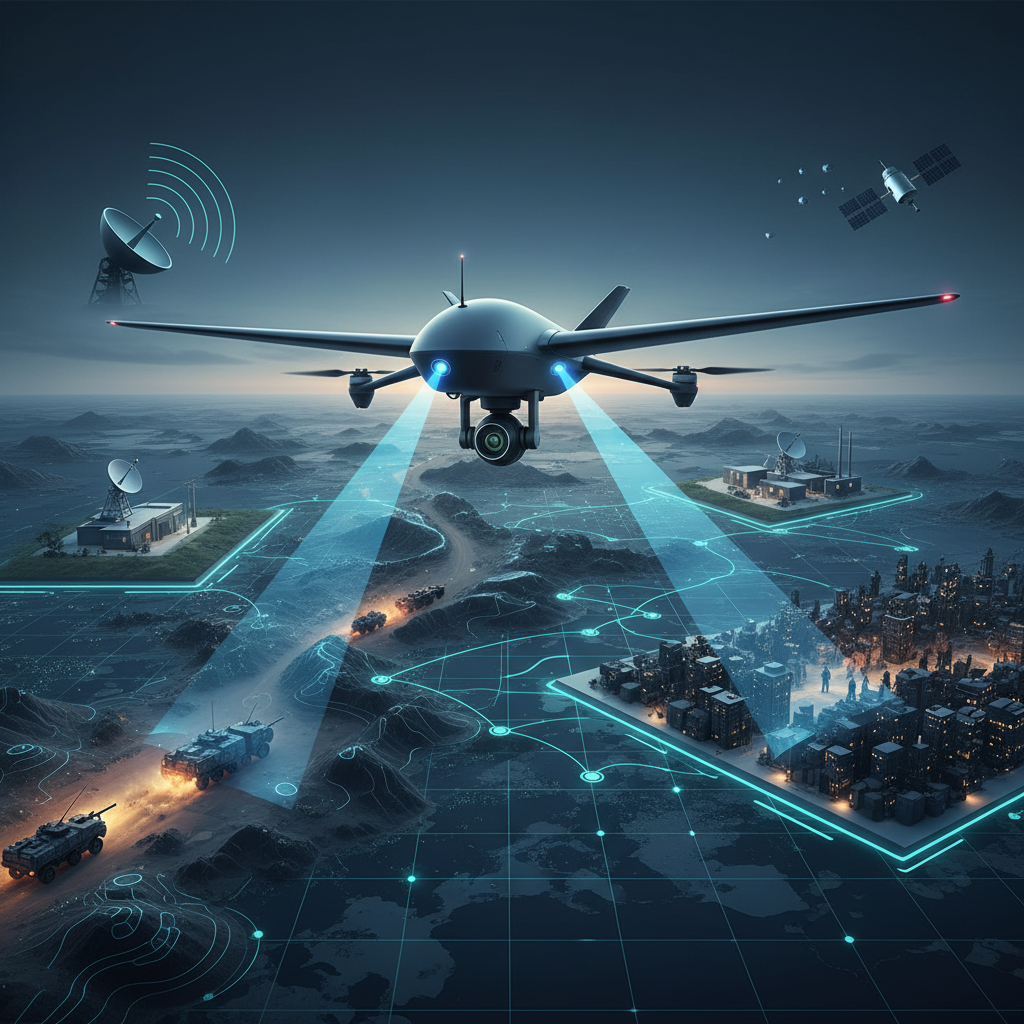
Drones gather intelligence on enemy positions and movements, playing a vital role in modern military strategy. Equipped with high-resolution cameras and advanced sensors, these unmanned aerial vehicles can provide detailed imagery and data analysis that was previously only possible through manned reconnaissance missions. For instance, the U.S. military often deploys drones like the MQ-9 Reaper to monitor insurgent activities in conflict zones, allowing for real-time assessment of enemy movements without risking pilot lives.
Moreover, drones provide a cost-effective alternative to manned aircraft for surveillance missions. Operating a traditional fighter jet is not only costlier in terms of fuel and maintenance but also involves significant risks to human pilots. Drones, on the other hand, can be deployed for extended periods at a fraction of the cost, enabling continuous monitoring of critical areas. This capability allows military strategists to make informed decisions based on accurate, up-to-date intelligence, thus enhancing operational effectiveness.
Targeted Strikes
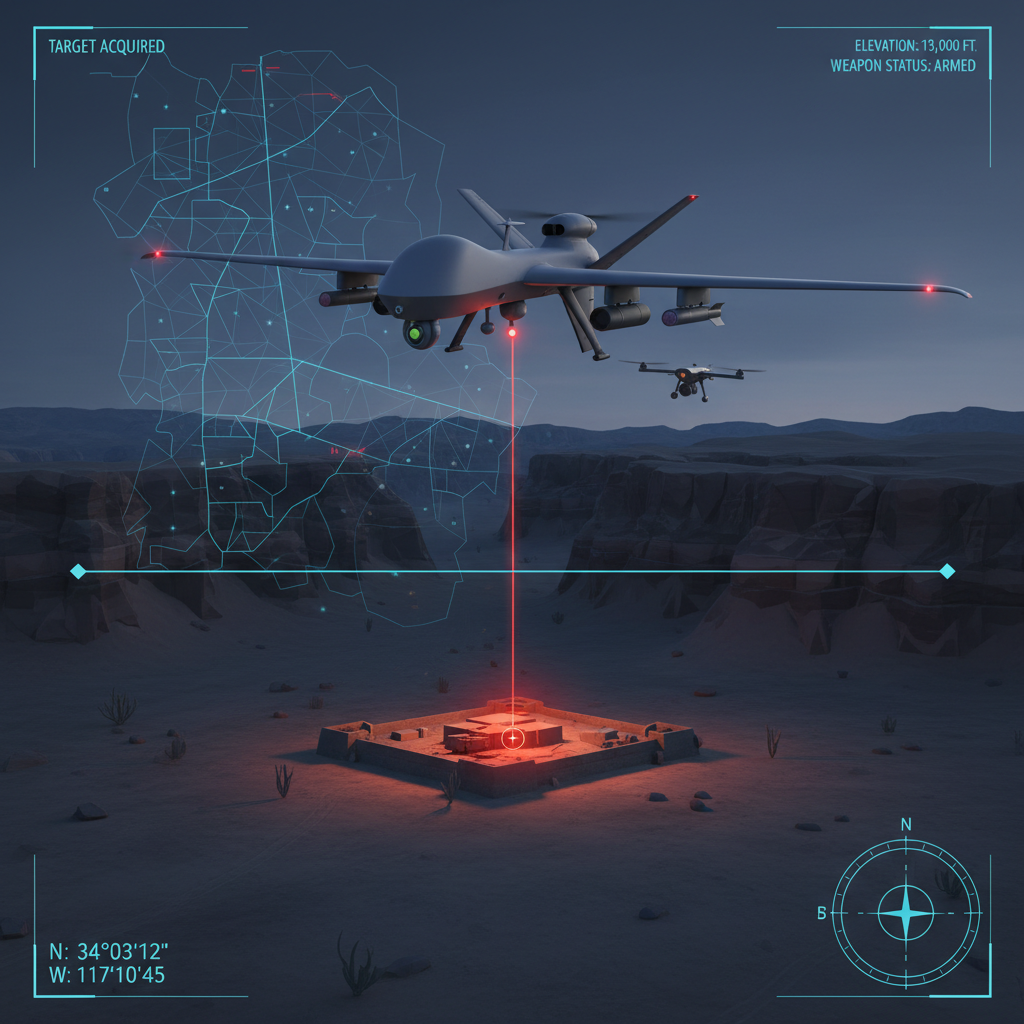
Military drones are equipped to carry out precision strikes on high-value targets, showcasing their tactical superiority in combat scenarios. For instance, the U.S. Air Force’s use of drones in operations against terrorist leaders has demonstrated their ability to deliver ordnance with remarkable accuracy. This capability minimizes collateral damage compared to traditional bombing methods, where the risk to civilian life and property is significantly higher.
The precision of drone strikes is achieved through advanced targeting systems and intelligence-gathering capabilities. By combining real-time surveillance data with sophisticated weaponry, military drones can engage targets with pinpoint accuracy. This strategic advantage has changed the dynamics of modern warfare, allowing military forces to neutralize threats while adhering to international laws of engagement. As a result, the use of drones in targeted strikes has become a critical component of counter-terrorism operations globally.
Search and Rescue Operations
Drones are increasingly used to locate missing persons in remote or hazardous areas, significantly enhancing search and rescue operations. Equipped with thermal imaging cameras and GPS technology, drones can cover vast terrains in a fraction of the time it would take human search teams. This rapid deployment capability is especially crucial in emergencies, such as natural disasters or wilderness rescues, where every minute counts.
In addition to locating individuals, drones can deliver supplies and medical aid during emergencies, improving response times. For example, during the aftermath of hurricanes or earthquakes, drones can transport essential supplies like food, water, and first-aid kits to areas that are otherwise inaccessible due to debris or infrastructural damage. This not only helps save lives but also streamlines the overall response effort, allowing rescue teams to focus on critical tasks while drones handle logistical challenges.
Border Security and Monitoring
Drones have become integral to border security and monitoring, providing law enforcement agencies with enhanced capabilities to detect illegal crossings and smuggling activities. By utilizing drones equipped with high-definition cameras and infrared sensors, agencies can monitor vast stretches of borderland with greater efficiency than traditional ground patrols.
These aerial surveillance tools not only improve situational awareness but also enable proactive measures against potential threats. For instance, the U.S. Customs and Border Protection has deployed drones along the southern border to monitor for drug trafficking and human smuggling operations. This capability allows for timely interventions and arrests, thereby bolstering national security efforts. Drones also serve as a deterrent, as their presence can discourage illicit activities by providing a constant aerial watch.
Disaster Response and Recovery
In the wake of natural disasters, drones assist in assessing damage and locating survivors, providing critical support for recovery efforts. Their ability to quickly map affected areas allows emergency responders to prioritize resources and deploy aid effectively. For example, after the devastating wildfires in California, drones were utilized to create detailed maps of the affected regions, helping agencies coordinate firefighting efforts and allocate resources where they were most needed.
Furthermore, drones can facilitate communication in disaster-stricken areas where traditional infrastructure may be compromised. Equipped with communication devices, drones can establish temporary networks, allowing first responders to communicate and share information efficiently. This capability not only speeds up response times but also enhances the overall effectiveness of recovery operations.
Infrastructure Inspection and Maintenance
Government agencies are increasingly using drones to inspect critical infrastructure such as bridges, power lines, and pipelines. This technological advancement reduces the need for human inspections in dangerous or hard-to-reach locations, thereby minimizing the risk of accidents. Drones equipped with high-resolution cameras and sensors can detect structural weaknesses and anomalies that might go unnoticed during traditional inspections.
For example, the Federal Aviation Administration (FAA) has sanctioned the use of drones for inspecting power lines, which can be hazardous for human workers. By employing drones, utility companies can conduct thorough inspections quickly and safely, identifying maintenance needs and preventing potential failures. This proactive approach not only enhances public safety but also extends the lifespan of critical infrastructure assets.
In conclusion, the integration of drones into government and military operations has transformed how these entities conduct surveillance, execute missions, and respond to crises. From enhancing surveillance capabilities to facilitating disaster response, drones are proving to be invaluable assets in a variety of contexts. As technology advances, the applications of drones are likely to expand, further enhancing their effectiveness in various roles and solidifying their position as essential tools in modern governance and military strategy.
Frequently Asked Questions
What are the primary uses of drones by the government and military?
Drones, or unmanned aerial vehicles (UAVs), are predominantly used by the government and military for surveillance, reconnaissance, and targeted strikes. They provide real-time intelligence gathering capabilities, allowing for enhanced situational awareness in conflict zones. Additionally, drones are employed for logistics, delivering supplies to remote areas, and conducting search and rescue operations during natural disasters.
How do military drones enhance surveillance capabilities?
Military drones enhance surveillance capabilities by providing high-resolution imagery and video feeds that can be transmitted in real-time to ground command centers. Equipped with advanced sensors and cameras, these drones can monitor vast areas without putting personnel at risk. This capability allows for improved threat detection, tracking of enemy movements, and better strategic planning during military operations.
Why are drones preferred over traditional aircraft for military operations?
Drones are preferred over traditional aircraft for several reasons, including cost-effectiveness, reduced risk to human life, and operational flexibility. They require less maintenance and can be deployed quickly in various terrains without needing extensive infrastructure. Furthermore, drones can loiter over a target area for extended periods, making them ideal for surveillance and reconnaissance missions that require prolonged observation.
What types of drones are commonly used by the military?
The military employs a variety of drones depending on their mission requirements. Common types include reconnaissance drones, such as the MQ-1 Predator, which are used for surveillance; combat drones, like the MQ-9 Reaper, designed for targeted strikes; and tactical drones, such as the RQ-11 Raven, used for short-range intelligence gathering. Each type is equipped with specific technologies to fulfill distinct operational needs.
How does the use of drones by the military impact civilian life?
The military’s use of drones can significantly impact civilian life, particularly in conflict zones where drone strikes may inadvertently harm non-combatants. Concerns about privacy invasion and the psychological effects of drone surveillance on local populations have also arisen. While drones can enhance security and aid in disaster relief, it is essential for military operations to balance these benefits with the ethical implications of their use on civilian communities.
References
- https://en.wikipedia.org/wiki/Military_drone
- https://www.rand.org/research/airpower/2016/06/how-the-us-military-uses-drones.html
- https://www.c-span.org/video/?c4914264/user-clip-drones-military-use
- https://www.brookings.edu/research/what-the-us-military-can-learn-from-using-drones/
- https://www.npr.org/sections/thetwo-way/2016/09/12/493676025/the-us-militarys-use-of-drones
- https://www.gao.gov/products/gao-14-679
- https://www.reuters.com/article/us-usa-drones-idUSKCN0Y22J3
- https://www.airforce.com/technology/drones
- https://www.nationalgeographic.com/science/article/drones-military-technology-aviation
